
Charles Darwin calculated that there would be 53,000 earthworms in an acre of soil. That number has been adjusted upwards over the years and at the moment stands anywhere between 500,000 and a million. The reserve covers about 140 acres so, even at the lowest of modern estimates, there are 70 million earthworms in the park.
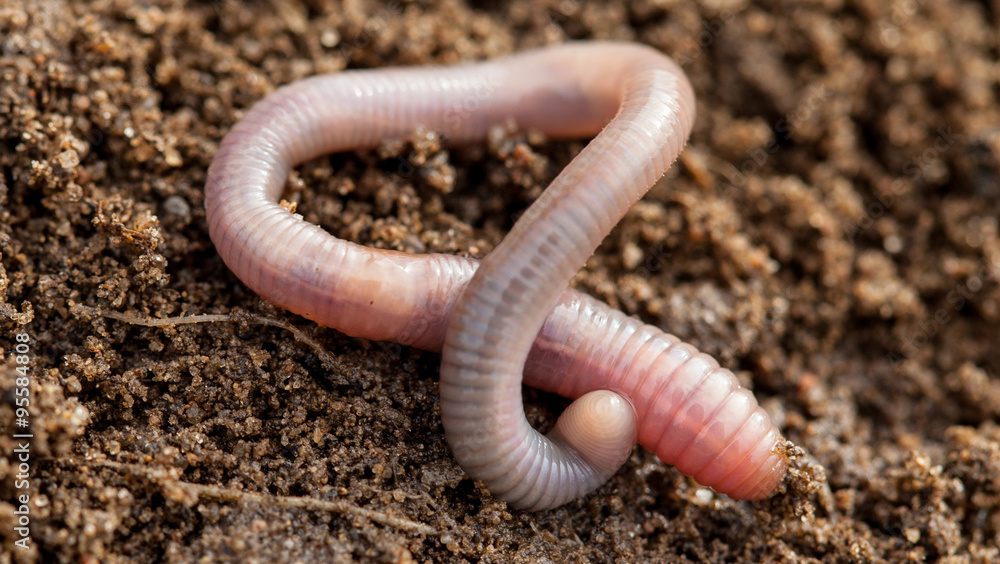

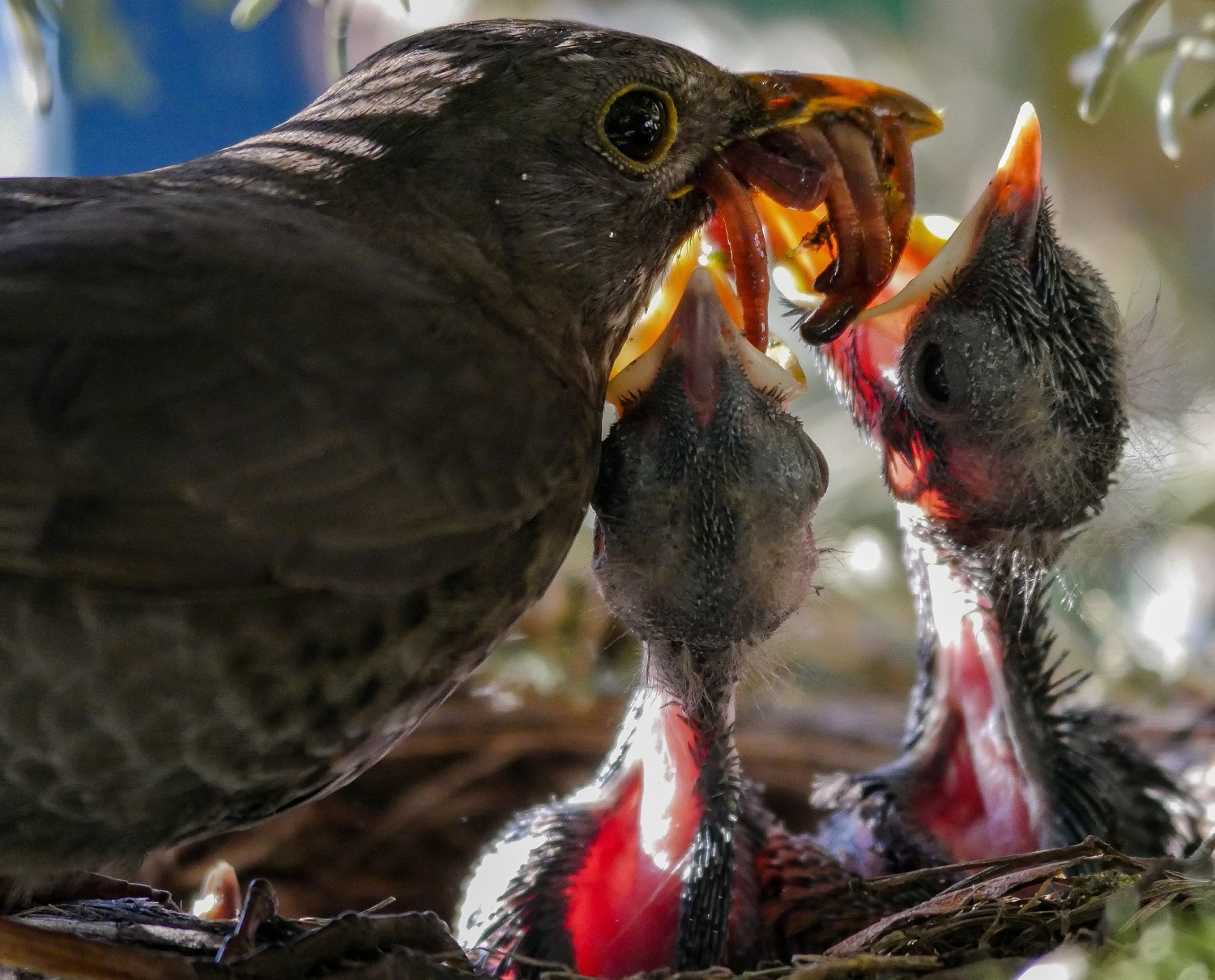
Earthworms are most active in the spring and autumn, when the soil is moist and aerated, and the temperature is closest to the year’s mean. They are important ecosystem engineers in temperate climates like ours, providing crucial services: decomposition and nutrient cycling, burying seeds, draining and aerating topsoils. Soon they will set about recycling the reserve’s autumnal leaf fall, dragging the leaves underground and bringing fine tilth to the surface in their castings.
Earthworm biomass increases with increasing temperature when the soil is sufficiently wet but decreases with extremes such as drought and flooding. It’s difficult to assess, or even to guess, how the reserve’s millions of earthworms have dealt with the past couple of years.

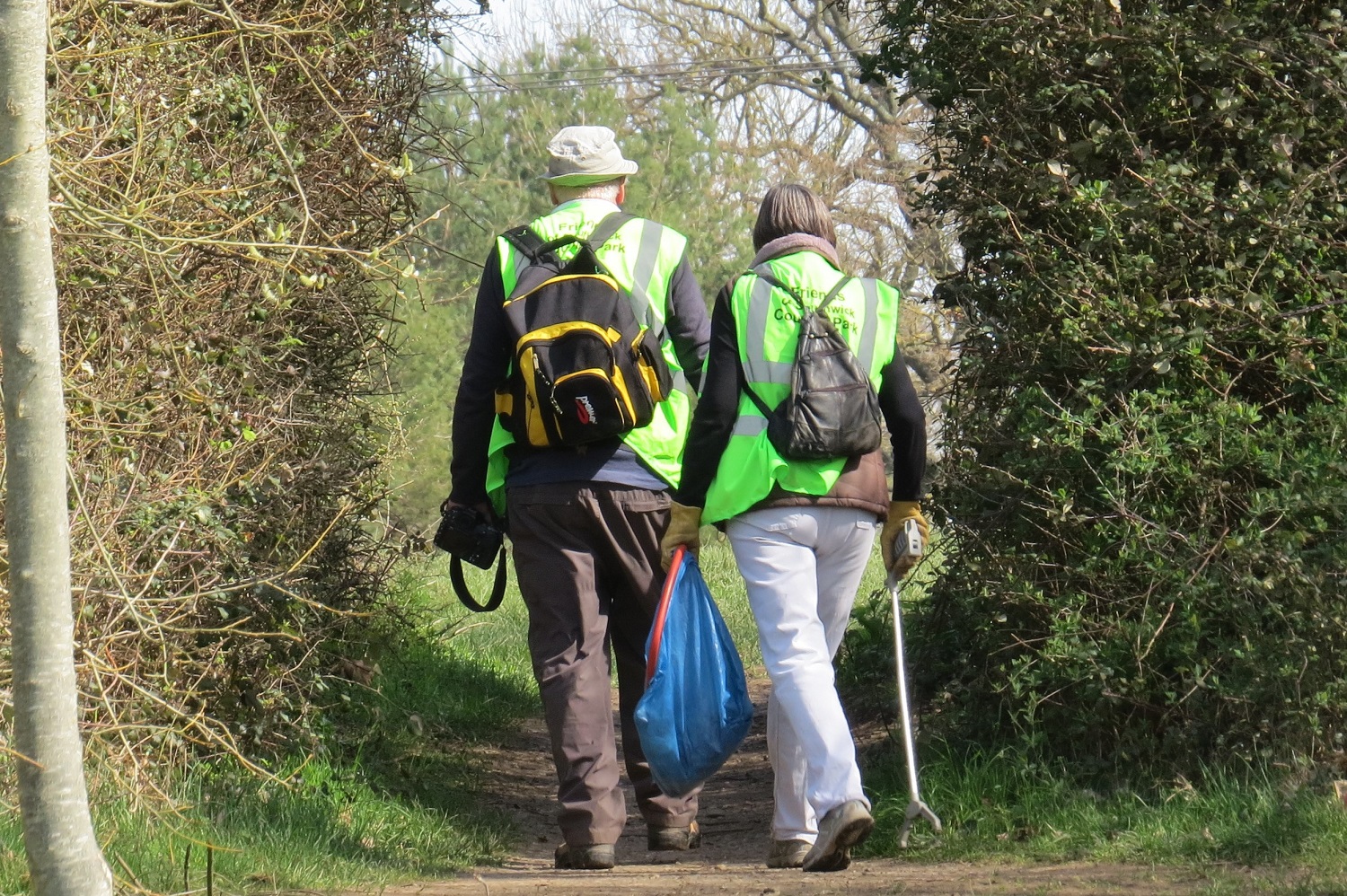


 Southwick Country Park Nature Reserve