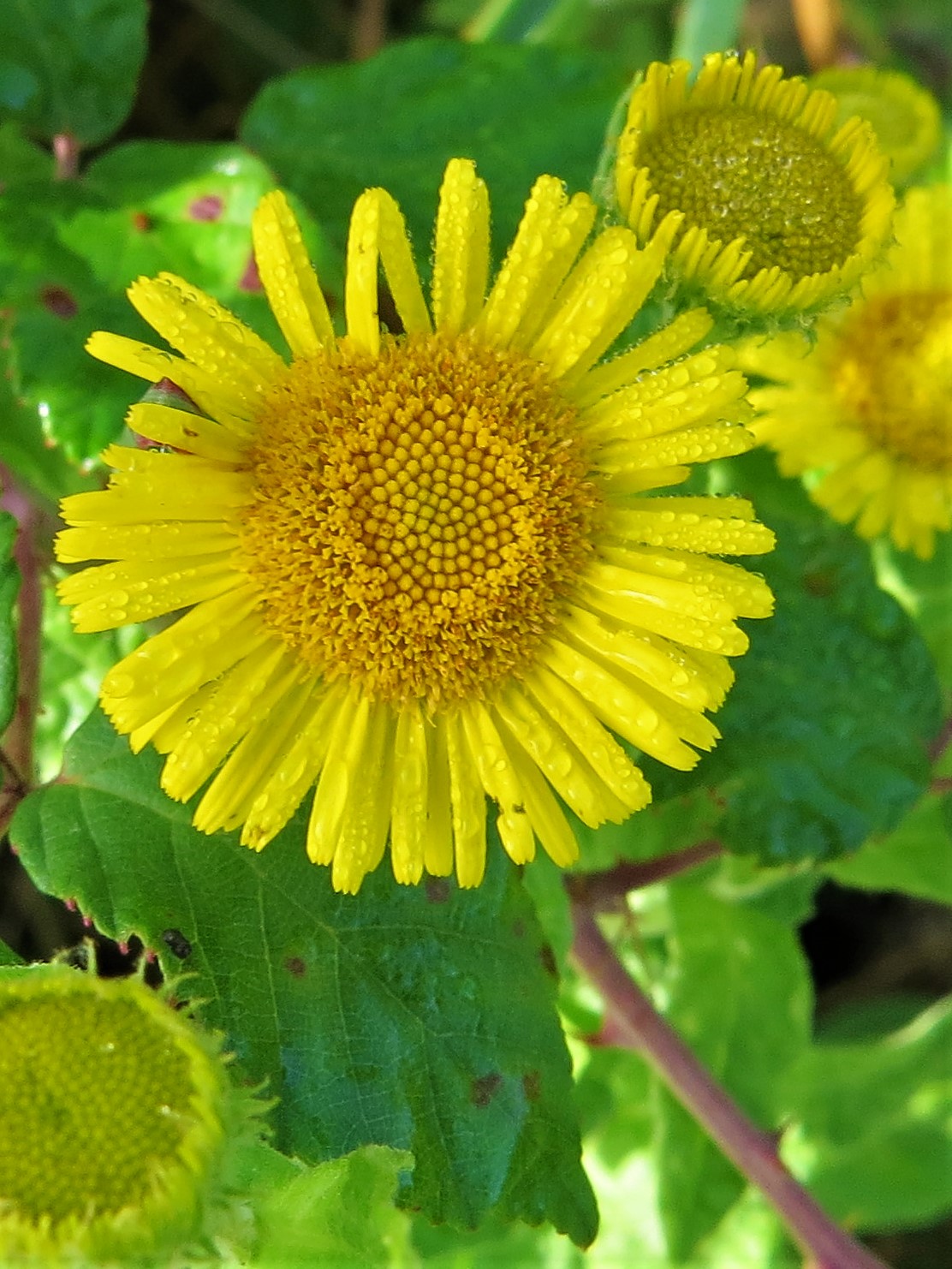
Fleabane
Yesterday’s headline picture was of a marsh damsel bug on a fleabane flower, which reminded us that fleabane (Pulicaria dysenterica) is an essential late summer nectar source for our invertebrates that deserves a post of its own.
A welcome splash of yellow as most of the reserve’s wildflowers set seed, it is one of those plants that grow all over the place but nobody ever seems to know its name.
The root of its genus name, Pulicaria, is the Latin word for flea: pulix. The leaves were used in mediaeval times to repel fleas and other insects, hence the name fleabane. The dried leaves were mixed in with the rushes that were used to cover earthen floors, or were burned as a fumigant to rid a house of pests and parasites.
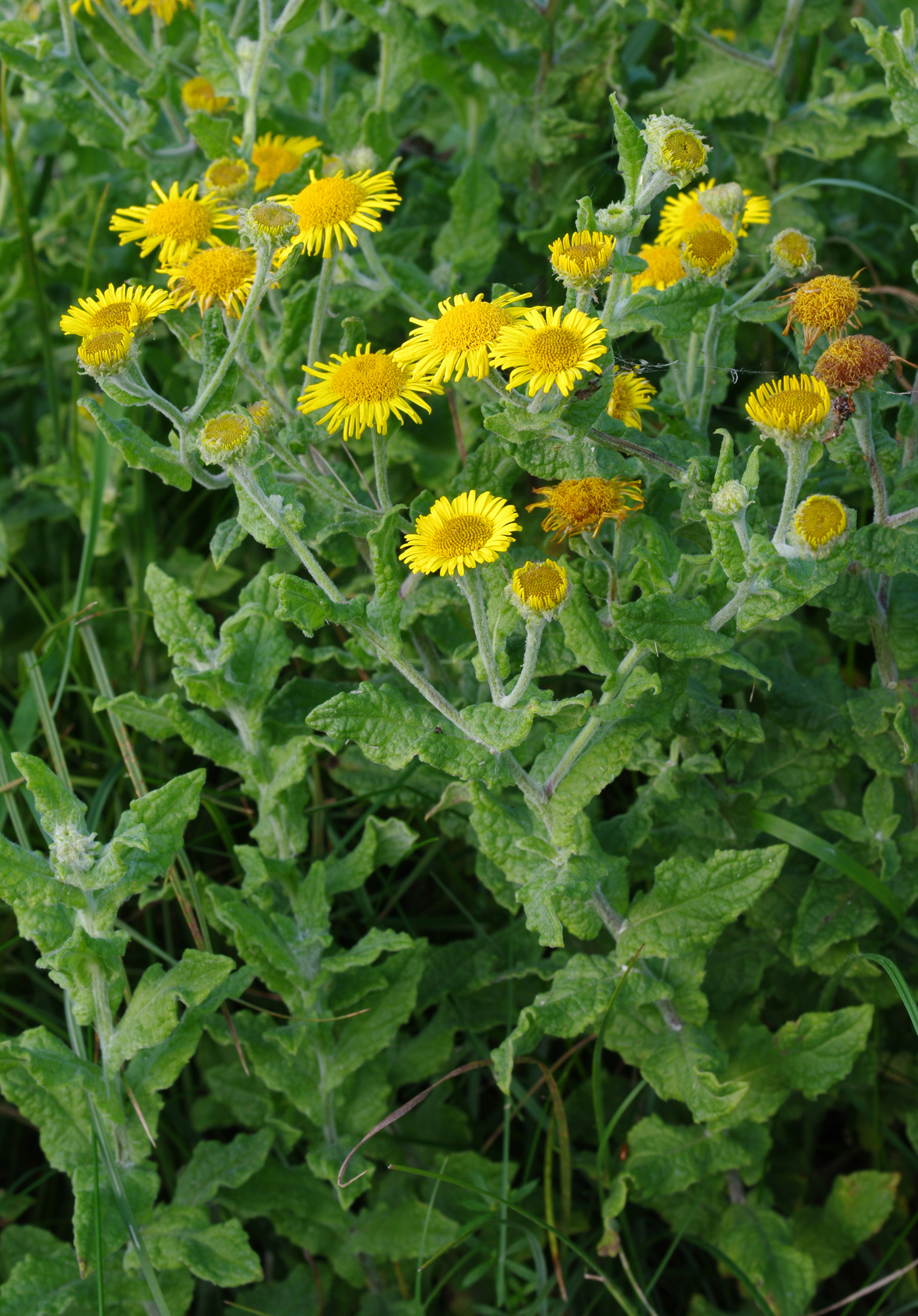
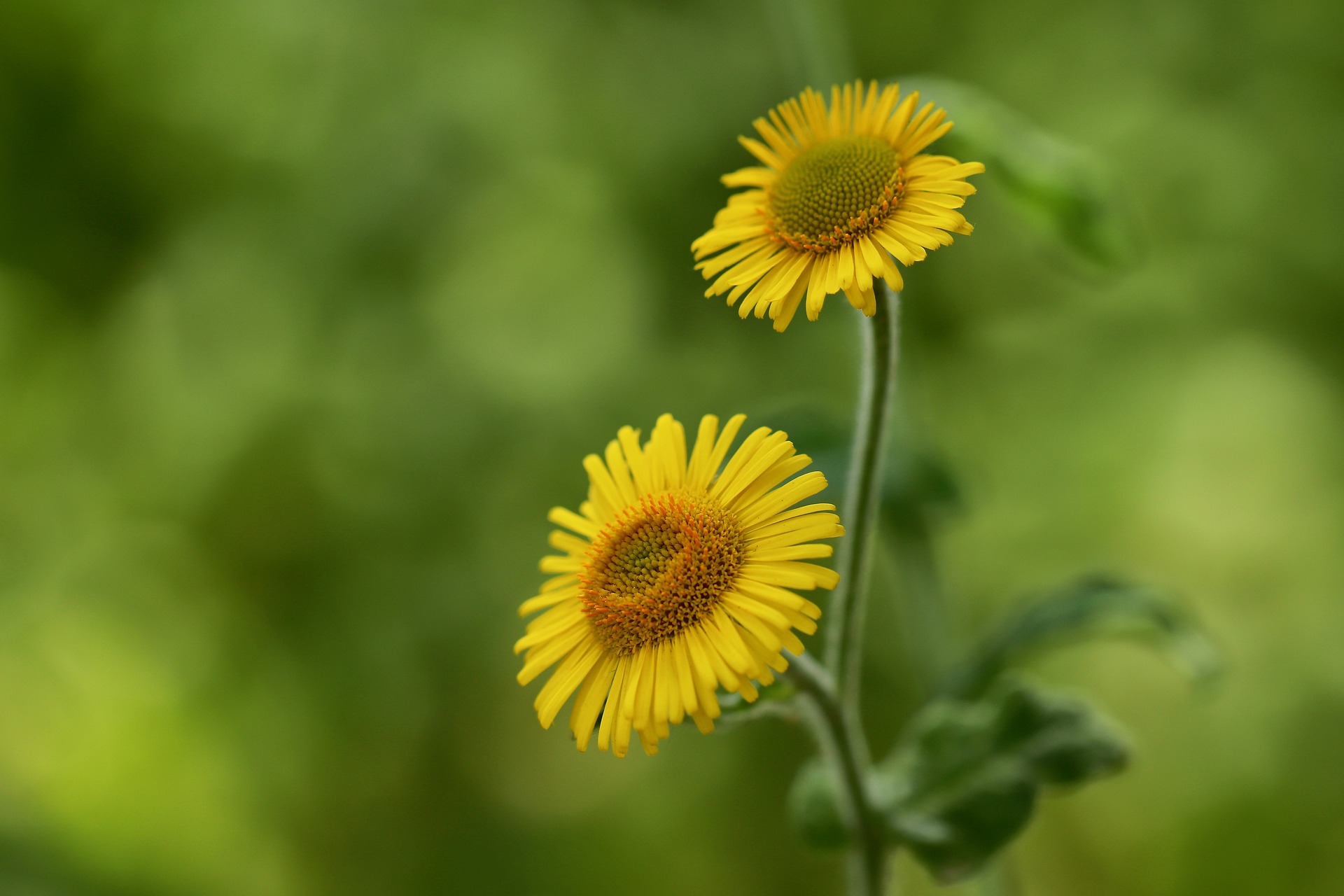

The species name, dysenterica, comes from its past use in herbal medicine as a treatment for diarrhoea. Often a botanical name contains the history of a plant’s usefulness to humankind. Fleabane is still used today as a herbal remedy for digestive problems as well as to ease coughs and bronchial infections.
Pulix dysenterica is native to Europe, common and widely distributed. Its range stretches from the Mediterranean in the south and reaches its northern limit in eastern Demark. It is sufficiently common in southern Britain to be regarded as a weed, rarer in the north and absent from Scotland but it is probable that climate change will extend its range northwards.
Header image by Suzanne Humphries



 Southwick Country Park Nature Reserve