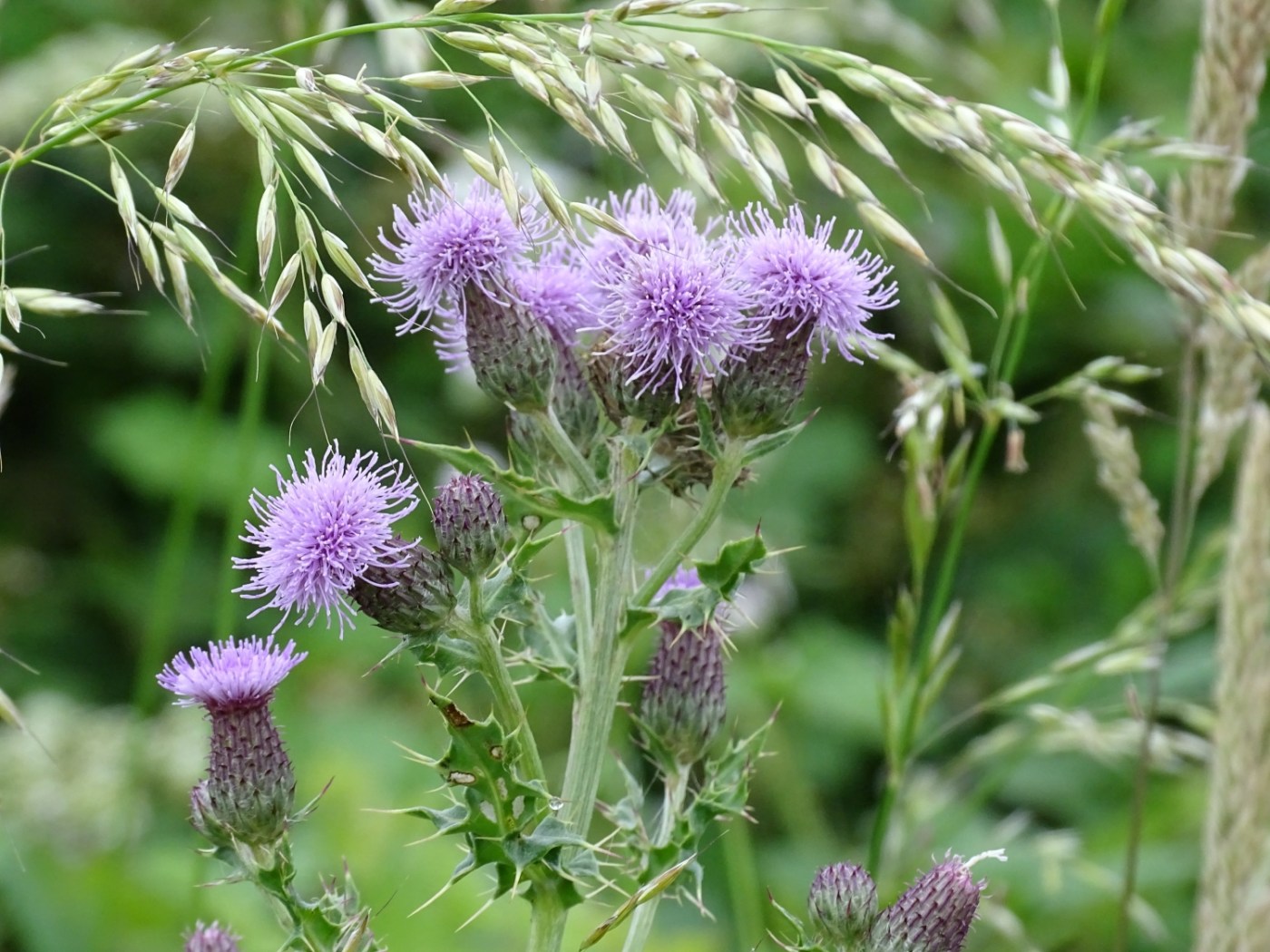
Creeping thistle
A beautiful picture of creeping thistles from Cheryl Cronnie.
Our creeping thistles are an important nectar source for summer butterflies. The composite mauve flowers are made up of many tiny, tubular florets, their rich nectaries reserved for long tongued species like Lepidoptera. Creeping thistles will flower right through the summer and into September, vital late season support for those butterflies that hibernate in their adult form.


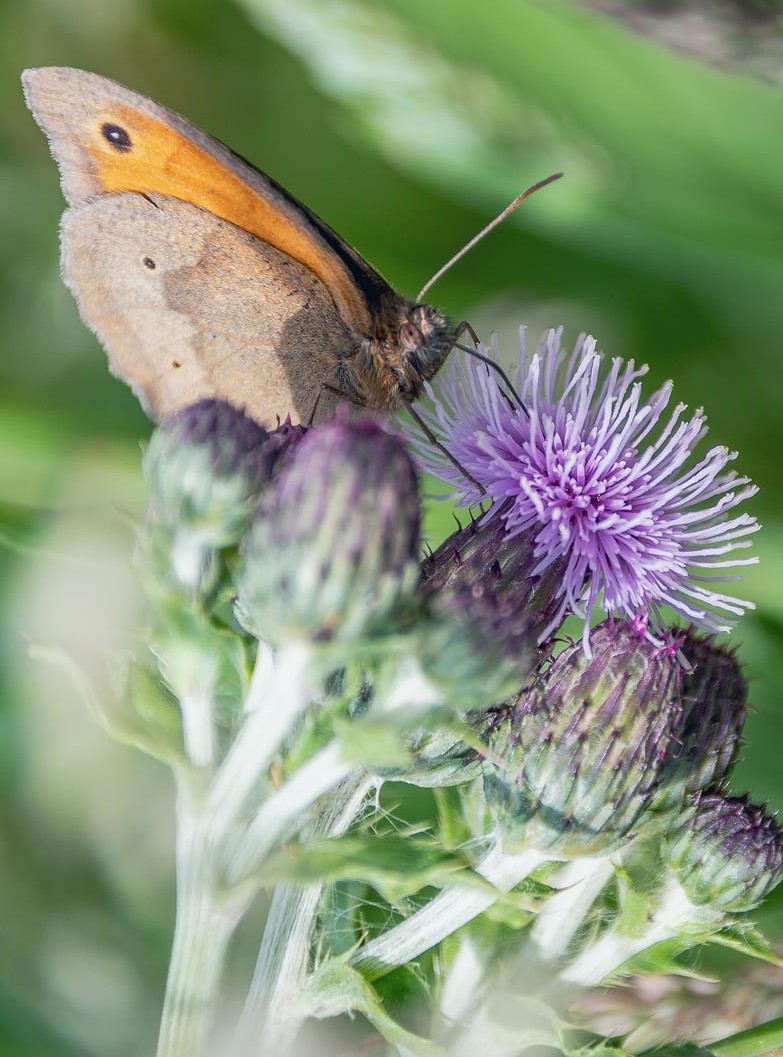


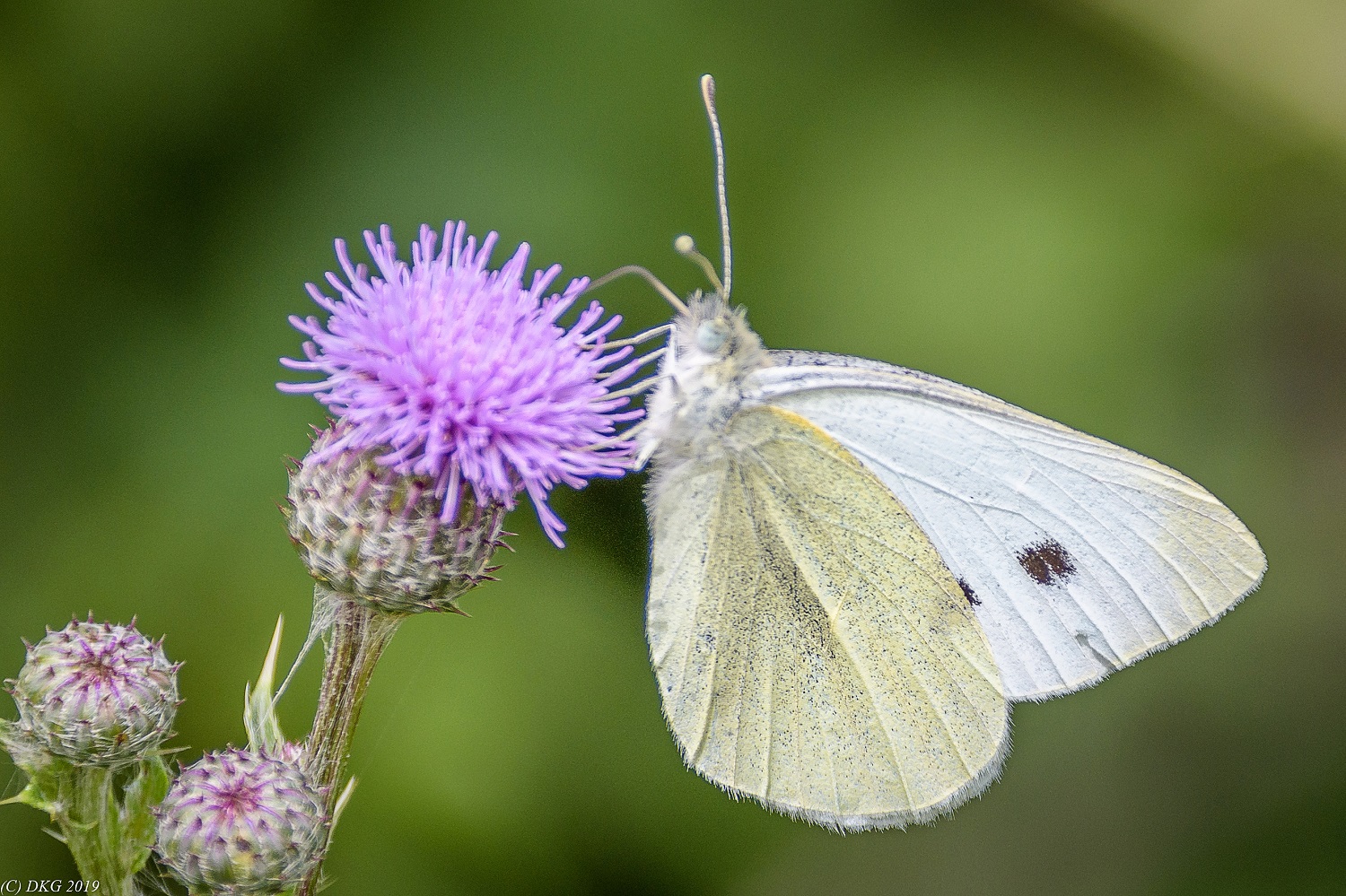
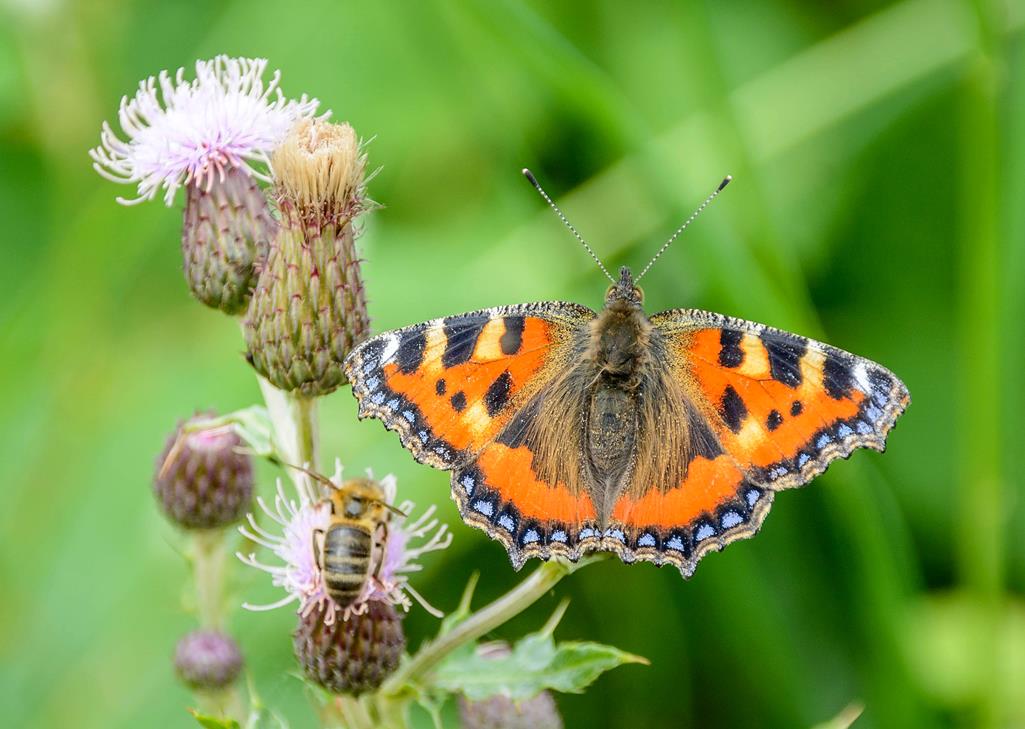
All these pictures were taken in the reserve
Creeping thistle (Cirsium arvense) is also one of the five species that fall under the control of the 1959 Noxious Weeds Act. The other four species are ragwort, spear thistle, curled dock and broad-leaved dock. The Act says:
“Under the Weeds Act the Secretary of State for the Department Environment, Food and Rural Affairs can, if satisfied that specified weeds are growing upon any land, serve a notice requiring the occupier to take action to prevent the spread of those weeds. An unreasonable failure to comply with a notice is an offence.”
In 1959, agriculture was an important part of the UK economy and the 1959 Weeds Act was one of many pieces of legislation intended to protect the farming industry, as far as possible, from the vagaries of nature. We now know that this was all part of the disaster that led us to a 70% loss of insect biomass and the winner’s podium in the European competition for most depleted biosphere.
It is said that weeds are just wildflowers growing in the wrong place but we are no longer in a position to say what is the right or wrong place for wildflowers to grow. We must take what we can get, wherever we can get it, and hope that the insects come back soon.
Come and see our possibly illicit creeping thistles and the many butterflies that visit them.



 Southwick Country Park Nature Reserve
I like the crab spider lurking in wait for his breakfast.
Wow that one is just so beautiful..
From our in-house wildlife photographer Simon Knight. https://www.simonknightphotography.com/
Oh wow, I had a look at the site. Beautiful photos! Wildlife and photography is a very good combination!
I’ll pass your comment on to Simon.
Many thanks!