
The Perseid meteor shower peaks this weekend.
The Perseid meteors happen as the Earth travels through comet Swift-Tuttle’s tail of dust and debris, known as the Perseid Cloud. Particles from the cloud burn up as they hit our atmosphere, producing shooting stars, sometimes as many as a hundred in an hour. This is an annual phenomenon that happens between the middle of July and the end of August each year and while it is primarily visible in the northern hemisphere, it can be seen all over the world.


The meteors are called Perseids because they appear to come from the direction of the constellation Perseus. We have known about them for at least 2,000 years: they were first recorded in AD36. They are more numerous between midnight and dawn and most will burn up entirely in the atmosphere at heights above 80 kilometres from our Earth’s surface. Because comet debris is largely made of ice and dust, very few of the meteors, if any at all, will hit the ground. Most meteorites (meteors that do make it to the ground) are usually the remains of rocky or metallic asteroids.

Tonight’s weather doesn’t look too good for star-gazing. The Met Office promises us cloudy skies before midnight and drizzle thereafter but if it clears, find somewhere dark with minimum light pollution (we can recommend the reserve) and look up.

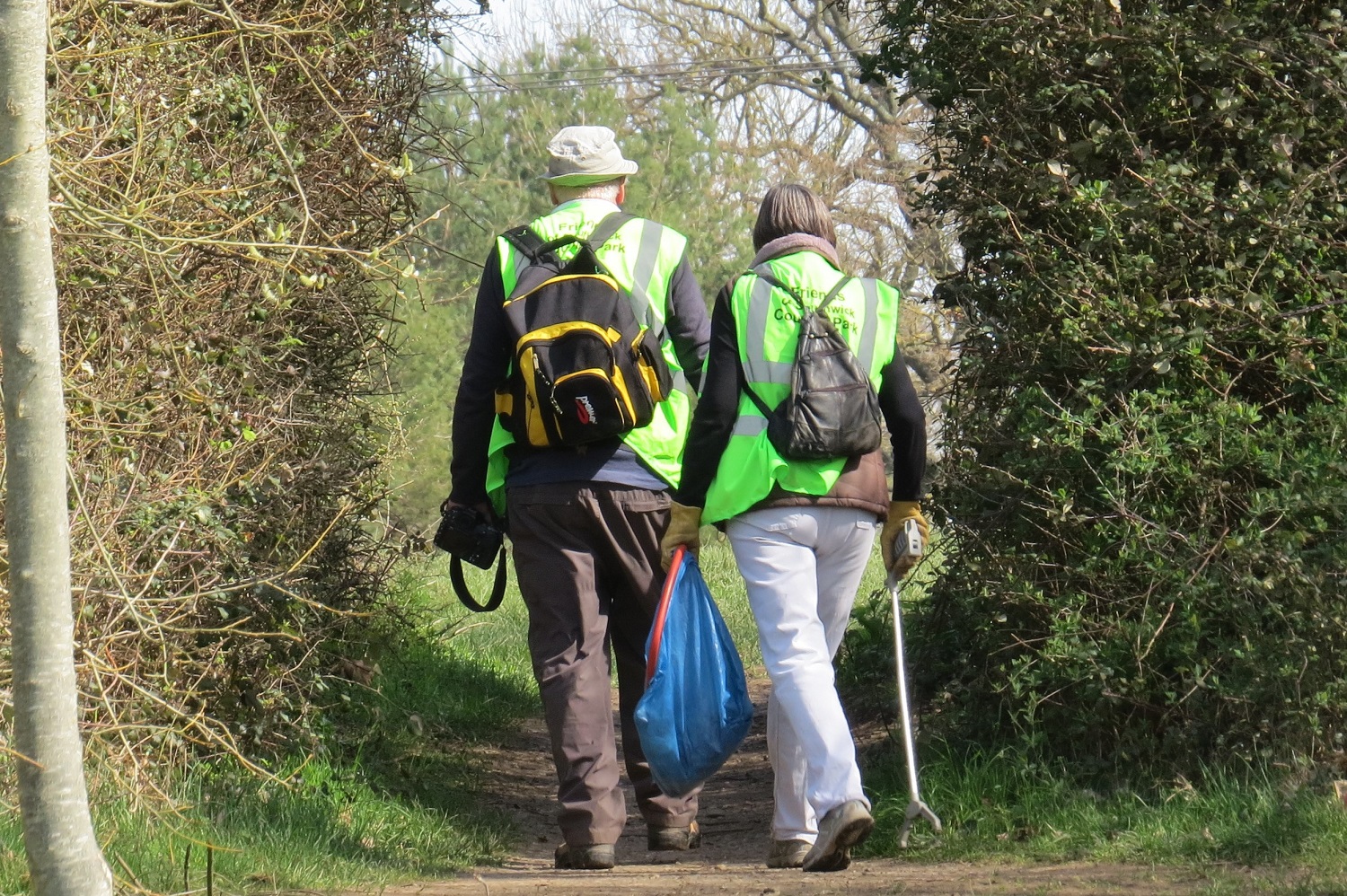


 Southwick Country Park Nature Reserve