
Somebody asks this every year in August, as they wave wasps away from their picnic or soothe a painful sting with a vinegar poultice.
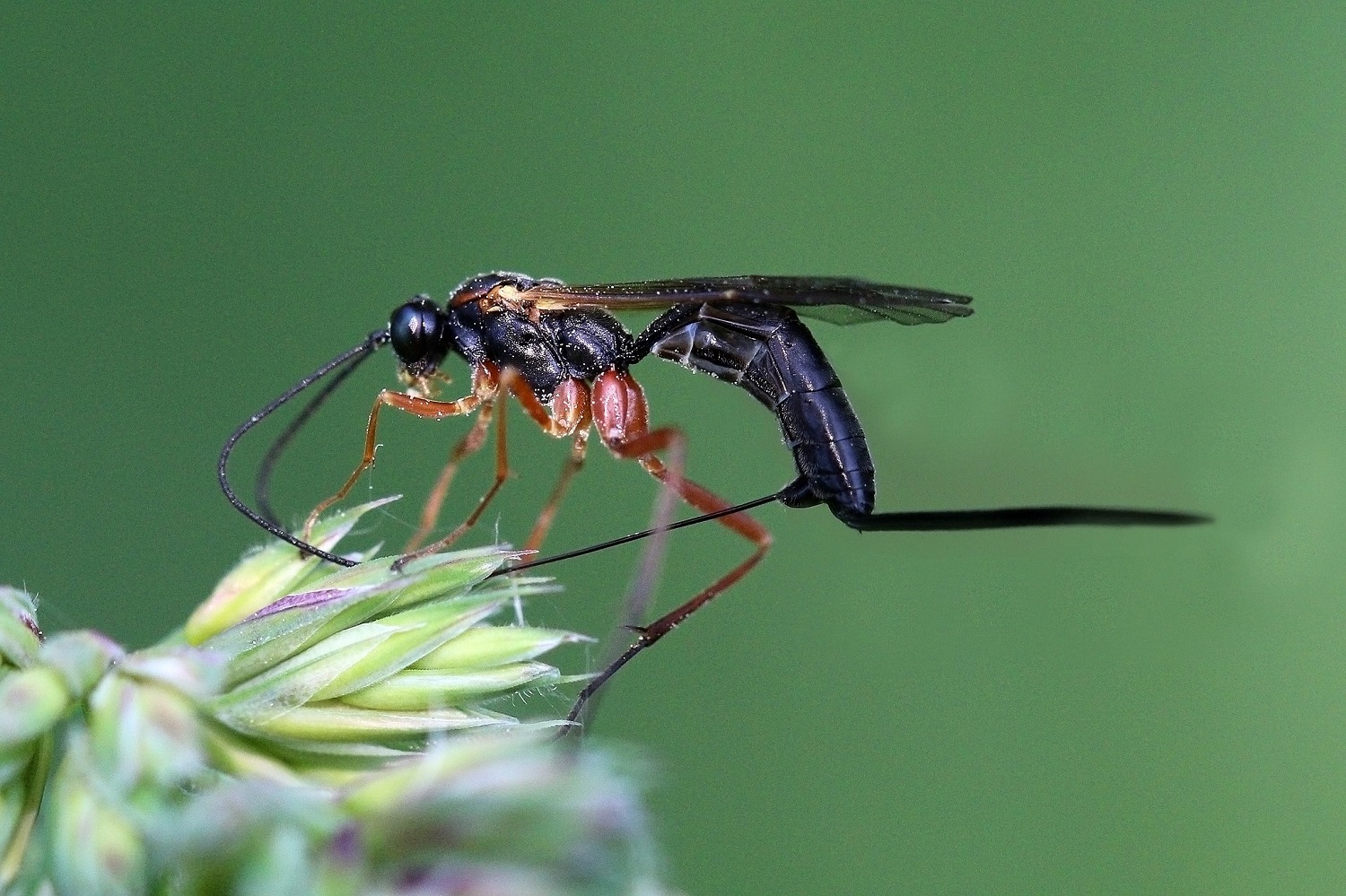
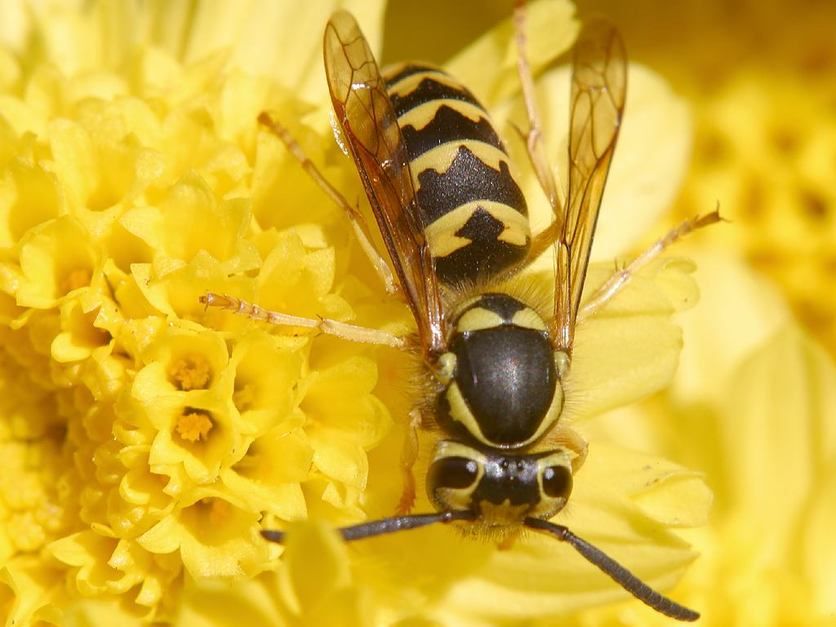
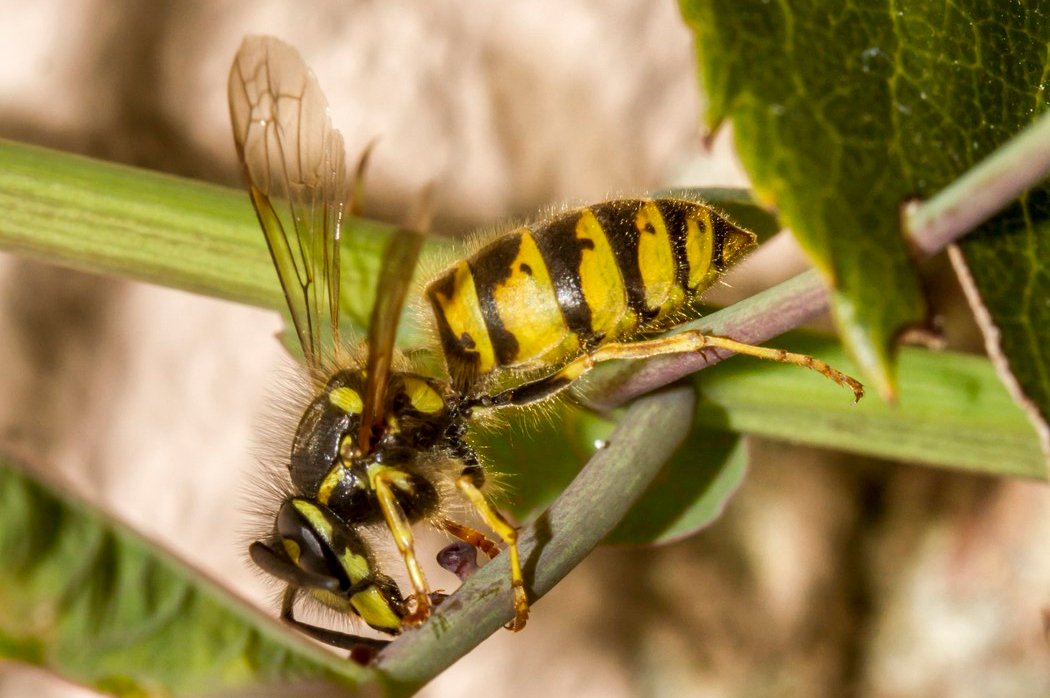
There are actually 7,000 species of wasp native to the UK. The huge majority of them are solitary, some are tiny, a few are so small that they are almost invisible unless you have a magnifying glass. These never bother us and we hardly ever notice them; it is the social wasps that we regard as the enemy, specifically the common wasp (Vespula vulgaris) and the German wasp (Vespula germanica) which are so alike that we can hardly tell the difference.


Pest control
Our social wasps are important pest controllers. They are apex predators in the invertebrate world. Adult wasps feed only on sugars, but they are ferocious hunters, killing and dismembering other invertebrates to carry back to the nest to feed to their growing carnivorous larvae. Caterpillars, aphids and spiders are their main prey but they aren’t at all fussy: availability is the thing and at this time of year, if there are still wasp grubs in the nest, they will be eating chopped up craneflies.
Each summer in the UK, social wasps kill and feed to their larvae an estimated 14,000 tons of insect prey. The reserve would be overrun with spiders and aphids if there were no wasps and in the agricultural scheme of things, wasps are significant regulators of pest species.

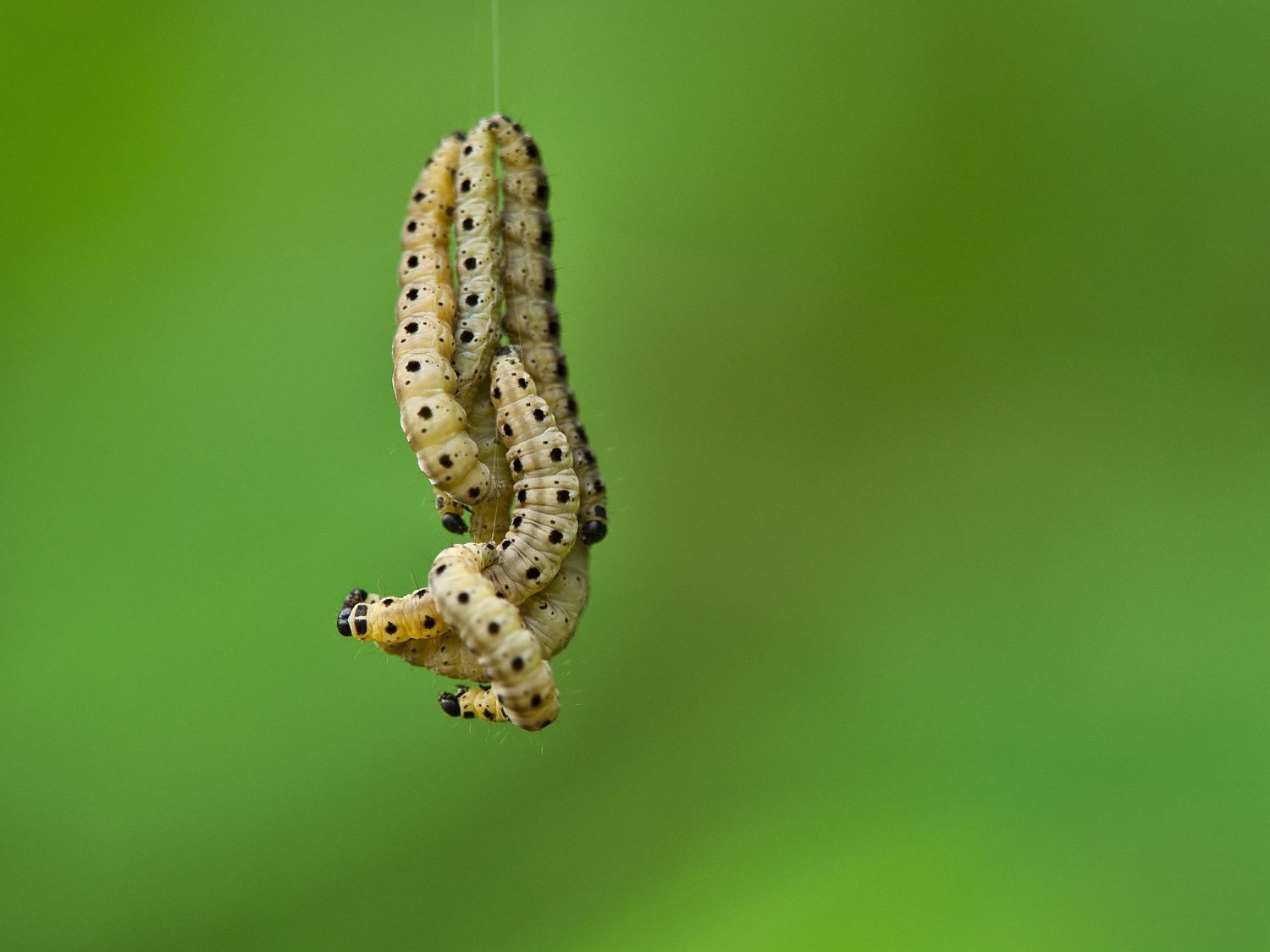

Now that we are beginning to understand both the importance of apex predators and the value of social wasps’ services to our ecosystems, we can see that the wholesale destruction of their nests followed by the widespread use of insecticides to kill the resultant surge of aphids and caterpillars was, is and always will be a mistake.
Pollination
Wasps are pollinators. The adults, unlikely as it seems, are nectar feeders and as they search a flower for its nectaries, they pick up pollen from the stamens and leave behind, on the pistil, pollen from previously visited flowers. The broad leaved helleborines (Epipactis helleborine) in the reserve’s woods are particularly attractive to both common and German wasps and rely on them, almost totally, for pollination.


The problem
It is the need for sugar that makes wasps so troublesome at the end of the summer. For most of the lifetime of the nest, the larvae have rewarded the workers for all that protein by excreting a sweet honeydew to supplement their diet of nectar. But in August, the queen stops producing eggs and soon there are no more larvae to provide honeydew for the thousands of workers. All those hungry wasps must now find other sources of sugar at a time when most wildflowers stop making nectar and make seeds instead – so it’s off to the picnic place to share your sweet drinks and cakes.



 Southwick Country Park Nature Reserve
Thank you!
Our pleasure; it’s nice to know there are people out there as worried about our beleaguered wasp population as we are.
Thank you for an excellent and very informative article. When I think of all the wasps nests and wasps routinely destroyed in the past. I hope we know better now! Barbara Johnson.
As a pest controller, I understand the need to control wasps in certain situations. If there is a danger to humans or the wasps are lnesting in a property then yes, I would take steps to remove the wasps.
Any competent pest operative would carry out a site assessment and risk assessment before even contemplating destruction. All insects have evolved for a reason and are important parts of the ecosystem and should be treated as such.
Wasp removal is a vital but difficult chore. Prioritize safety by wearing appropriate protective gear and taking efforts to avoid stings. If the infestation is serious, get professional assistance since they have the knowledge to manage it safely. DIY solutions can work for tiny nests, but always use caution and adhere to suggested rules to avoid catastrophes.