The British Trust for Ornithology has been collecting information about the UK’s birds since 1932.
Now, more than ninety years later, its archives contain some of the world’s most reliable and extensive biodiversity data.

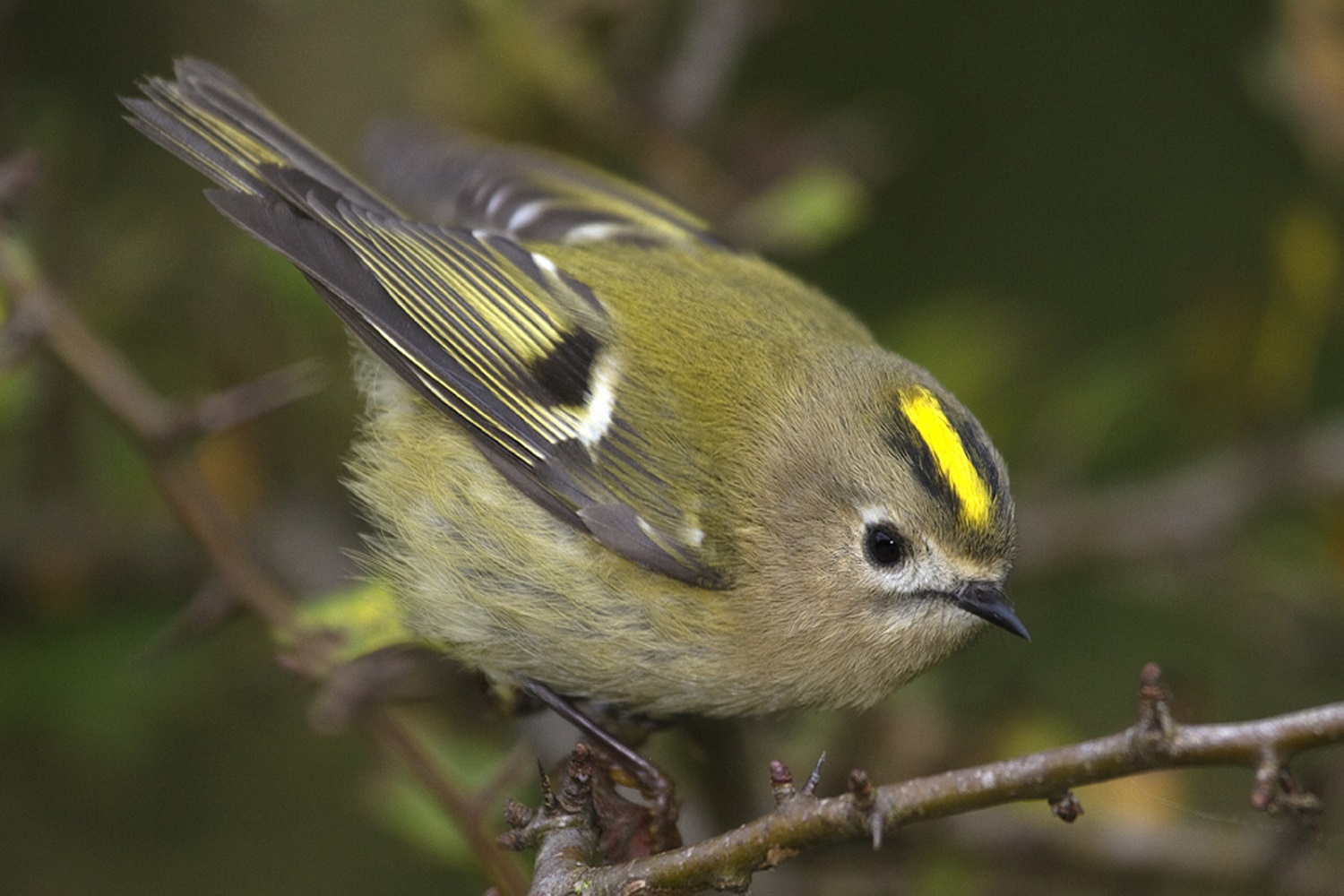
BTO volunteers have been ringing birds right from the outset. A lightweight metal ring, uniquely numbered, is placed around a bird’s leg; each ring has an address on it so that anybody who finds a ringed bird (alive or dead) can report where and when it was found. Some rings are coloured so that individual birds can be identified without being caught.
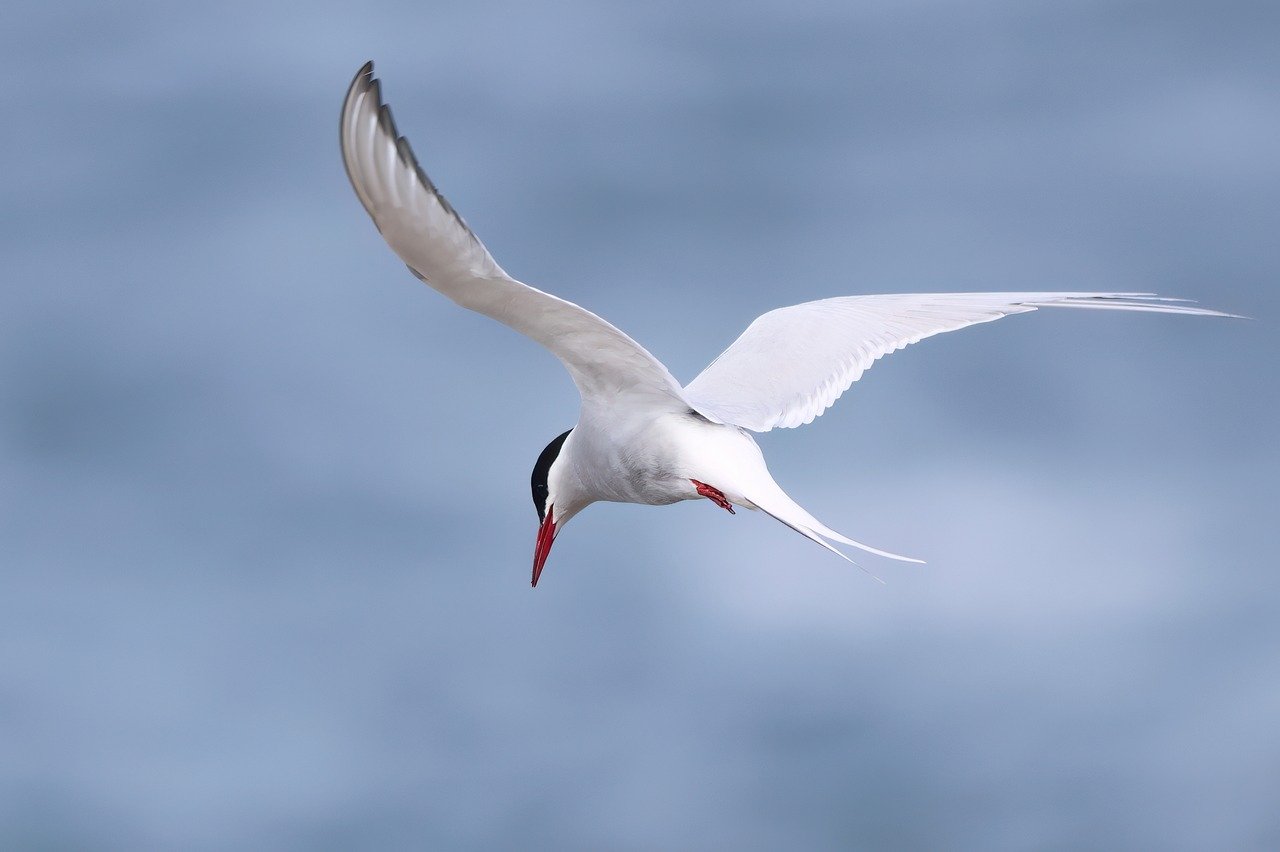
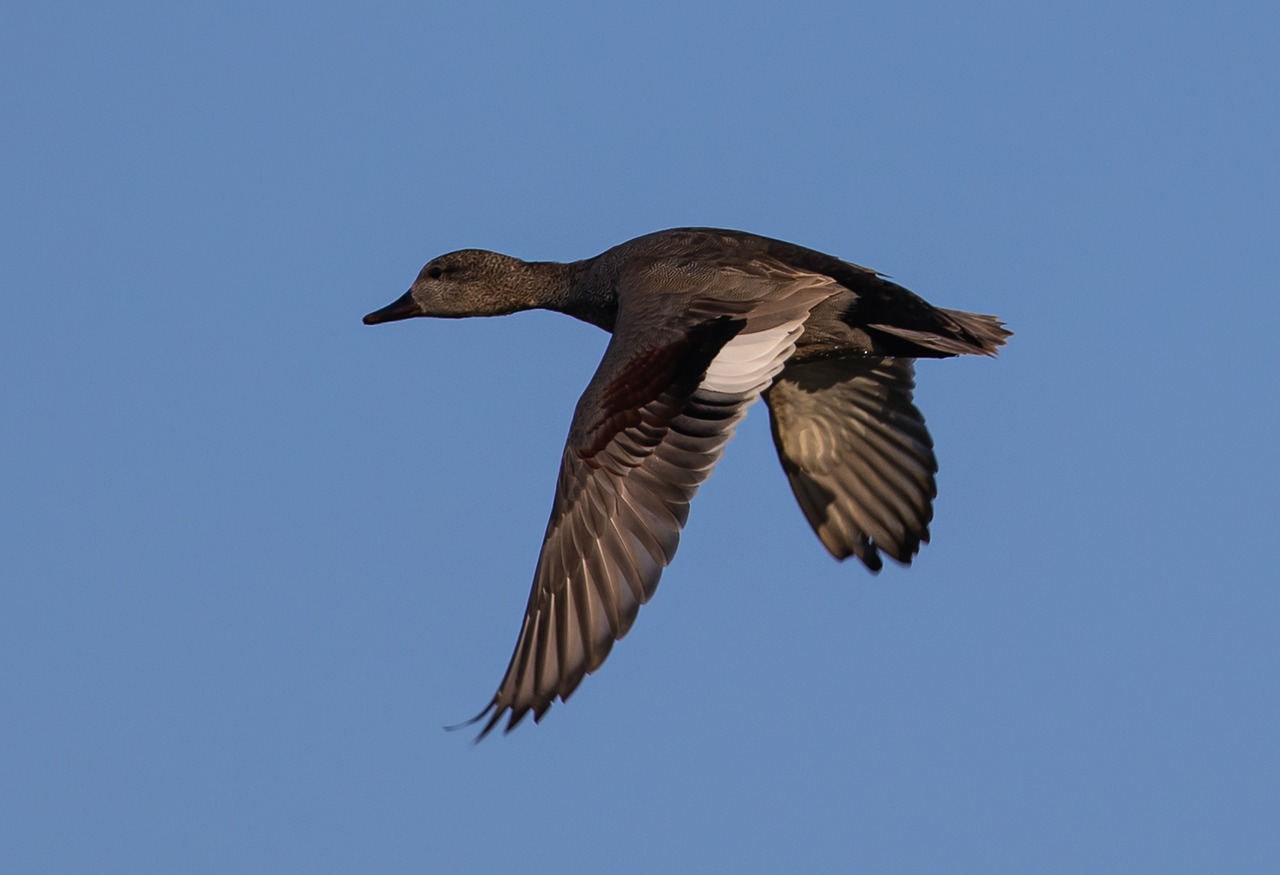
Over the years, many records have been set. The oldest bird recorded was a Manx shearwater, ringed at five years old in 1957 and recaptured in 2003 when it was almost 51 years old. An arctic tern, ringed in Wales was recaptured in Australia, 18,000 kilometres away; a gadwall duck covered 352 kilometres on the same day, ringed in Cambridgeshire and recaught in northern France. Finally and perhaps most weirdly, a ring that had originally been placed on an osprey, was recovered from the stomach of a crocodile in Gambia in west Africa.

The information collected by the BTO’s ringing schemes is now primarily focused on monitoring bird populations in increasingly hostile environments.
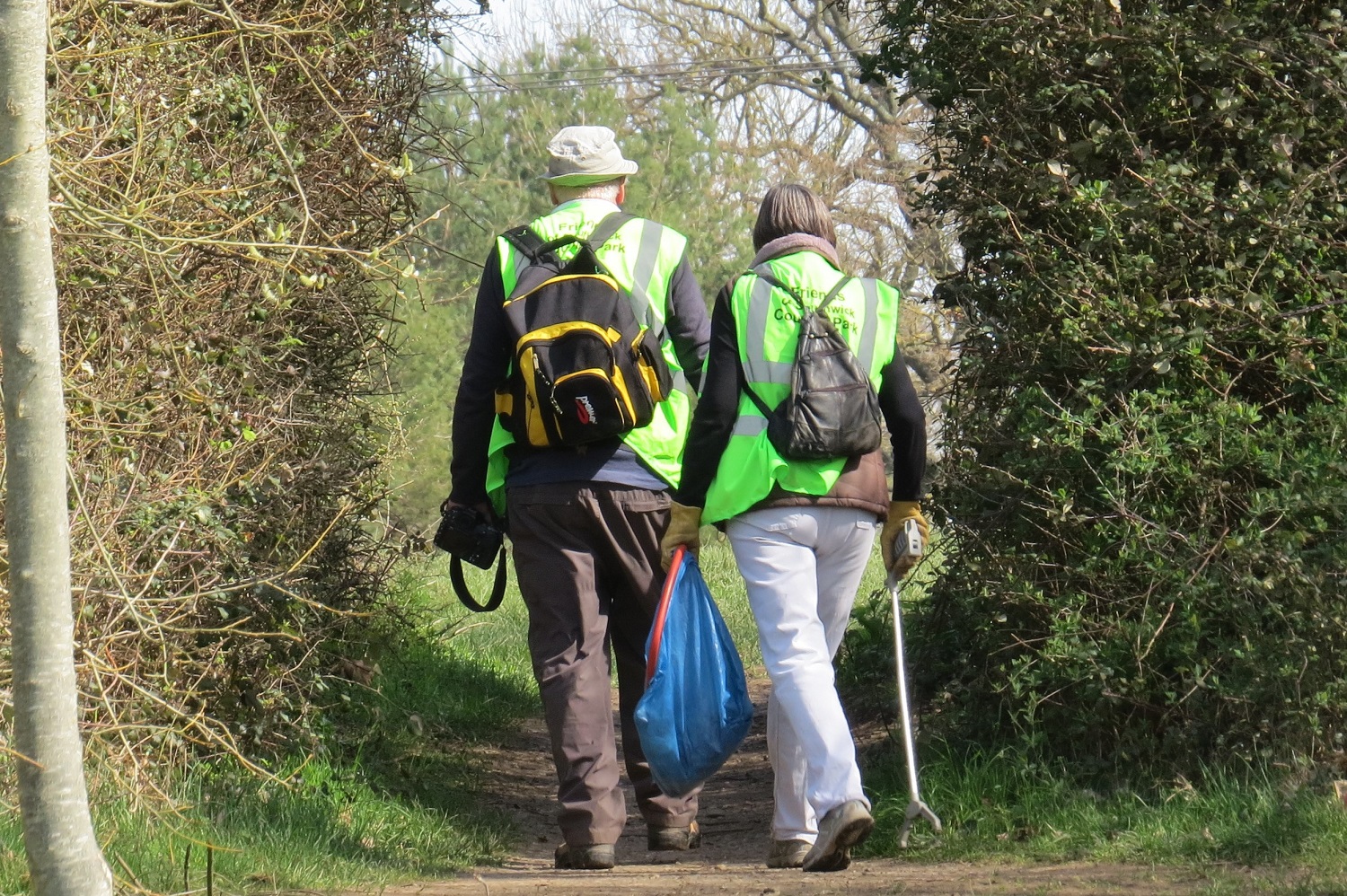


 Southwick Country Park Nature Reserve
I’ve been a member of the BTO for over 50 years and was a garden birdwatcher for many of these. A very rewarding exercise if you have the time, recording bird sightings in your garden! Barbara Johnson.