
…about bluebells
ONE: the scientific binomial for our native bluebell is Hyacinthoides non-scripta.
TWO: beware! All parts of the bluebell plant are poisonous: the flowers, leaves and bulbs, if eaten, can cause serious, possibly fatal, stomach upset. Therefore, over the centuries, they have been little used in traditional medicine except as a diuretic to increase urination, as a styptic to stop bleeding, and to cure snakebite.
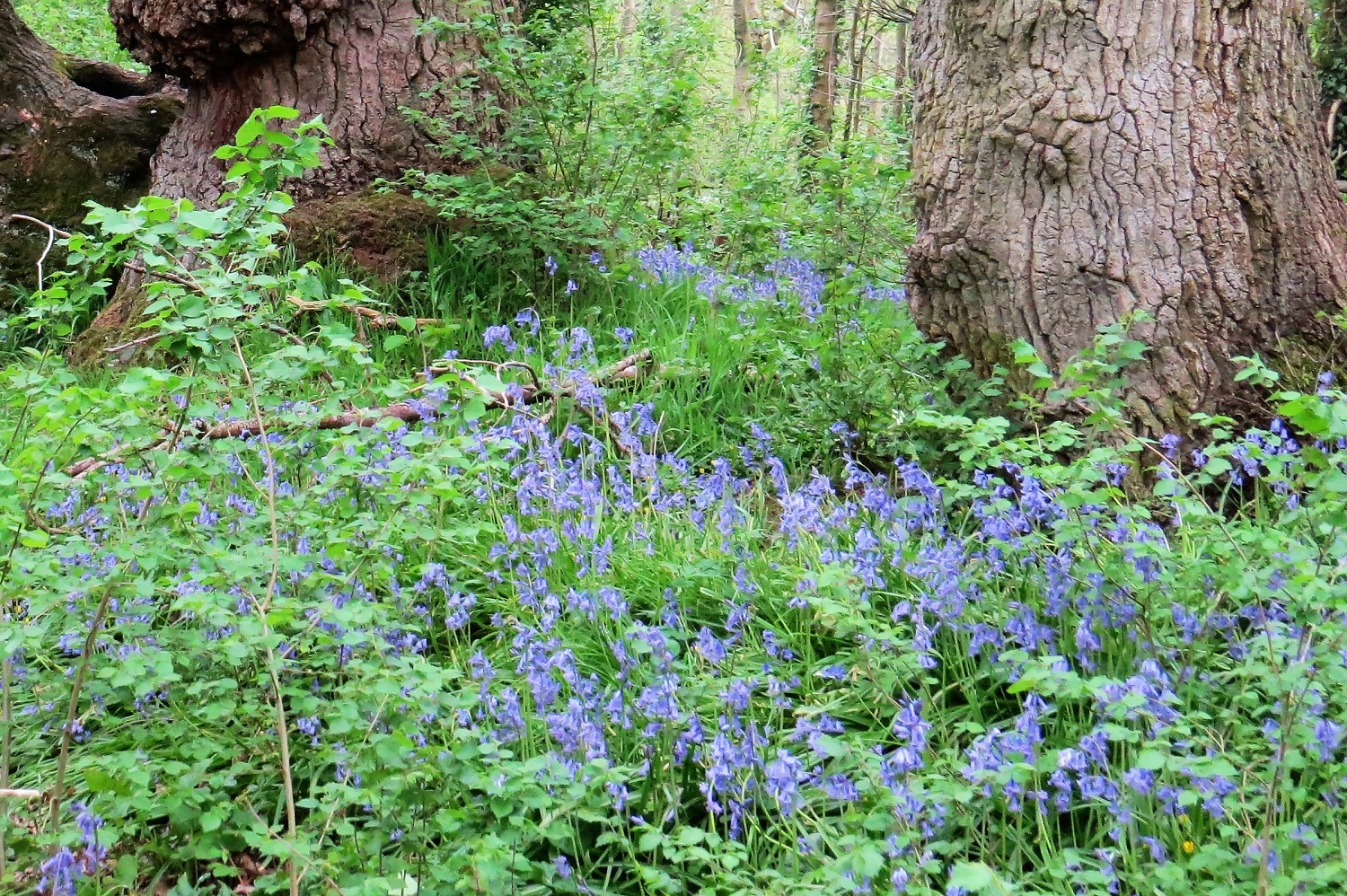
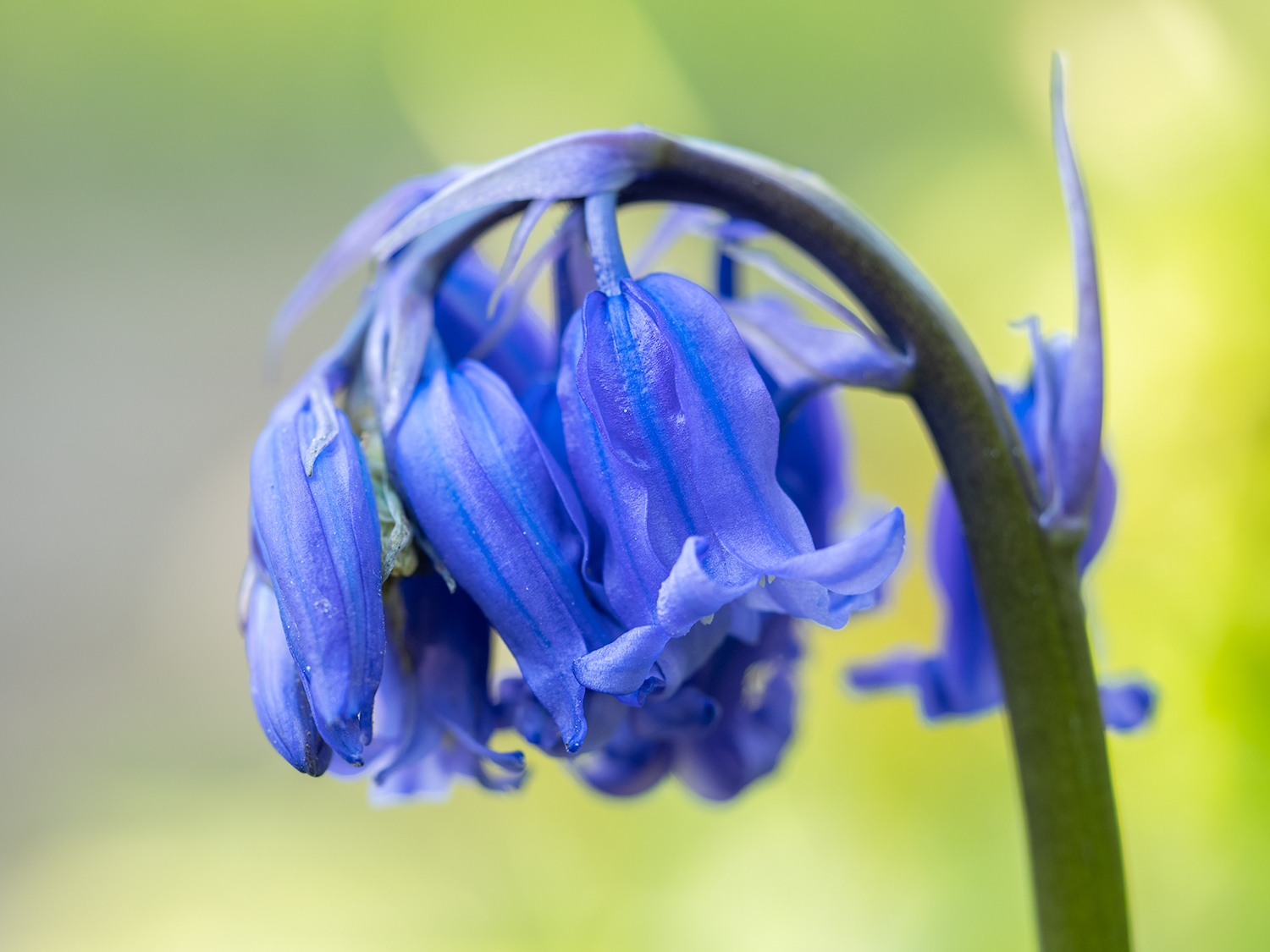
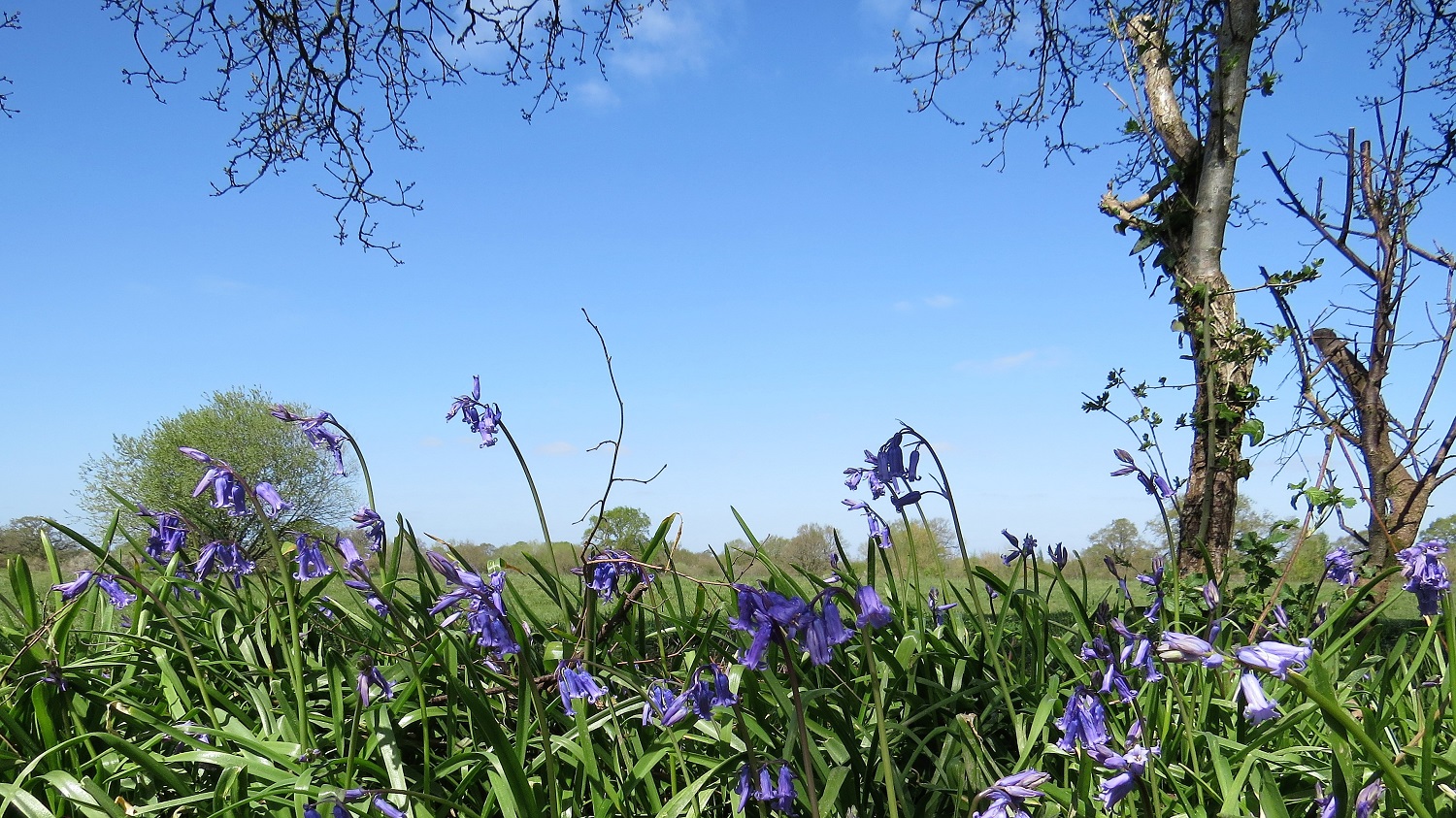
THREE: our native bluebells are an ancient woodland indicator species.
FOUR: they are protected by the 1981 Wildlife and Countryside Act. Intentionally picking, uprooting or destroying bluebells can result in imprisonment or a fine of up to £5,000.
FIVE: in the past, bluebell sap, very sticky, mucilaginous and insect-repellent, was used as a glue by bookbinders…
SIX: …and in the late Tudor period, bluebell bulbs were crushed to make starch for the enormous and complicated lace ruffs that were so fashionable then.



SEVEN: here in the UK, while we have almost half of the world’s population of bluebells, they are under threat from the invasive alien, Spanish squill (Hyacinthoides hispanica), which was introduced into British gardens in the 18th century and which escaped into the wild sometime during the 20th century.
EIGHT: it used to be believed that if you wore a garland of bluebells you would be compelled to speak the truth!
NINE: a bluebell colony is not an easy thing to establish: from seed to flower can take up to seven years and it will need centuries more to carpet a copse. Its annual growth period is short, just the few early spring weeks before the woodland canopy blocks the sunlight. Footfall damage to the leaves during the growing period can be disastrous: crushed leaves cannot photosynthesise the sugars a bluebell plant needs to maintain its bulb for next year’s growth. If the damage is continuous, the colony will fail. So please stick to the the footpaths when you are walking in the reserve’s bluebell copses and keep your dog leashed.
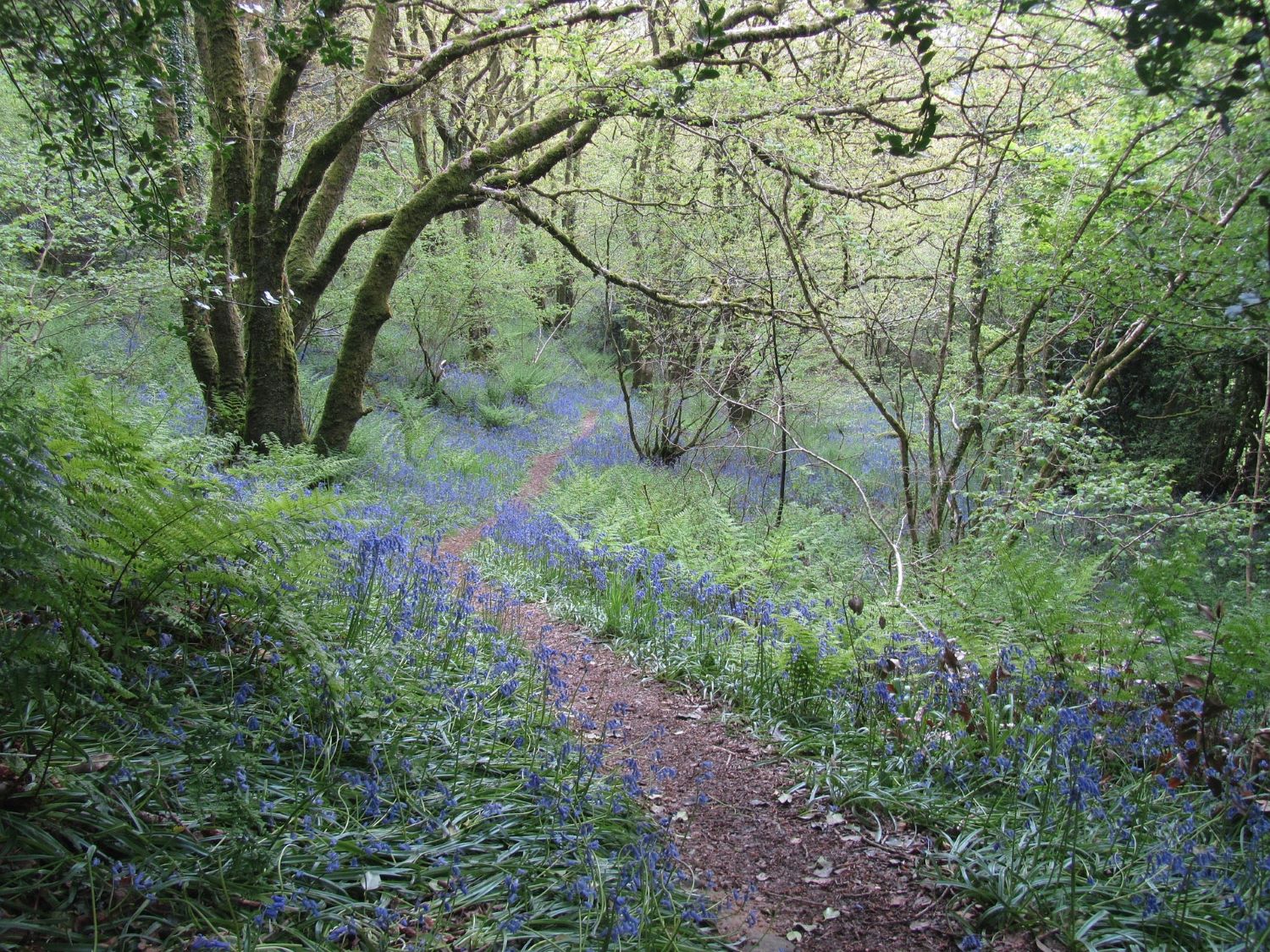
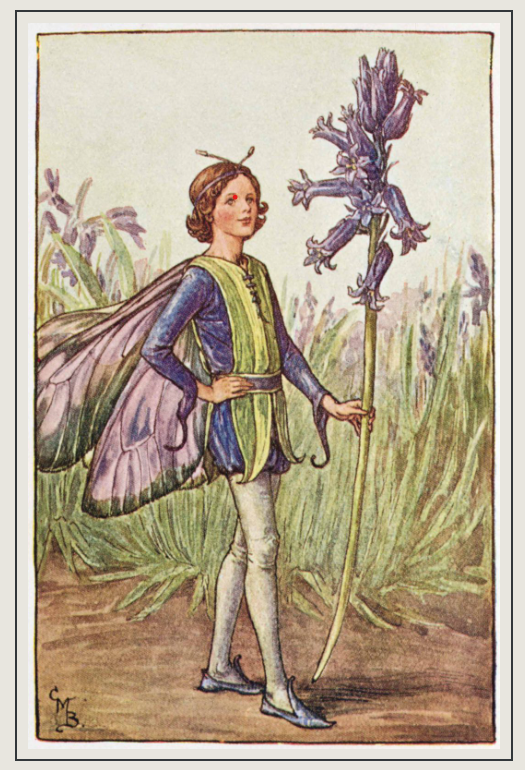
TEN: bluebells were said to ring to tell fairies when to come to a gathering – and if you could hear them too, you were in real trouble.
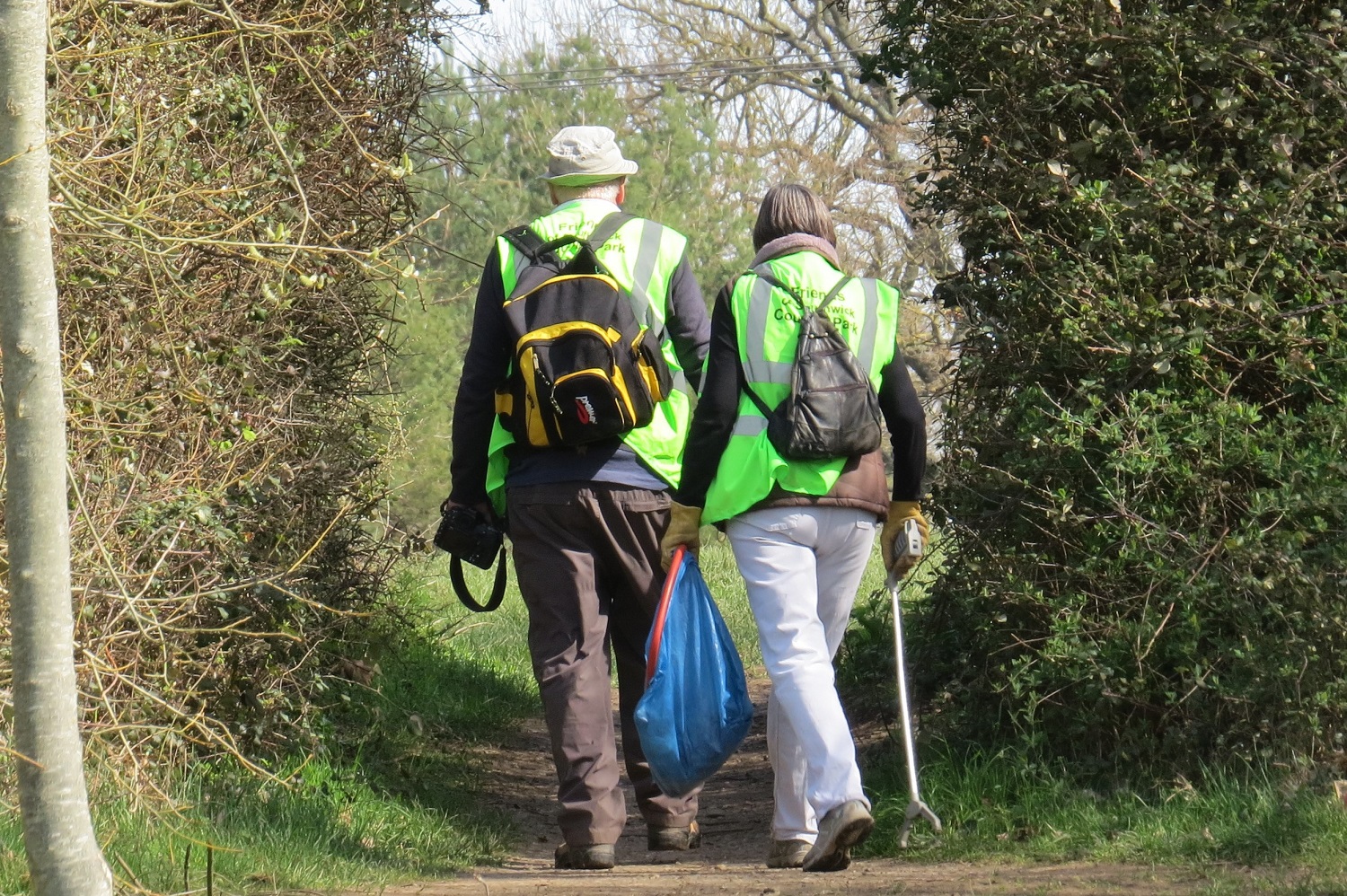


 Southwick Country Park Nature Reserve
I have many ‘bluebells’ but unfortunately the previous owners many years ago, planted mainly Spanish Squill – still very pretty though!
We spend hours, every year, trying to weed Spanish squill out of our copses. Ian has been particularly vigilant and, largely due to his efforts, almost all our bluebells are native.
I read that as weeding Spanish squill out of corpses.
For a long time the WordPress dictionary didn’t seem to know the word copse and often told me I meant corpse.
Bluebell wreaths for all parliamentarians! How’s that for a slogan.
I started a petition to get the Spanish Bluebell banned in the UK. It’s already banned in Ireland. Please see my post, sign the petition and share it.
https://the-retro-way.blogspot.com/2024/03/invasive-spanish-bluebells.html