
Herb-robert (Geranium robertianum) is one of our most common wildflowers, growing anywhere it can find a damp footing and a little shade. Nobody seems to know who Robert was, though – but there are theories.
One such theory, a very ancient one, links herb-robert to Robin Goodfellow, more generally known as Puck, a mischievous goblin from English folklore, immortalised by Shakespeare in A Midsummer Night’s Dream. Another theory names the plant after an 11th century French saint, Abbot Robert of Molerne, who was the founder of the Cistercian Order, where the plant was used medicinally. Its centuries-old use in traditional medicine certainly does account for the ‘herb’ part of its name, if not the ‘robert’.

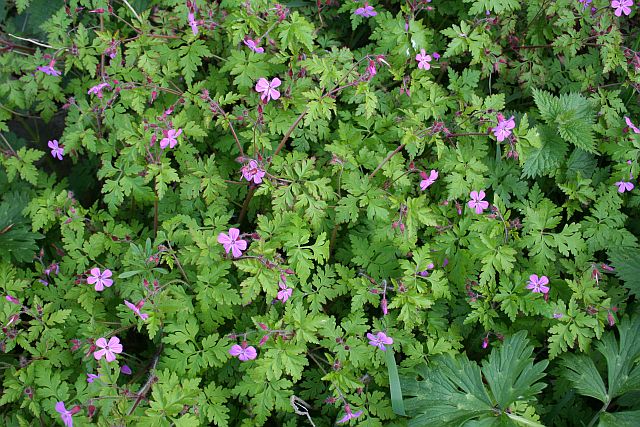
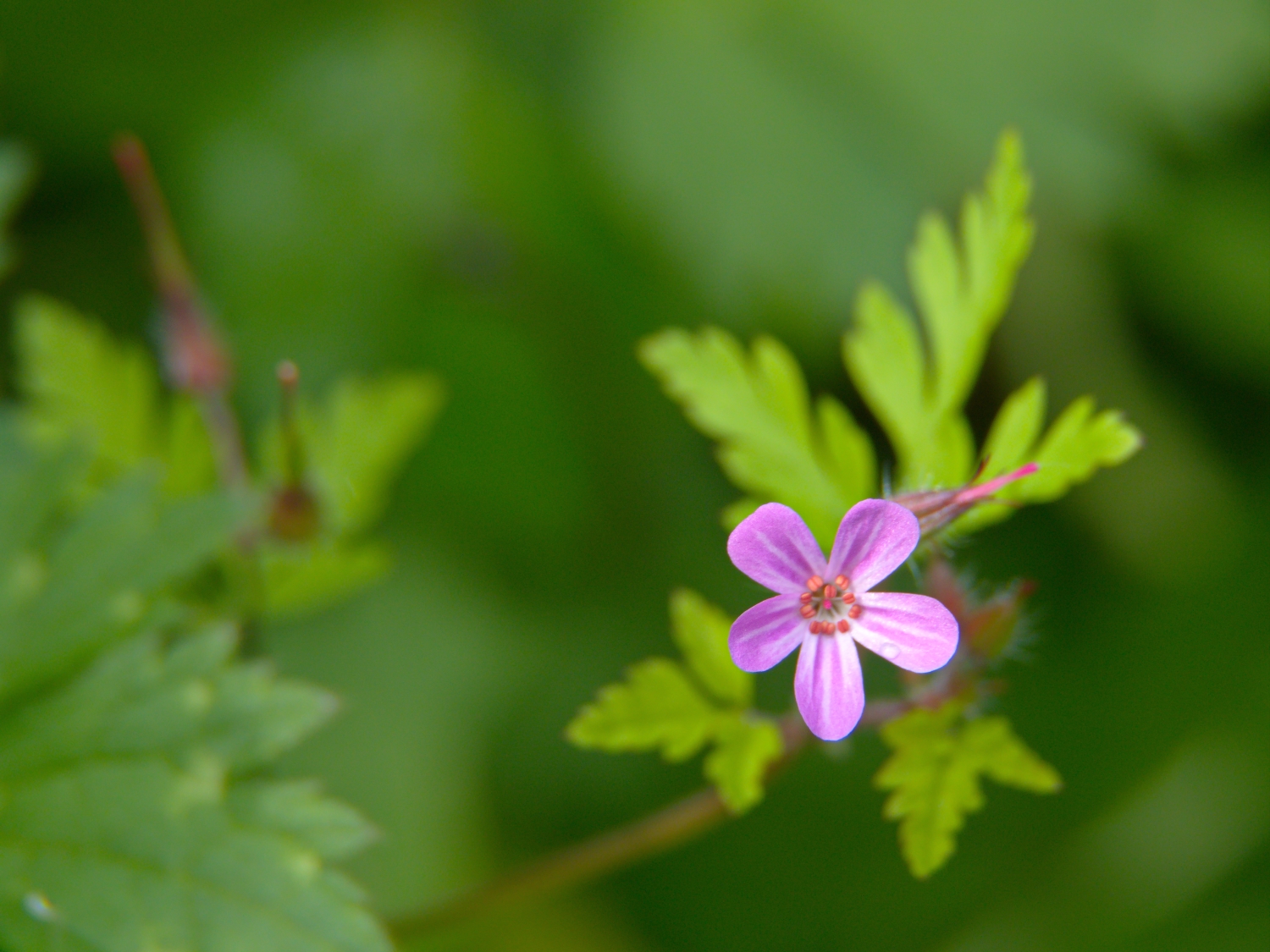
The son of William the Conqueror, Robert Curthose, Duke of Normandy, who was apparently successfully treated for an unspecified ailment with the herb, has been suggested as another possible eponym.
But no matter who Robert was, Geranium robertianum has some very entertaining common names: red robin, death come quickly, fox geranium, stinking Bob, storksbill, squinter-pip and crow’s foot.

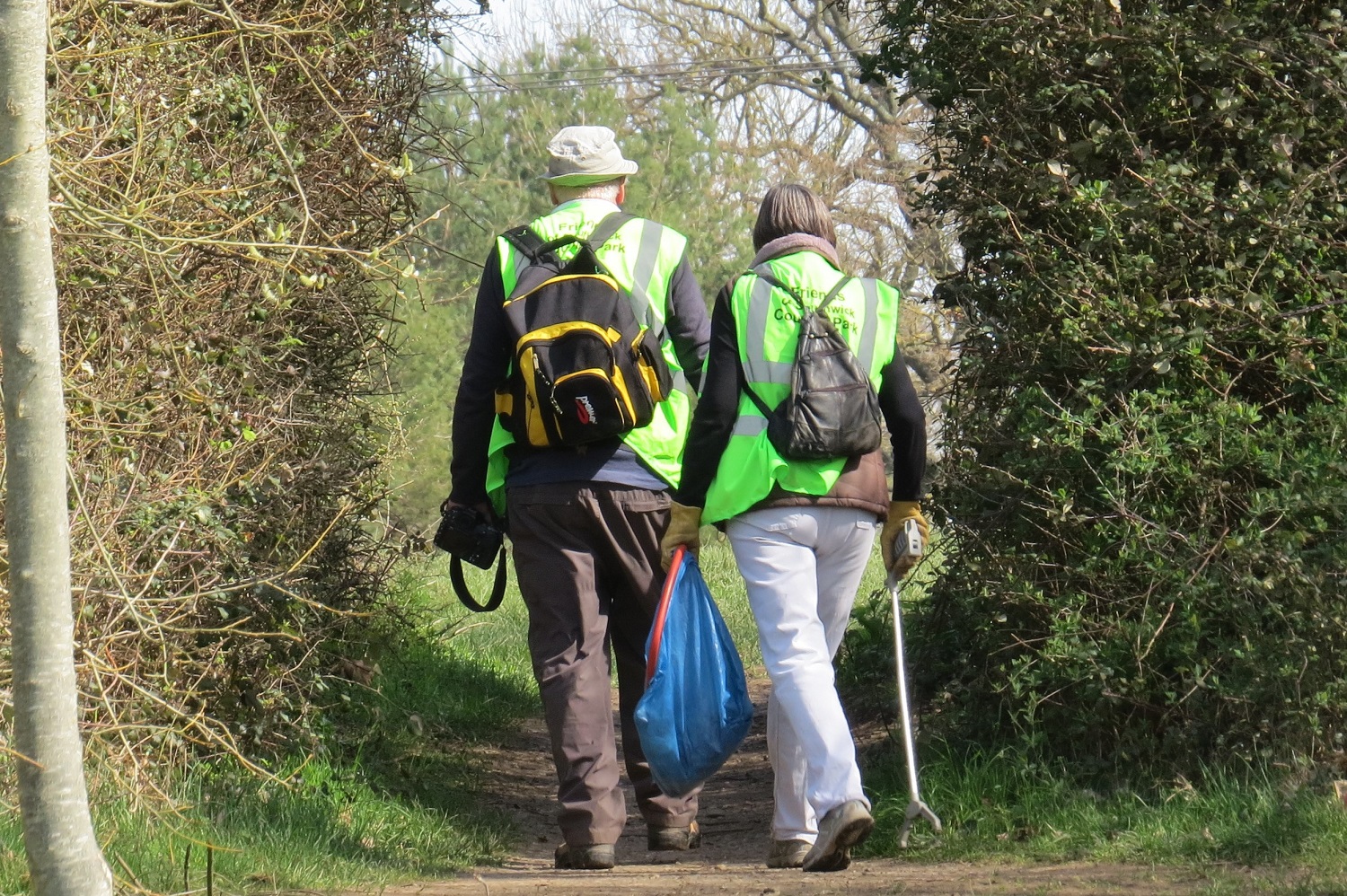


 Southwick Country Park Nature Reserve
The theories are interesting, as well as its other names.
Local names for our wildflowers can be wonderfully descriptive – if not downright vulgar.
Who comes up with them?! Pretty creative and silly too.
Is iit poisonous? We have plenty in the garden but at least it’s easy to pull up!
“Herb Robert is not poisonous and has no toxic effects to people or wildlife. In fact it’s actually edible – both the leaves and flowers can be used fresh and dried in salads and teas. Rubbing fresh leaves on the skin is thought to repel mosquitoes,” Gardeners’ World.
I wondered as one of it’s old names was ‘death come quickly’. BBarbara Johnson
I hadn’t thought about that. Puck was originally a hobgoblin before Shakespeare cleaned up his image and hobgoblins were domestic spirits considered to be occasional bringers of disease and death if you didn’t keep them sweet. Perhaps that is the association.
Squinter-pip is my favourite.