Daffs at Dawn by DKG
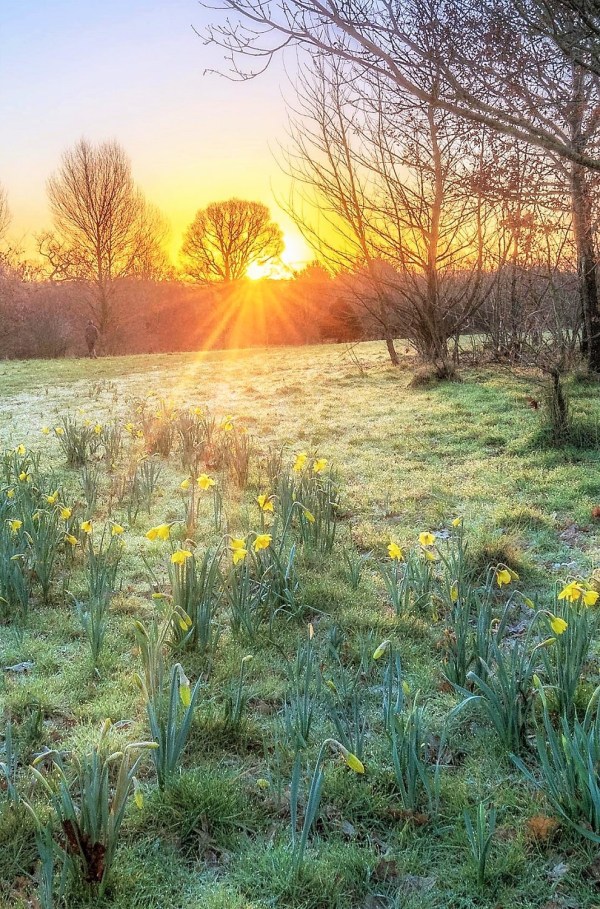
Daffs at Dawn by DKG

Celandine shine
Have you ever tried to photograph lesser celandine or buttercup flowers on a sunny day? The petals are so shiny, like little cups of mirrors, that the reflected sunlight flares and obscures the details of the flower; if you are trying to photograph a celandine in close up, you have to do it in the shade.
Continue reading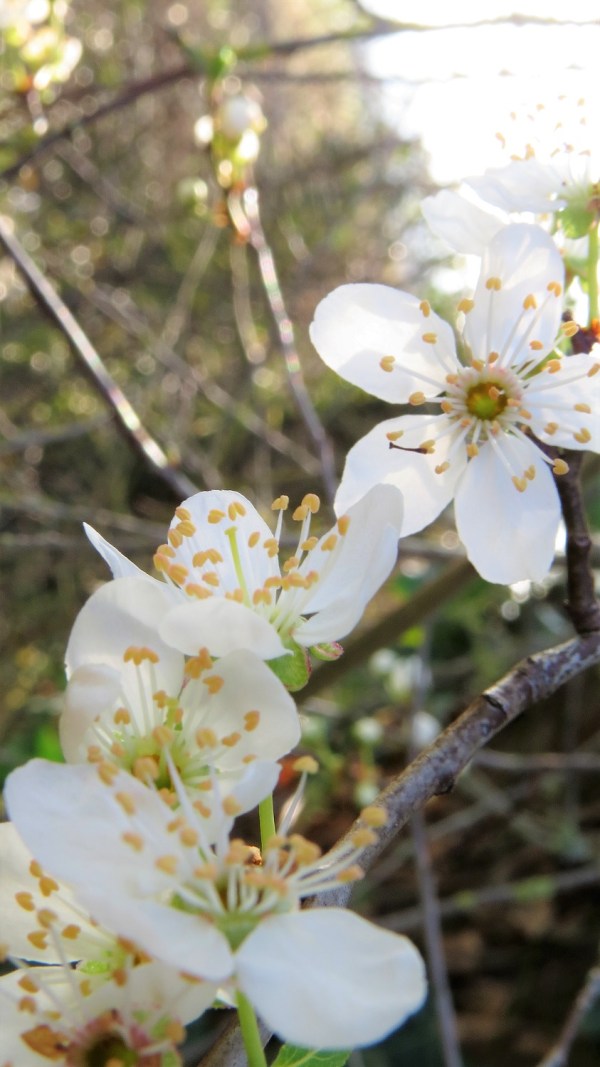
Spring is on the way


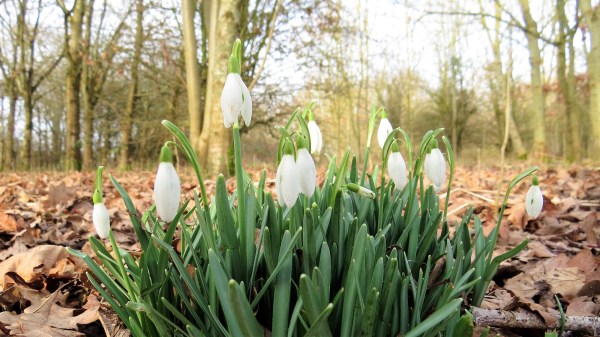
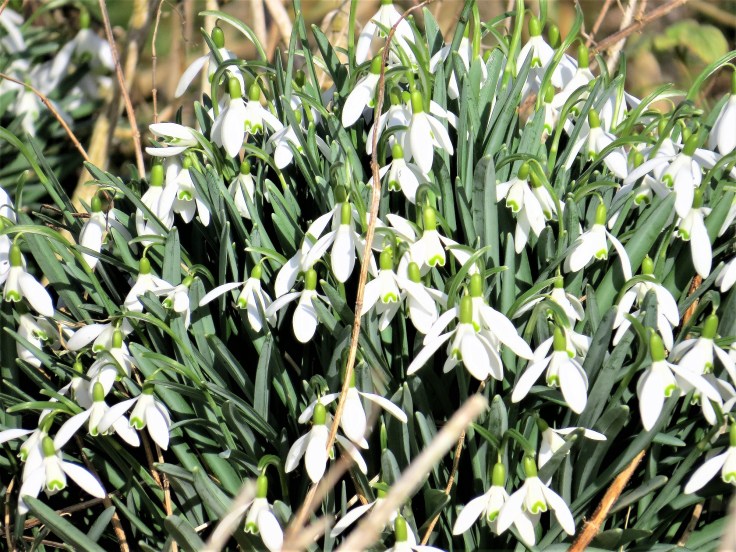
It’s a good year for the park’s snowdrops; lots of flowers in the woods.


Photographs by DKG and Suzanne Humphries
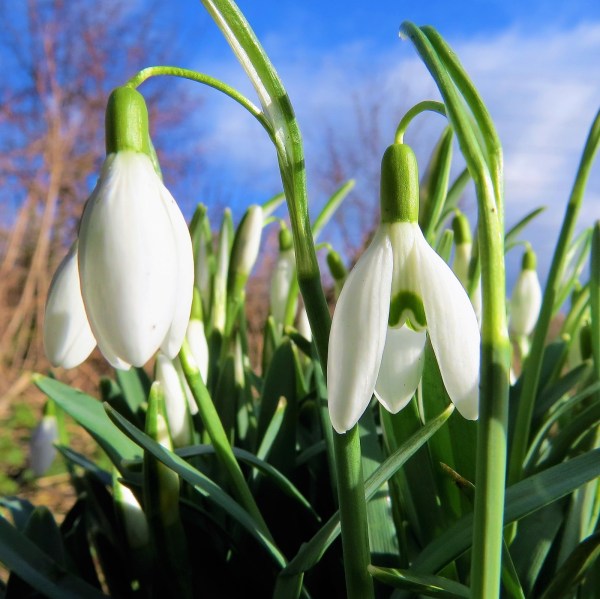
Did you know that snowdrops (Galanthus nivalis) are not native to the British Isles? They haven’t even been here a long time. They were brought from the continent in the 16th Century and introduced into Elizabethan gardens.
The first printed reference to snowdrops in Britain can be found in Gerarde’s Great Herbal, published in 1597, and they were not recorded in the wild until 1778, in Worcestershire and Gloucestershire.

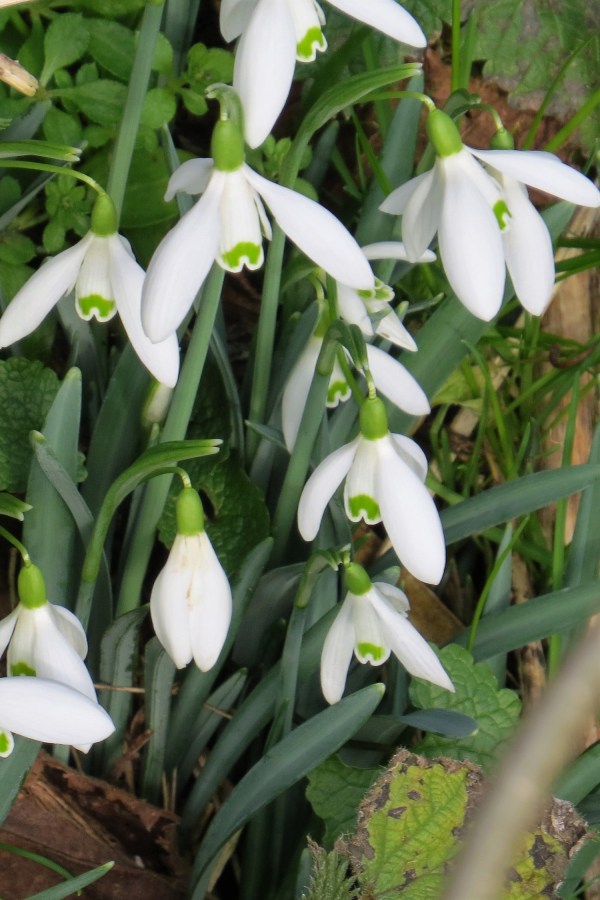

Ian Bushell has sent us a picture of the first snowdrops, taken today on the wooded side of the path along the edge of Lambrok Meadow. Lovely!

More about our oaks.
Continue reading “Oak gall ink”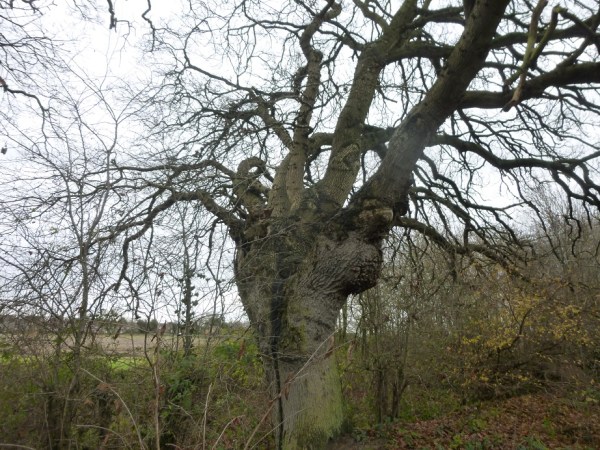
By Ian Bushell.
Southwick Country Park has a number of veteran oaks and one identified ancient oak, but what is a veteran or ancient oak? There are no hard and fast rules; in different environments and soils oaks grow at different rates. Here the underlying Oxford clay provides an excellent medium and the trees are large. One criterion for assessing veteran trees is those with a girth of 3.2 m are considered of potential interest, and those with a girth of 4.7 m as being valuable in terms of conservation.
Continue reading “The Park’s Old Oaks”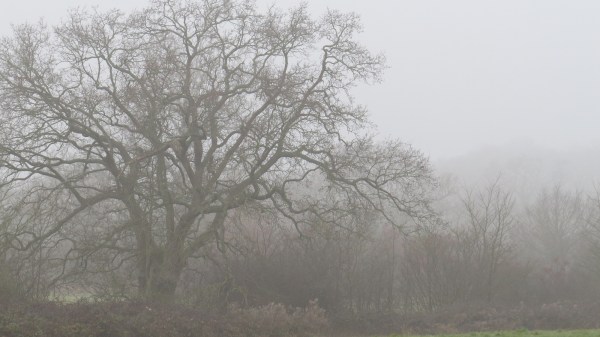
Oak tree number 5521 through the mist on Friday morning.
We are posting the first part of our comment on RPS’s Preliminary Ecological Appraisal (PEA) of the Church Lane Site for two reasons: firstly the PEA seems particularly ill-informed about the park, the Lambrok and dismissive of their ecological importance; secondly, so that anybody who might like to comment before the public consultation ends on Dec 21st can use any of our data.
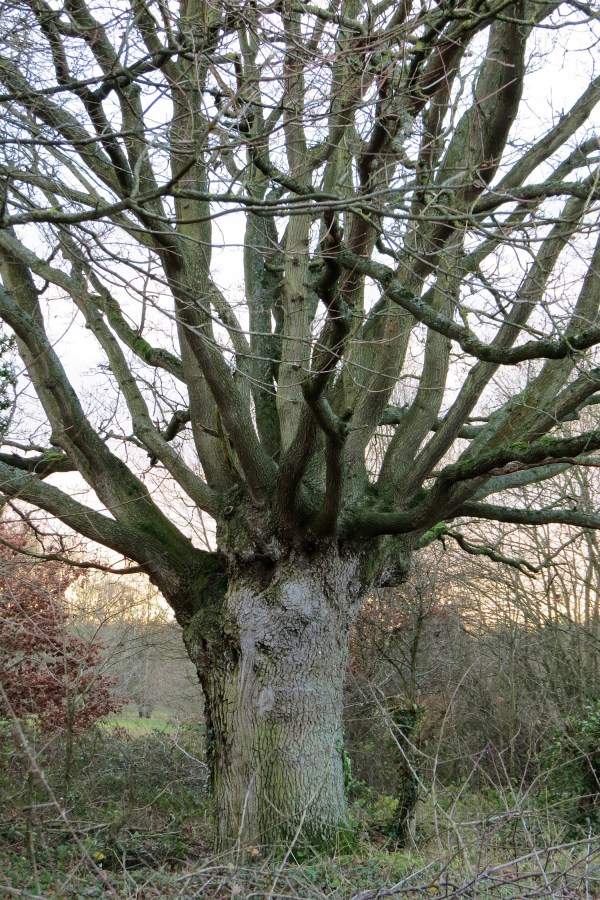
This is tree number 5552: an old pollarded oak standing in the eastern-most corner of Sleeper Field.
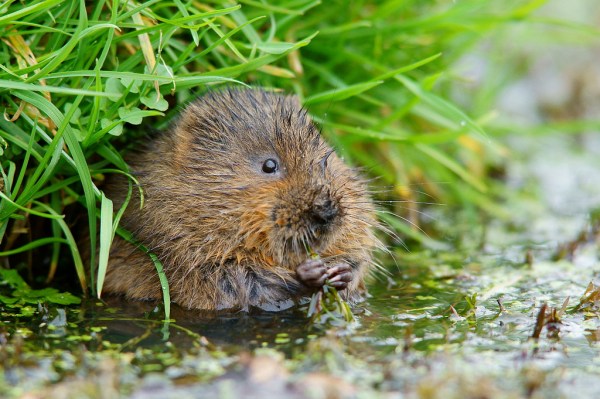
In May of 2017, water voles (Arvicola amphibius) were identified by Wiltshire’s Countryside Team as resident in Lambrok Stream. Water voles are fully protected under the Wildlife and Countryside Act 1981. They are protected against:
. . .intentional killing, capture or injury and intentional or reckless disturbance, obstruction, damage or destruction of their burrows.
Continue reading “Protecting the Lambrok”
We need to take carbon out of our atmosphere and hide it where it can’t contribute, as carbon dioxide, to global warming; the process is called carbon capture and sequestration. Above is the power industry’s solution to the problem; on the next page is FoSCP’s solution:
Click here
The Lone Oak is showing its age; it has dead and dying branches and parts of the trunk are being hollowed out by fungus. We have decided that it should be allowed to get on with being several hundred years old, providing habitat for a whole new spectrum of species; we are not going to interfere. Instead, we have fenced around the tree to keep our park users safe.
The alternative would be to chop bits of it off, in order to protect the picnicking public from falling branches. This summer it became quite the thing to picnic under the Lone Oak, a tribute to its elder status.
The tree will live a long time yet; the fence will mellow, warp, acquire its own little ecology, rot away and be replaced long before the tree is done. An ageing oak tree is a wonderful resource of nesting holes, rotting wood for beetle larvae and a hundred species of fungi, a prop for climbing plants, a garden of mosses and ferns.
With luck, the Lone Oak will stand in Cornfield for centuries to come.
.o.

Pictures by DKG

There are three kinds of pigment in a usually green leaf: carotenes which are yellow, red and pink anthocyanins, and chlorophyll, which is the green that masks the other colours until autumn.
Read on:

The park’s ivy flowers between September and November; each plant’s flowering season is quite short but a succession of plants flowers all through the autumn. The flowers are small, green and yellow, and so insignificant-looking that many people don’t realise that that they are flowers at all.

A message from Ian:
May be of interest to you: Jerusalem Artichoke, Helianthus tuberosus, identified by Lindsay Moore [County Recorder Flora]. Ali and I found it along the stream near the bridge at the bottom of the Blackthorn Tunnel. I’ve added it to the Census. Unusual, probably from some bird dropping seed.
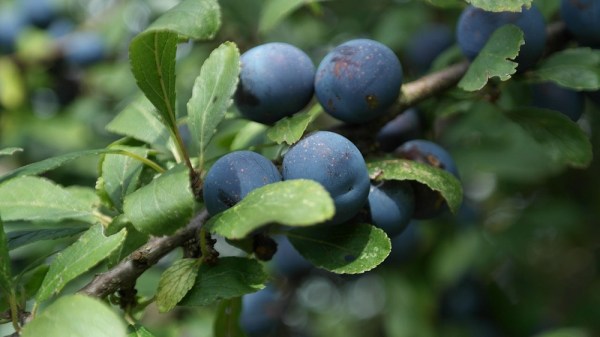
Seed dispersal is an annual problem for a lot of trees and shrubs. If seeds just fell down and germinated under the parent tree, they would compete with the parent for nutrition, water and eventually light. Trees need a way to send their seeds away to a new environment where their germination will not pose a threat. Read on:
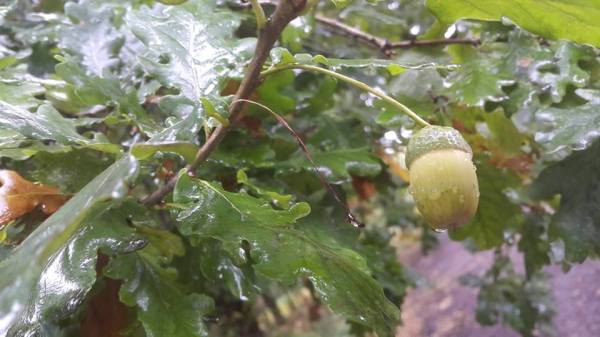
Elena Aschiopoaiei sent us this beautiful picture of an acorn in the rain.

Oak trees produce thousands of acorns every year. Somebody has worked out that an oak tree can produce ten million acorns over its lifetime. In a good year, they carpet the ground under the tree.

The summer is over, the nights are drawing in and DKG has sent pictures of sycamore seeds among red leaves.
Click on any picture to enlarge it.


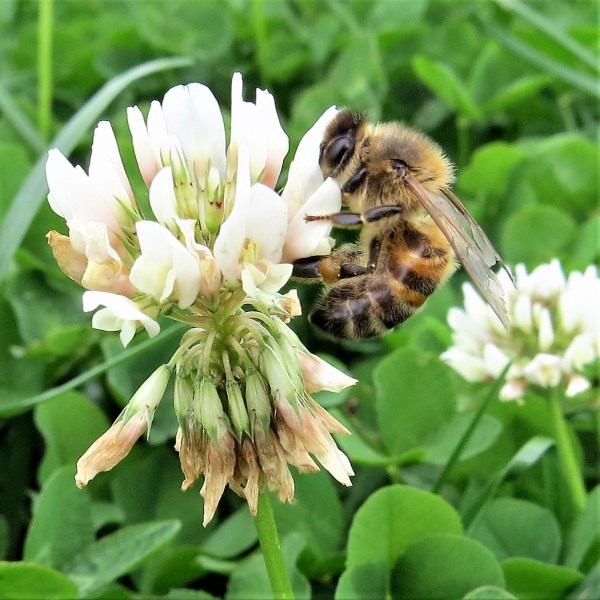
Unlike common wasps, honey bees (Apis mellifera) don’t die at the end of the summer. The hive stores enough food for the queen and the workers to survive through the winter.
.o.


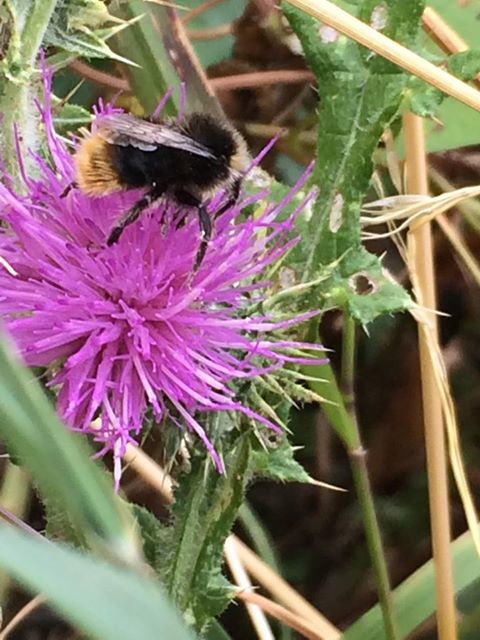
Twelve year old photographer, Neave Duggan, has sent us pictures taken in the park of a male red tailed bumblebee (Bombus lapidarius) feeding on creeping thistle flowers.
.o.


.o.



 Southwick Country Park Nature Reserve