We have a resident moorhen on one of the reserve’s lesser-known ponds.
Continue reading “Moorhen”Moorhen

We have a resident moorhen on one of the reserve’s lesser-known ponds.
Continue reading “Moorhen”




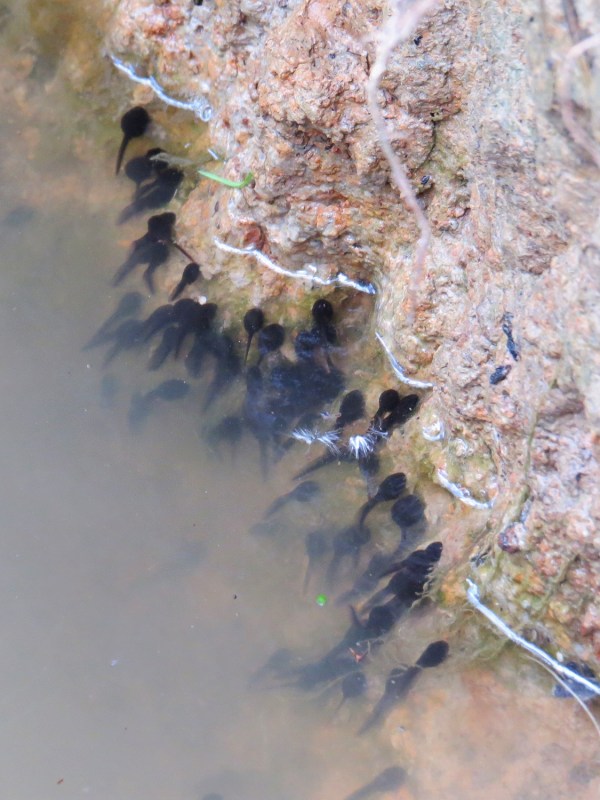
Every year, we find common frog tadpoles (Rana temporaria) in the little pond under the Decorated Bridge.
Continue reading “Tadpoles”
Occasionally, while we are clearing the undergrowth in the reserve’s copses, we find the secret places, among the ivy and blackthorn, where somebody has hidden their plastic bags full of dog poop.
Continue reading
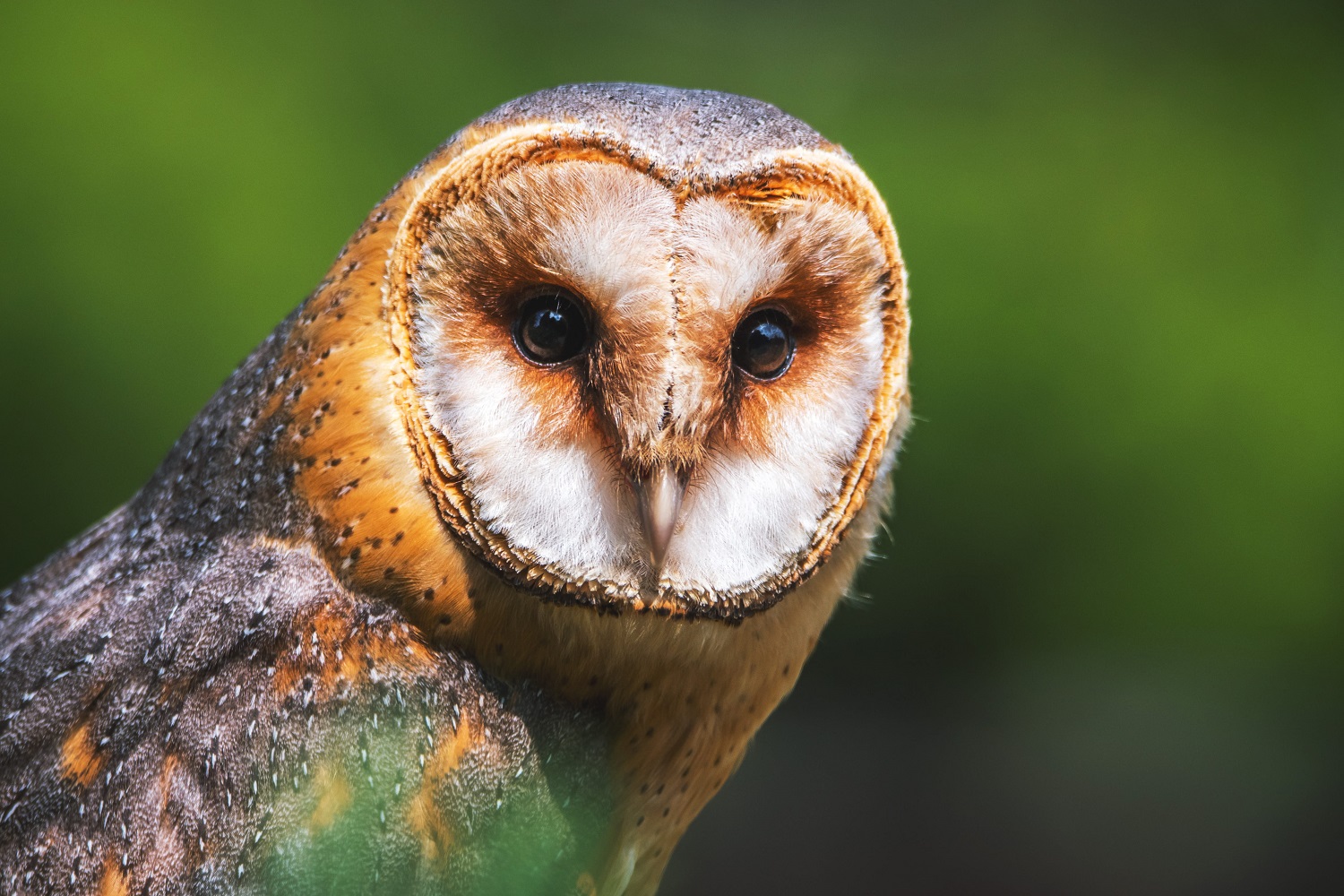
Most years, in March, the reserve is visited by a pair of barn owls. As barn owls mate for life, this is probably the same pair each year looking for a nest site. They always set up a temporary roost in one of the oak trees in the hedge in the centre of the field between Church Lane and Lambrok Meadow and hunt across our fields in the early dawn.
Have any of you up-with-the-lark early morning dog walkers seen them this year? Please let us know if you have.


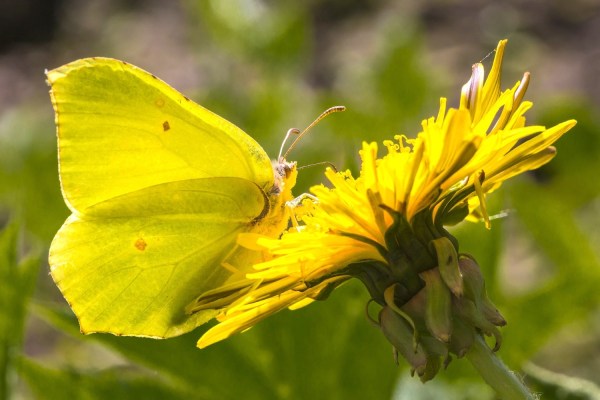
According to the National Trust, gardens in the south and west of England are coming into flower up to four weeks ahead of schedule. The warm weather and such an early source of nectar will bring our butterflies out of hibernation; one of the earliest reported in the reserve, nearly every year, is the brimstone.
Continue reading “Brimstone”
We have received notice from Wiltshire Council that their Strategic Planning Committee will meet at 10.30am on Wednesday March 6th, at County Hall in Trowbridge to discuss, among other things, Newland Homes’ application (20/09659/FUL) for Full Planning Permission to build fifty houses, an access road and associated landscaping at WHSAP site H2.5 at Upper Studley.
Continue reading “Strategic Planning”
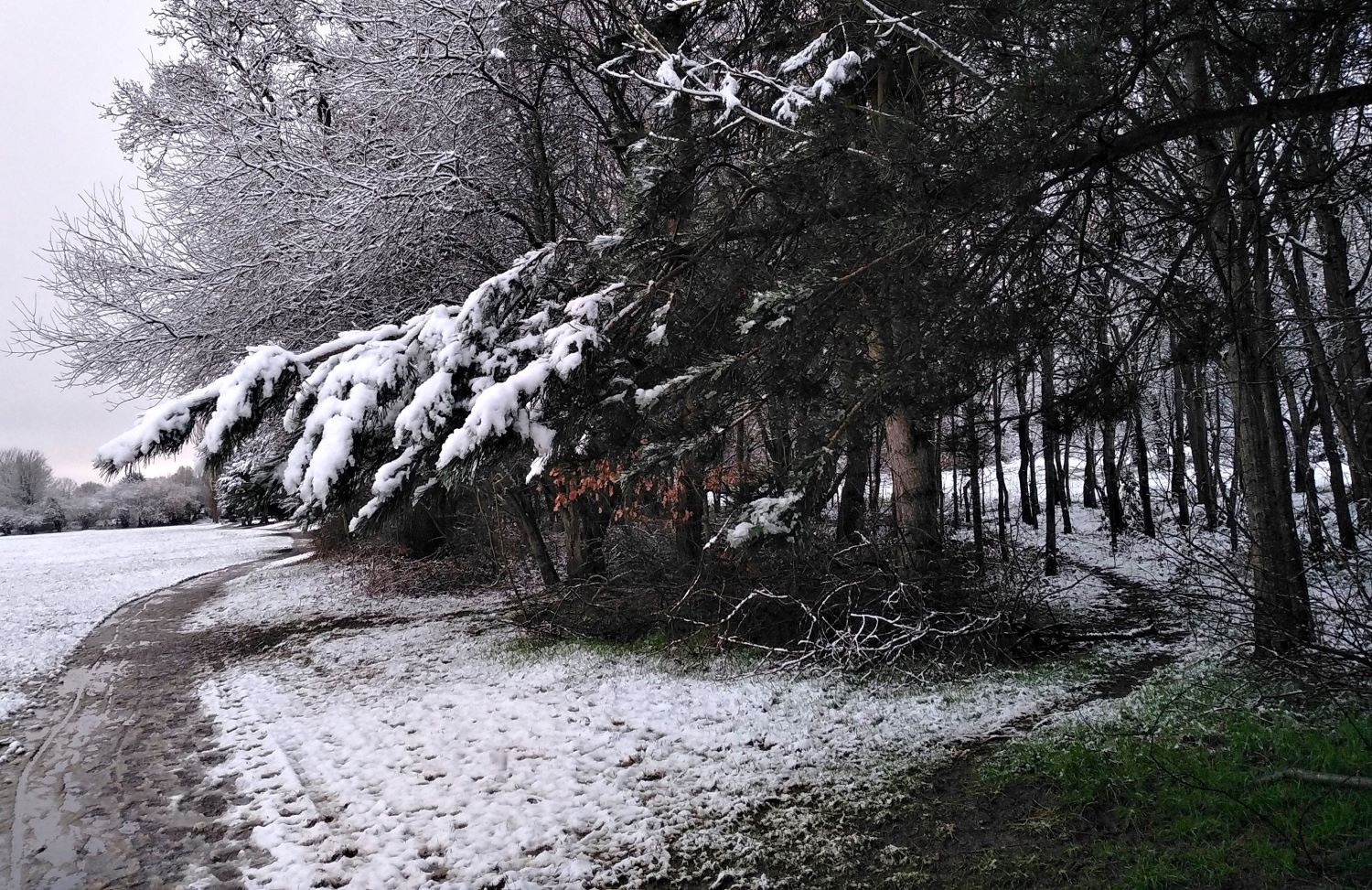
After the warmest February on record, March begins with snow!



Here’s another of our early bloomers: Pulmonaria officinalis, lungwort. It grows in the eastern corner of the copse at the bottom of Kestrel Field, near the Blackthorn Tunnel. Its bright pink and blue flowers, and spotted leaves are unmistakeable.
Read on: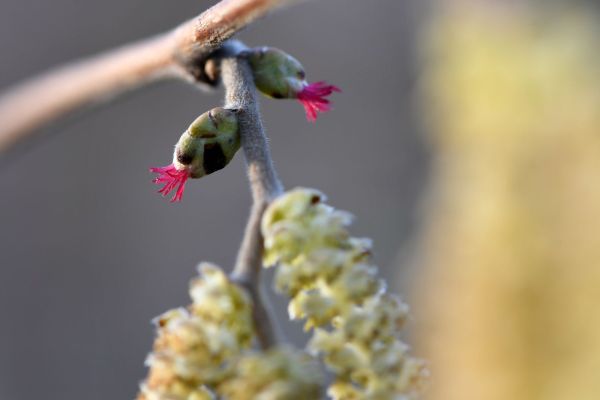
Hazel has both male and female flowers. The familiar yellow catkins are made up of about 250 male flowers. They produce the pollen; if you tap a ripe hazel catkin it will release a cloud of pollen. The female flower is a minutely small red tassel, somewhere on the same twig as the catkins.
Continue reading “Hazel’s female flowers”

A host of golden daffodils….
After their short, golden flowering period, the above-ground parts of our daffodils will die back and they will spend the rest of the year hidden underground as bulbs. The bulbs are adapted stems and leaves in which the plants store their food to fuel next year’s spring growth.
Continue reading
The British Trust for Ornithology has been collecting information about the UK’s birds since 1932.
Continue reading “BTO”
Great tits can be very loud at this time of year as they search for territory and a mate. They sit high in the trees and shout. It is a distinctive repetitive call like a creaky gate. Listen out for it.
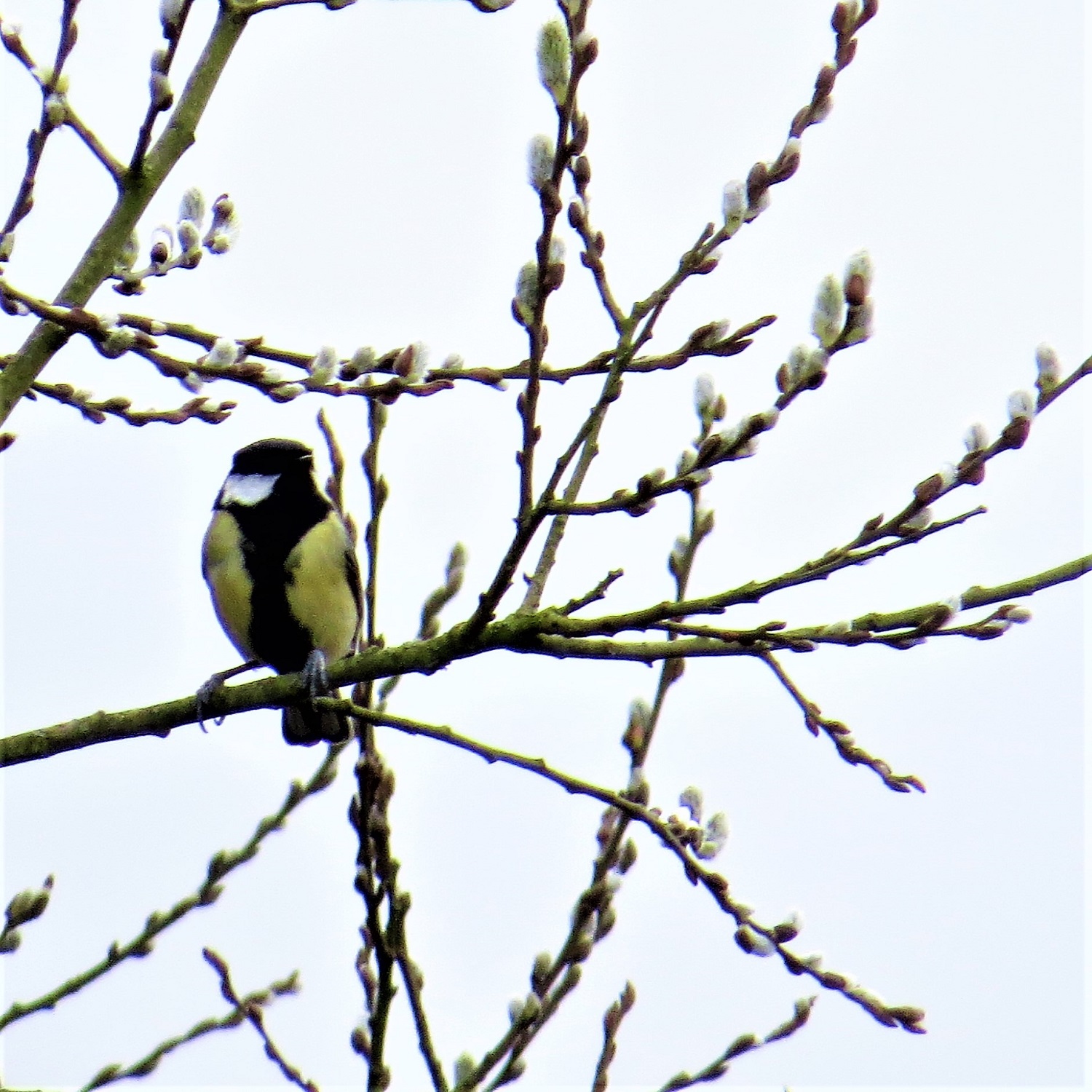
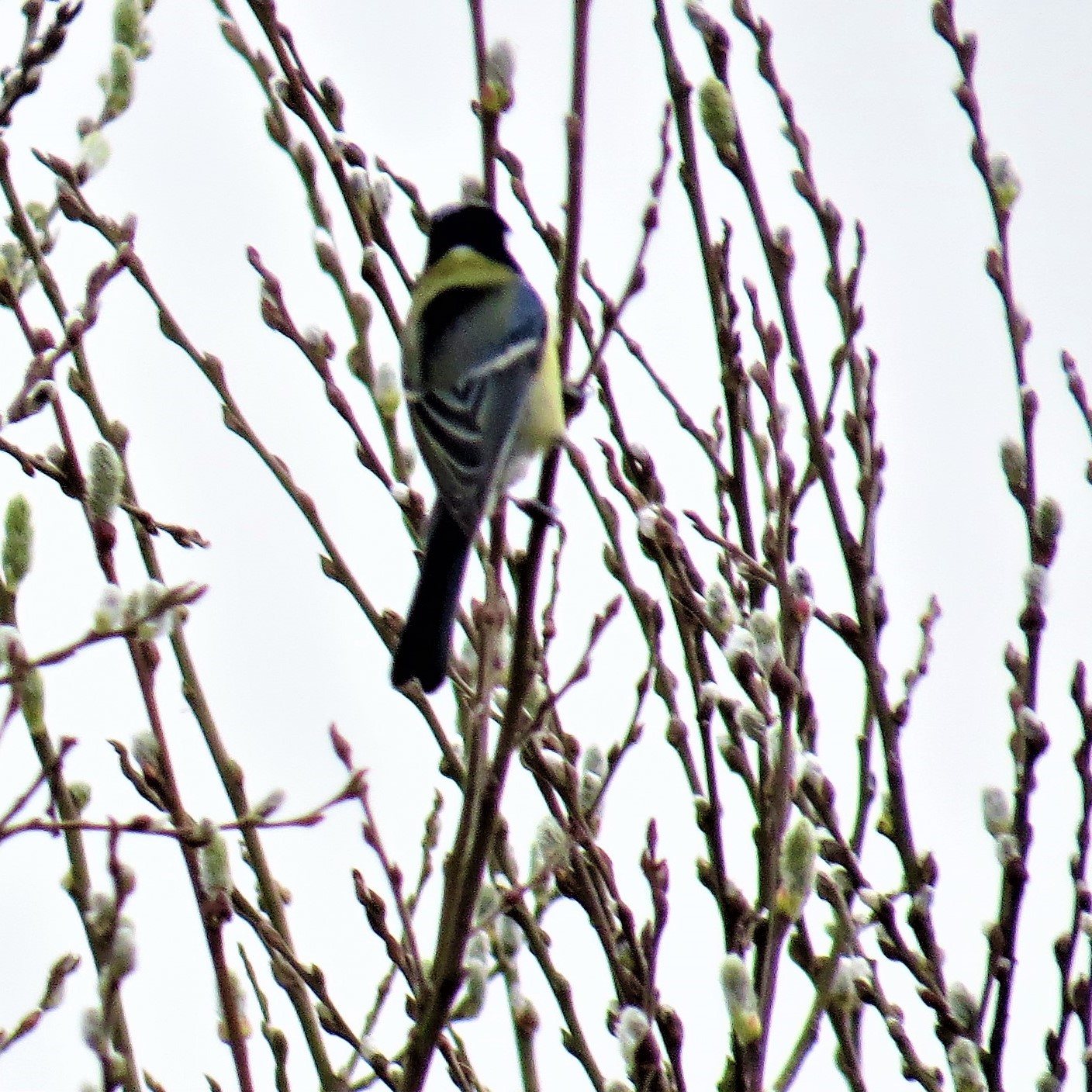

This great tit is in the willows by the decorated bridge, sitting up up among the branches and making a lot of noise


Coot (Fulica atra), small black waterbirds, close relatives of moorhens, visit the reserve in the spring. They have never nested here but we live in hope.
Continue reading “Coot”
The weather was so wet and the water level so high on Wednesday that the work party was cancelled. Nobody can remember the last time we had to do that. Go carefully out there.


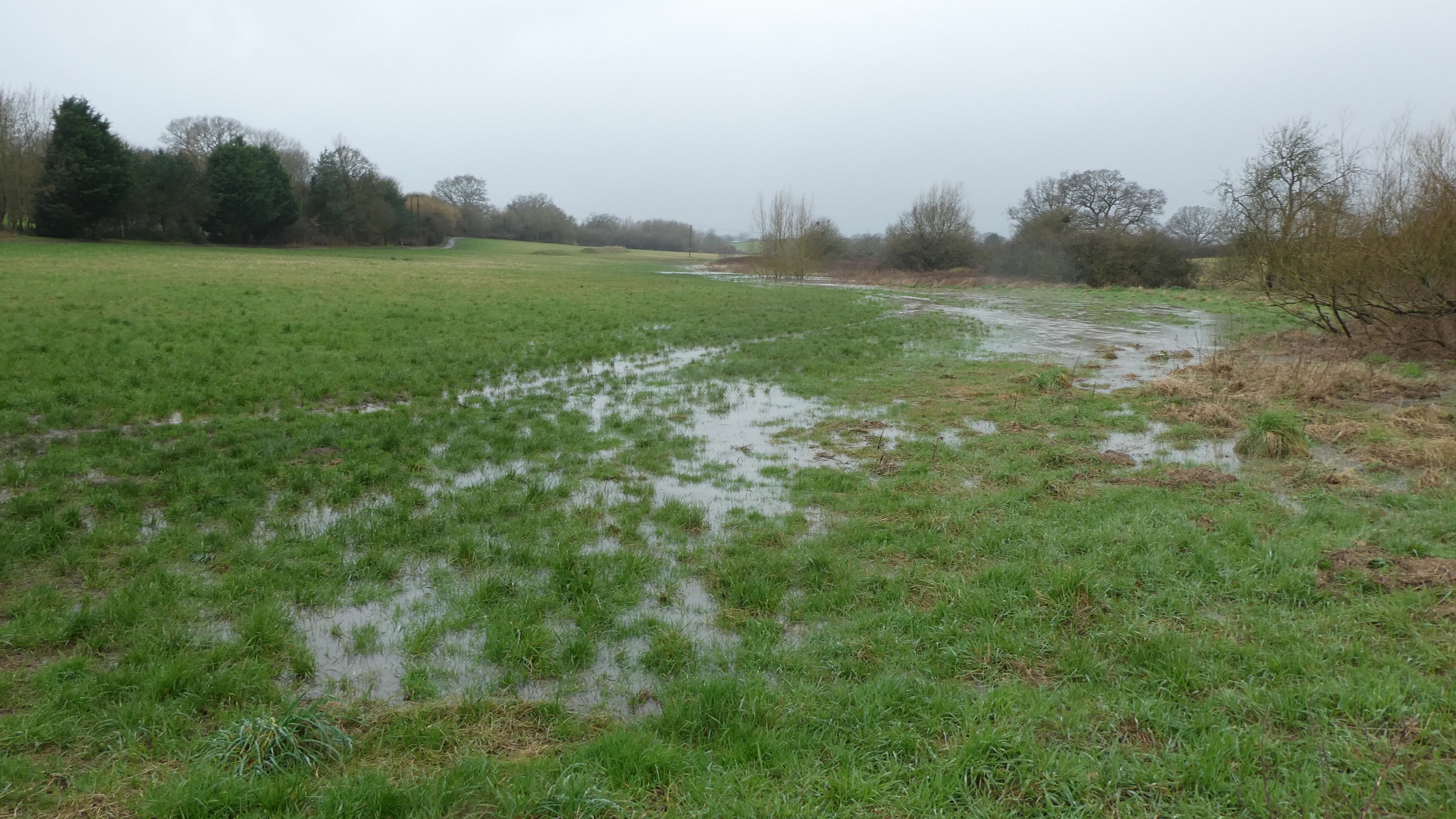

Header image by Peter White, other images as attributed

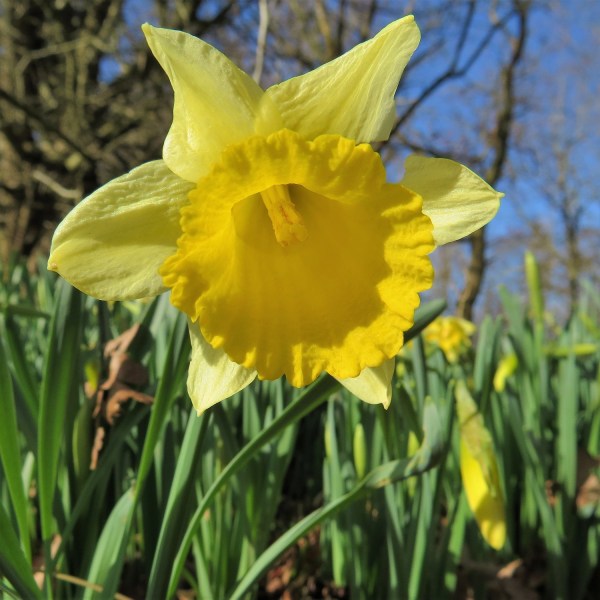
These are not the daffodils we planted in the autumn of 2017; these are a rapidly spreading clump at the bottom of Kestrel Field on the edge of the copse.
Continue reading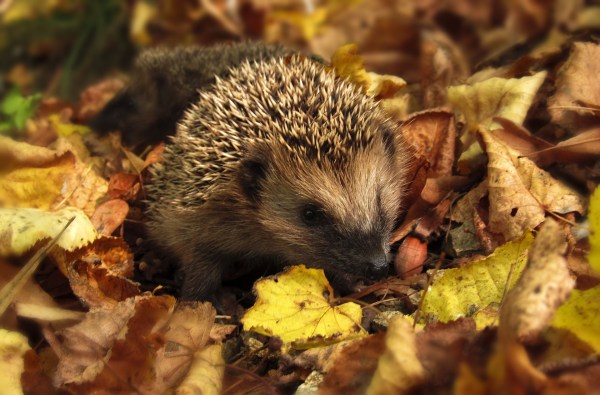
ONE: the BBC’s Gardeners’ World Magazine, which surveys its many readers annually, has just announced that urban hedgehog numbers appear to be rising. Excellent!
Continue reading “Ten Facts…”
Ian and Clive took stock (and pictures) of the weekend’s floods.
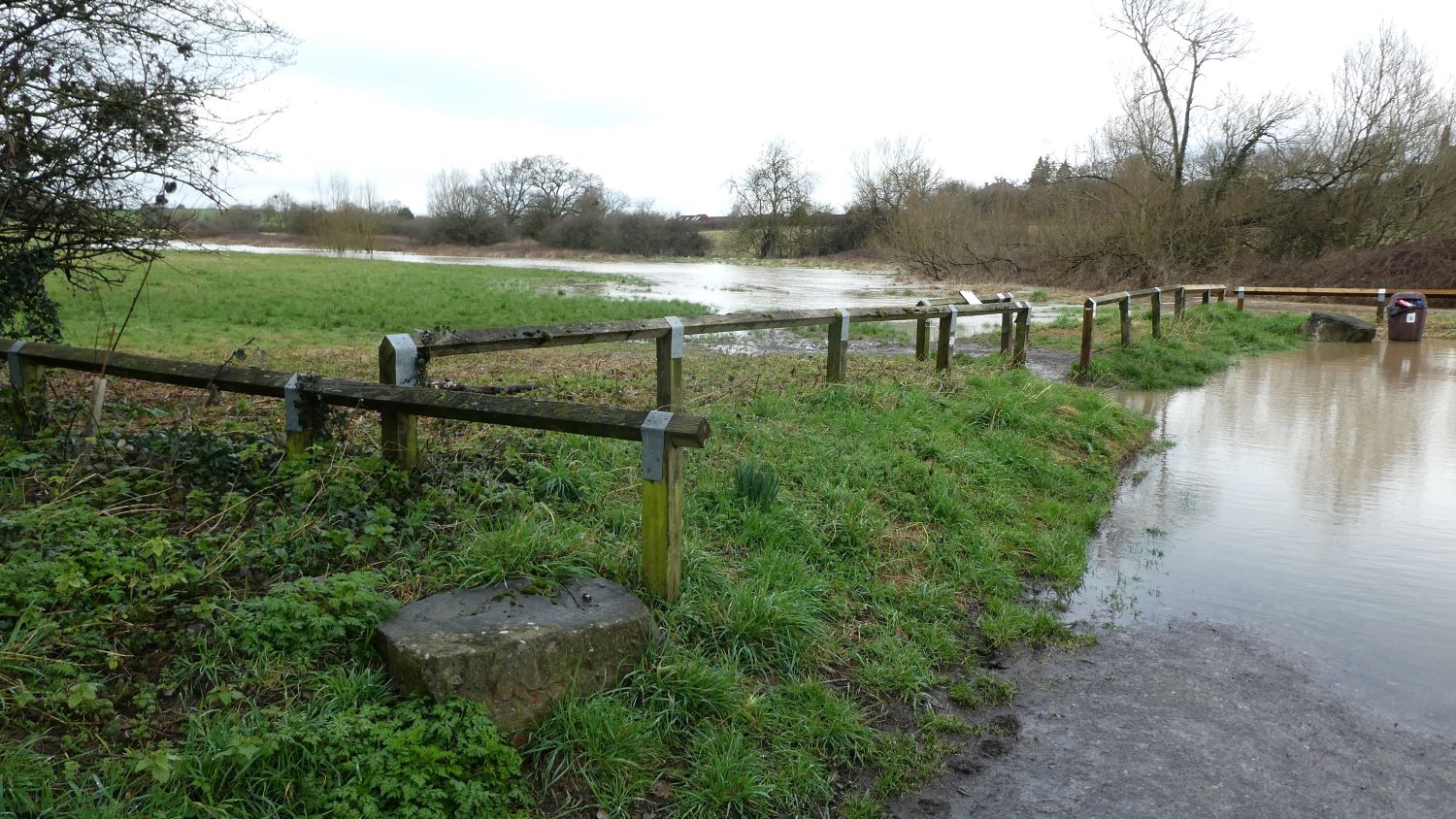

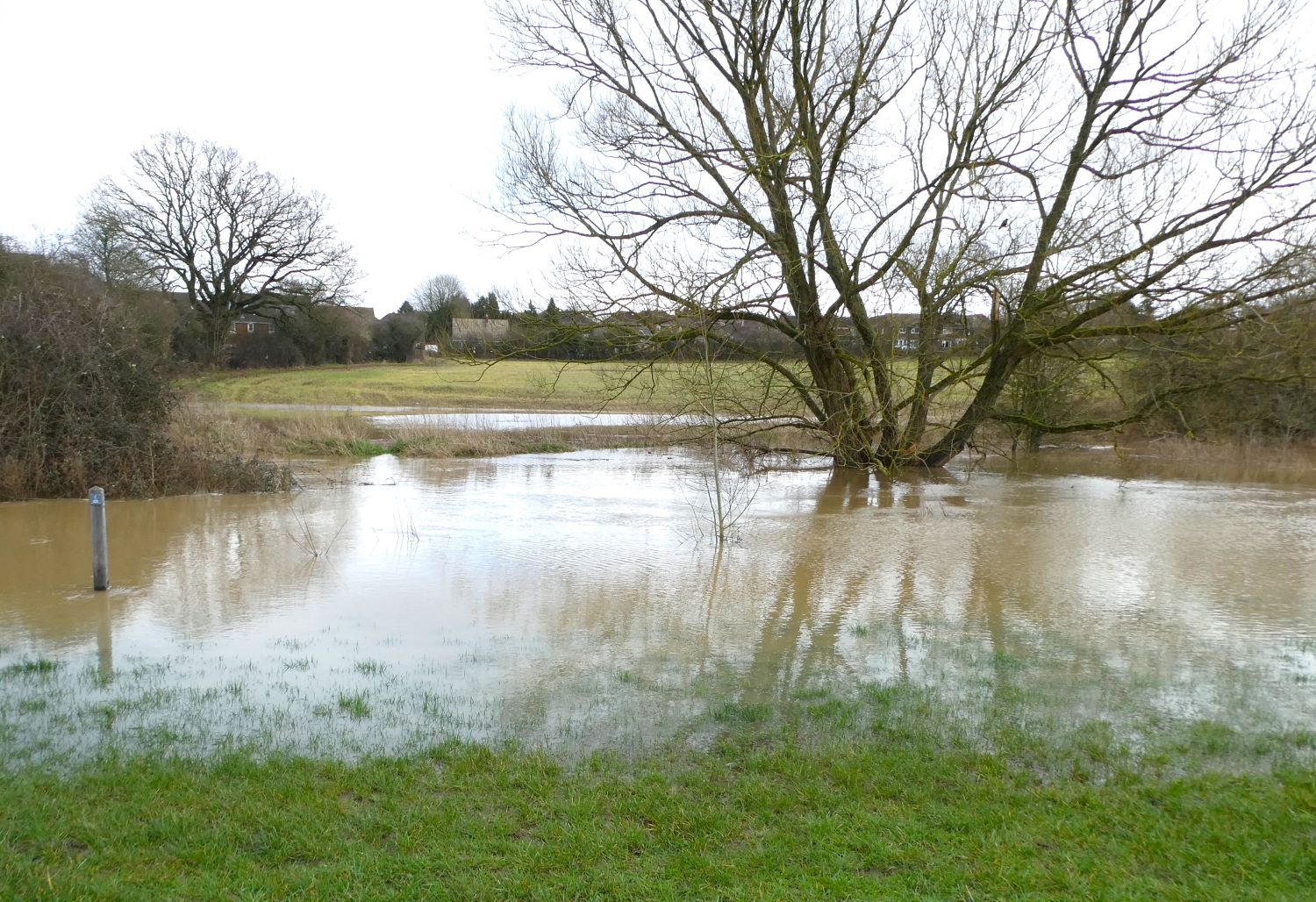


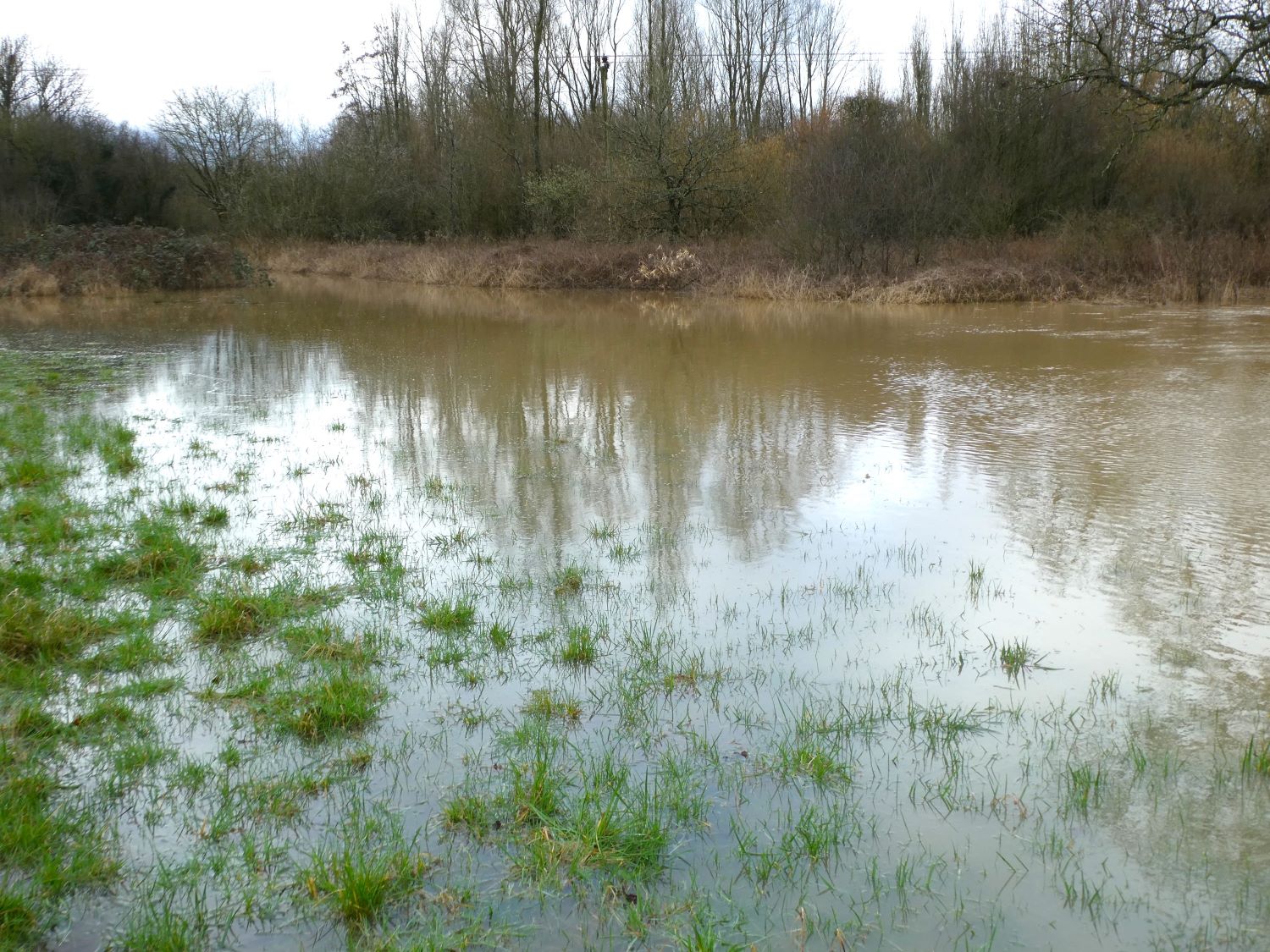
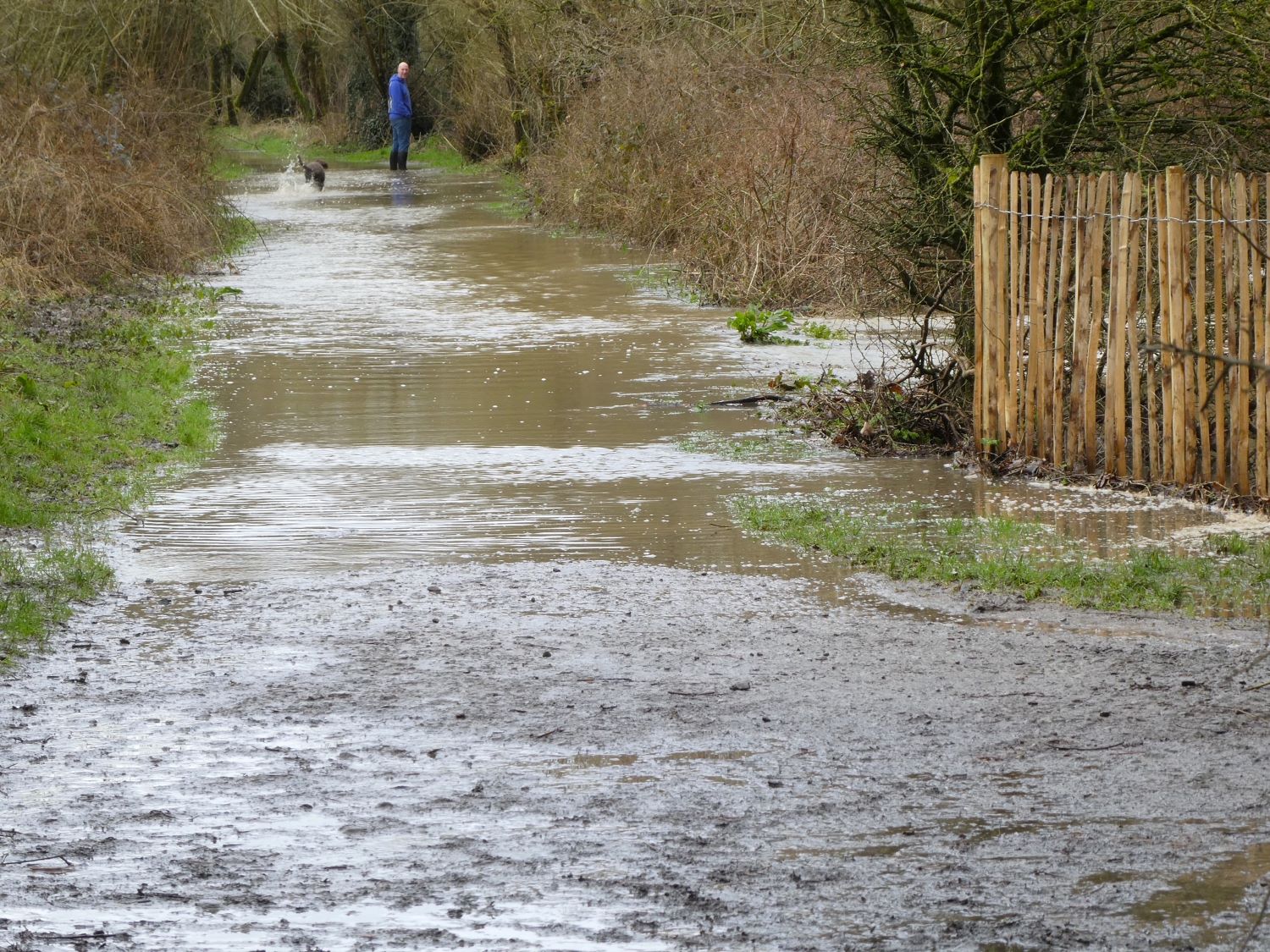
Go carefully and stay safe.

There is a climate anomaly in the south eastern states of the USA that, until recently, scientists have been unable to explain. While the rest of the country has suffered from rapidly rising temperatures, these anomalous areas have either flatlined or cooled. What is going on?
Continue reading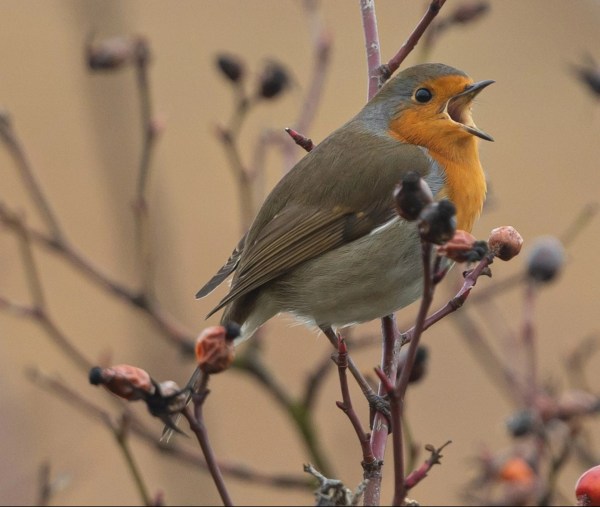
Already, our songbirds are tuning up for the spring. Here are ten things you may not have known about birdsong.
The reserve’s song bird are tuning up for spring
Continue reading “Birdsong”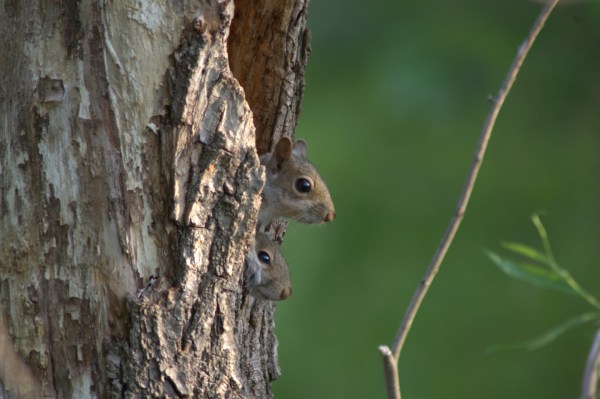
The grey squirrel breeding season begins in February and the males will already be chasing the females through our woodland. We know they are an invasive alien species that does untold damage to our trees and competes for resources with our native wildlife – but they are just so cute.

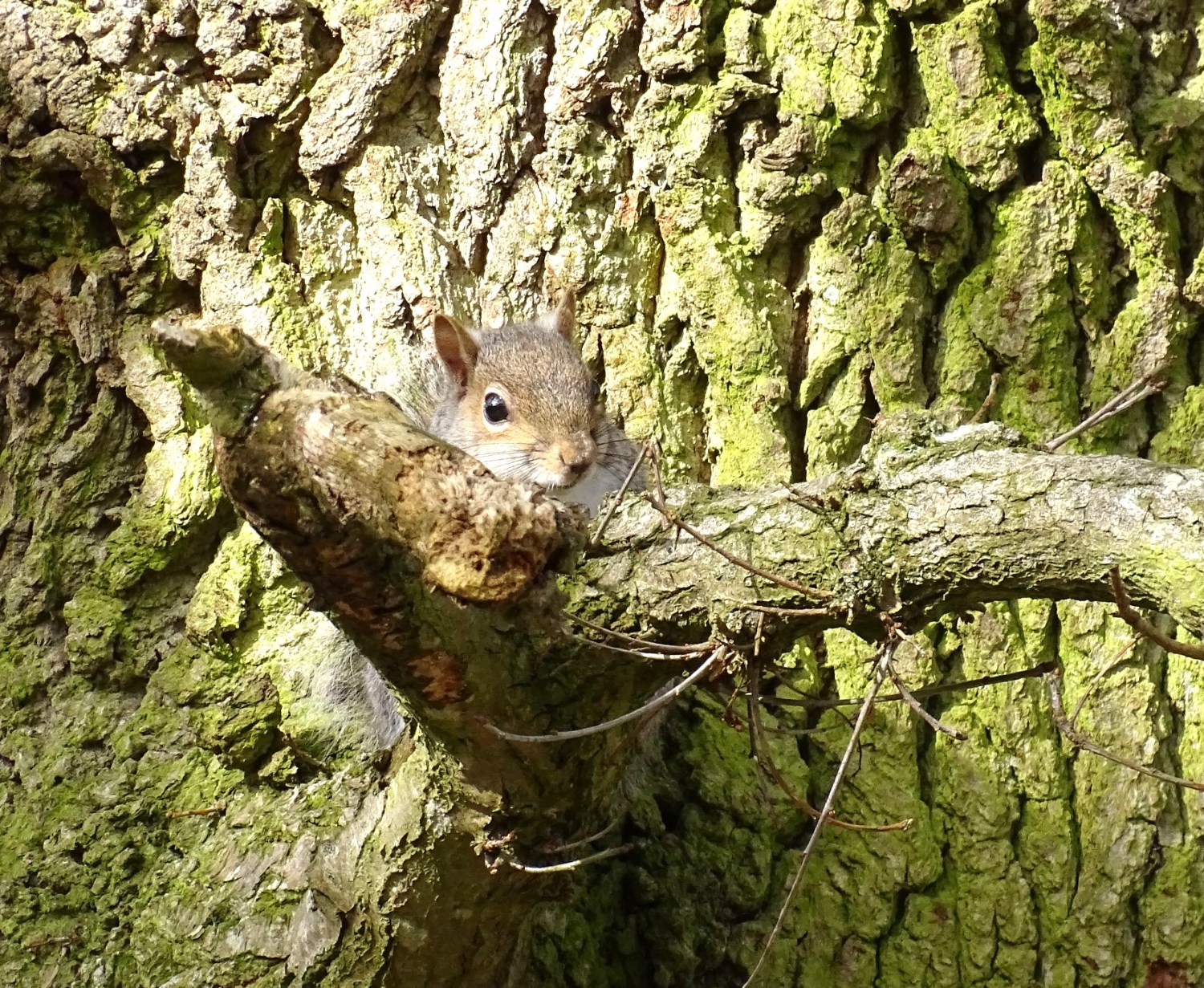
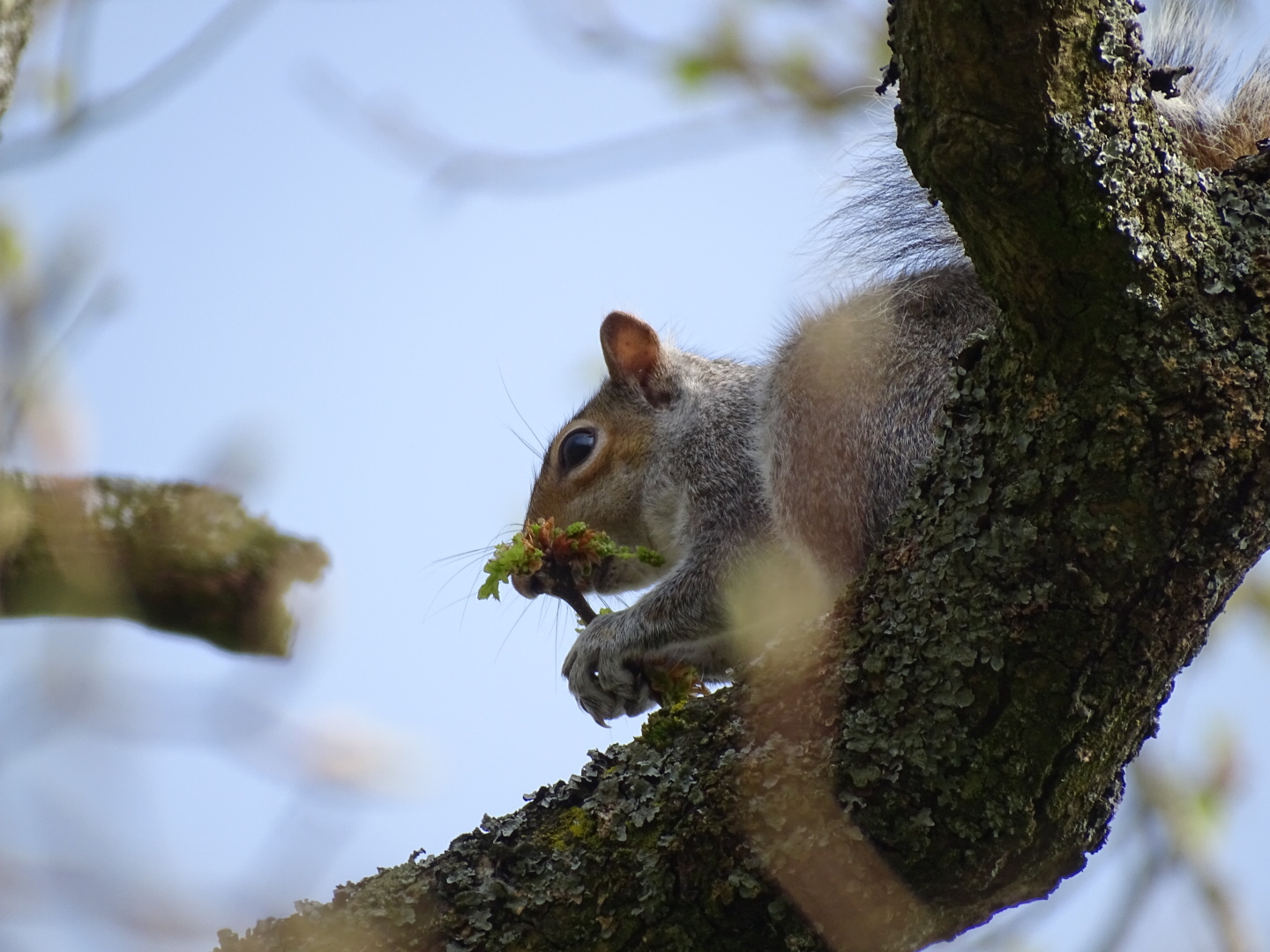

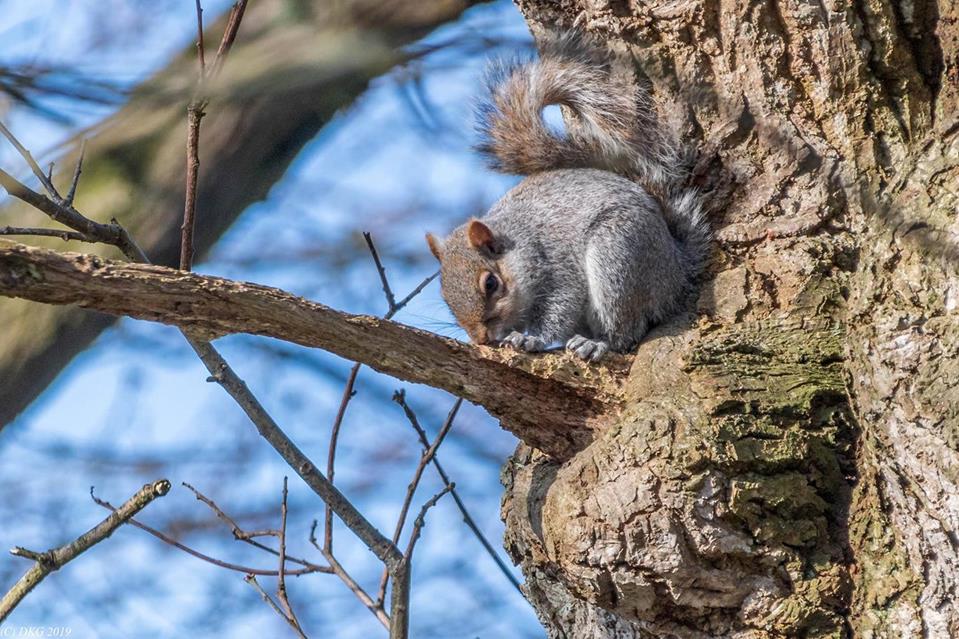


All these images were taken in the reserve. If you have pictures of our squirrels, please send them to us; we would love to see them. Email full size to: friendsofscp@outlook.com
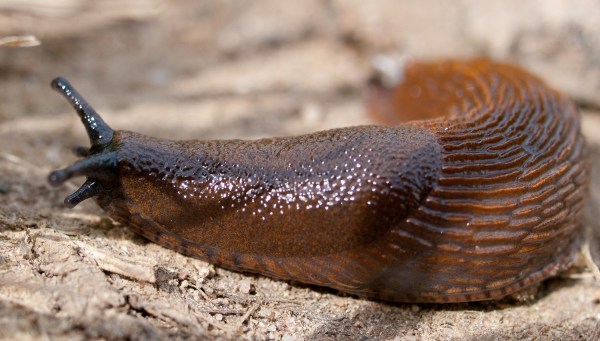
In the spring of 2022 the Royal Horticultural Society decided that slugs are no longer to be classed as garden pests. This was very welcome news.
Continue reading
A goat willow’s flowers, or catkins, are known as pussy willow because they look like furry grey kittens’ paws. They appear in February, some weeks before the willow’s leaves, one of the earliest signs of spring in the reserve.
Continue reading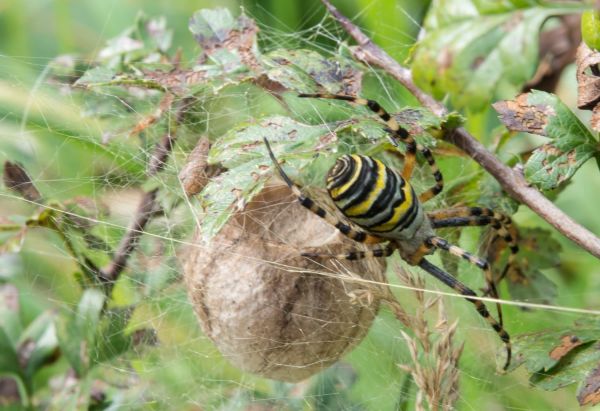
This is a female wasp spider (Argiope bruennichi) at the end of summer, guarding her egg sac, one of the largest egg sacs made by any spider resident in the UK.
Continue reading “Wasp spider”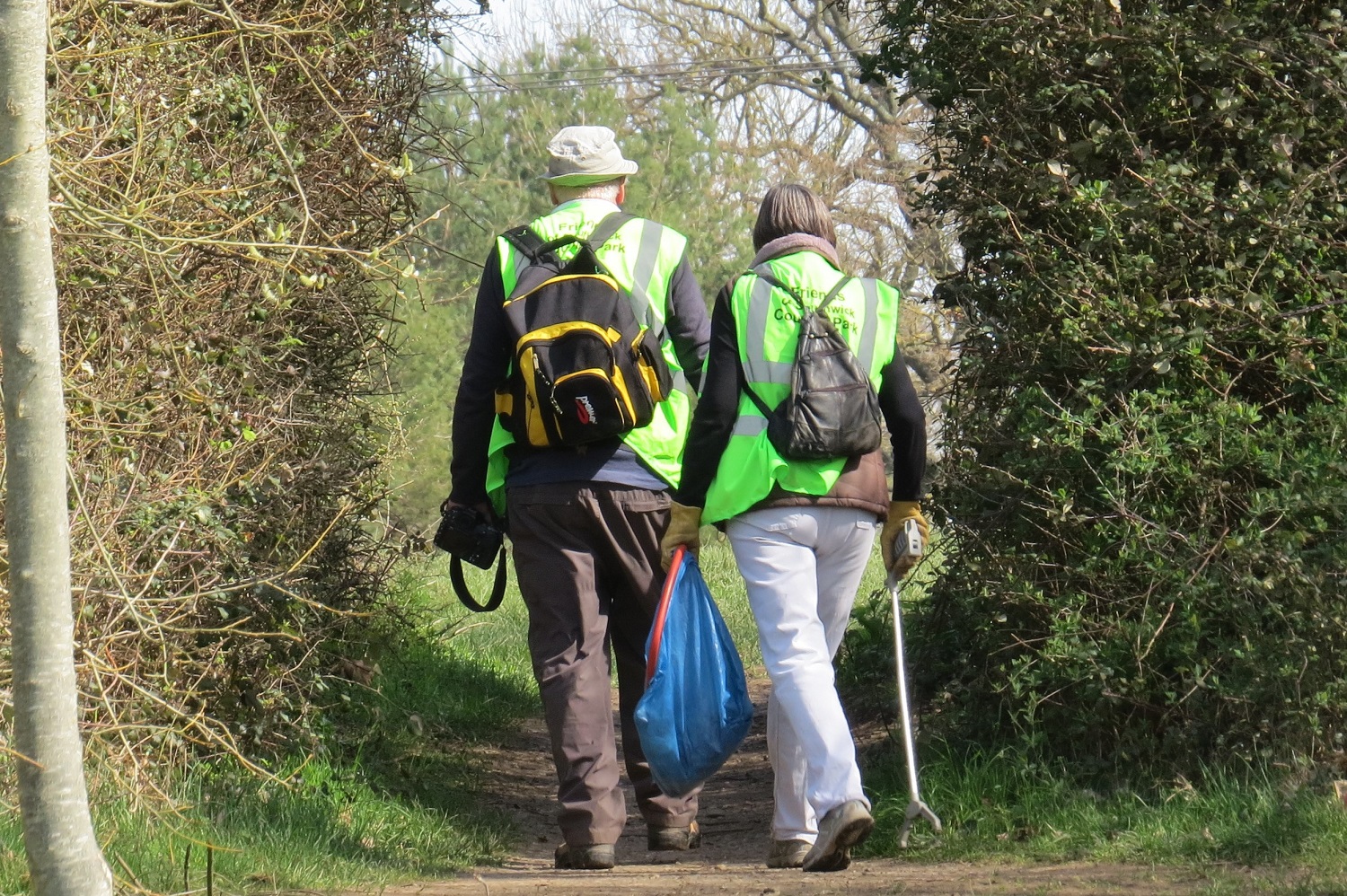


 Southwick Country Park Nature Reserve