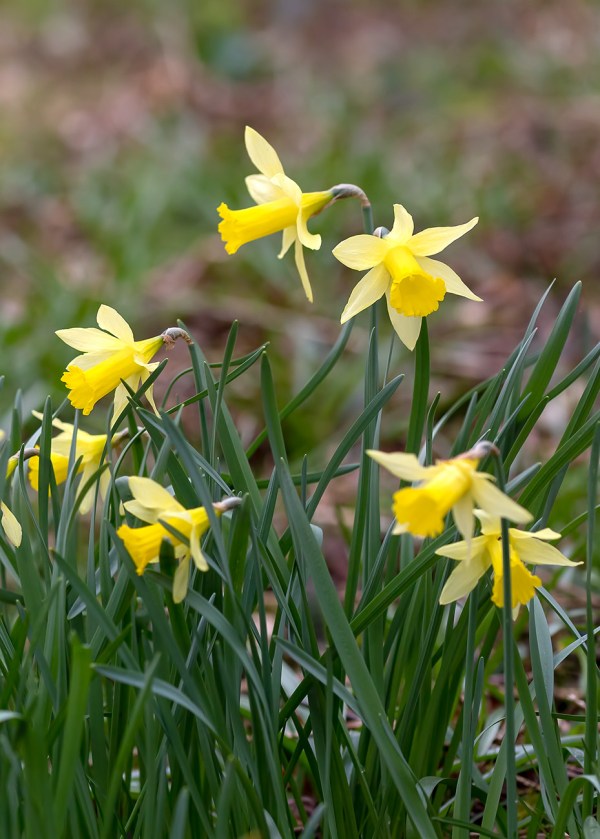
Over the years the Friends have planted hundreds, if not thousands, of native daffodil bulbs in and around the reserve’s woodland. Some, sheltered at the bottom of Kestrel Field, flower in February but the rest wait for spring: a host of golden daffodils etc.
Continue reading “Native versus non-native”Bracket fungi
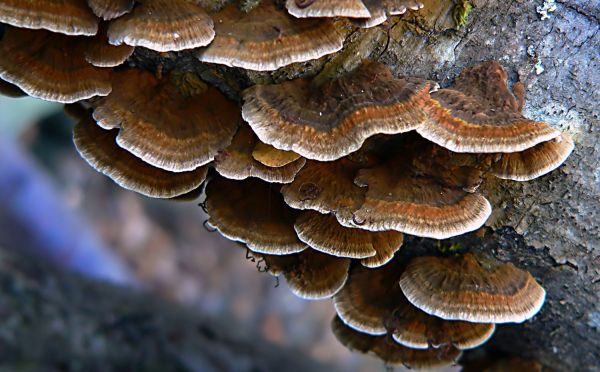
These are a species of bracket fungus common in the reserve: turkey tail (Trametes versicolor). The main part of the fungus, the mycelium, is growing invisibly inside the tree. These beautiful outgrowths are the fruiting bodies, part of the fungus’s reproductive system.
Read on:Ten facts…
…about oaks
Continue reading “Ten facts…”Life cycles
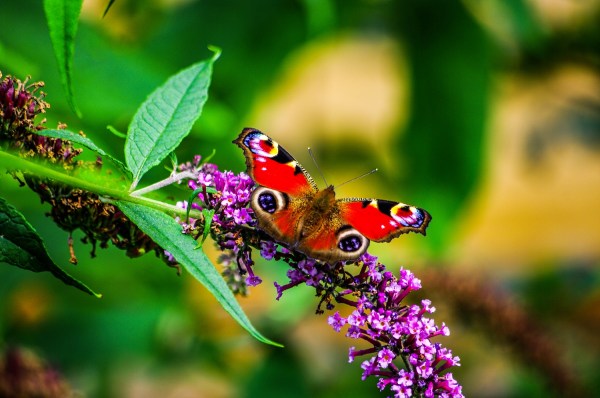
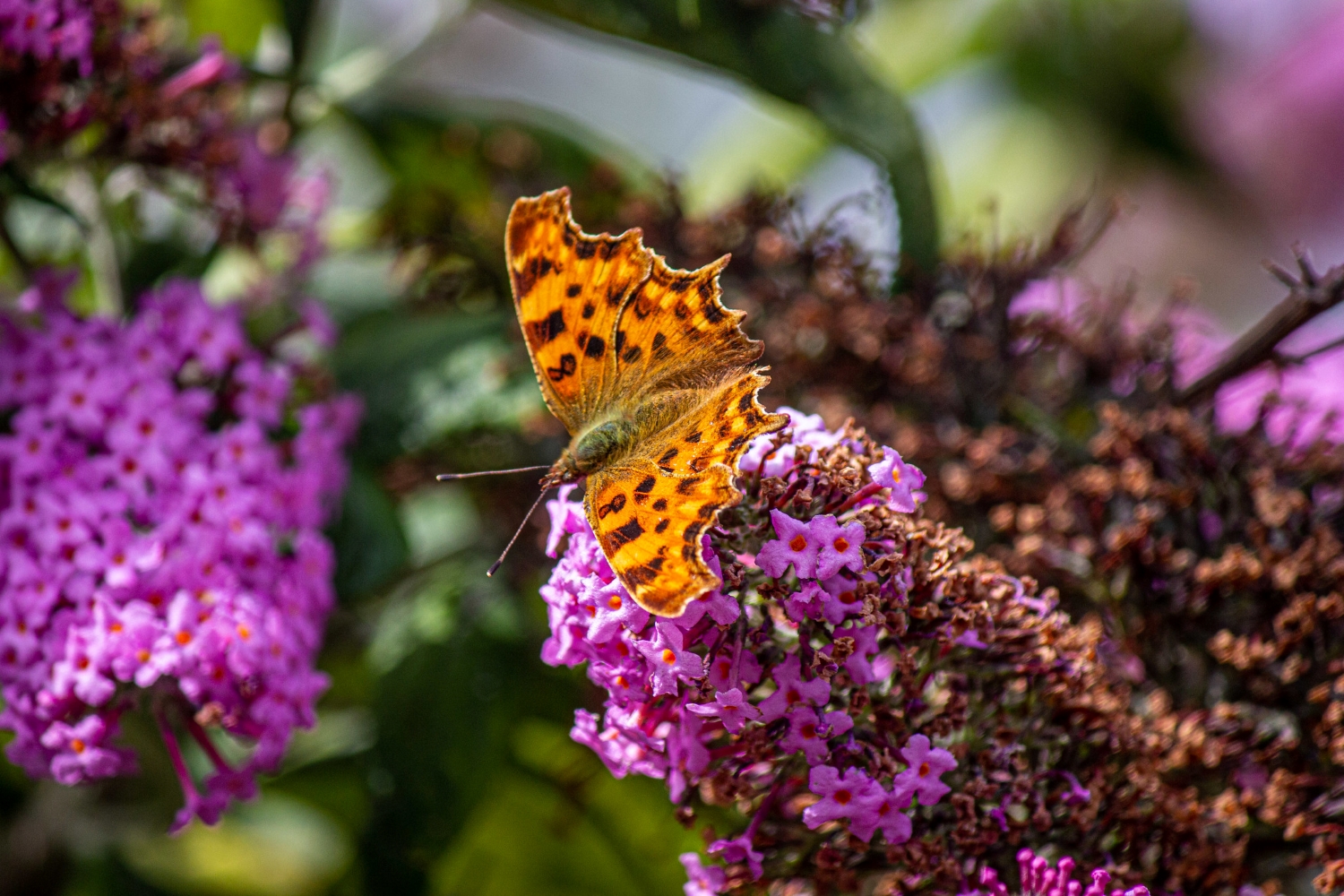
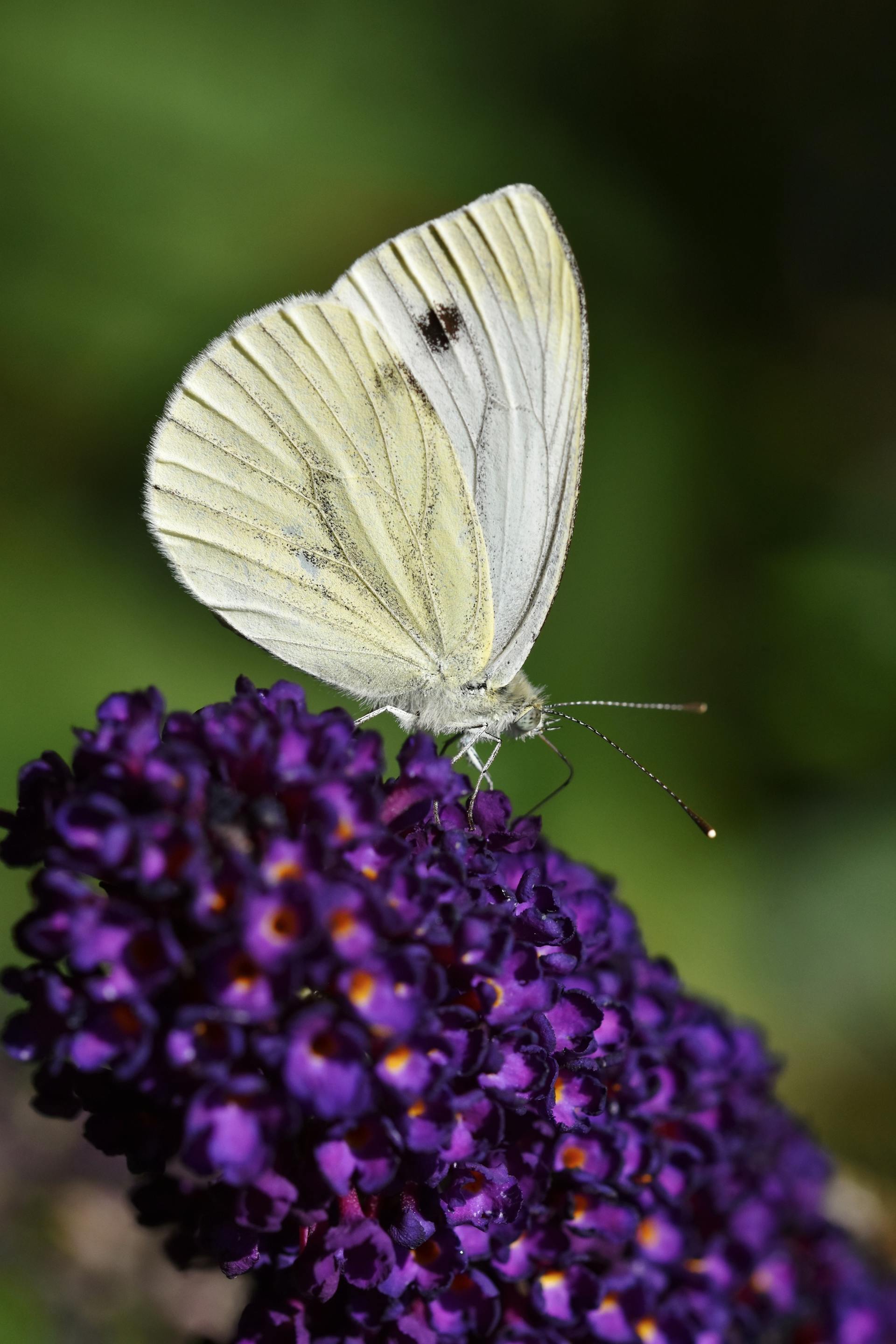
You might see all these butterflies on your buddleia this summer but they all need other, less garden-friendly, sometimes undesirable, plants if they are to complete their life cycles.


Please don’t do this…
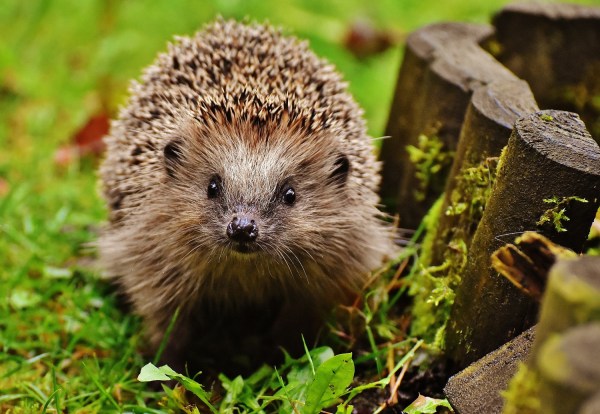
Every winter we get reports of people leaving food, presumably for our wildlife, somewhere in the reserve. Please, don’t do this.
Continue reading “Please don’t do this…”Eco-engineer
Ecosystem engineers are creatures that create, significantly alter and maintain (or destroy) a habitat and in doing so change the availability of resources for other species. Our water voles are busy engineering the banks of Lambrok Stream and its tributary. How do they do this?
Continue reading “Eco-engineer”Great tit
Clive Knight has photographed a great tit at its nest site in one of the reserve’s oaks.
Continue readingEco-gardening
Challenges such as climate change, habitat destruction and invasive species are pushing our native ecosystems to the edge, making urban and suburban spaces into critical resources. There are 22 million private gardens in the UK, an astonishing potential that, used carefully, might just make the difference between success and failure for the Nature Recovery Networks proposed by the new Environment Bill.
Continue reading “Eco-gardening”