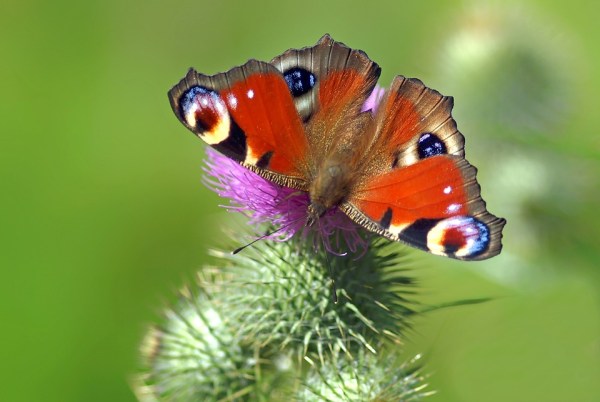
Here is a fascinating little video of a peacock butterfly emerging from its chrysalis. Every year there are nests of peacock caterpillar among the nettles by the path in Simpson’s Field so, by the end of July, we should see this year’s beautiful adults in flight.
Two new species
Two new insect species from Clive Knight: a flesh fly identified by Ian Bushell, our entomologist, as Sarcophaga carnaria, and a day-flying moth, Camptogramma bilineata, called yellow shell for the beautful striped pattern on its wings.
Continue reading “Two new species”Fact file
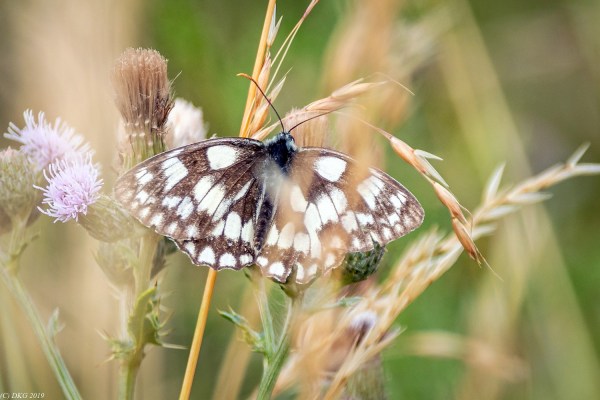
Common name: meadow brown
Scientific name: Maniola jurtina
Family: browns
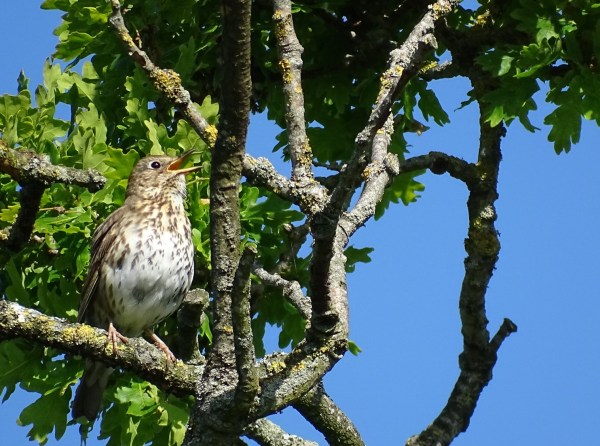
A song thrush singing his heart out from the top of one of our oak trees. Thanks for the picture Cheryl Cronnie.
Song Thrush recorded by David Bisset (CC BY-SA 2.0) xeno-canto.com

Wildflower meadows
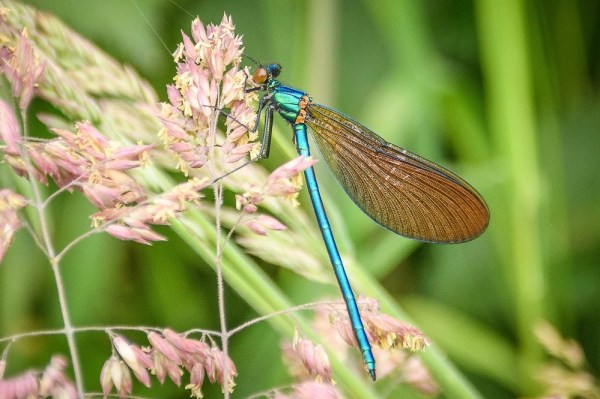
Gorgeous pictures taken in our wildflower meadows by wildlife photographer Simon Knight and sent in with a question:
“Here are some pictures from the reserve taken over the past few weeks. It’s a shame we’re about to lose most of the flowers and a huge amount of invertebrate life with the grass being cut so early. Why can’t the grass be cut later in the summer?“
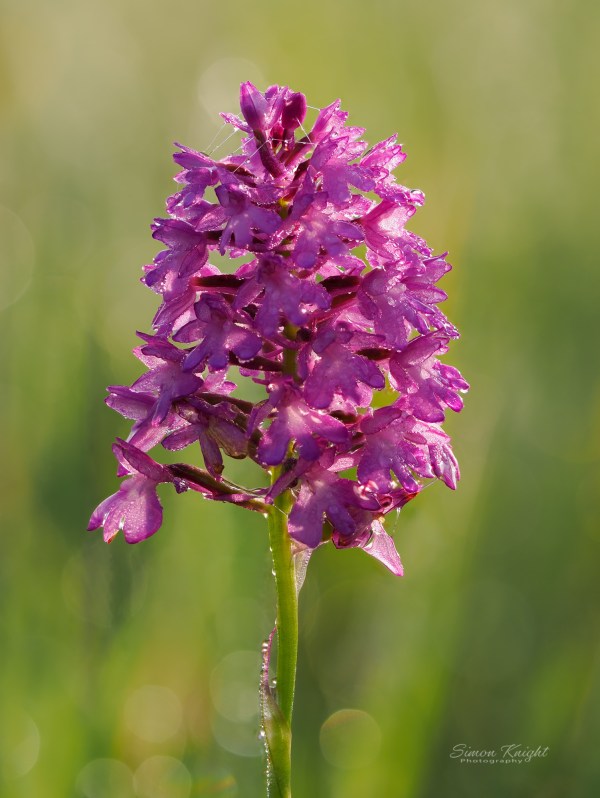
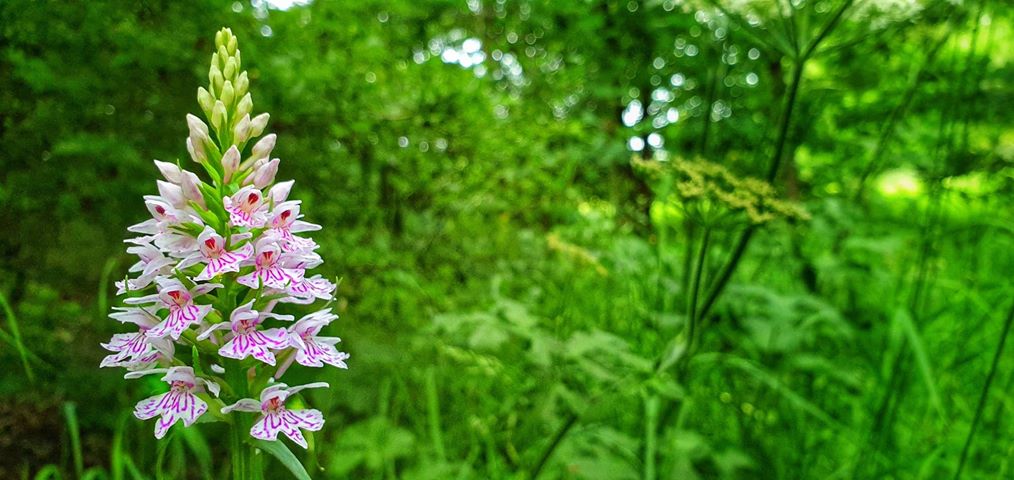
Continue readingPyramidal orchid
Beautiful pyramidal orchids (Anacamptis pyramidalis) from wildlife photographer Simon Knight.
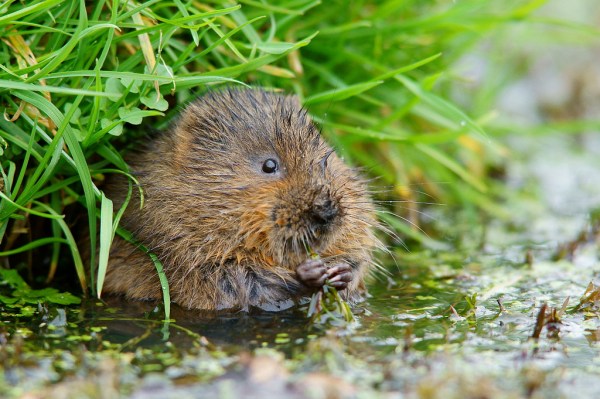
Continue readingTen water vole facts
Here are some fascinating facts about water voles:
Continue reading “Ten water vole facts”Bumblebee flight
For a long time, bumblebee flight was considered to be aerodynamically impossible. We know better now and are beginning to understand how such fat furry creatures can take to the air. Here is a video about their surprising flying skills:

House martins
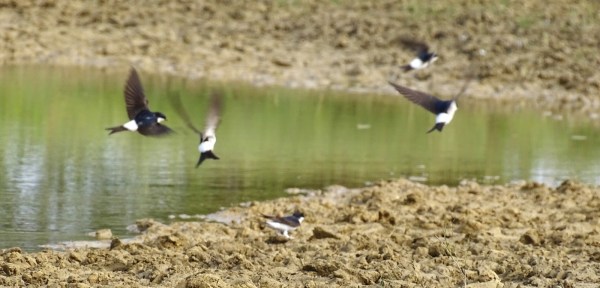
Regular contributor Cheryl Cronnie has sent pictures she took last week of house martins (Delichon urbicum) collecting mud from the banks of the new pond in Lambrok Meadow.
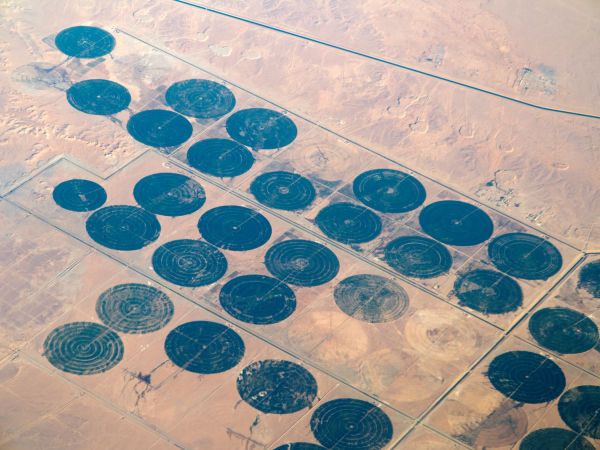
Continue reading “House martins”Here’s a fascinating but frightening fact: in the last couple of decades, we humans have pumped so much water out of the ground that we have actually shifted the planet’s poles by almost a metre. Earth’s poles are not fixed points. They wobble around to the rhythm of several cycles, some millennia long, so it’s hard to tell what, if any, effect this human interference will have. But it does show us what an enormous amount of ground water we are using and how damaging the consequences could be.
Header image: Irrigation in the desert by GRID-Arendal (CC BY-NC-SA 2.0) flickr.com
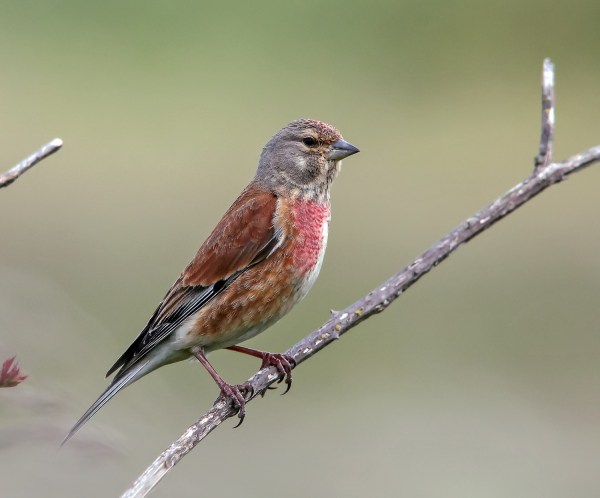
Fact file: linnet
Continue readingBuff tailed bumblebees
There are buff-tailed bumblebees working in the park. A walk around the hedges of Sleeper Field on a sunny morning will reveal dozens working in the blackberry blossoms and the hogweed. There is always at least one large and thriving nest somewhere in the southern part of the park.
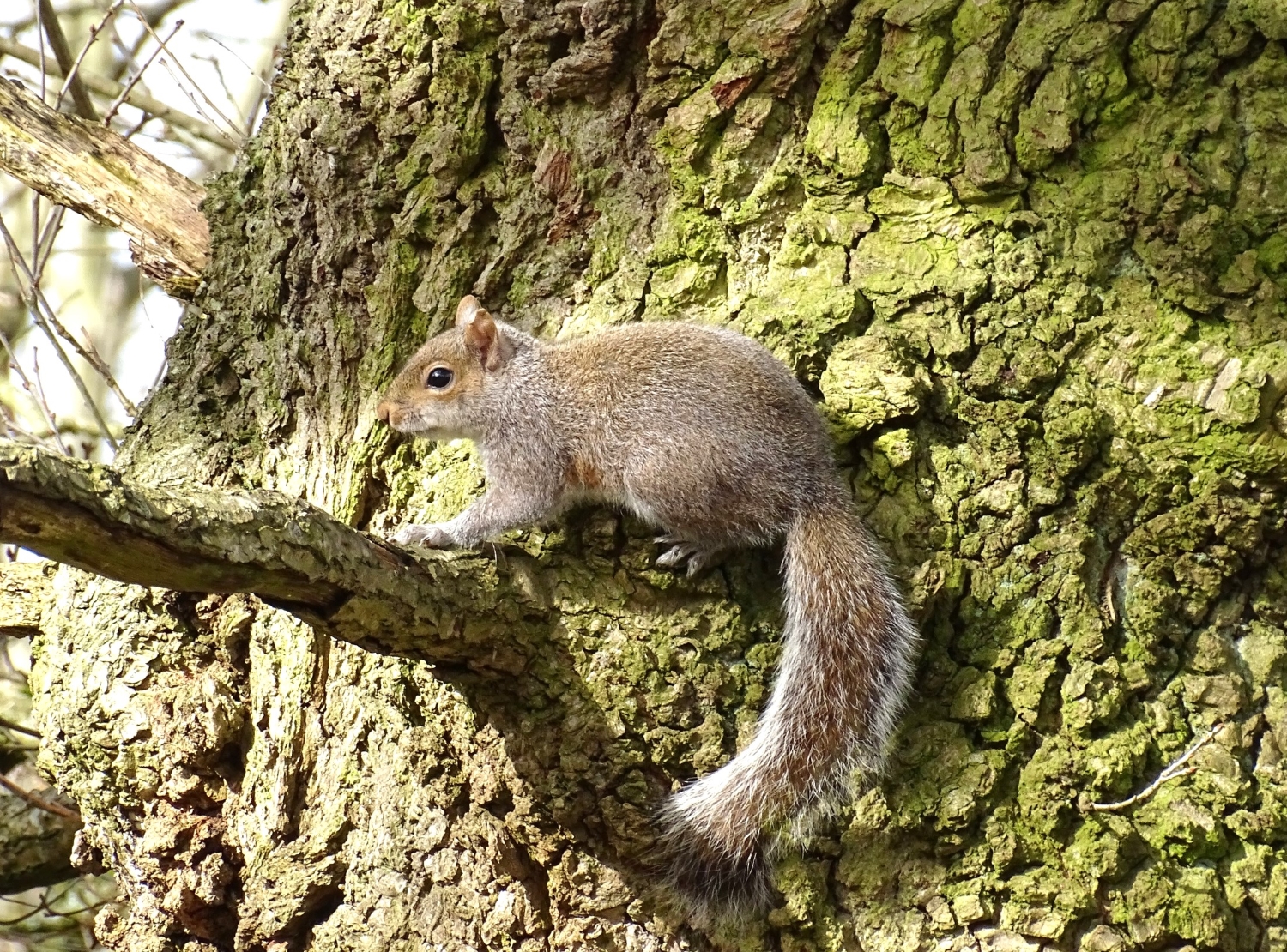
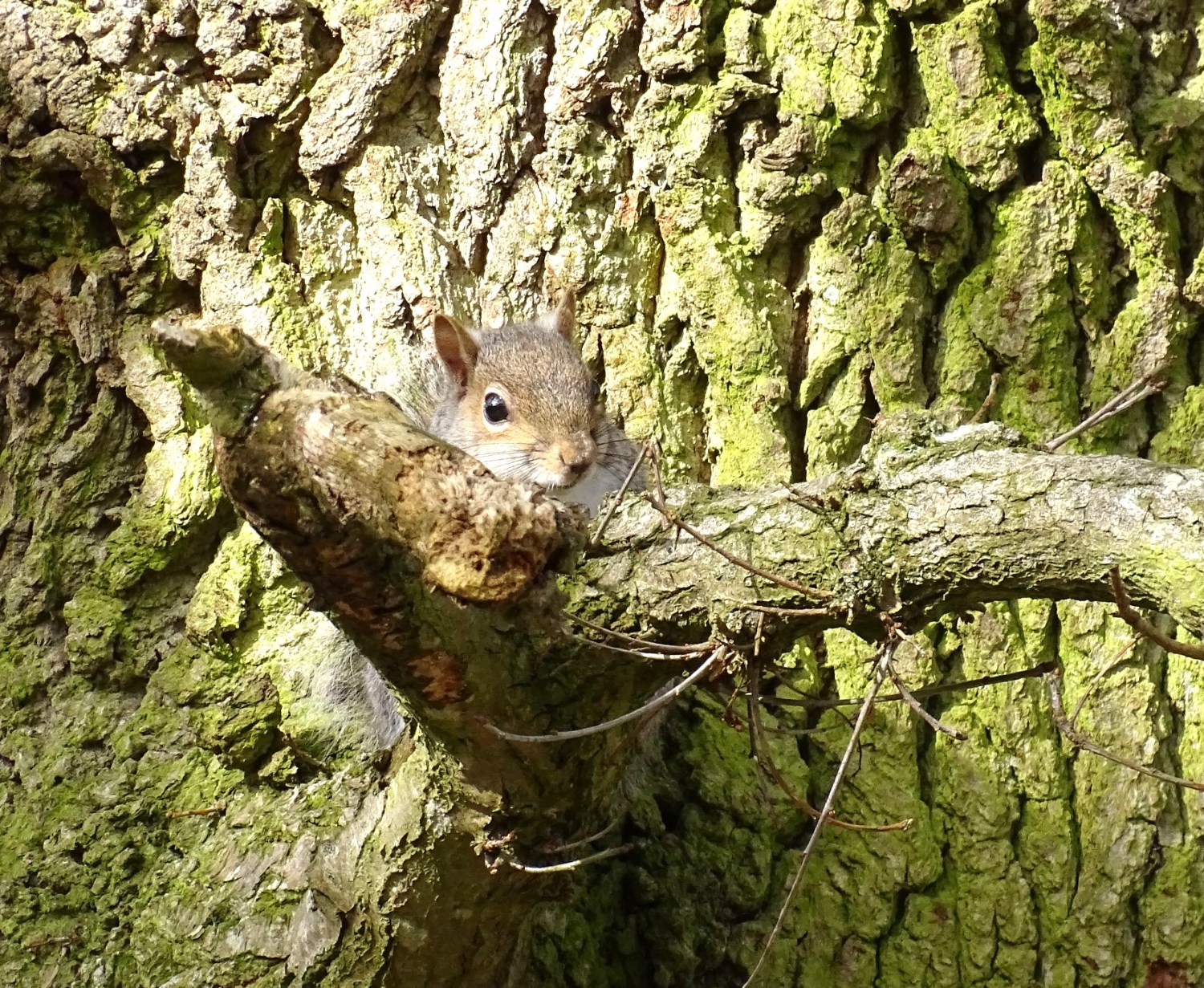
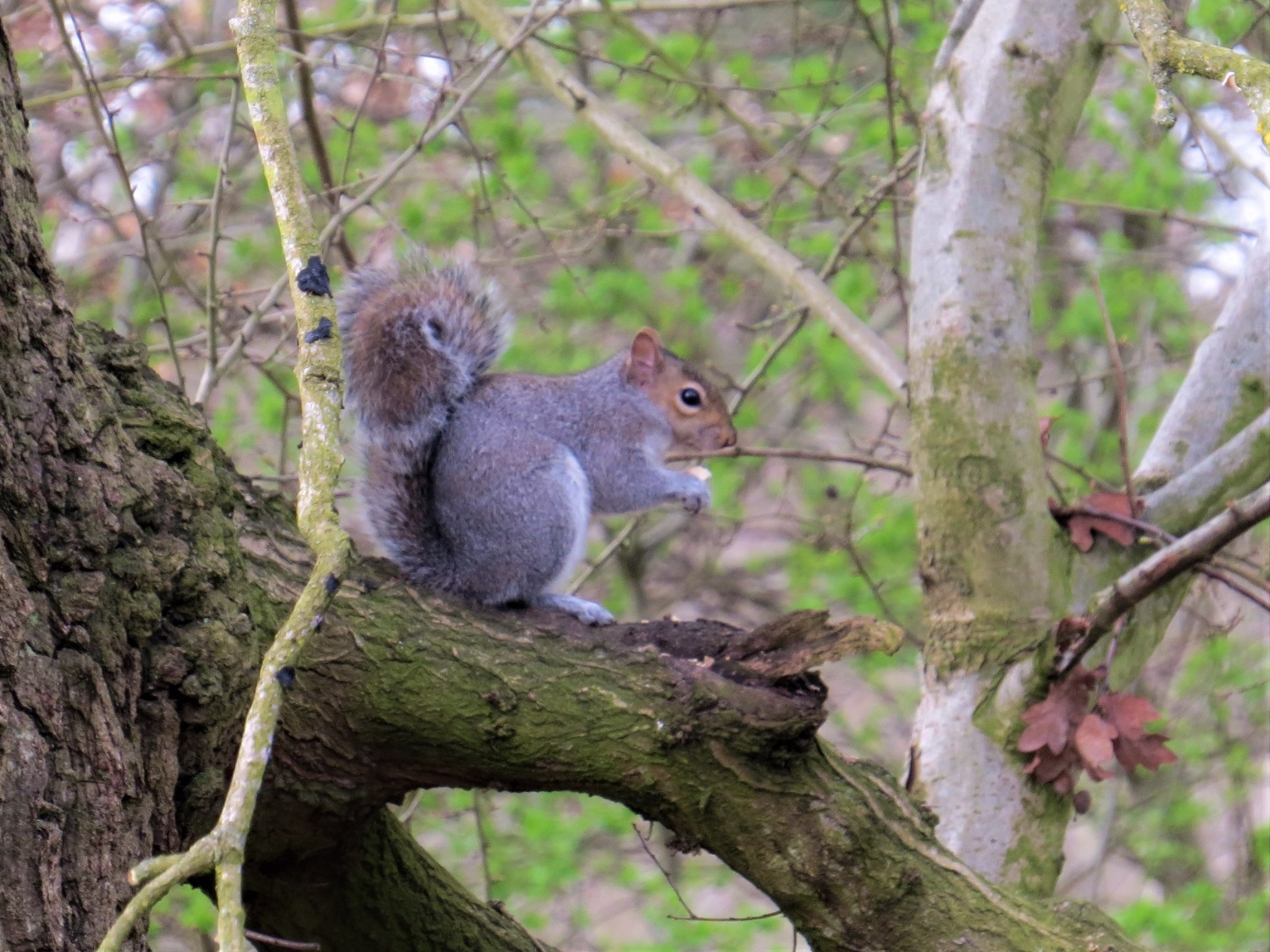
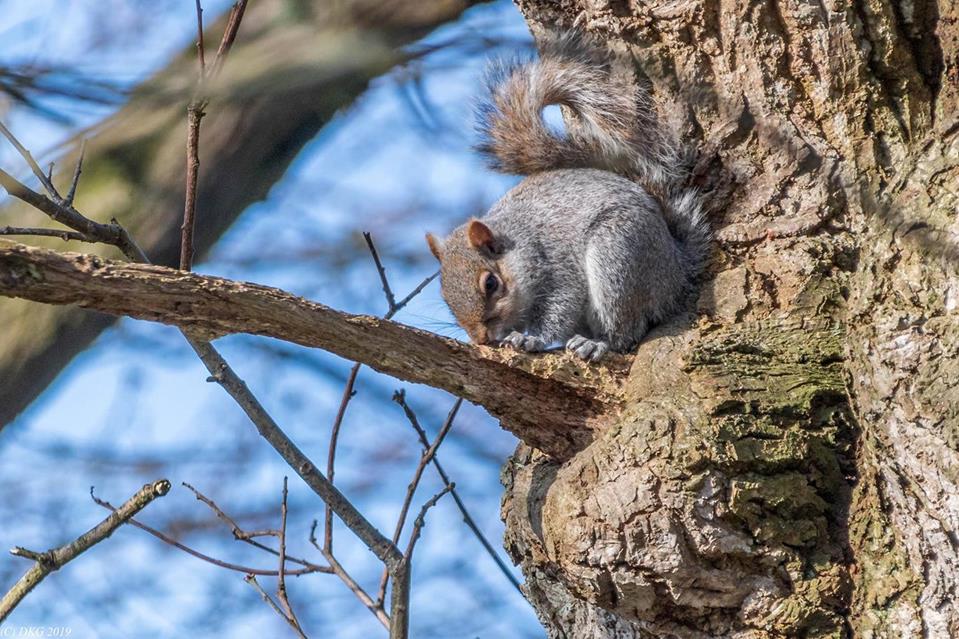
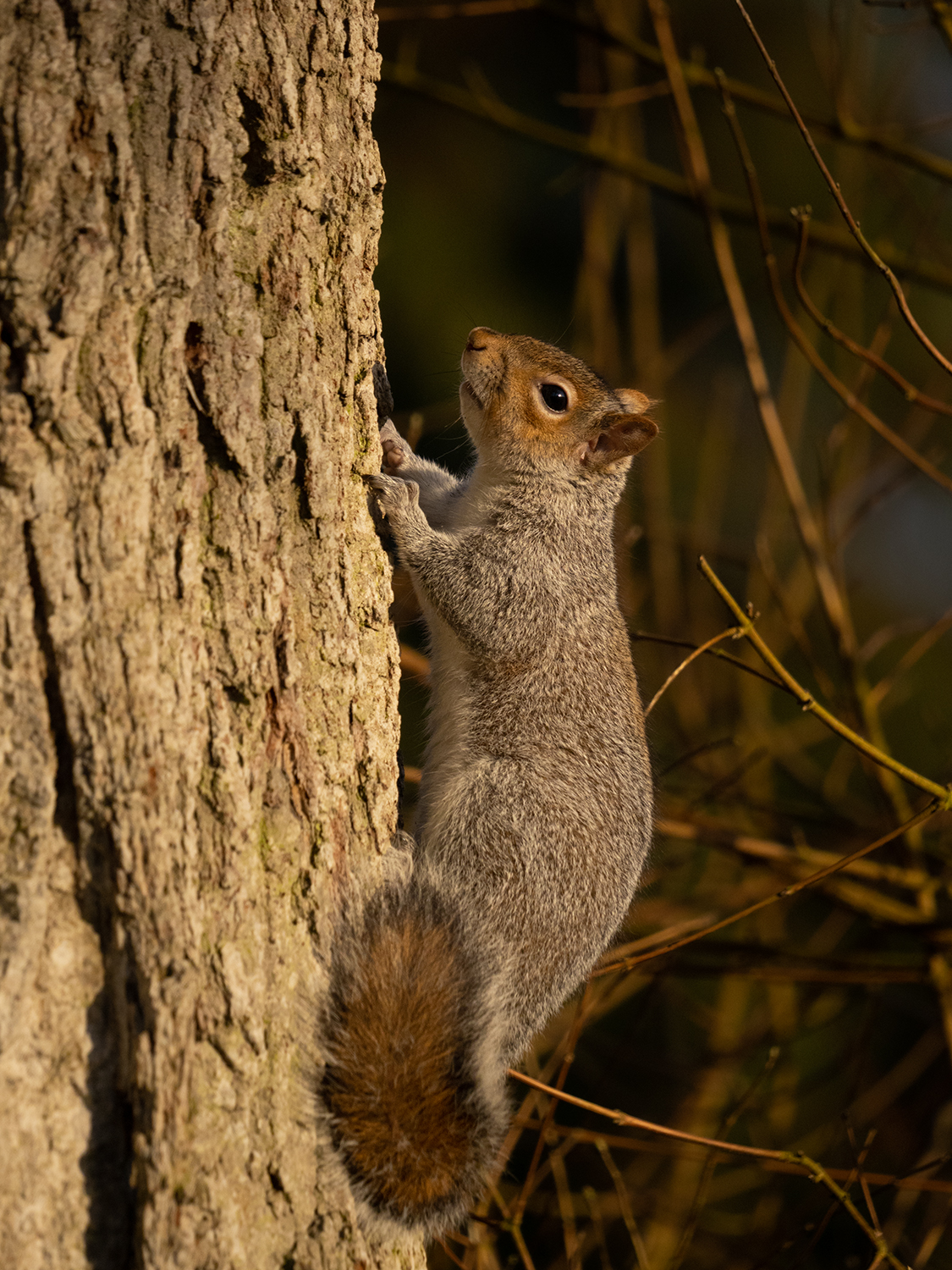
Continue reading “Buff tailed bumblebees”A gallery of the reserve’s photogenic grey squirrels. Destructive invasive aliens, we know, but so cute.


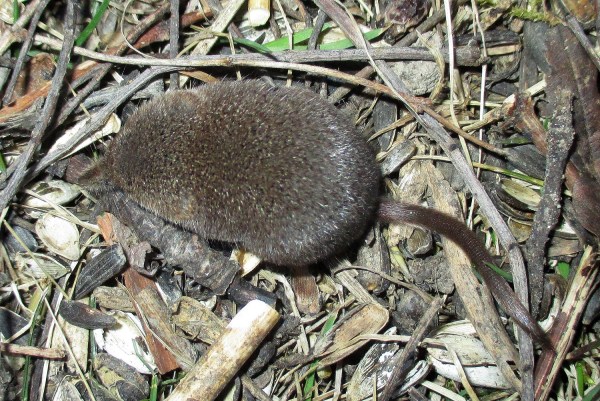
Pygmy shrew
The smallest mammal in the world is the bumblebee bat but the Eurasian pygmy shrew (Sorex minutus), one of the reserve’s residents, comes a close second.
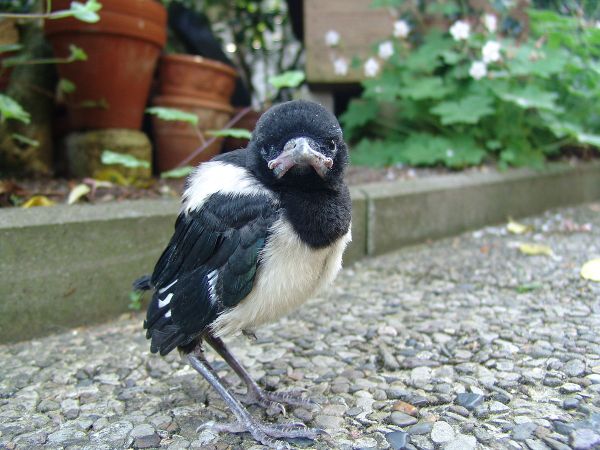
Continue reading “Pygmy shrew”What to do if you find a baby bird
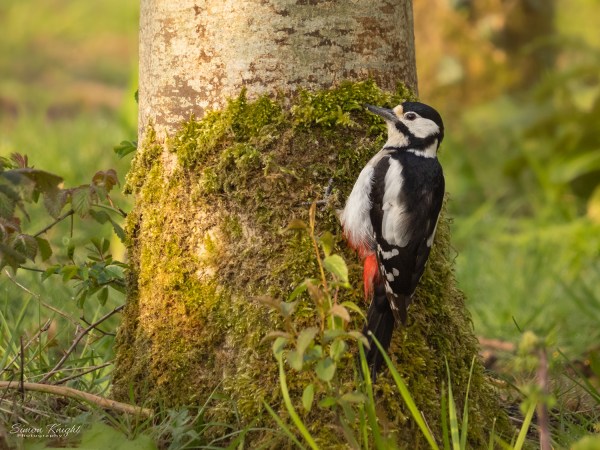
Continue readingThere are three species of woodpecker native to the UK. Two of them, the green woodpecker and the greater spotted woodpecker, nest in our reserve. Here is a short video to help you tell them apart.
Header image: greater spotted woodpecker photographed in the reserve by Simon Knight.

Meadow vetchling
Have you spotted the patches of bright yellow meadow vetchling in our hayfields?
Continue reading “Meadow vetchling”Dedicated to DKG
There is a new interpretation board next to Village Green pond, dedicated to the memory of Dave Galliers, known to his many followers as DKG, our in-house photographer until his death in 2020.
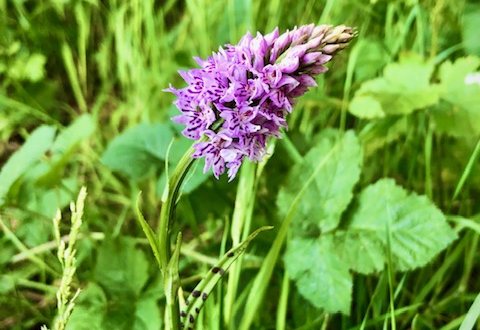
Continue reading “Dedicated to DKG”Common spotted orchid
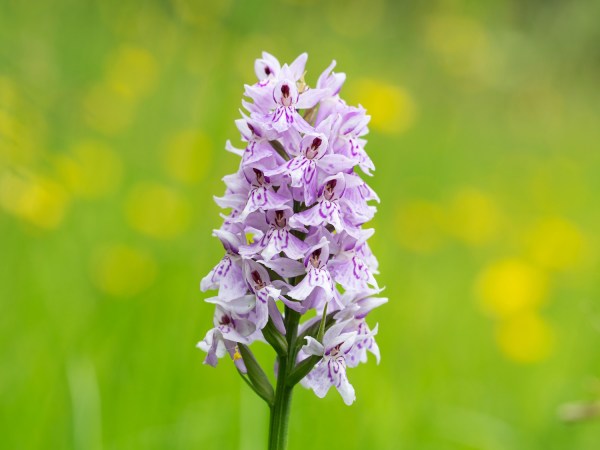
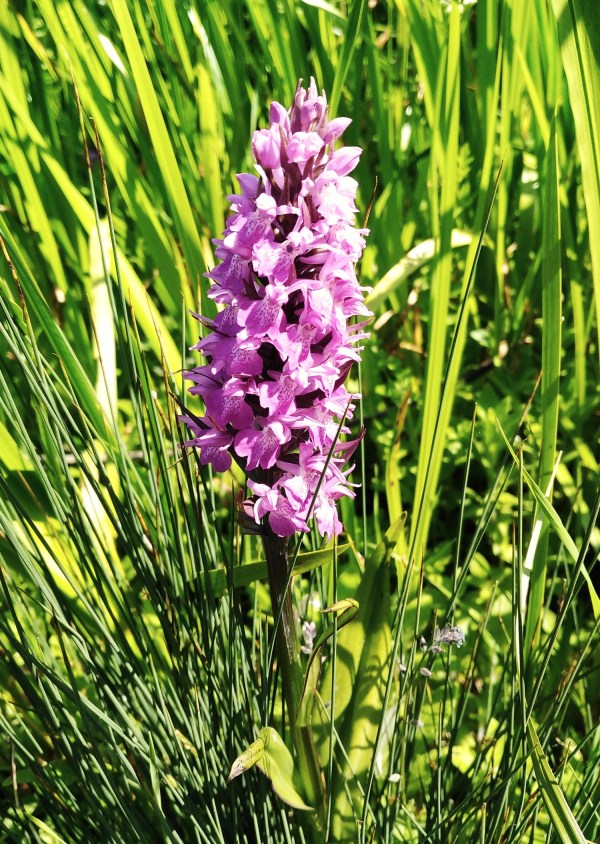
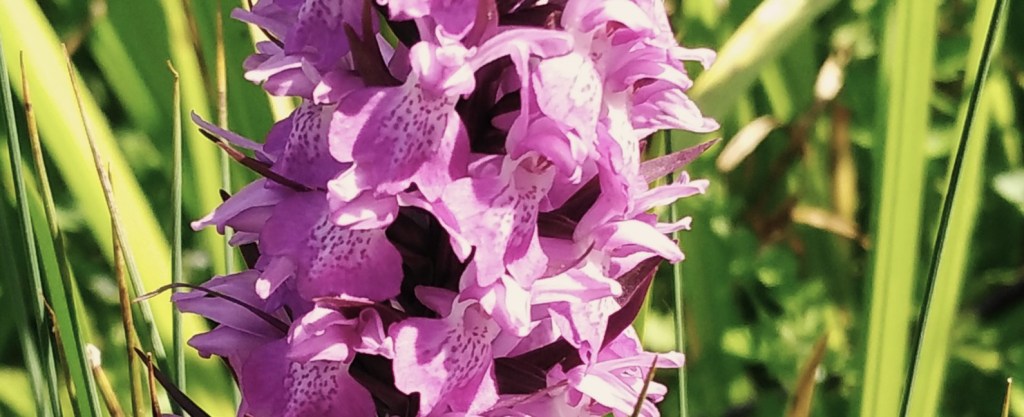
The award for the year’s first common spotted orchid picture goes to Pete White.

Common spotted orchid (Dactylorhiza fuchsii)

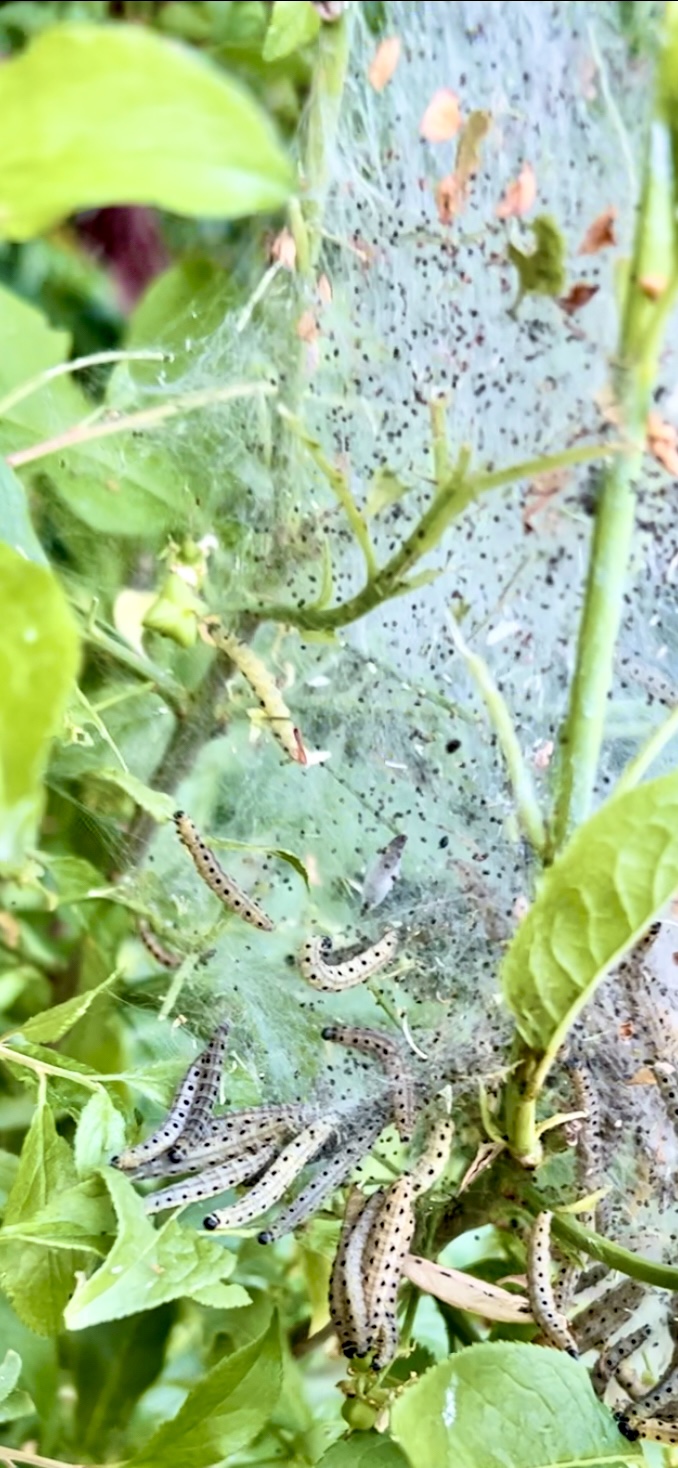
Spindle ermine moth caterpillars (Yponomeuta cagnagella) found, photographed and videoed yesterday in the reserve by Sarah Gould. Thanks Sarah.


Peacock caterpillars
The peacock caterpillars will be growing fast at this time of year
Continue reading “Peacock caterpillars”