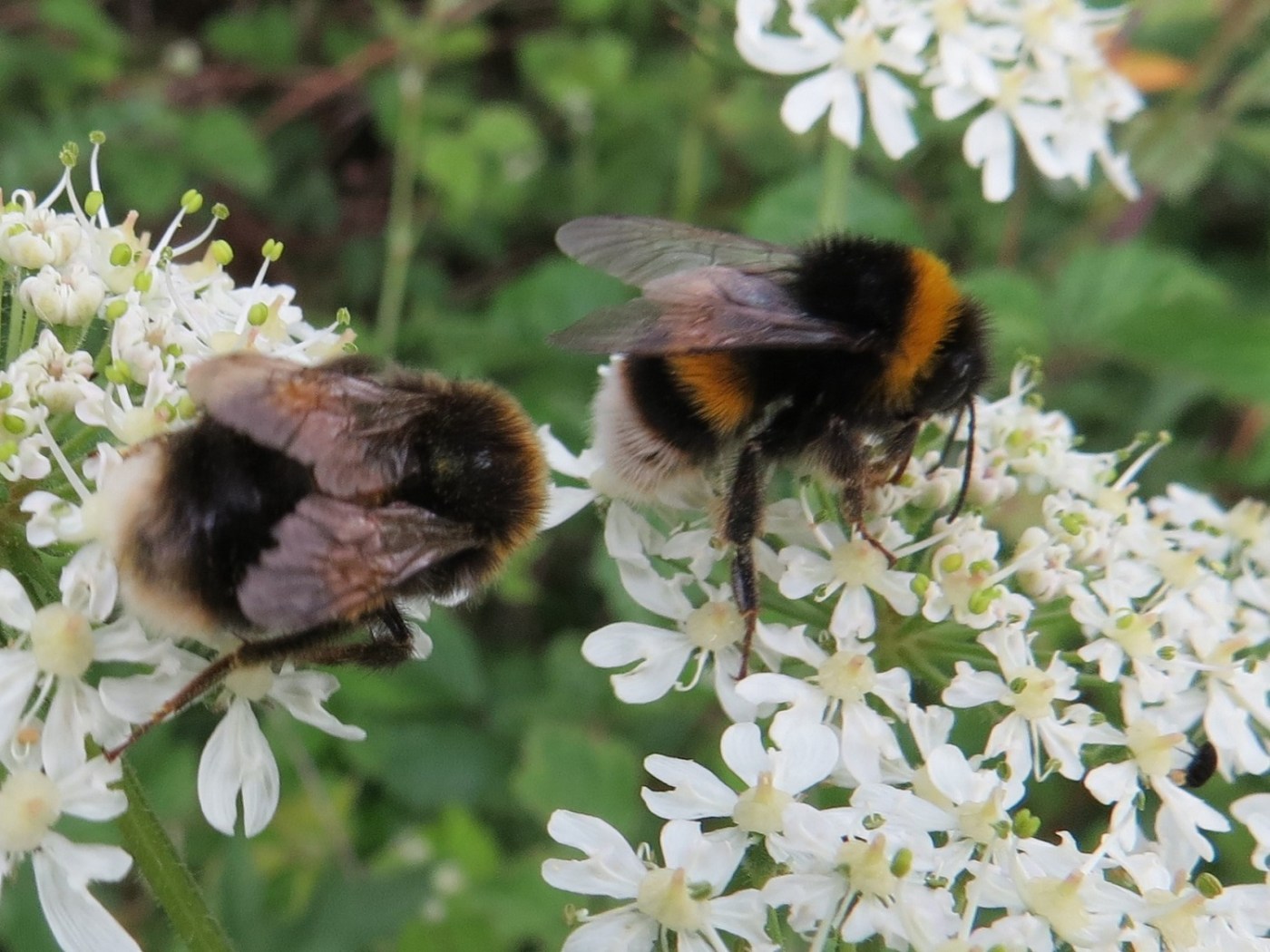
There are buff-tailed bumblebees working in the park. A walk around the hedges of Sleeper Field on a sunny morning will reveal dozens working in the blackberry blossoms and the hogweed. There is always at least one large and thriving nest somewhere in the southern part of the park.
It seems that in the last decade or so, in the south of England, a small but increasing number of newly mated buff-tailed queens have not hibernated but have established nests in the autumn: a response to the rising mean temperatures of our winters. These nests rely on winter-flowering plants for nectar and pollen and their workers will be found foraging in the allotments and the gardens of Southwick village. Mahonia, winter-flowering varieties of honeysuckle, clematis and jasmine are their major food resources.
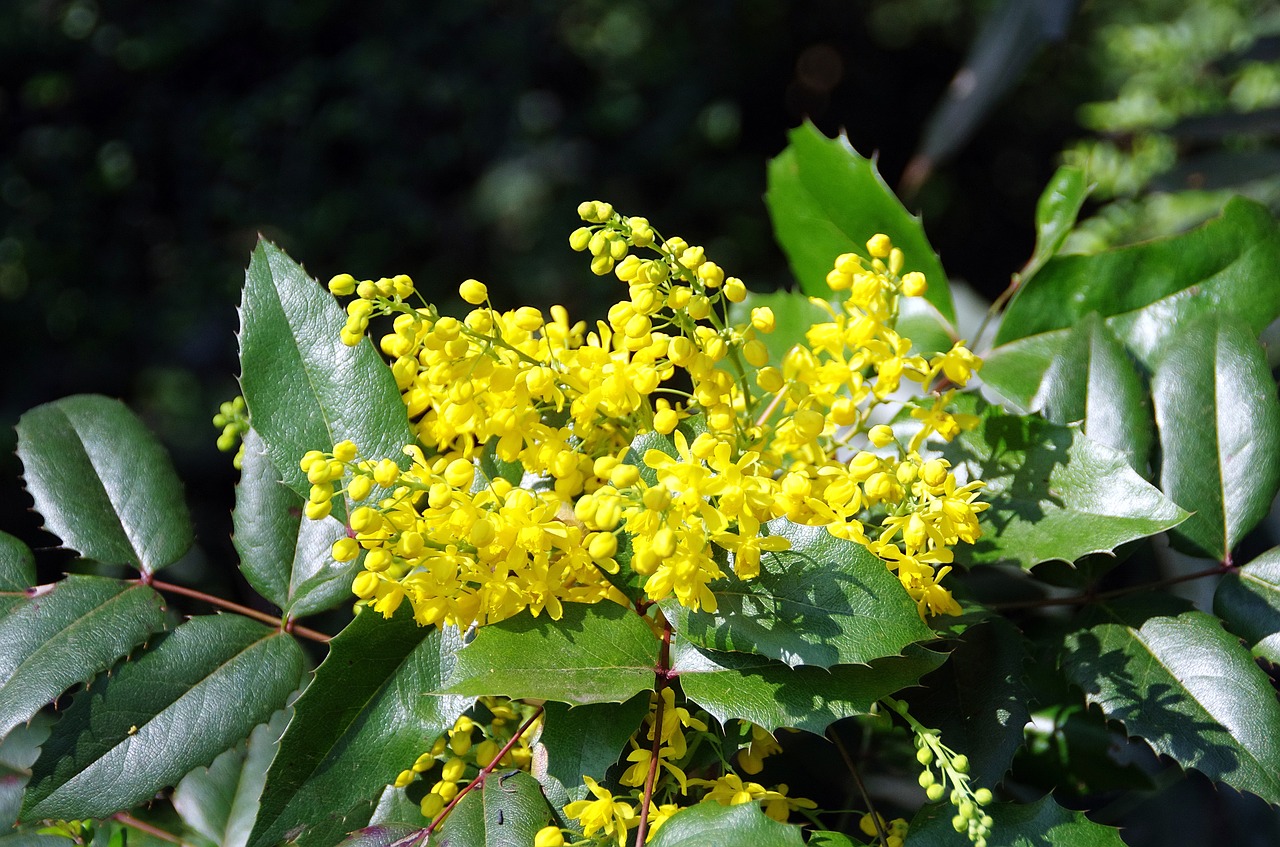

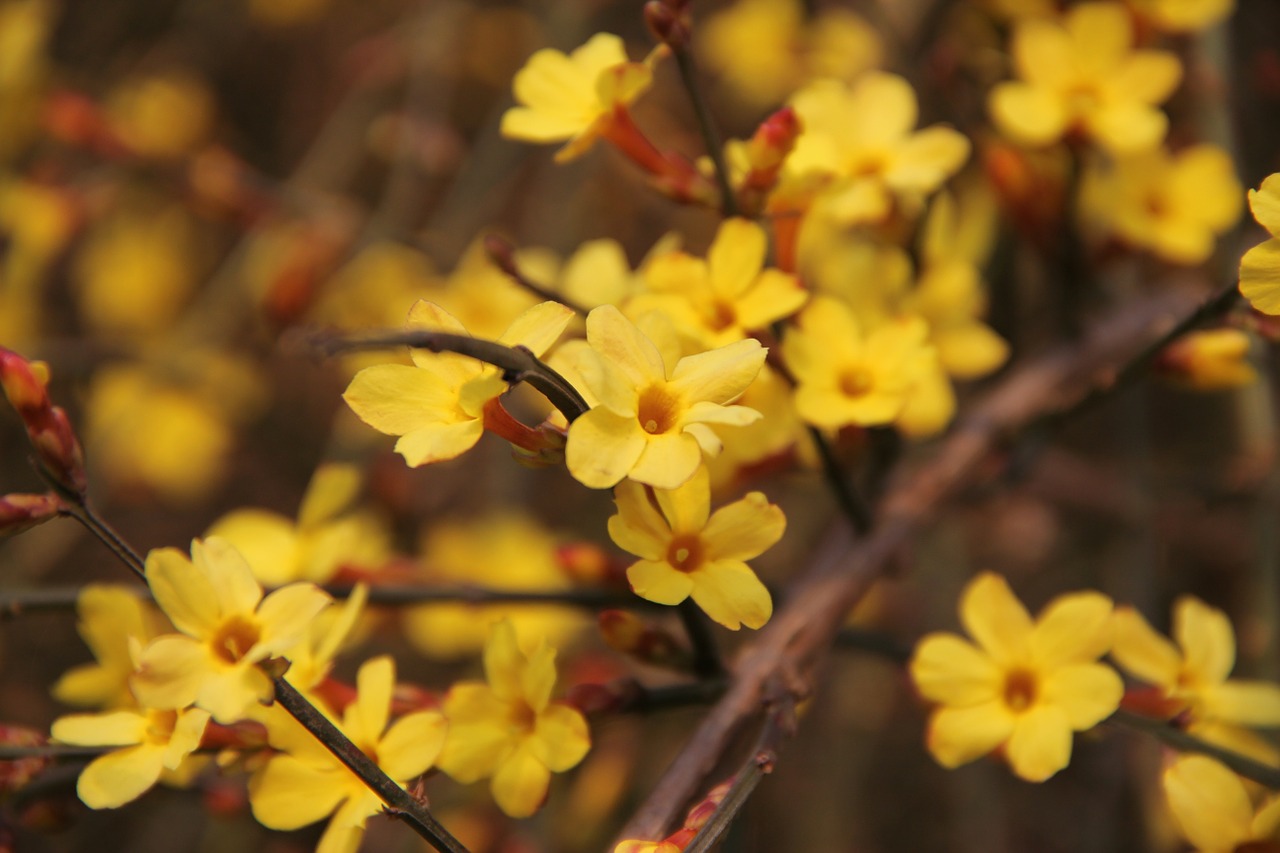
Winter flowering species
From successful winter nests, a second generation of queens and males emerge in February and March to mate; the mated queens then establish their own nests and begin foraging further afield. Not only does the local population increase but two generations of queens have avoided the many perils of hibernation.
The fall in honey bee numbers means that there is less competition among pollinators for resources and more of these new buff-tailed bumblebee nests will survive.
While there seems to be many fewer invertebrates in the reserve, the nectar feeders among them seem to do well and hopefully their numbers may begin to recover. The buff-tailed bumblebee is proving itself adaptable, able to exploit the changing climate, the loss of competitors and the opportunities offered by human habitation.
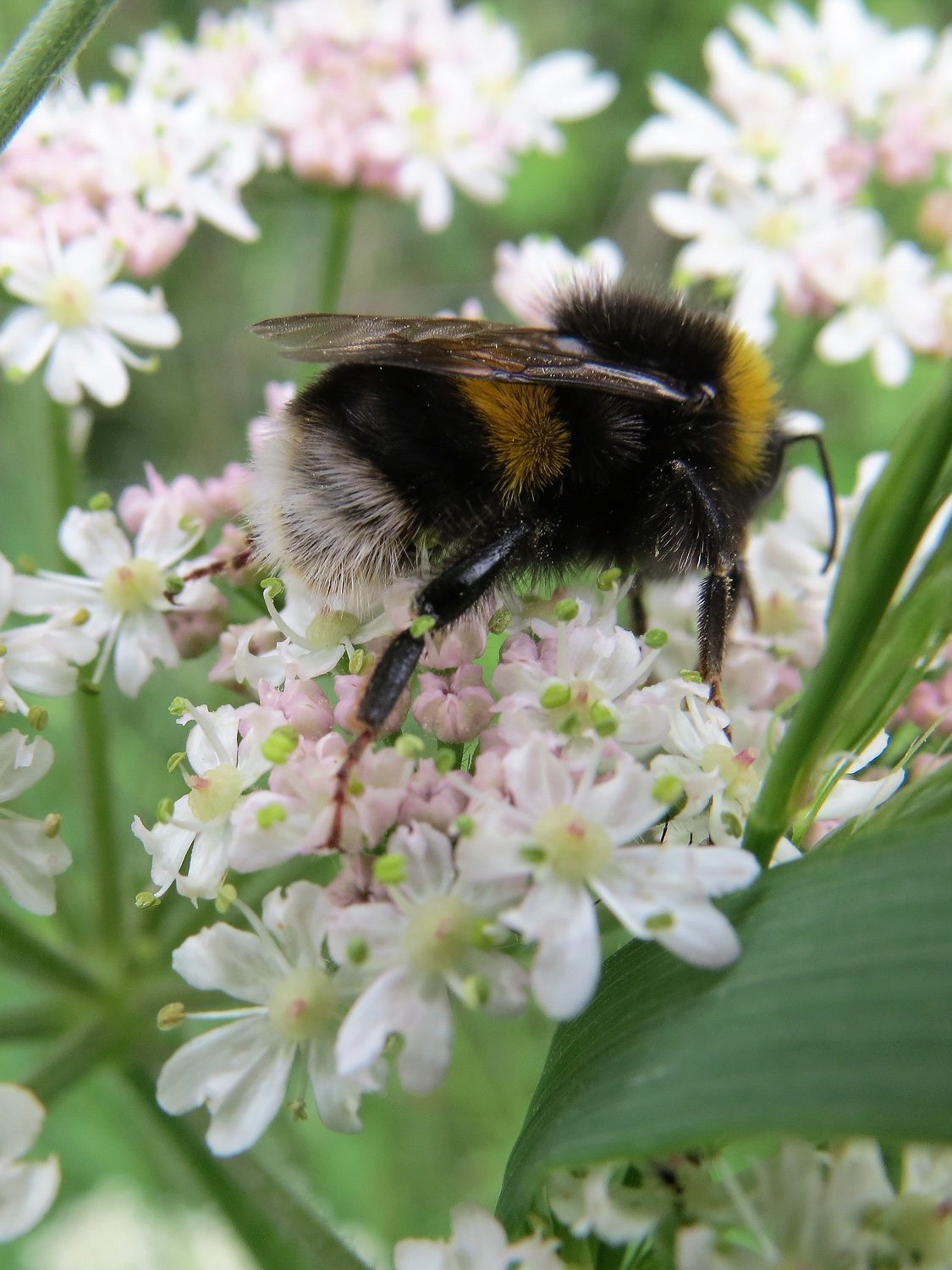
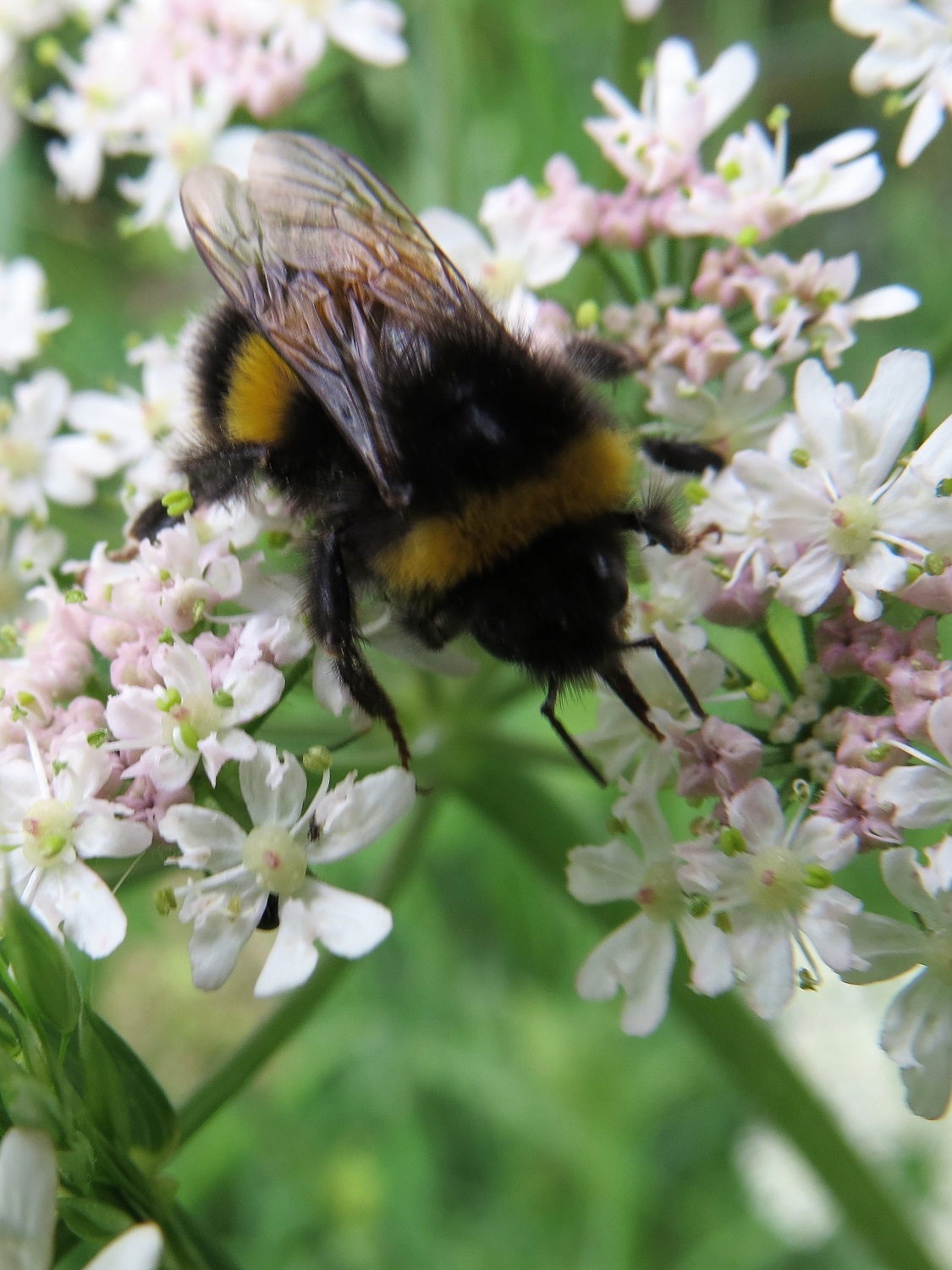

Buff-tailed bumblebees collecting nectar on hogweed.
Climate change and man-made ecological changes have upset the balance of our pollinator species and are now threatening the world’s food resources. If overwintering bumblebees can help us to replace some of our lost honey bees, then we should encourage them into our gardens with winter-flowering plants.

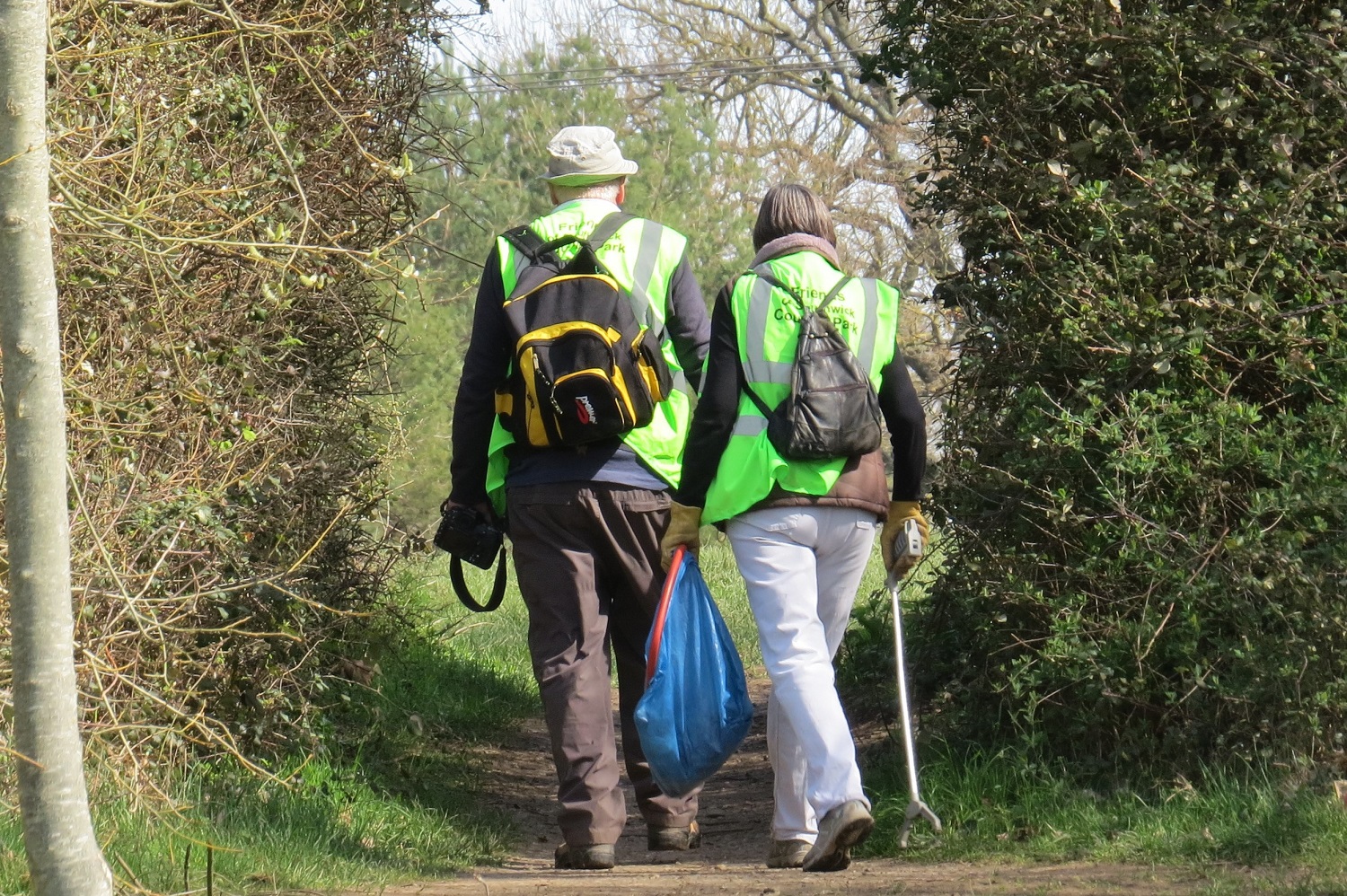


 Southwick Country Park Nature Reserve
Beautiful creatures! I notice that the numbers visiting our garden has increased this year versus the previous year. 👍
Yes, they seem to be a species that, so far, is coping quite well with the changes in its environment. Taking advantage of our liking for winter-flowering shrubs is a cool move.