
Wildflower meadows
Gorgeous pictures taken in our wildflower meadows by wildlife photographer Simon Knight and sent in with a question:
“Here are some pictures from the reserve taken over the past few weeks. It’s a shame we’re about to lose most of the flowers and a huge amount of invertebrate life with the grass being cut so early. Why can’t the grass be cut later in the summer?“
The reserve, a patchwork of habitats, is the outcome of careful land management. You only have to look at the set-asides in Kestrel Field and Village green to understand how quickly the fields would revert to thicket if the grass was not cut.


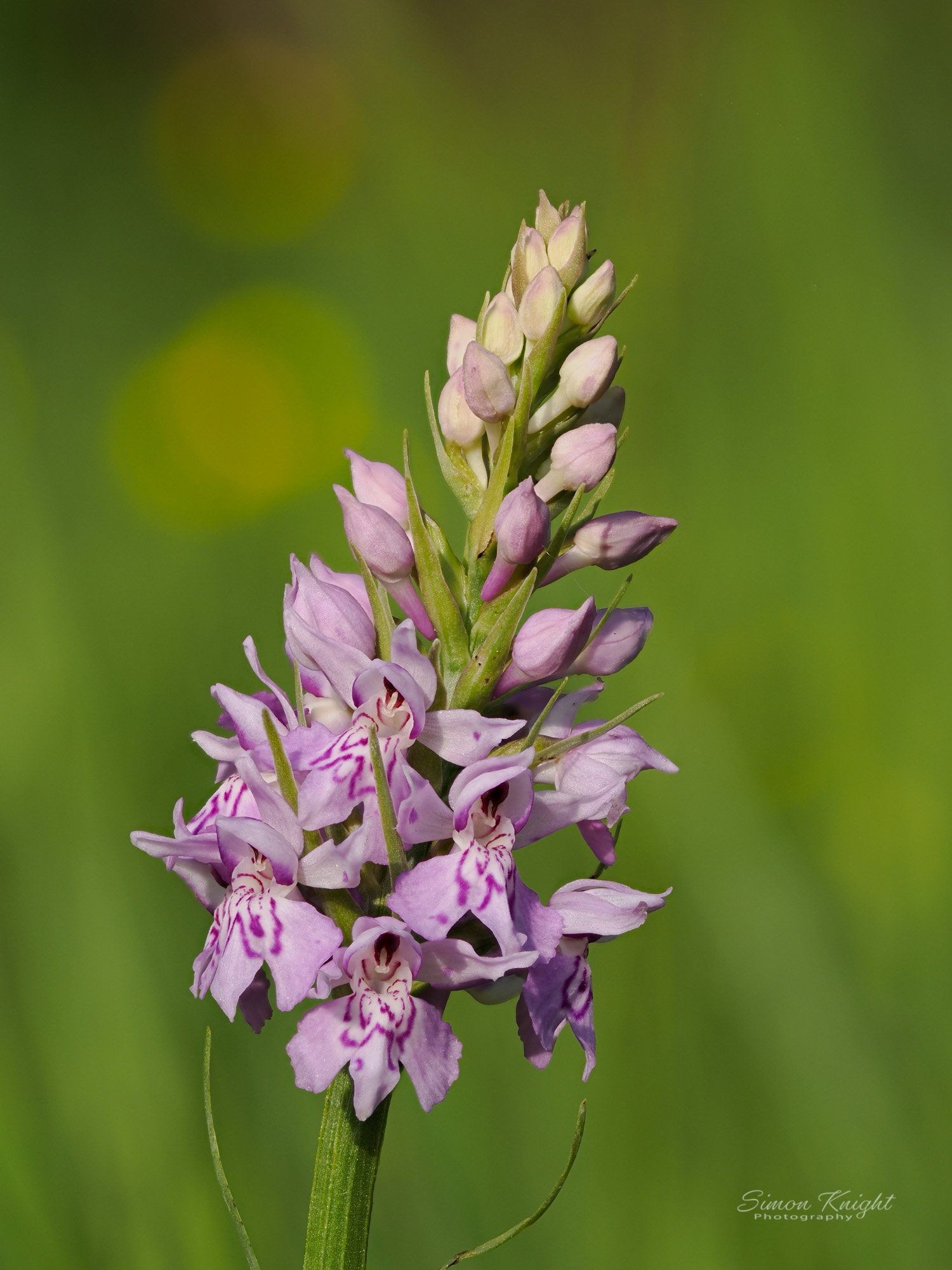
Our intention has always been to make species-rich flower meadows out of the old arable land of Southwick Farm. To do so, nutrients have had to be extracted from the soil, year on year, by cutting and taking away the grass. Wiltshire Council lets the land to a local farmer who does exactly that: he pays his rent, he cuts the grass, makes it into hay and carts it away. As a result our meadow plant community, as your photographs show, is thriving, along with the hundreds of species of invertebrates that depend on it.
Our tenant farmer cuts the grass just as it begins to makes seed, around midsummer. This is when the crop’s nutritional value is at its highest. While this might seem to benefit only the farmer, it does benefit the reserve as well.
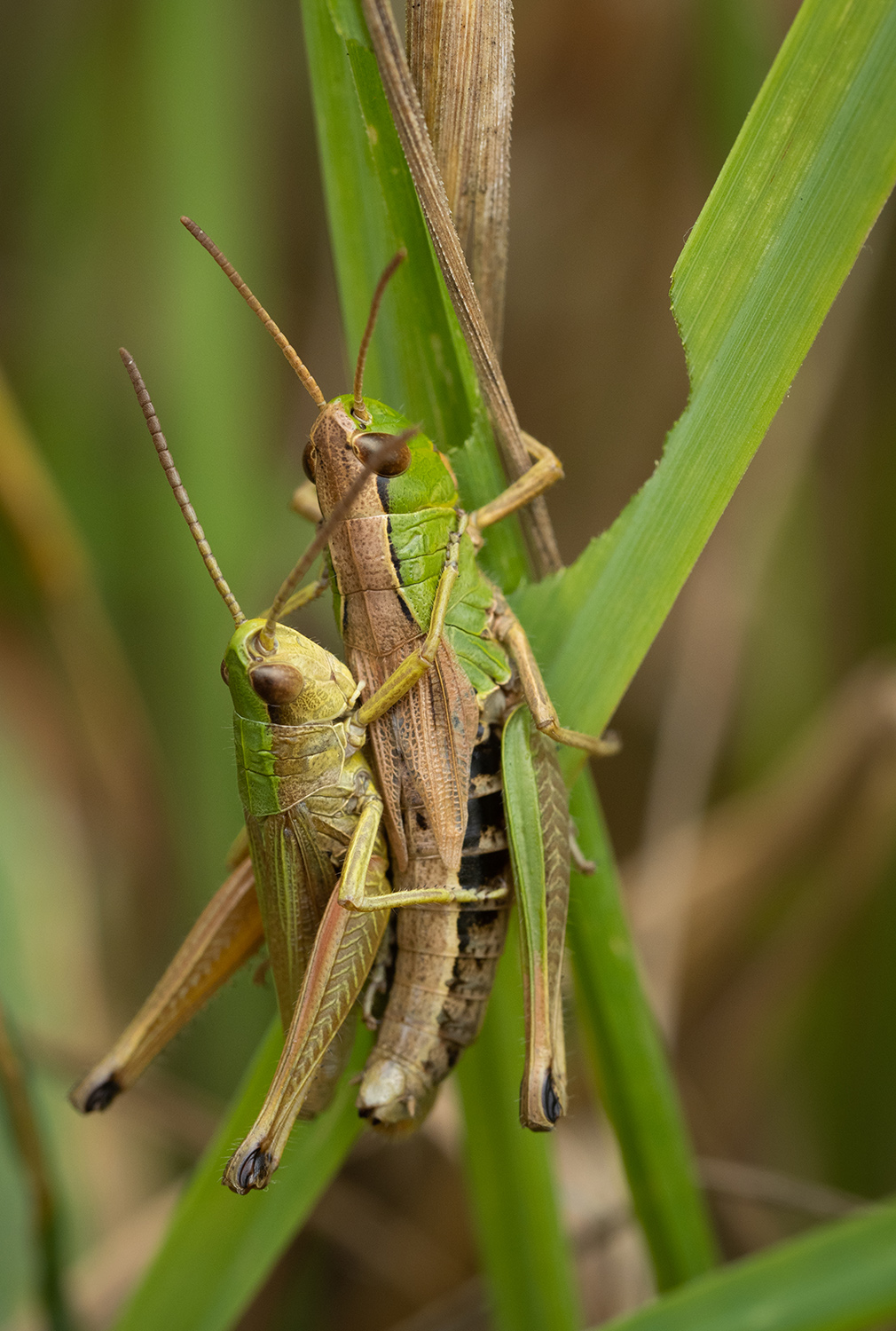

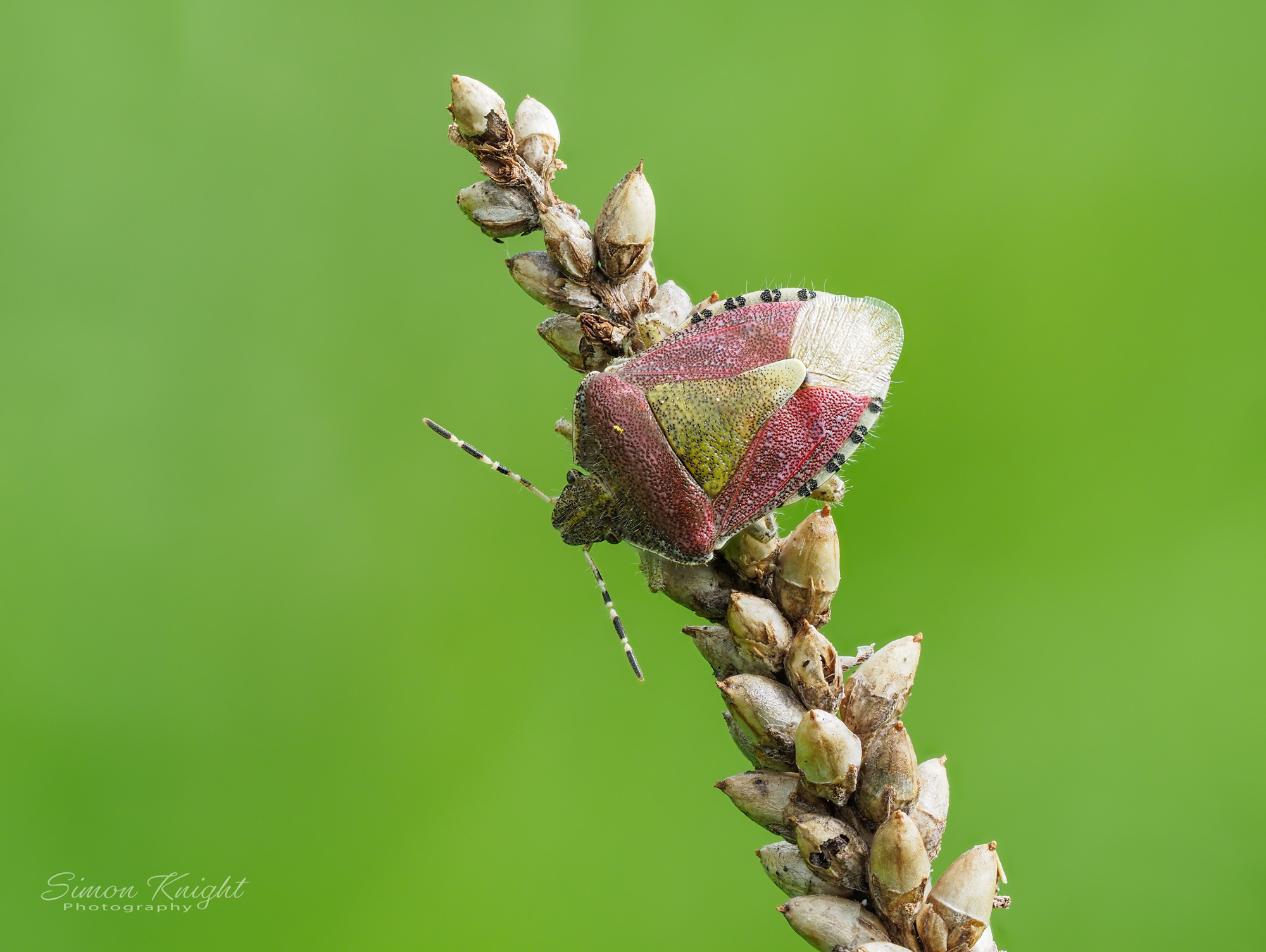

If grass sets or sheds its seed, it considers its job done and it will send nutrients back to the soil. Nutrient build up, called eutrophication, reduces the diversity of wildflower meadows. Go and look at the carpark end of Lambrok Meadow where the soil is eutrophic because each year’s floodwater brings in nutrients from upstream and each day people arrive by car, let their dog out to defecate and do not bother to pick up the result. You will find fewer and coarser grass species there, many fewer wildflower species and, as a result, fewer invertebrate species.
The more diverse our meadow plant community, the more invertebrate species we attract, some very specialised feeders among them. We are identifying new flora and fauna every year: last week Ian identified three new species of hoverfly, all nectar feeders, and last year it was three new species of orchid.
A midsummer cut helps to maintain the balance; a system of late summer grass cuts could, in the long run, reduce the reserve’s biodiversity.



 Southwick Country Park Nature Reserve
I would of thought it was the other way round – more nutrients in the soil equals more plants.
Yes, a nutrient-rich soil will produce more hay overall, but it would be made up of fewer species of grass and wildflowers. At the car park end of Lambrok Meadow the vegetation is tall and lush. It over-shadows and crowds out smaller and finer grasses and short stemmed or creeping wildflowers.
Why does that matter.
For example: common blue butterfly caterpillars eat bird’s foot trefoil (yellow flowers in the front of the picture), a low growing plant that has been crowded out by the lush growth at the car park end of Lambrok Meadow. If that were to happen all over the reserve, common blues wouldn’t come here any more.
I’m no expert so I’ll leave it to others to respond save that, of course, the Council had a no mow May policy.
I had forgotten about that! Thank you for reminding me.
From the reading I have done, it seems that to increase diversity in flower meadows a Spring cut before the end of April is good, then a Summer cut from late June to August – but the flowers need to have set seed and be left on the ground for a couple of days to finish dispersing any remaining seeds. An Autumn cut in late November can also be beneficial. I don’t think all of the flowers have gone to seed yet and cutting and then bailing straight away (as was done in Village Green) is not good as far as I can tell.
Perhaps we should be calling our fields hay meadows rather than flower meadows. What you are describing is how to manage a flower meadow solely for biodiversity but the reserve is farmed by somebody who pays rent, helps us maintain our hay meadows and expects a viable crop in return. The timetable you’re suggesting would have to be managed some other way: I doubt our farmer would be happy with three mowings a year for a single crop.
A new management plan is a very good idea but funding as well as the farmer’s work-in/product-out ratio, would need some thorough revision.
Life is usually a compromise. We can’t have Snowdrops and roses in flower at the same time (unless of course it is in a painting). So, it seems that if we are to really achieve a wild flower meadow, the grass has to come off at this time of year and we lose a little.
Oh David, as the crises pile up, compromise seems to become harder and harder.
Was the field you are calling Village Green cut for haylage. Haylage is cut early, wilted and baled in plastic almost straight away. Hay is cut later and dried over a couple of days at least.
Let’s hope not. Haylage isn’t good for biodiversity. GOV.UK recommends field dried hay to preserve hay meadow habitat.
https://defrafarming.blog.gov.uk/make-field-dried-hay-or-haylage/
Could you use a contractor instead. If you paid him instead of him paying you he would have to cut when you said.
Hi Ossie, we haven’t heard from you in a while; is everything okay? Using a contractor would involve an entirely new funding model. We can suggest it but Wiltshire seems to be spending less and less each year on its green spaces. We are still waiting for a response to Trowbridge Bat Mitigation Strategy’s recommendation of a SANG to take the pressure off the nature reserves.
Were fine thanks. Whats a SANG?
Suitable Alternative Natural Greenspace. Basically somewhere for people to exercise their dogs that isn’t a nature reserve. We are still waiting.
I think Simon’s simple point which has been lost in the page was that delaying the cutting until more of the wildflowers have set seed, perhaps by a couple of weeks would be good practice for hay meadow management in a nature reserve. As I understand it what is being cut today is being rowed up and lifted immediately as fresh grass. Without the 3-5 day wilt and the 2-3 times it’s turned over (tedded), you will get a lot less seed shedding. And a lot less chance for inverts to move to uncut areas/headlands. I think WC need to have a think about this also, as if fresh grass is lifted straight behind the mower they are carting off inverts and a lot of the potential future seed bank down the Frome road that could be avoided by a later cut, for *hay*.
Excellent summary, Will; thank you. Sometimes trying to manage a long comment thread is a bit like juggling and I think I lost sight of the important thing here: Village Green appears not to have been cut for hay. As you say, if it was lifted right away or after a day’s wilting alone, it was taken for silage or haylage, neither of which are good for biodiversity. I will make sure that the Countryside team is informed.
hi, my name is John reading the comments about hay making in the nature reserve. If a farmer cuts the grass and collect it straight away. I think he’s taking it away to make silage for winter feed. If it was cut for hey it would have to be dried before collecting, but it looks like to me. It’s all a question of money. If there is a shortage of money to run the nature reserve properly then should it be considered into handing it over to Wiltshire wildlife trust who would run it properly and also have the money to do so just a thought
Welcome John. You are right: before we let lack of funds (or lack of anything) damage the nature reserve we would have to consider the possibility of gifting it to an organisation like Wiltshire Wildlife Trust.