
Some years, July sees such large and dense clouds of flying ants that the Met Office’s RADAR records them as rain storms.
The flying ants we see in Britain are almost always the sexually mature queens and males of the common black ant, Lasius niger.
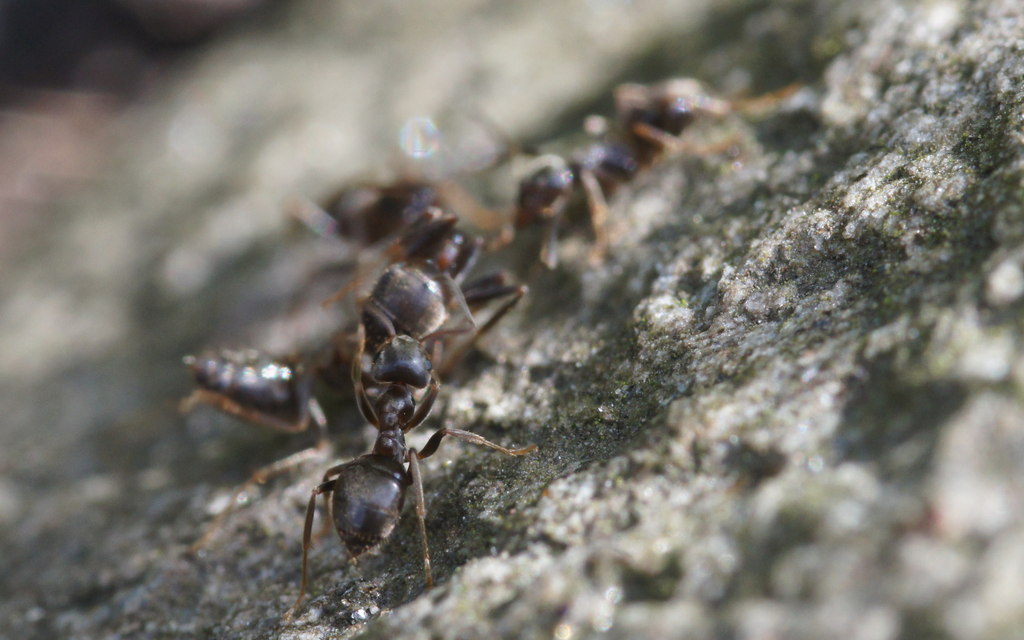
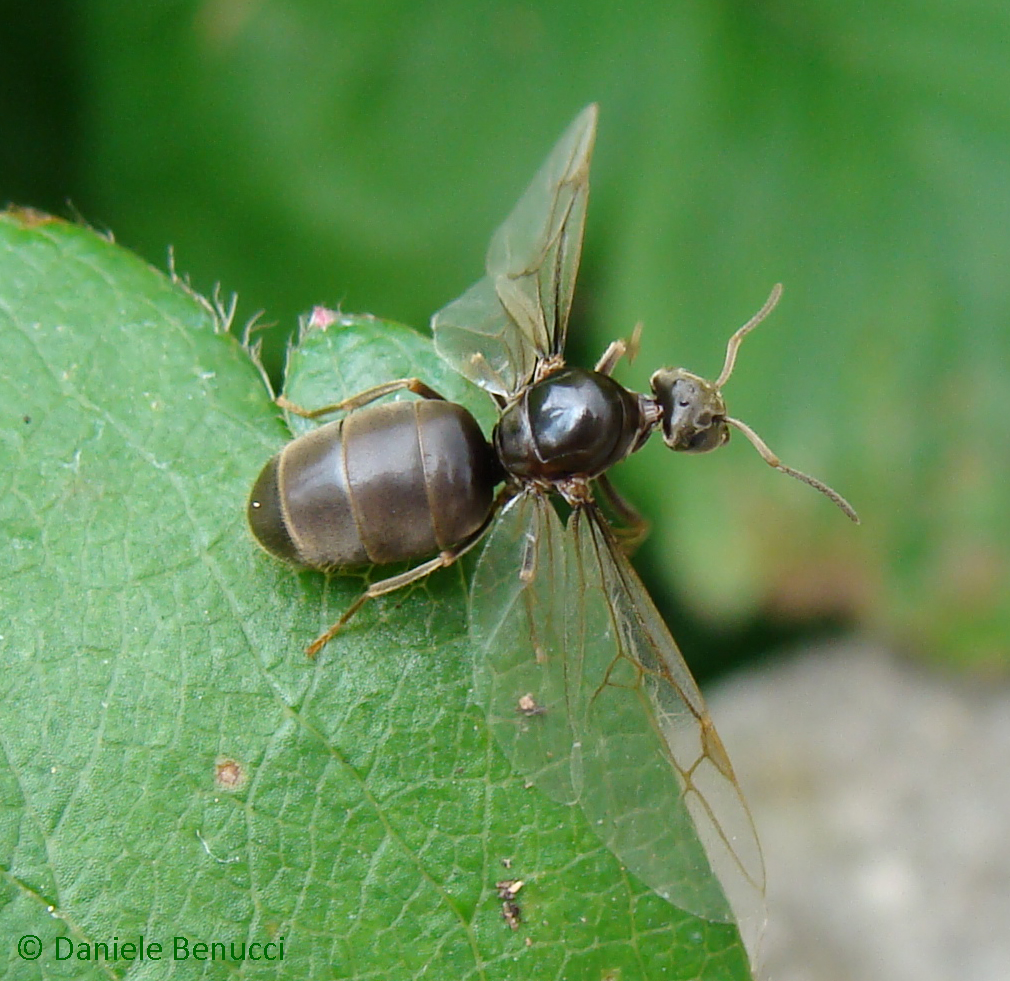
An ant colony can only expand so much; at some point it will begin to run out of resources. Then, a new queen will leave to begin a new colony. She needs to meet and mate with a male from a different colony and find a new area in which she can start building her nest without competing with her natal nest. Having wings and the capacity for flight enables her to do this; the winged males that leave with her are looking for queens from another nest.
The swarming is annual and usually lasts just a few days, coinciding with hot and humid weather. Winged ants appear at different times around the country and local weather conditions are a critical factor for the coordination of swarming activity.
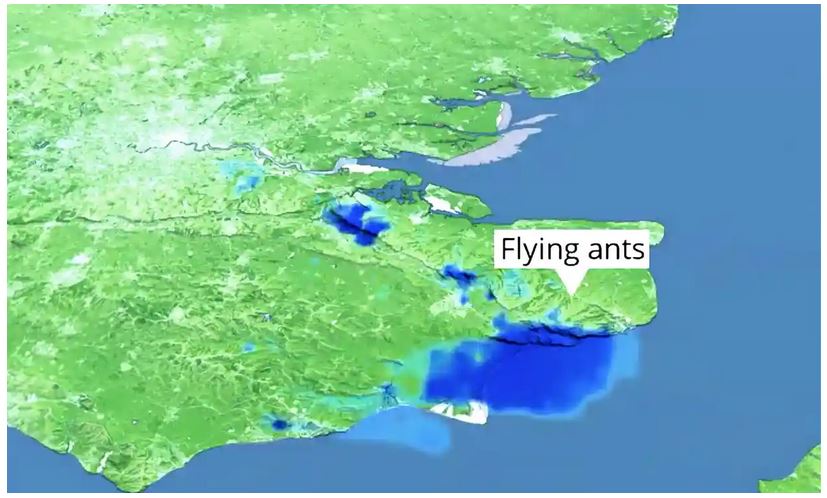

A study done in the UK by citizen scientists found that ants only fly if the temperature is above 13oC and the wind speed less than 14mph. During the study period, every day in the whole summer that had a mean temperature above 25oC had ants flying somewhere in the country. The mass swarming of billions of winged common black ants from hundreds of different nests, triggered probably by very local weather conditions, is the way the species ensures its genetic health by cross-fertilisation.
After mating, the males die, their job is done, and the queens chew off their wings before beginning their search for a new nest site.
We are not sure if the reserve’s’s common black ants will swarm in the present humid weather, but if they do and you get pictures, please send them to us; we would love to see them.





 Southwick Country Park Nature Reserve
Thanks for this very interesting information. We’ve just noticed an invasion of ants but no flying ants as yet!
It’s a bit windy, I think. It’s warm enough and nicely humid but the wind will need to die down before any ants take to the sky.