by Simon Knight
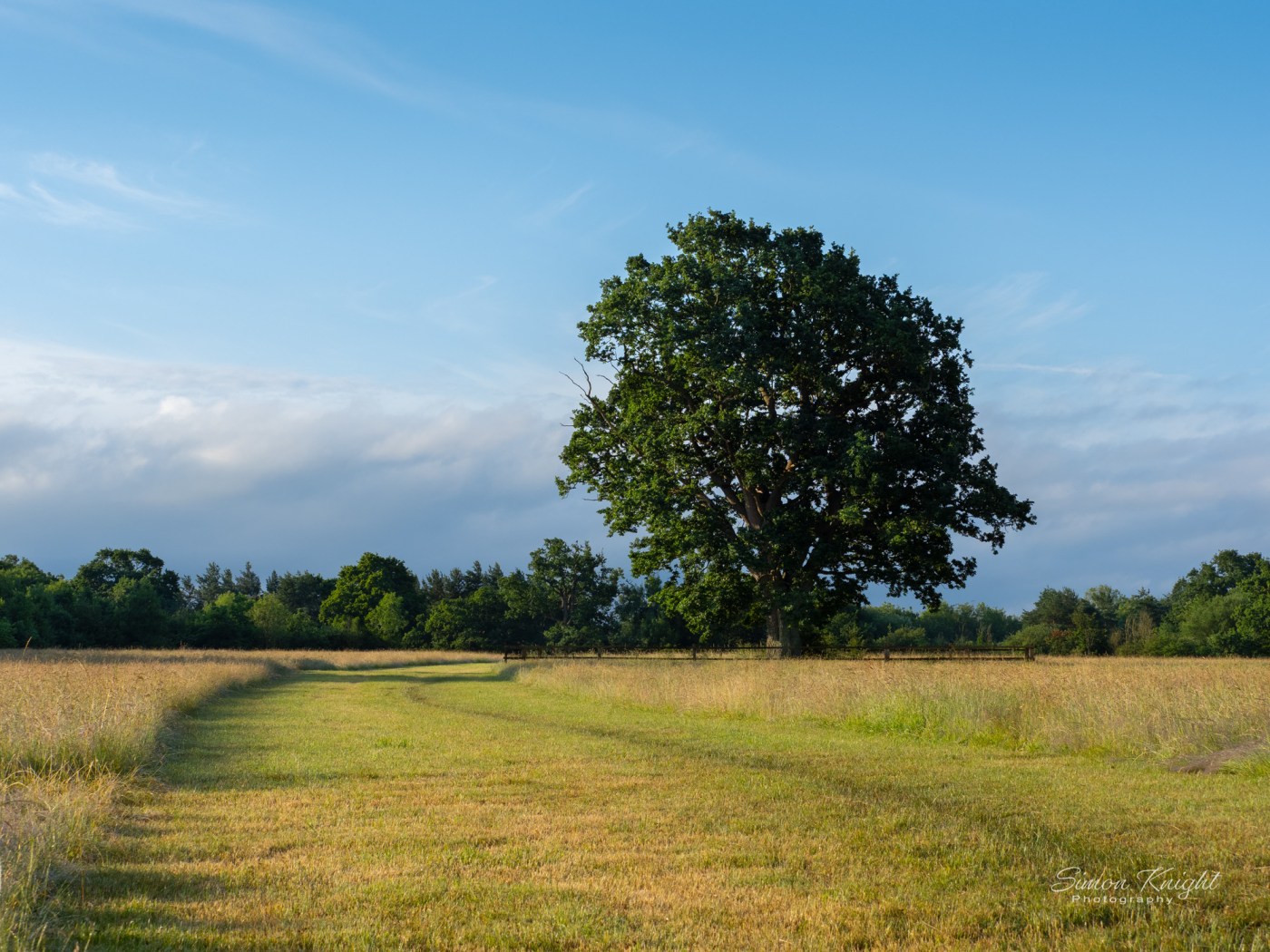
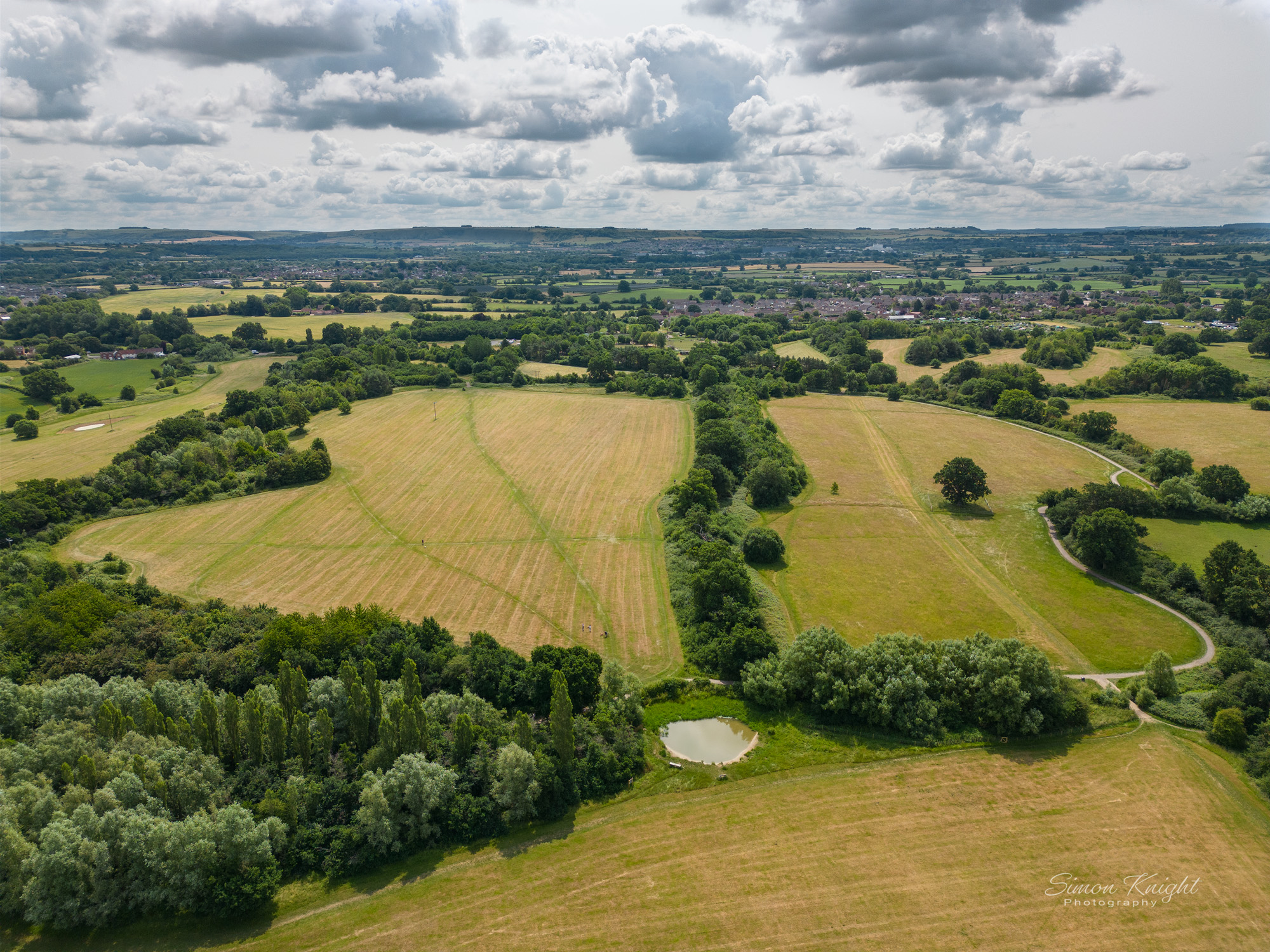
Sunrise during summer for me means early starts in the reserve. And there is no doubt that the first couple of hours of the day is the best time to be there, especially after a clear night. As the sun rises, the dew-covered grass glistens and cobwebs sparkle as the golden light reflects off countless tiny water droplets. As the sun starts its morning climb and the first rays of light illuminate Lambrok Meadow then Kestrel Field, I love to stand in Corn Field and watch the Lone Oak as it soaks up the sun. It’s a beautiful sight.
Sunrise is certainly the best time of day to get pictures of the reserve’s invertebrates before they have had a chance to warm up and get active, especially the butterflies. Whilst butterfly numbers have dropped since the grass has been cut, they are still present. So armed with the knowledge gathered while spending hours in the reserve during many early morning sessions, and of course a little bit of luck, I was able to find a beautiful marbled white as it was drying out in the first rays of the morning sun. I have wanted this shot for some time, and I was so excited to capture it in those first few minutes of gorgeous early morning golden light.
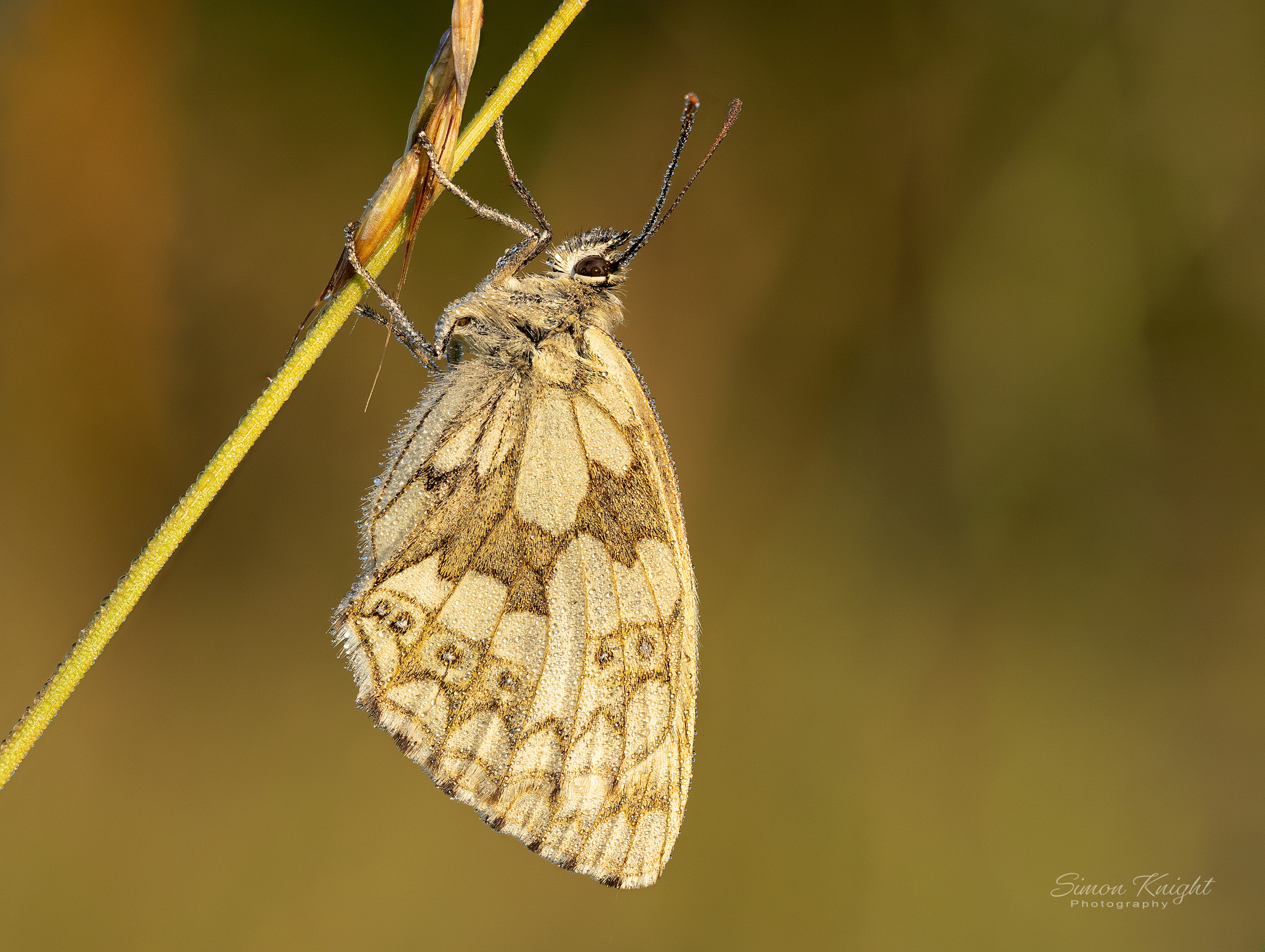

After capturing the butterfly drying out, I explored Corn Field for a bit, but came back to the same location in Village Green about fifteen minutes later to find that it had its wings open. And because it still hadn’t fully warmed up, I was able to get close again to capture a lovely frame-filling shot.
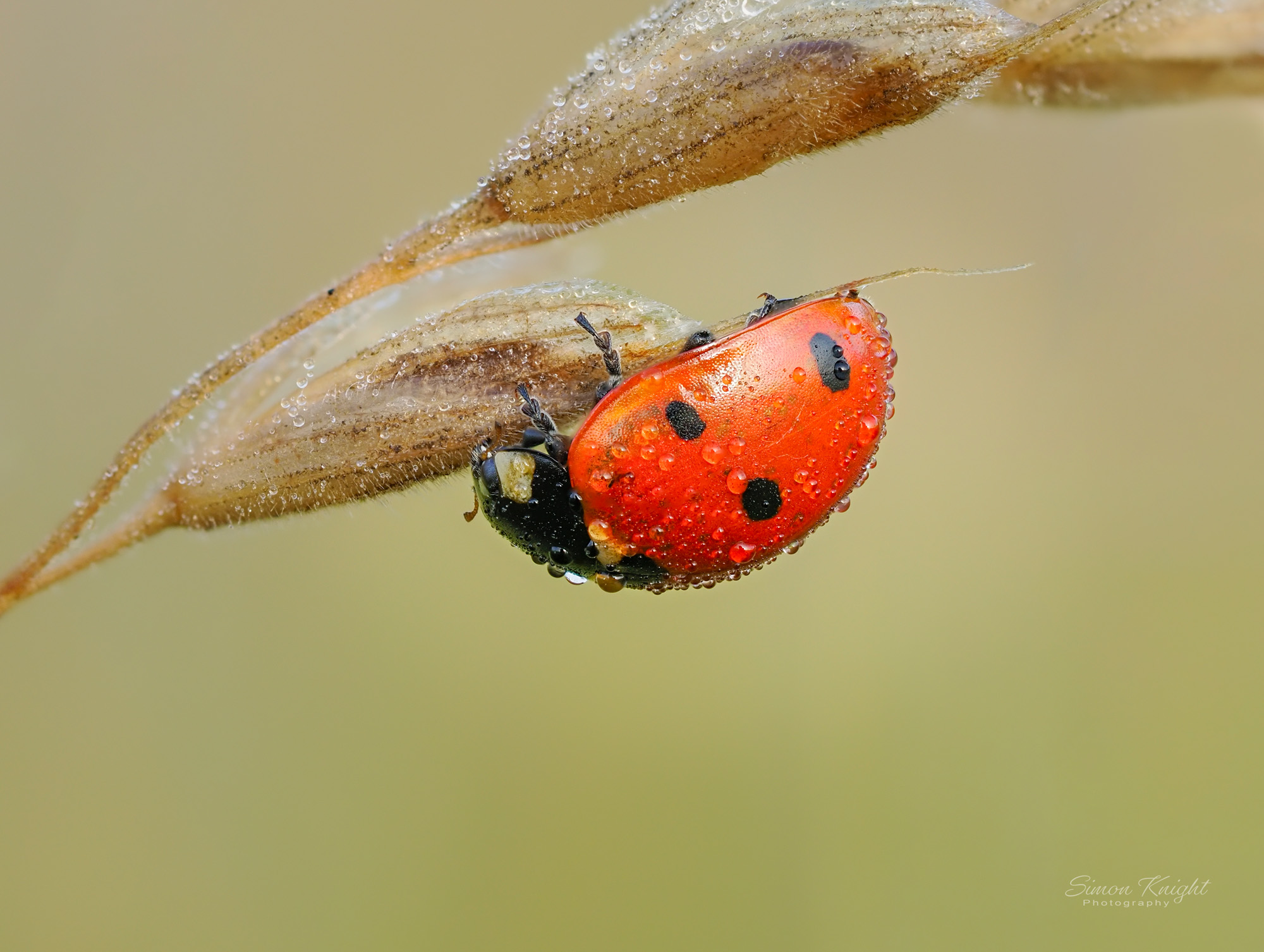
Before the grass was cut in Village Green I was looking for grasshoppers, hoping to capture one on a buttercup. This wasn’t to be, but I did find a couple of ladybirds, something that I have not really photographed before. And within seconds I had forgotten about the grasshoppers and was completely consumed in the tiny world of the ladybird. Once again my job of photographing it was made much easier as it had no intention of running or flying away whilst it waited for the dew to dry from its body.

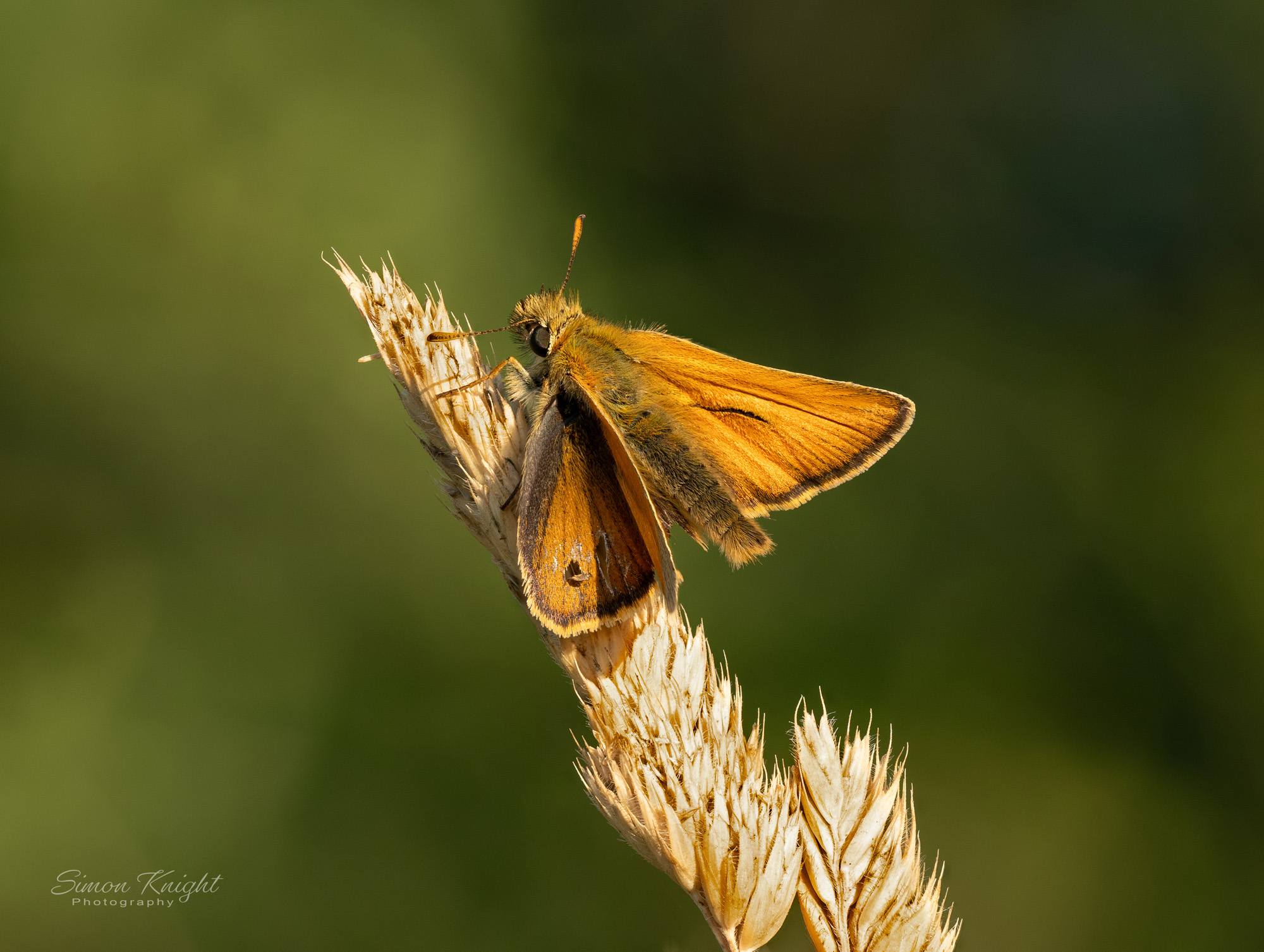
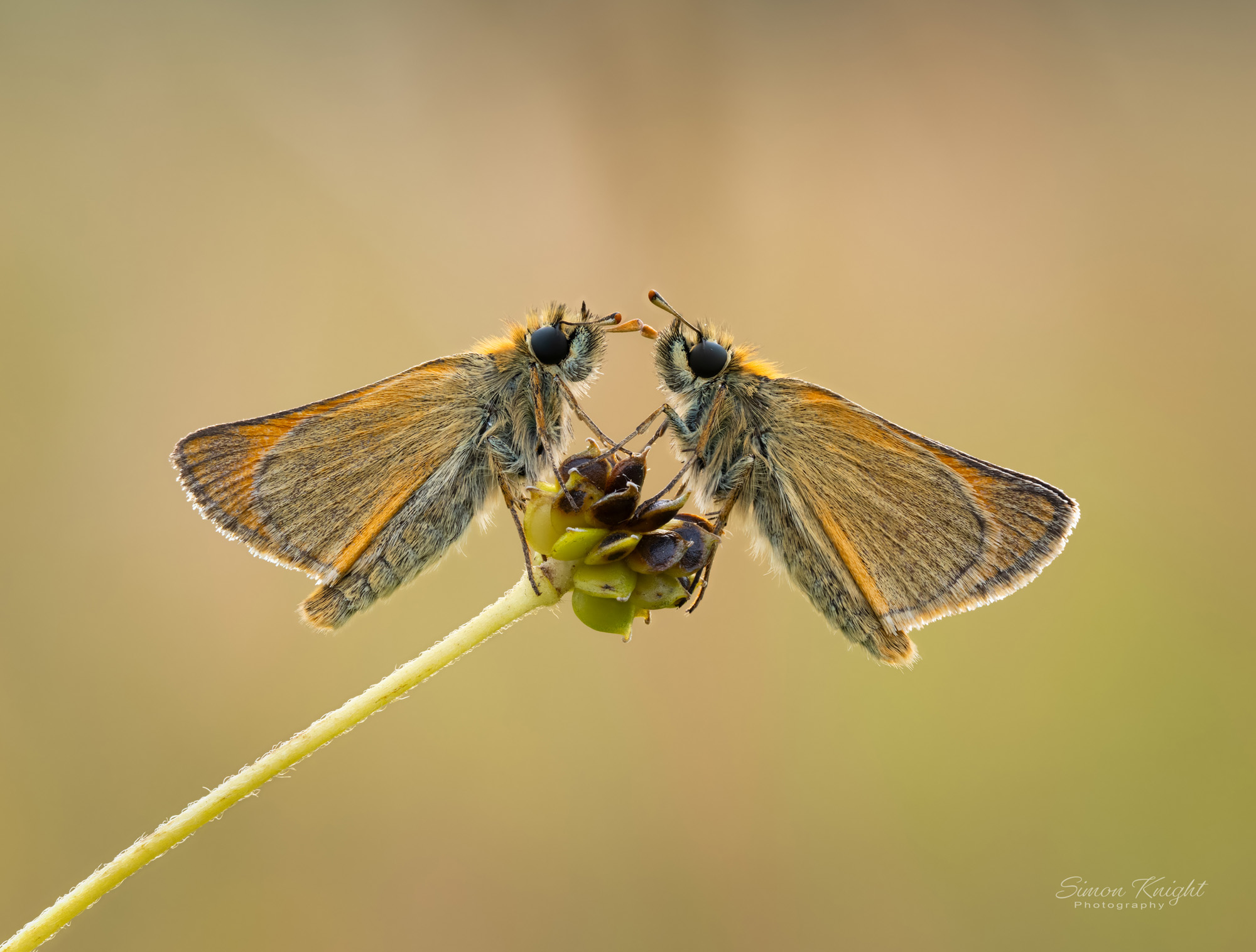
I almost abandoned one early morning session last week after my weather app clearly lied to me. It had promised some sunshine for the first couple of hours after sunrise, but instead, the morning brought with it dull, overcast conditions. But I was glad that I ignored the voice in my head telling me to go back to bed, as the two hours I spent in the reserve were thoroughly worth it. My first special invertebrate encounter came in Kestrel Field when I found some small skippers that hadn’t risen from their nights roost. Fortunately they were high up on some buttercups that were in the process of going to seed, which meant that I would be able to get pictures with clean backgrounds.
The other little gem from the session came when I found my first wasp spider of the year. She was the smallest that I have seen since first discovering them in the reserve a few years ago. She will develop her distinctive yellow, black and white markings as she moults, but despite being immature, she clearly has superb web spinning skills, with a lovely stabilimentum spun into the web.

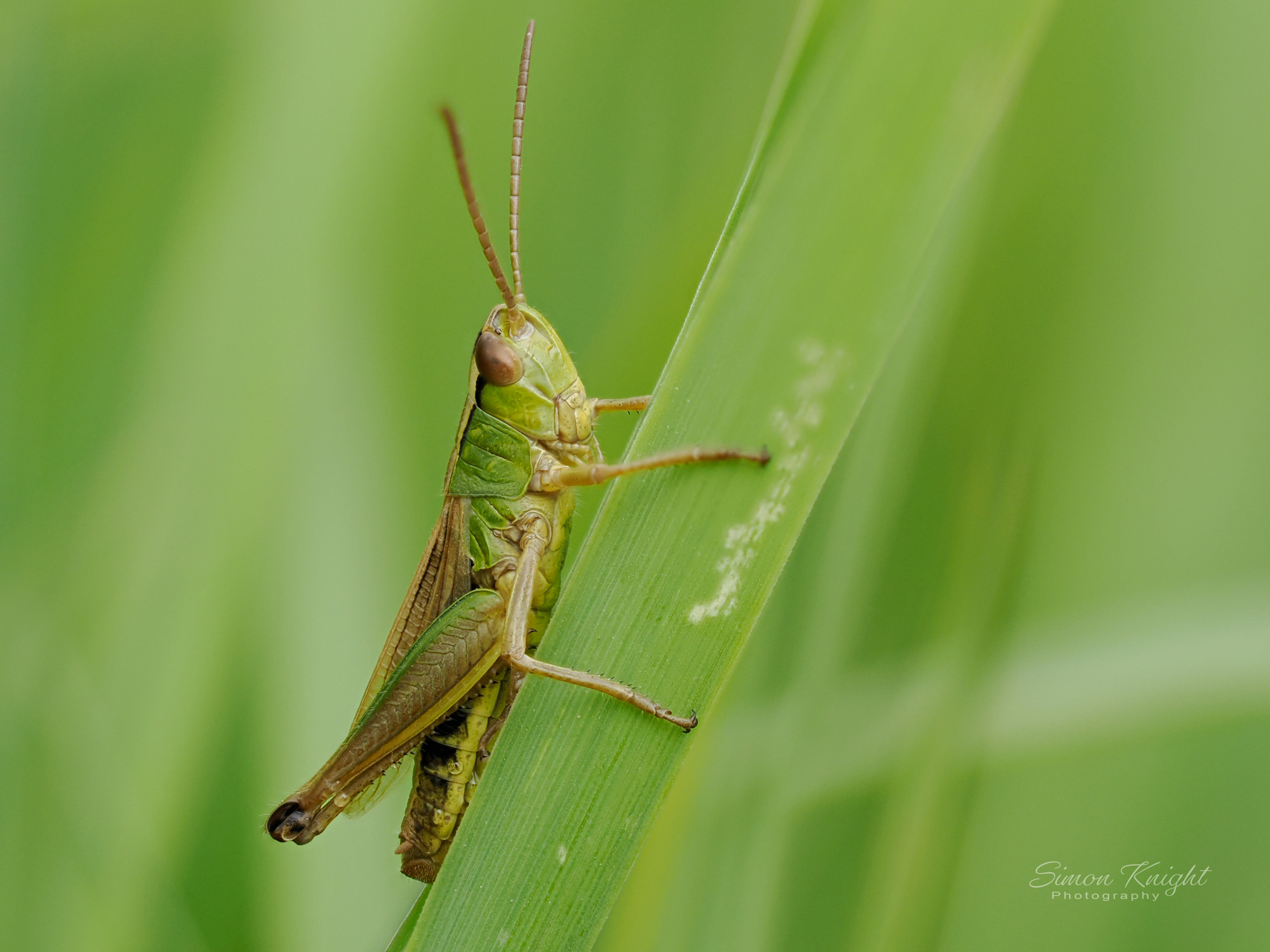
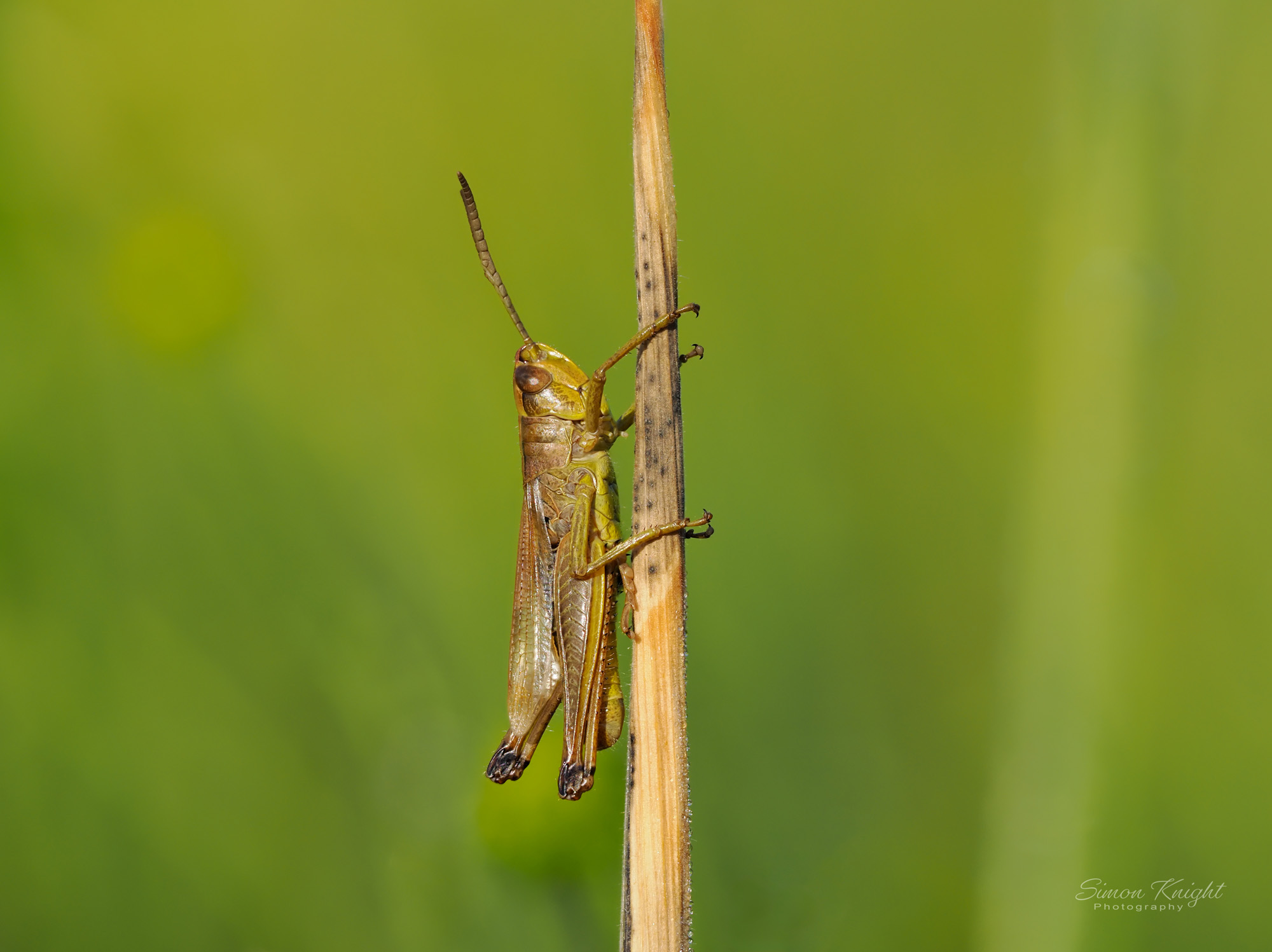
The grasshoppers in the reserve never fail to disappoint from a photography point of view. I find them so fascinating as they grow from their tiny nymph stages through to adulthood, and it’s always a challenge trying to get a picture of them before they jump away.

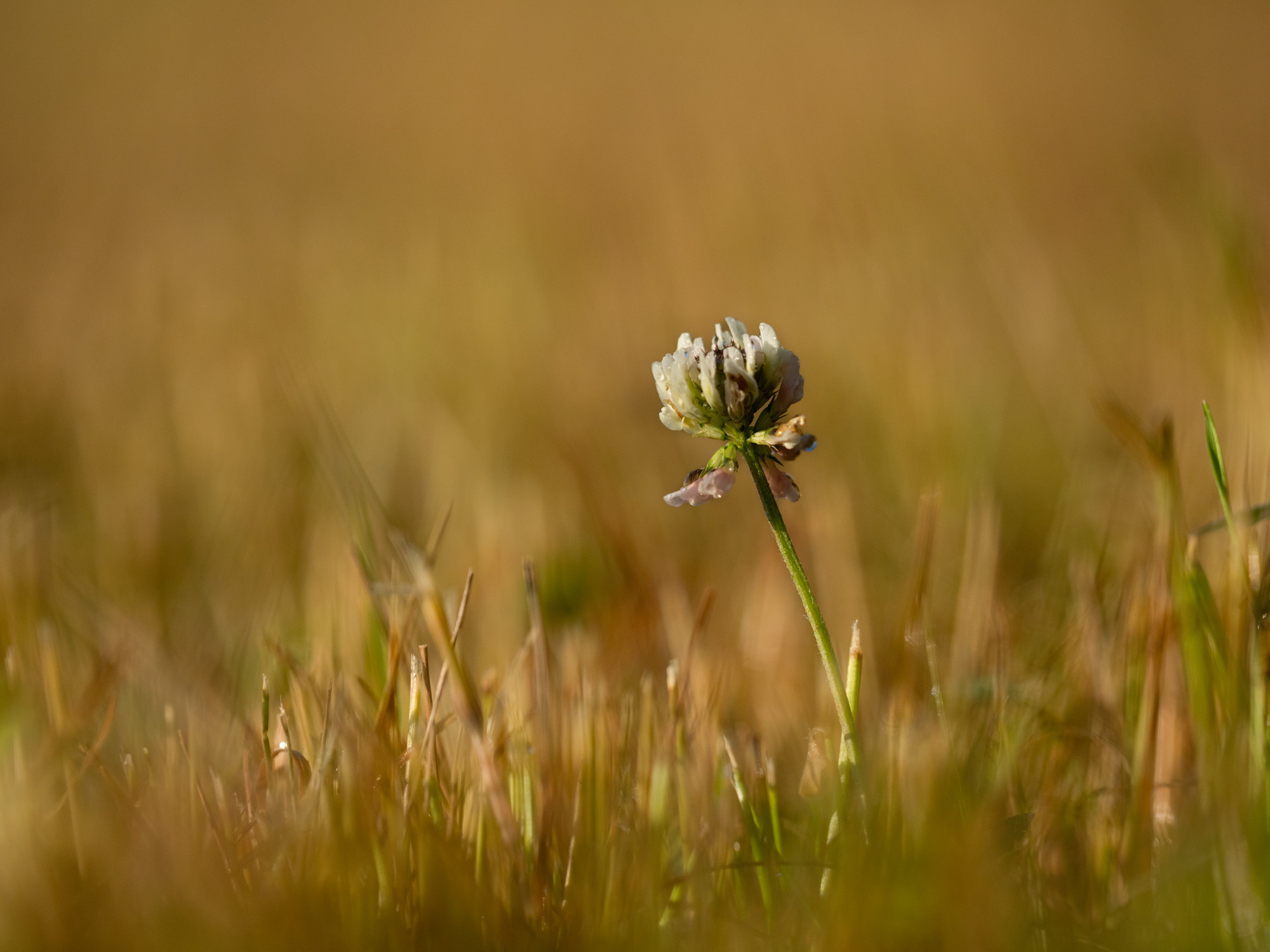
My final picture is quite symbolic of the reserve over the past two weeks. I almost didn’t bother taking it, but as I stood next to the single clover flower that was growing amongst the stubble of the recently cut Village Green, I realised what it represented. Despite the grass being cut and Village Green now absent of the large numbers of invertebrates it was home to only days before, this clover represented the fact that the flowers, grasses and even the invertebrates will return. There is no doubt that we impact (through many ways) the natural cycle of life in the reserve. But this single clover flower shows that nature does fight back. For me, it shows that there is much more work that needs to be done in the reserve to make it a better habitat for wildlife, but it also shows that there is hope.



 Southwick Country Park Nature Reserve
Thank you Simon for your wonderful account of an early morning walk in the Nature Reserve. Since moving to Southwick 14 years ago I have never seen a grasshopper and sightings of other once common wildlife have become much rarer! We are so lucky to have the Country Park on our doorstep and with dedicated people like yourself striving to make a better habitat for wildlife there will always be hope!
Thank you for your kind words Barbara. I would be happy to show you some of the little critters that call the reserve their home if you ever wanted a tour!
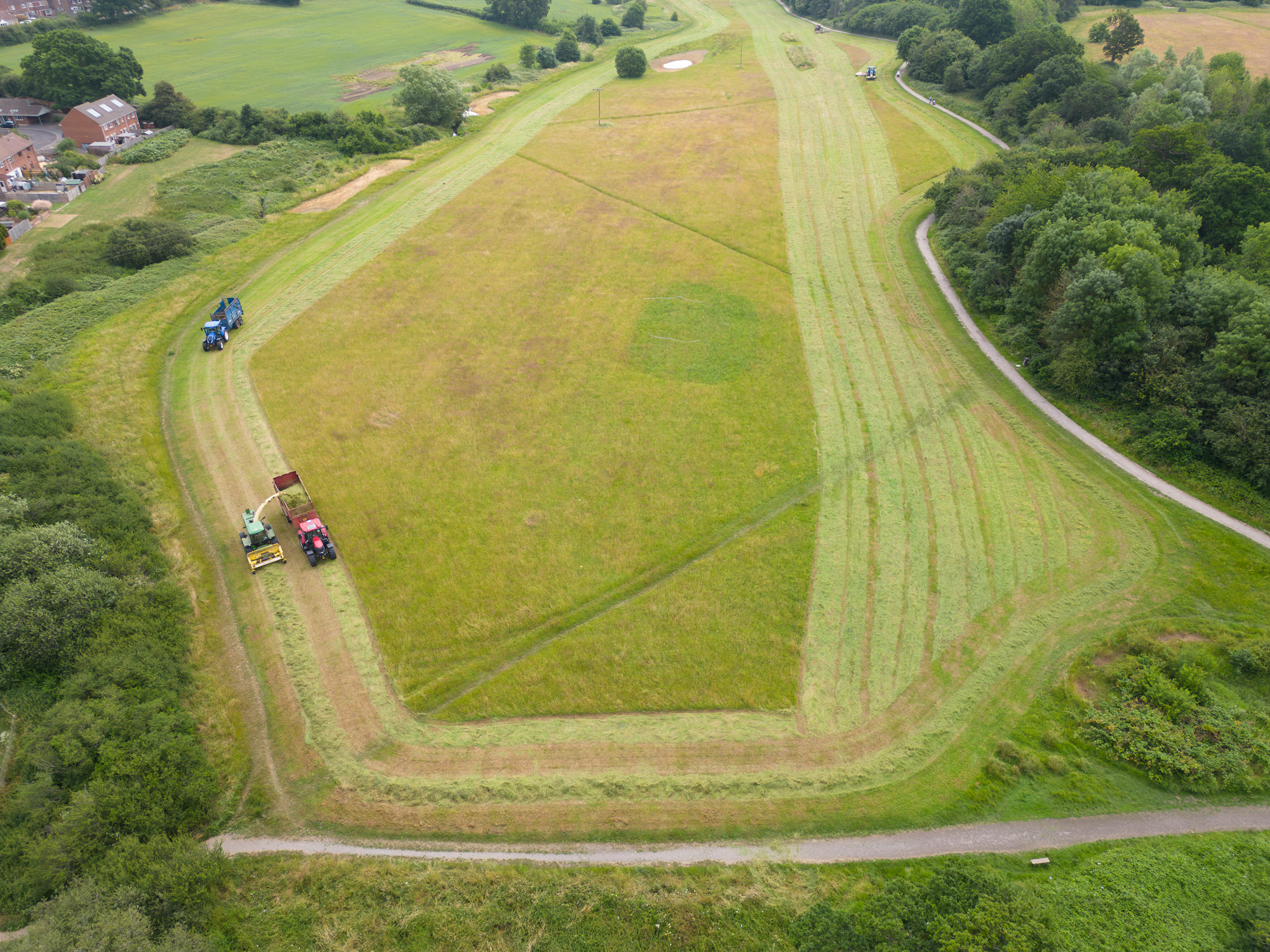
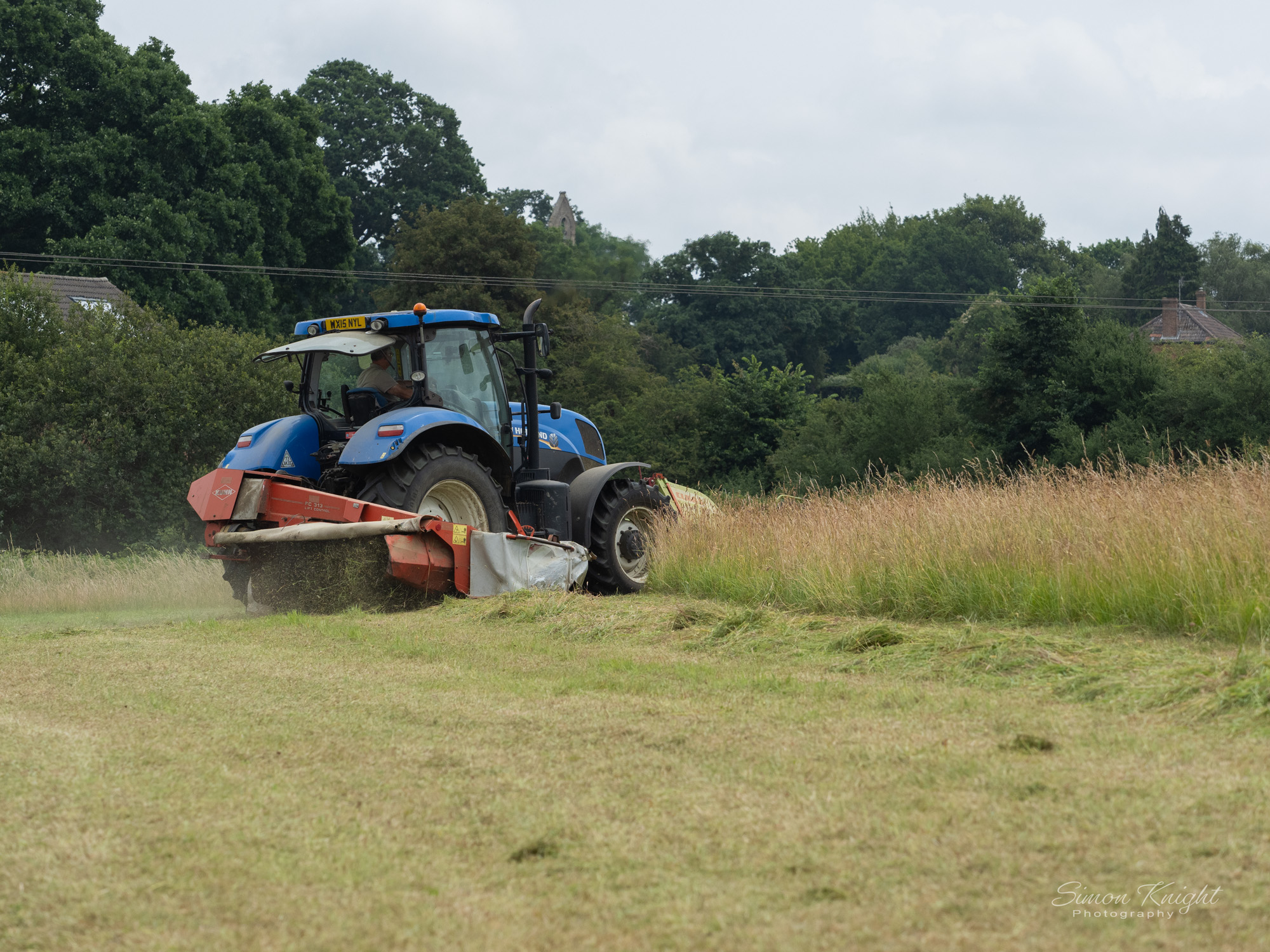
My son and I were interested as to why areas of the park had been cut with wide strips and the rest left. I’ve never seen it cut like this before. Is it for the wildlife? And will you be cutting it all eventually this summer or leaving it?
Yes, cutting the grass in strips allows the wildlife to run, fly, wriggle off or otherwise relocate. We call it patchwork mowing but I expect it has a more scientific name.
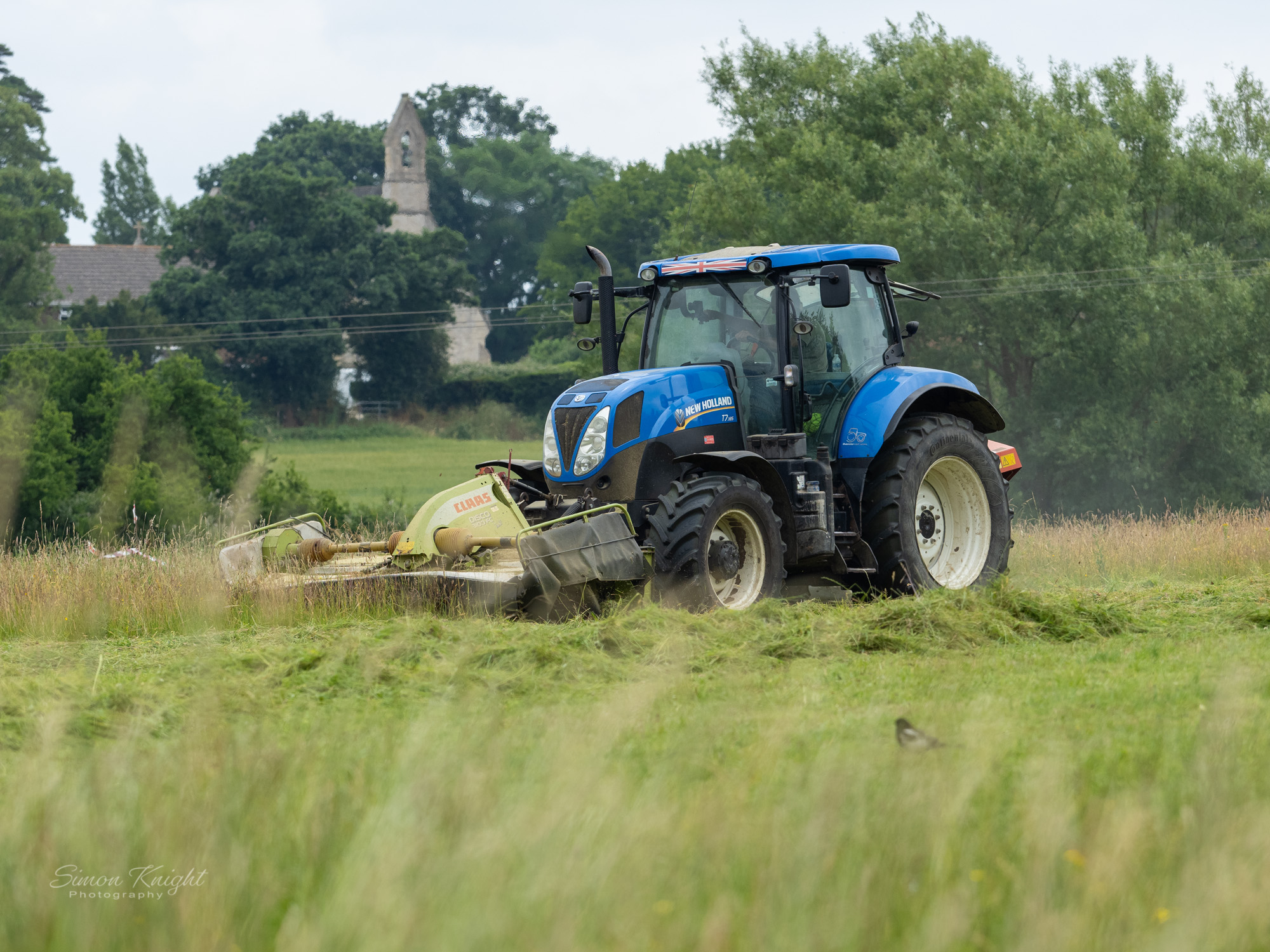
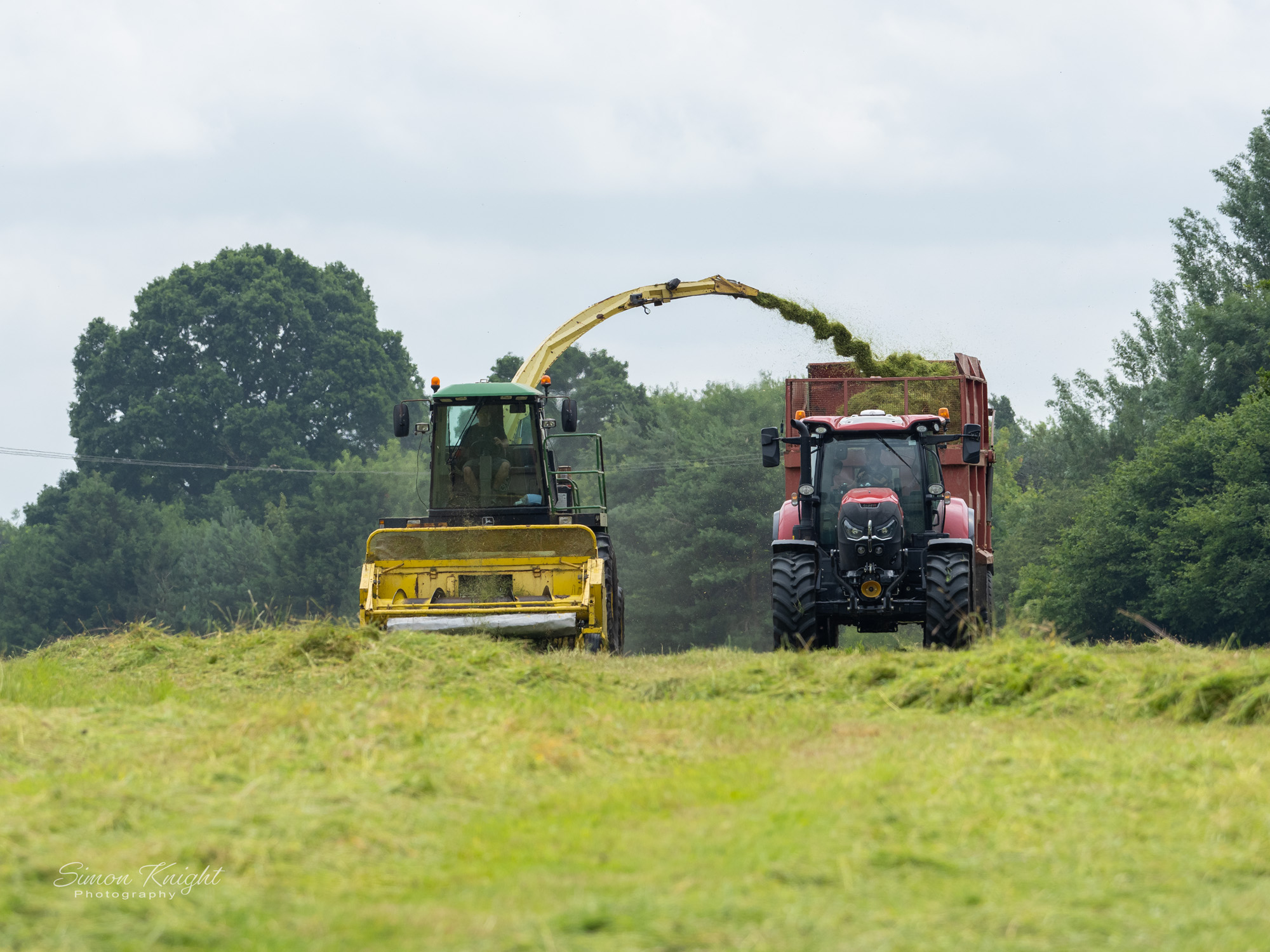
In one of the pictures, they are making silage. Nothing escapes that.
You are right, Silage made with a forage harvester, like the one in that picture, is NOT eco-friendly. I am making enquiries.
Great pics you are very lucky to have such a brilliant photographer working with you.
Thanks Simon, that’s very kind of you.