
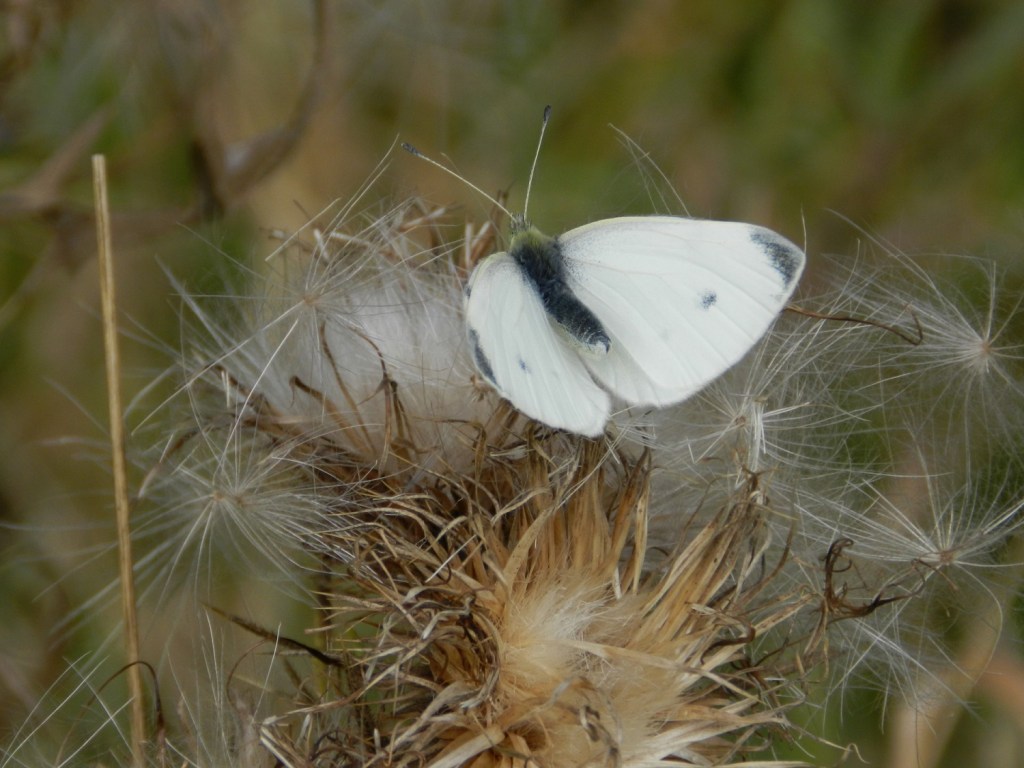
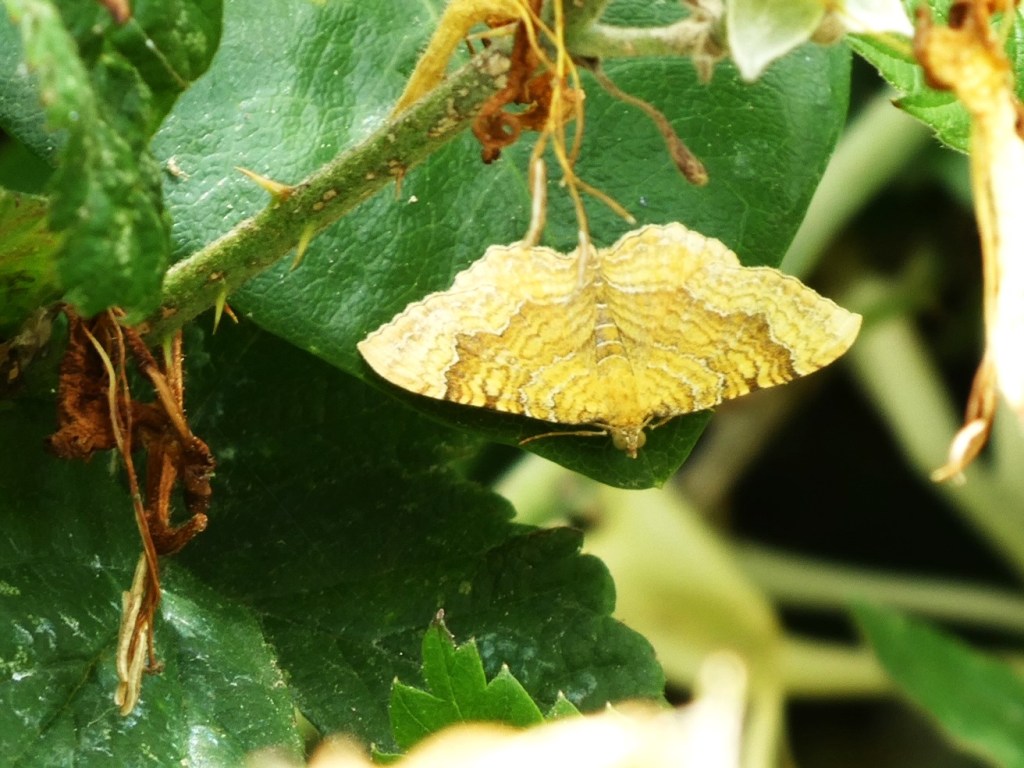
Butterfly Conservation’s annual Big Butterfly count begins today, Friday 14th July, and ends on Sunday 6th August. Have you joined?
How?
Begin by downloading the free Big Butterfly Count app or Butterfly Conservation’s ID chart.
Between Friday 14th July (that’s today!) and Sunday 6th August, find a sunny spot and spend 15 minutes counting and recording the butterflies you see.
Submit your sightings online at bigbutterflycount.org or via the Big Butterfly Count app if you downloaded it.
You can do this as many times and in as many places as you like. Last year, more than 64,000 citizen scientists took part, submitting 96,257 counts of butterflies and day-flying moths. Let’s see if we can beat that.



Why?
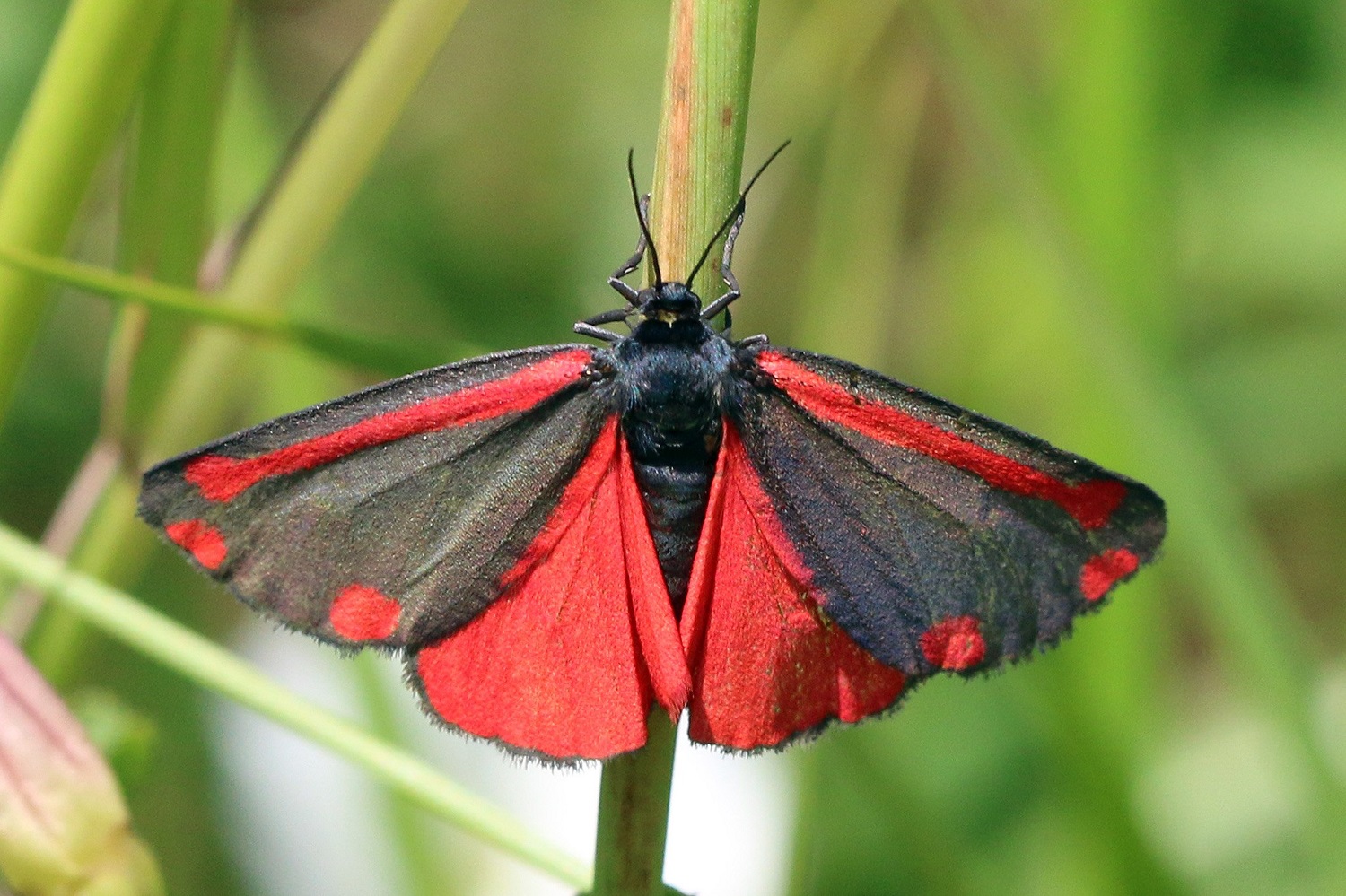
Butterflies are an indicator species. They are very sensitive to subtle changes in their habitats and to wider climatic changes in their environment. They have short life cycles (some species fit two or even three generations into a single year) so their reaction to change shows up very quickly in population and distribution numbers. Scientists use those numbers as representative of a range of other wildlife: if butterflies are in trouble, it can mean that there is trouble coming down the line for many other species that live slower lives in less specific habitats.
Without the Big Butterfly Count’s enquiry into this summer’s numbers, we will not know how damaging last summer’s drought was, not just for butterflies but for all our wildlife. Butterfly Conservation is urging citizen scientists to help researchers understand the impact of extreme weather on our ecosystems.
Here is a link to an interactive map that shows how your data is contributing to conservation science and research.
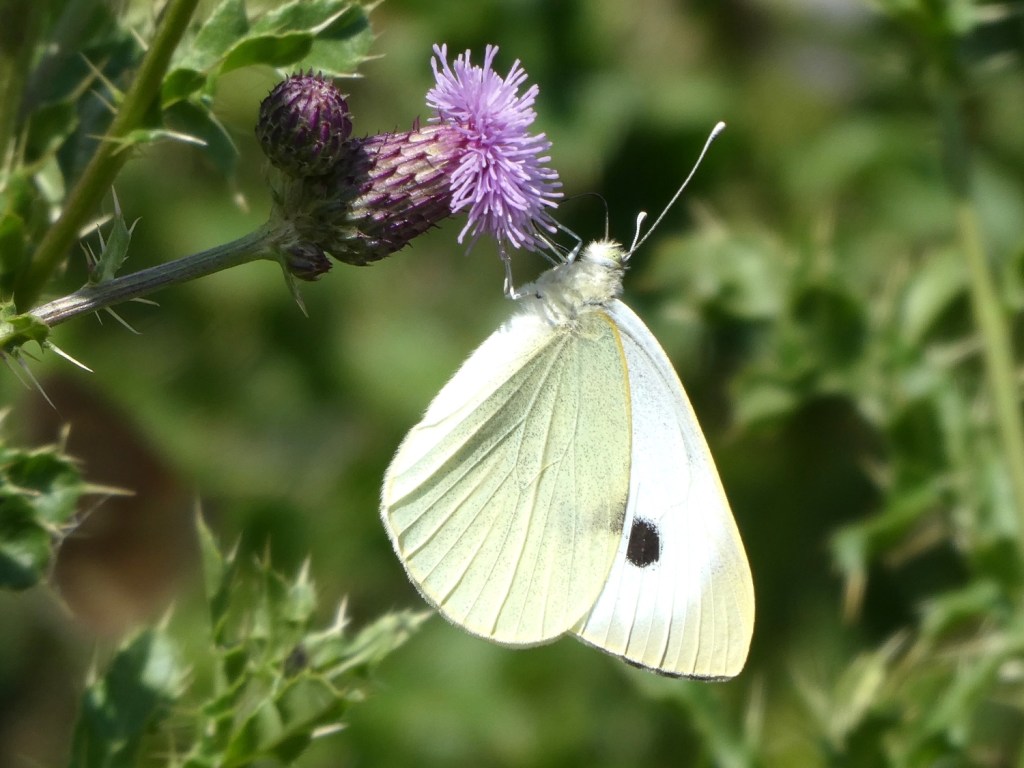
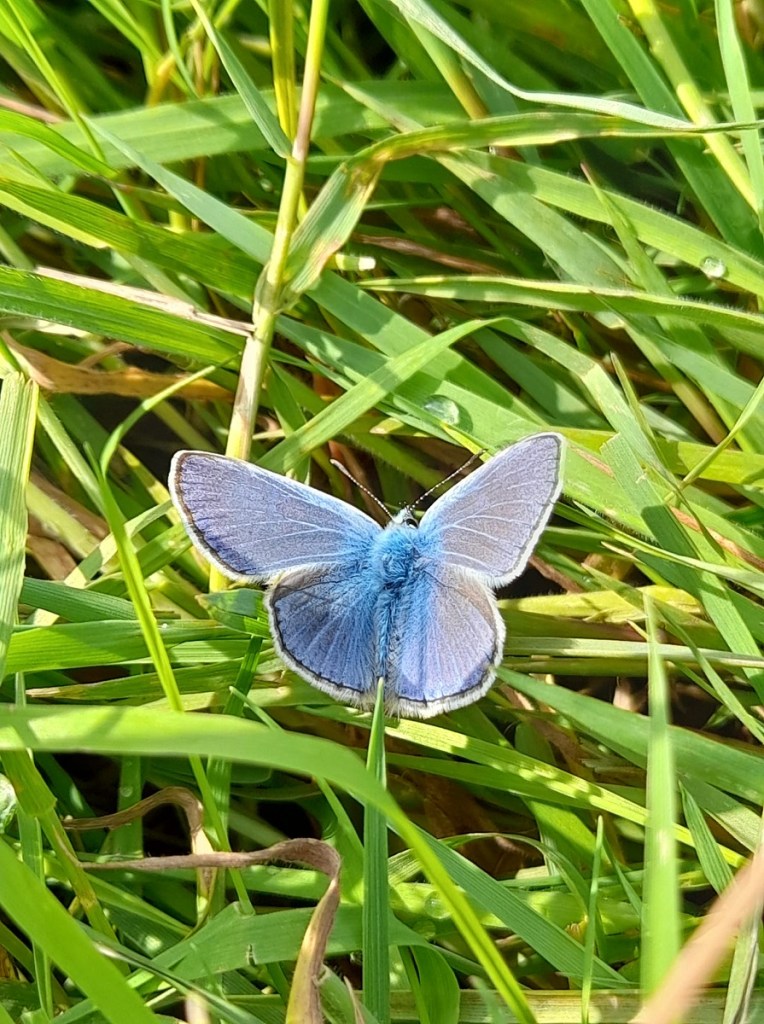

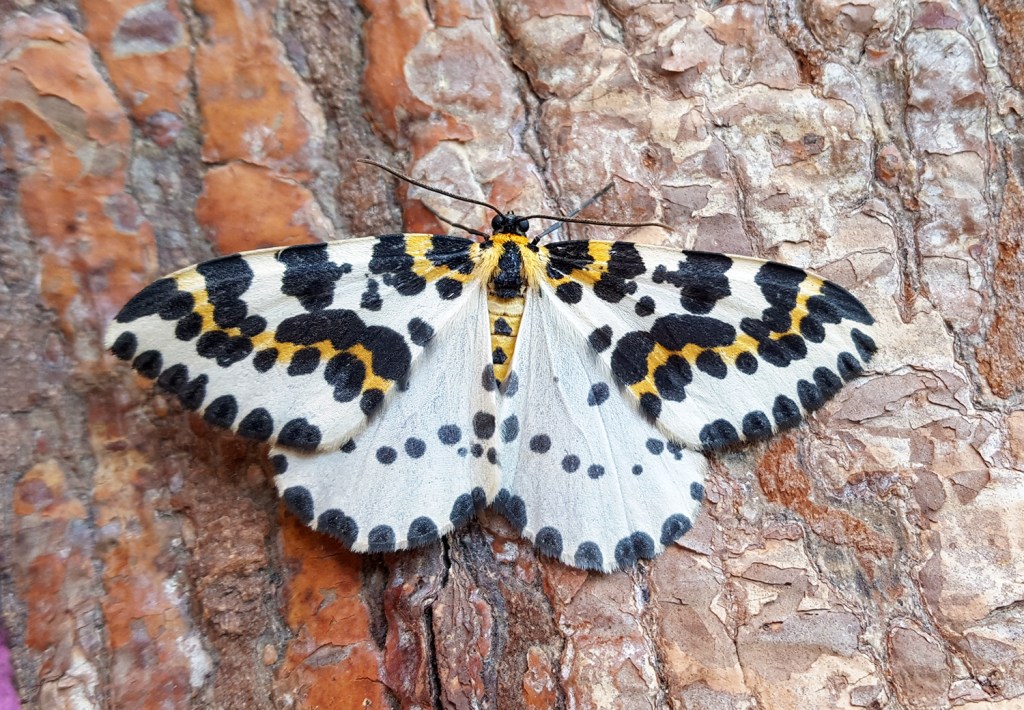


Header image: Small copper butterfly by Clive Knight (16.09.21 SCP-NR)
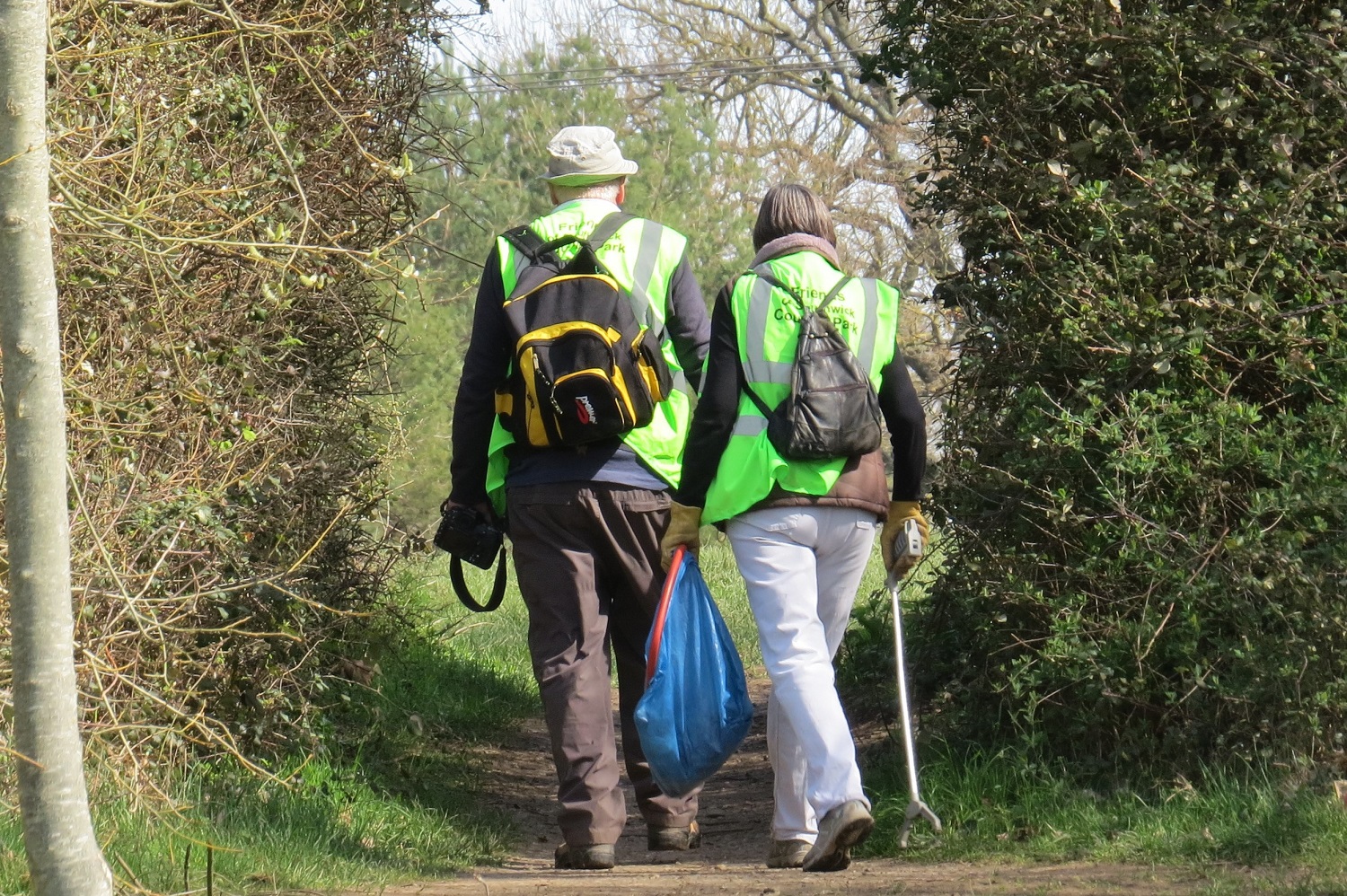


 Southwick Country Park Nature Reserve