
TEN FACTS: BROWN RAT
ONE: The reserve’s brown rats have many common names: common rat, street rat, sewer rat, wharf rat, Hanover rat, Norway rat and Norwegian rat but only one binomial scientific name, Rattus norvegicus.
TWO: It was the 18th century English naturalist, John Berkenhout, who named the brown rat Rattus norvegicus, believing that it had arrived in England on Norwegian ships in 1728, probably a decision prompted more by xenophobia than by biology.
THREE: The latest thinking is that the species originated in central Asia and has since spread to every continent except Antarctica.
FOUR: With rare exceptions, the brown rat lives wherever humans live.
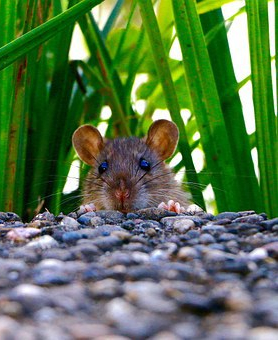


FIVE: They have acute hearing, are sensitive to ultrasound, and have a very highly developed sense of smell.
SIX: Brown rats can be red/green colourblind, just like humans, but unlike humans they can see ultraviolet light. Because rat urine contains amino acids that will fluoresce in UV light, this means they can see, as well as smell, the urine scent marks that rats leave everywhere (even on each other) as a form of chemical communication.
SEVEN: Brown rats live their lives in the fast lane: a female rat can raise up to six large litters of pups a year and the pups reach sexual maturity after four or five weeks. That’s a lot of rats!
EIGHT: This is a true omnivore that will eat almost anything. A study of a wild brown rat’s stomach contents identified 4000 different items, most of which were plants. This seemed such an extraordinary claim that we factchecked it and found it repeated on the Smithsonian Institute’s website.

NINE: Brown rats are excellent swimmers both at the surface and underwater.
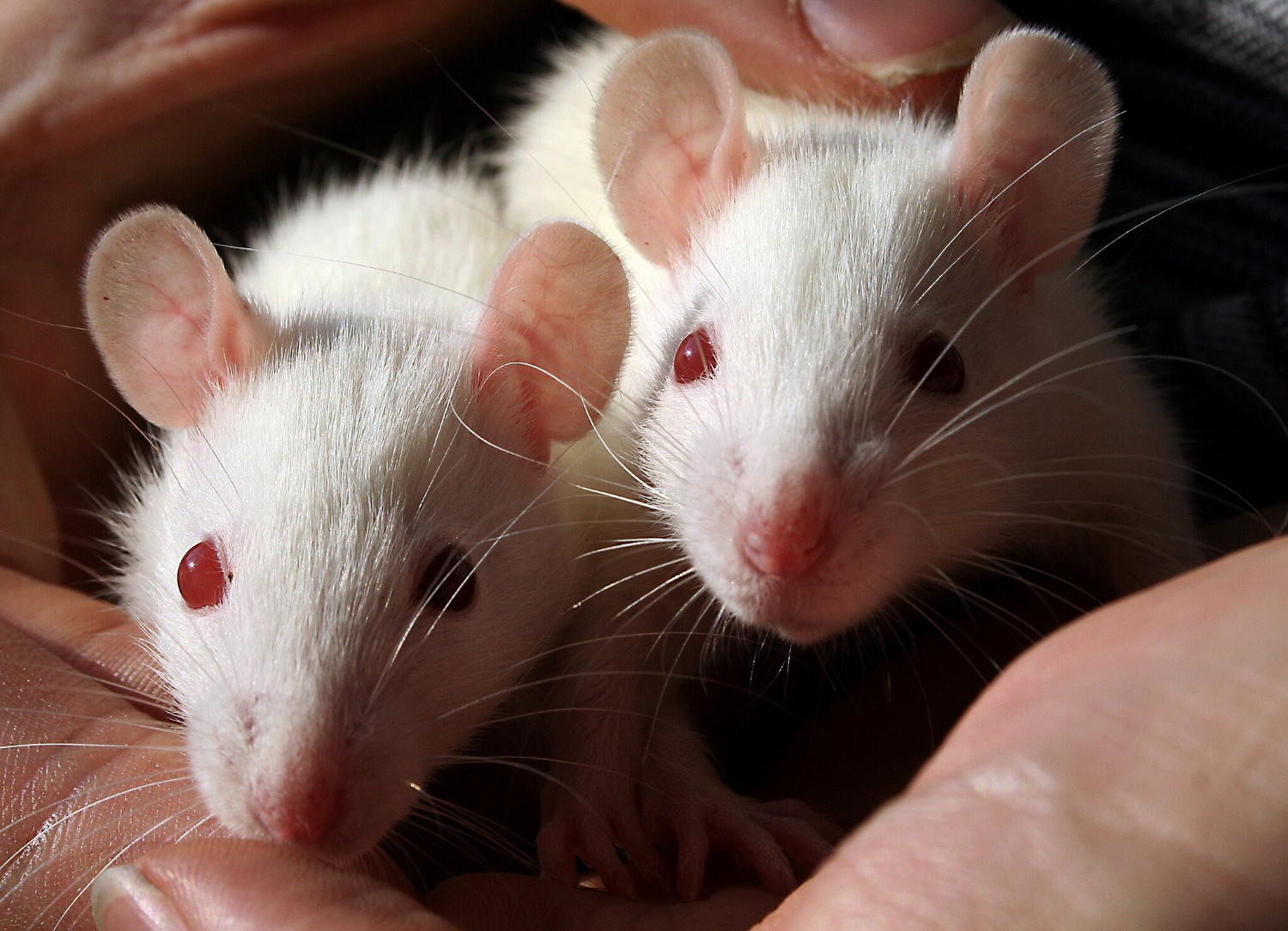
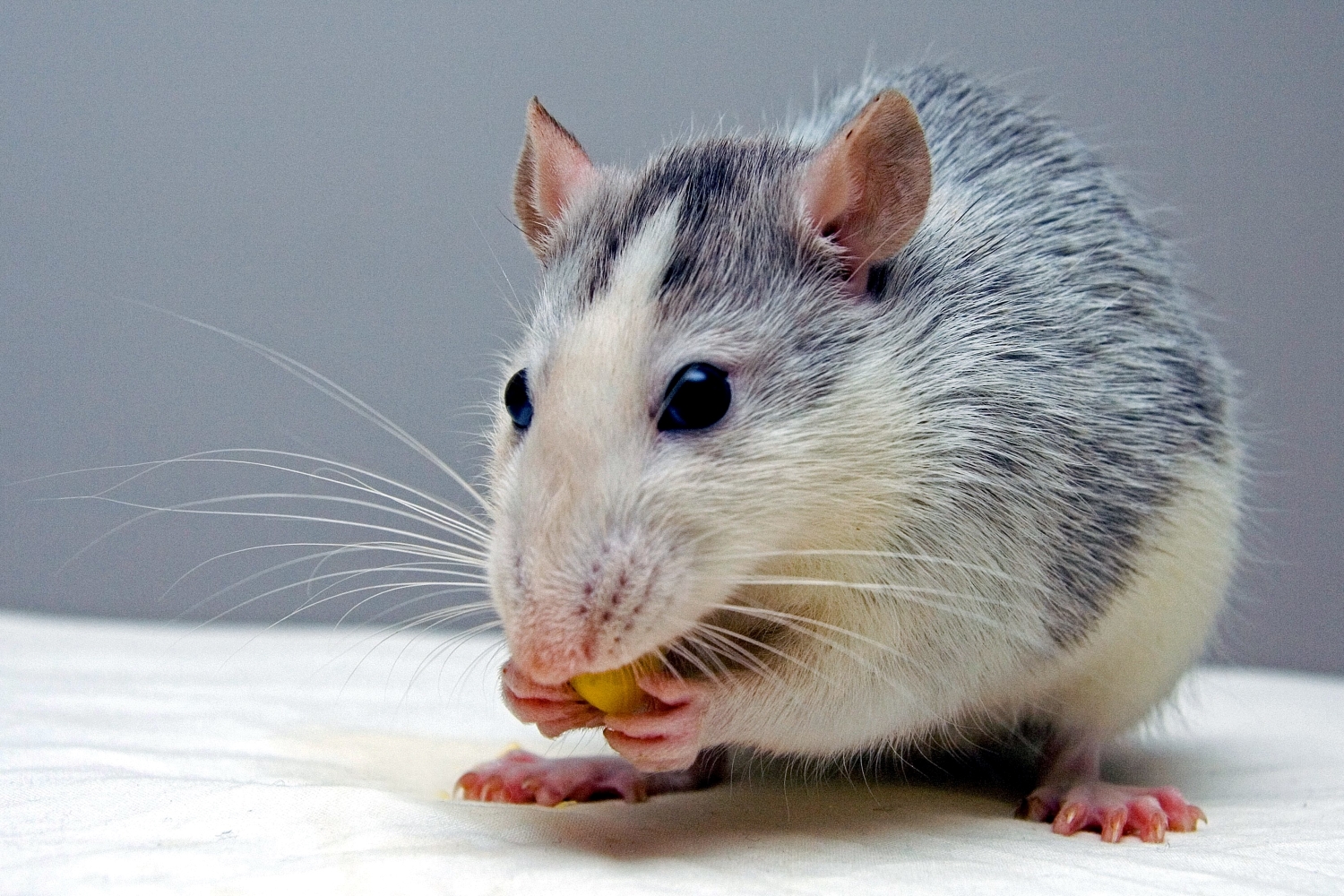
TEN: Selective breeding of the brown rat has produced a domesticated subspecies: Rattus norvegicus domestica. All the fancy rats, pet rats and laboratory rats belong to this single domesticated subspecies.




 Southwick Country Park Nature Reserve