
Bush vetch
ONE: Bush vetch is also known as hedge vetch and often confused with common vetch but its scientific name is always vicia sepium
TWO: A Eurasian native, it has been introduced into temperate regions worldwide.
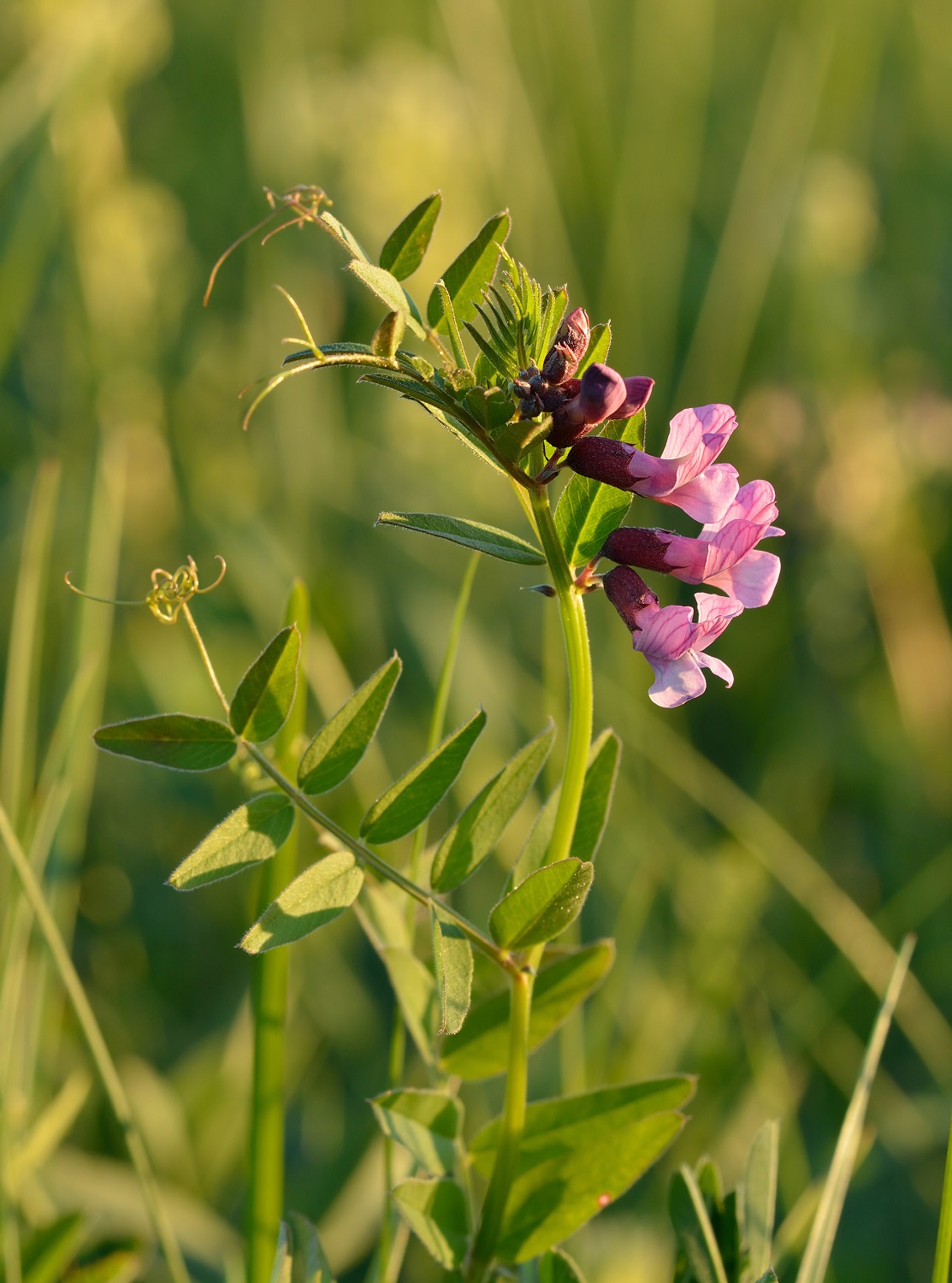

THREE: It is common in the reserve with a particular liking for woodland edges, hedges and our set-asides.
FOUR: Bush vetch is a scrambling plant. Left to its own devices it is lax and low-growing but with support it can climb a metre high, hauling itself up through the vegetation using branched tendrils that grow at the end of each compound leaf.
FIVE: Its seedpods are black and spring-loaded. When the seed is ripe and on a day when the temperature and the humidity is just right, the tension between the two sides of the pod is released suddenly, the pod twists open and the seeds are flung clear of the parent plant.
SIX: Bush vetch’s edibility is a matter for discussion. While there are people out there on the internet that say the tips of the growing shoots and the flowers are a delicious addition to a salad, there are other, quite official-looking, authorities advising caution and issuing warnings of toxicity.
SEVEN: Bush vetch, like all vetches, is a legume. Legumes are plants that can form symbiotic relationships with nitrogen-fixing soil bacteria called rhizobia. Nodules form on the plant’s root, a safe place in which the bacteria can convert atmospheric nitrogen into chemicals that can be used not only by the host plant but by other plants growing nearby.
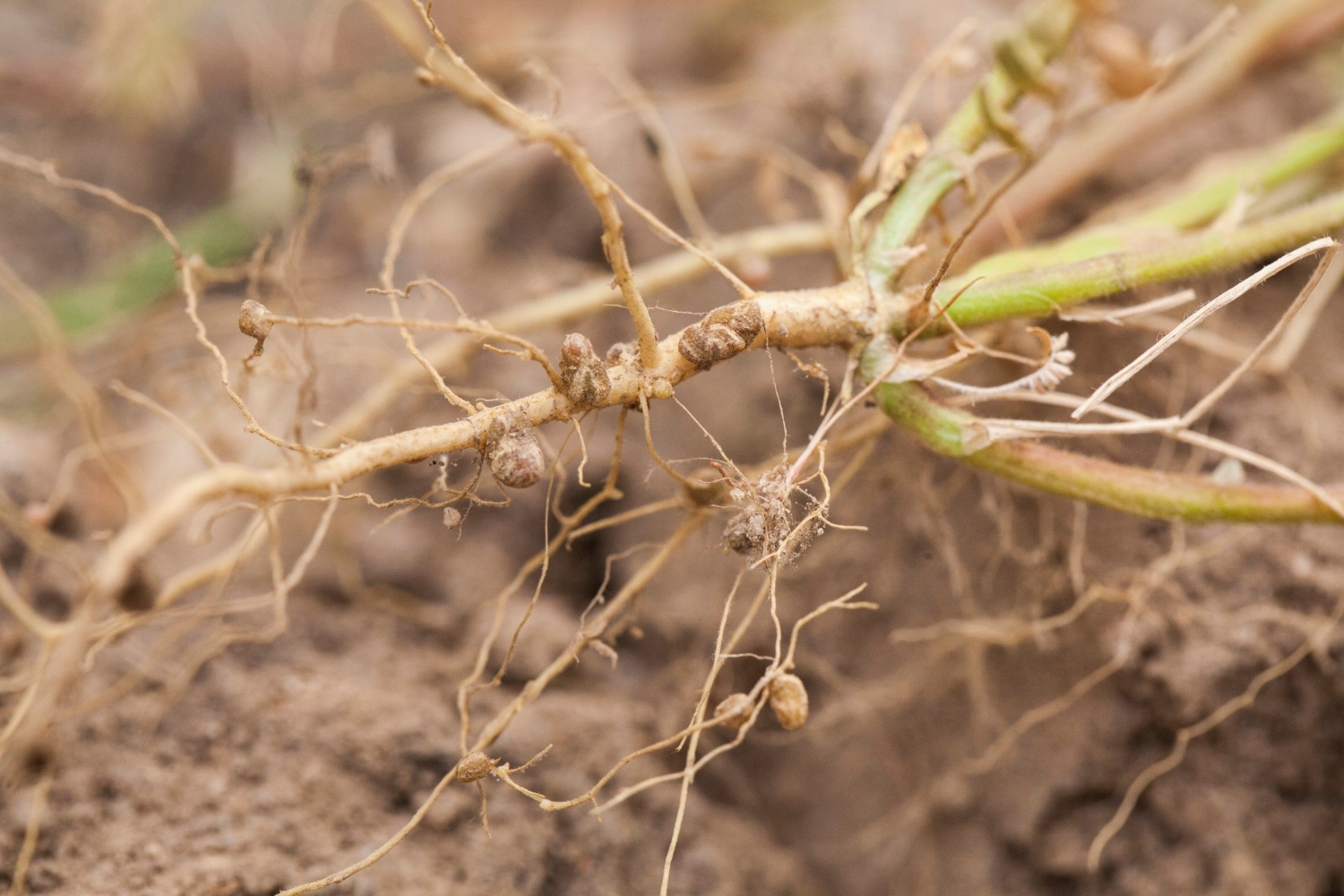


EIGHT: Because of its nitrogen fixing properties, bush vetch is used as a green fertiliser. Sown in the late summer, it is left in the field over winter to protect and enrich the soil.
NINE: It is a reliable source of nectar for all sorts of bees.
TEN: The caterpillars of a tiny moth, Grapholita jungiella, feed on bush vetch. For shelter, they glue leaves together to make bivouacs or burrow right into the seed pods.



 Southwick Country Park Nature Reserve
A variety of vetch appears to have been sown in the fields behind Blind Lane earlxier this year. The plants are now black and appear to be being left to rot. Is this acting as a fertiliser for the soil?
Barbara Johnson
Probably; all legumes enrich the soil by fixing nitrogen in nodules on their roots. It might be ploughed in later or left to stand over the winter to protect the soil structure for a more profitable crop next spring.