While here in the UK, July 2023 was slightly cooler (and a lot wetter) than usual, worldwide it was the hottest July on record.
This year the UK’s average July temperature was 0.3°C below that for the thirty year period between 1991 and 2020, but globally the July 2023 average was 0.72°C warmer. During the first week of July, the record for the hottest average global air temperature was broken three times, making it the hottest week since records began in the 1850s.
Dr Karsten Haustein, a climate modelling analyst, at the University of Leipzig, Germany, says the last time Earth was this warm was in the Eemian interglacial period, around 120,000 years ago.

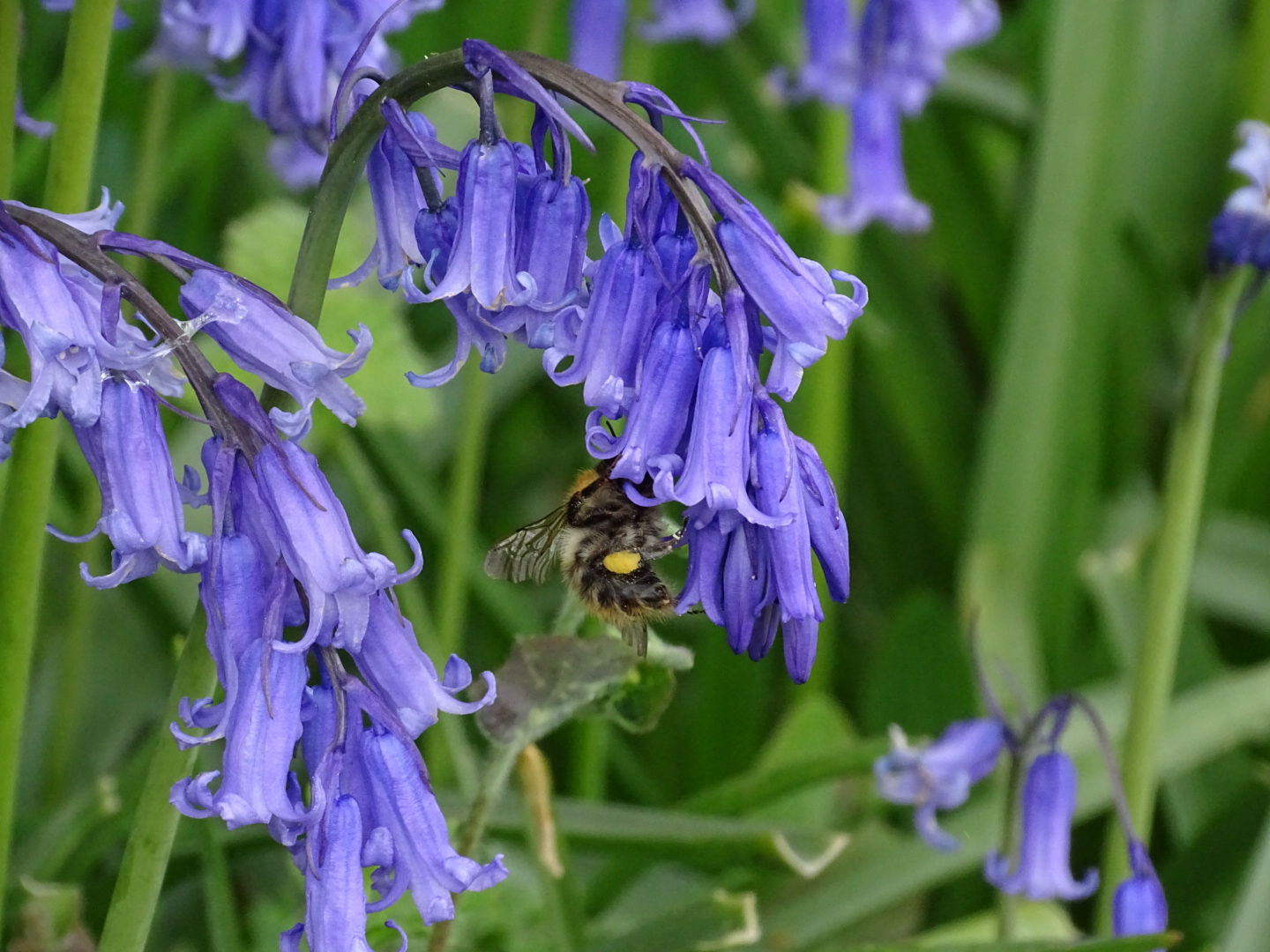
Co-evolution: bee orchids have evolved to be pollinated by a single species of bee, while the carder bee has evolved a long proboscis to meet the needs of the bluebell’s tubular flower.
Why is this important in our little Local Nature Reserve? It’s a matter of timing. If a plant flowers earlier that usual, triggered by warmer than usual temperatures, its flowering season may be over before its main pollinator hatches from its pupa. The plant might try again later with a new flush of leaves and flowers but by then the pollinator may have mated, laid its eggs and died.
This is particularly dangerous for the plant if it has co-evolved with its pollinator, developing structures designed to keep other pollinating species out. Less well adapted pollinators will be less successful: fewer seeds means reduced opportunity for next year’s generation.

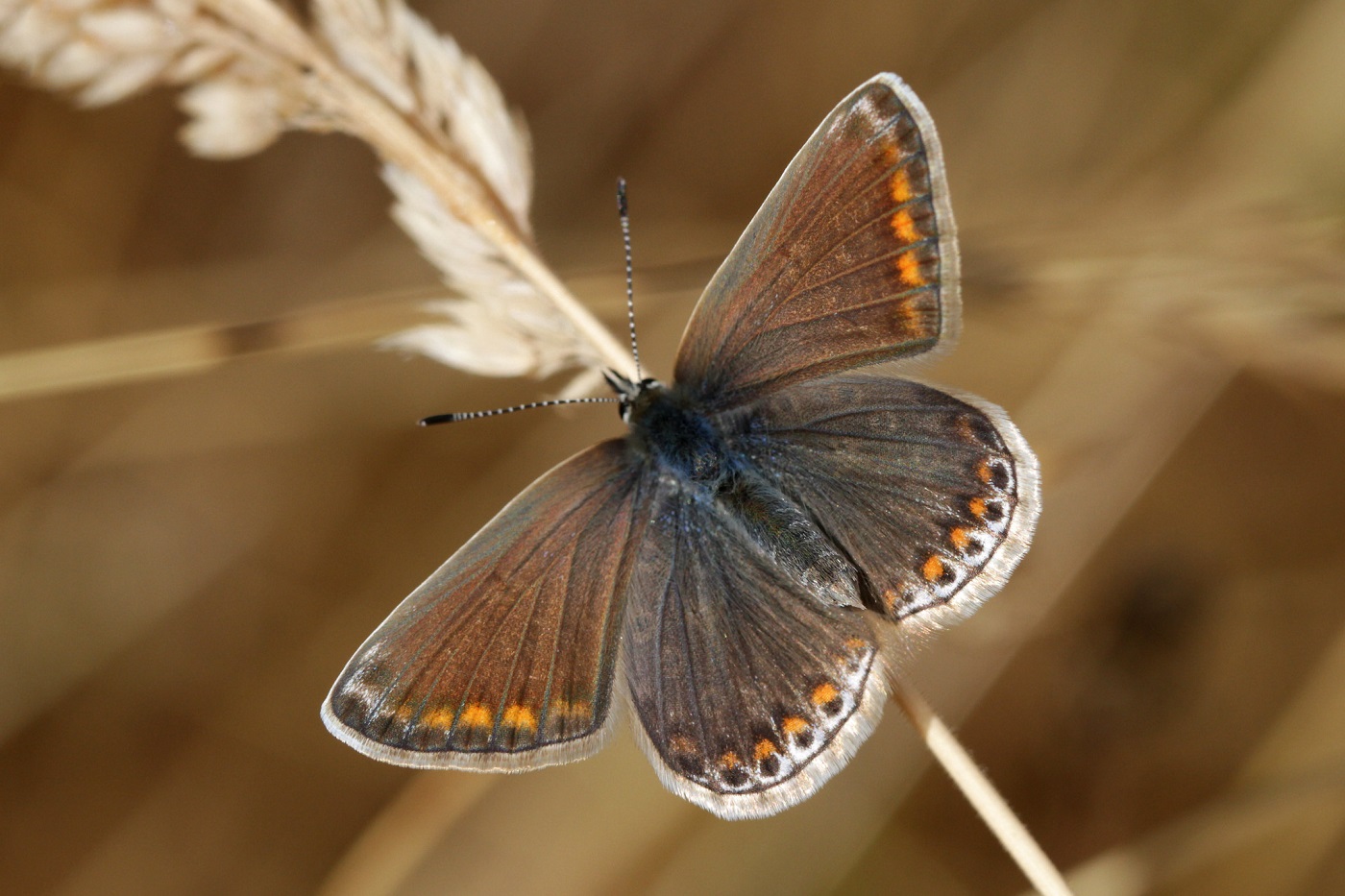

The common blue over winters as a caterpillar among the leaf litter below its food plant, bird’s foot trefoil. The caterpillar needs to have reached a certain level of development and undergone a specific number of moults if it to survive the winter.
The mismatched timing is carried forward. If a plant is pollinated despite its early flowering, it will then make seed early. When a plant has made its seed, its job is done and it begins to die back. Butterflies looking for lush late season growth on which to lay their second brood eggs are at a loss. They will lay the eggs no matter how shrivelled the larval foodplant is but the larvae face starvation or will be insufficiently developed to survive hibernation.
Everywhere we look, delicate and essential interrelationships between species are being unbalanced by the rising temperatures. We know what is causing global heating and we know how to prevent it but we seem to be incapable of acting.
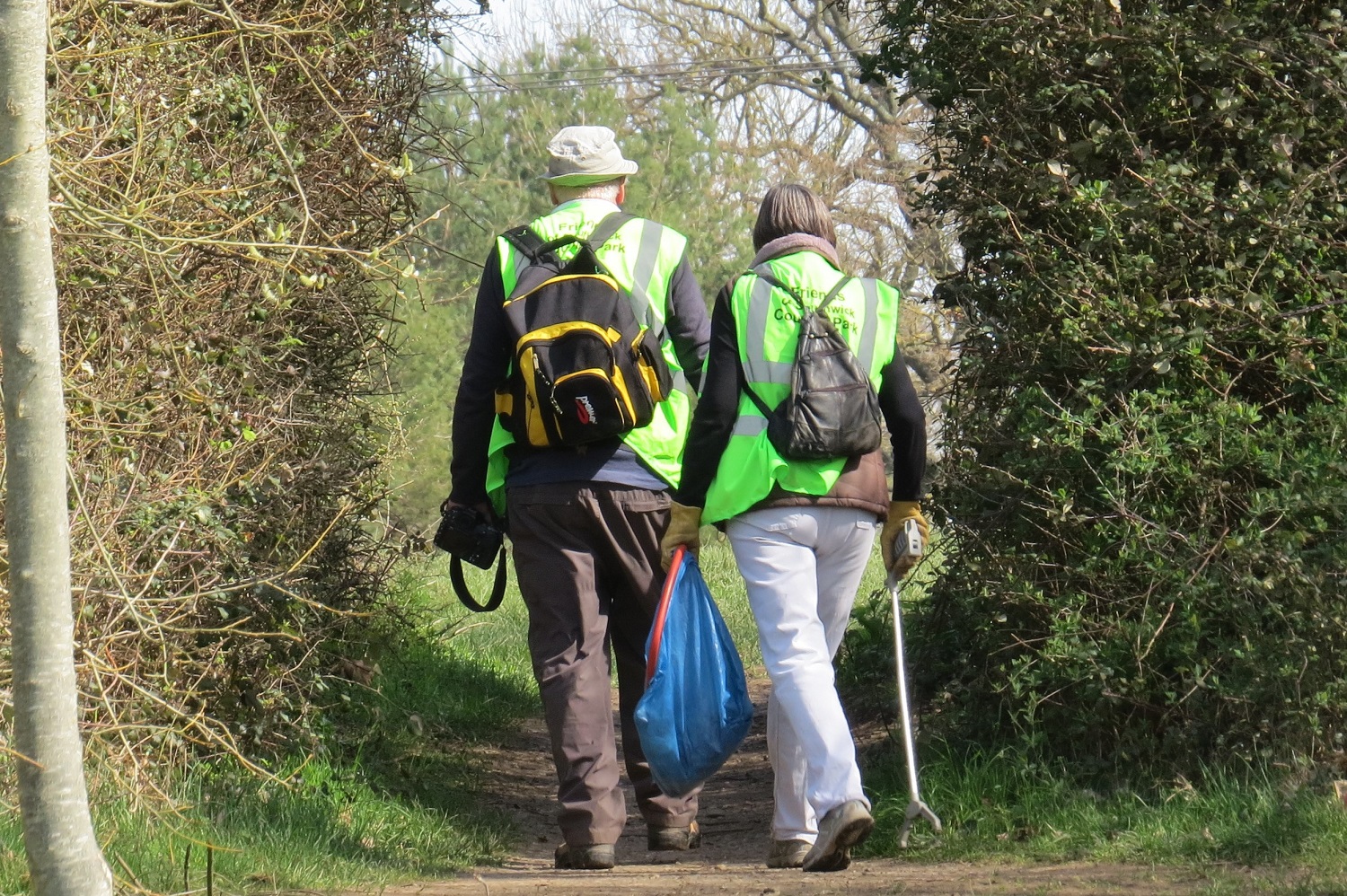



 Southwick Country Park Nature Reserve
Yes we seem to be sleep walking into a Climate disaster. Some beleive it won’t affect them, others that nothing we do will make any difference, so we do nothing! Barbara Johnson.