
This strange growth is called a robin’s pincushion.
It is a gall caused by the larvae of a tiny gall wasp, Dipoloepis rosae. In the spring, the female wasp lays her eggs in the leaf bud of a wild rose; when the eggs hatch, the larvae secrete a chemical that instructs the leaf bud to grow into this fleshy gall with its covering of moss-like leaves.
A gall houses many larvae, each in its own chamber. They feed on the gall tissues through the winter and emerge in spring as adults. The majority of adult wasps are females which reproduce asexually. Males are very rare.


Also known as rose bedeguar galls or moss galls, they are widespread and common, found on the stems of dog-roses during late summer. If you look, you will find some somewhere on the dog roses in the reserve’s hedges: try Brunt’s Field or Puddle Corner where the roses are well established. The galls acquire a distinctive reddish colour as they mature, which makes them easy to see.
In a long-abandoned traditional medicine practice, the galls were used as a charm, worn around the neck or carried in a pocket to cure or ward off whooping cough, toothache, rheumatism and a host of other ailments and problems including a caning at school.

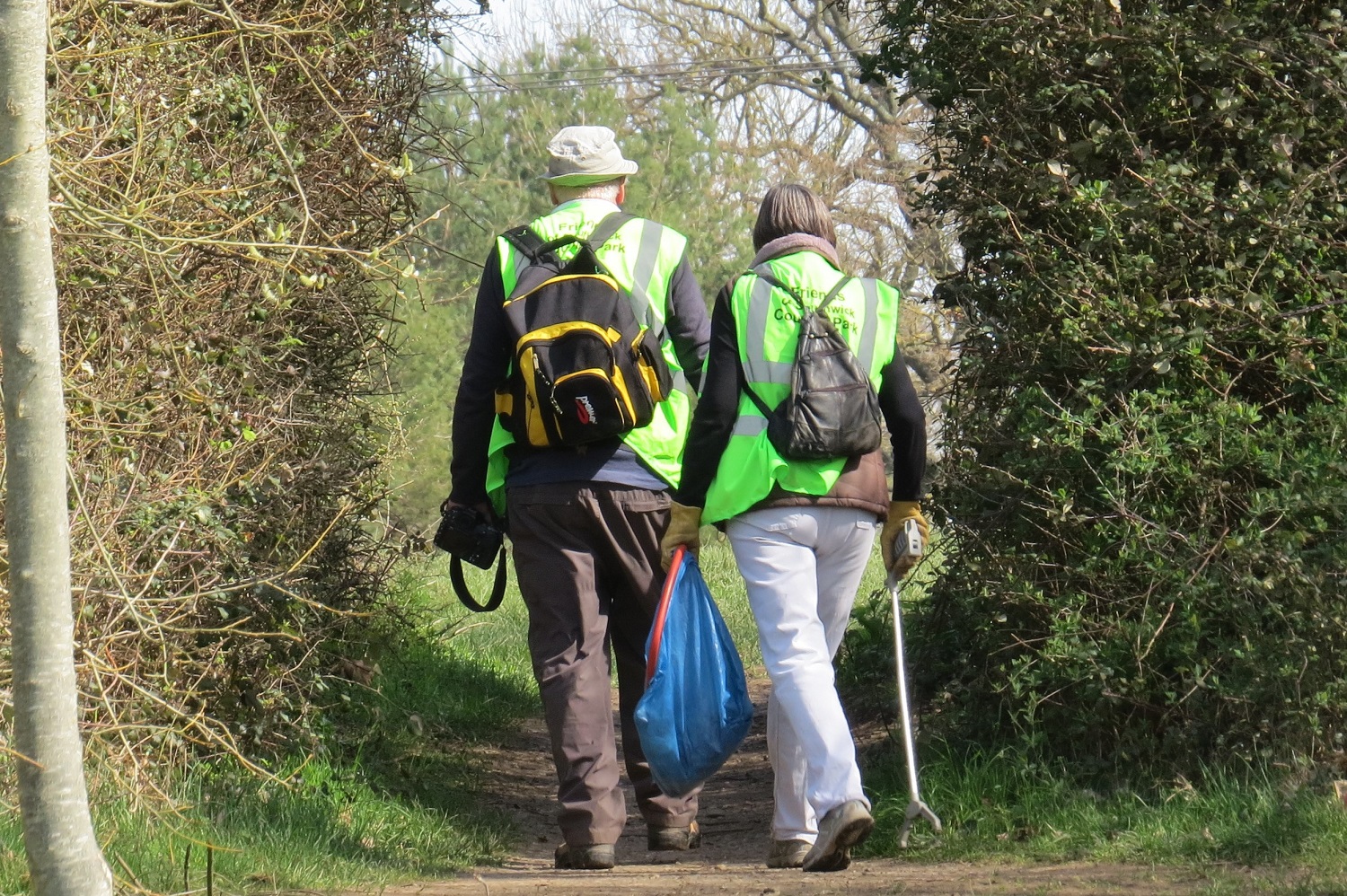


 Southwick Country Park Nature Reserve
Lovely 😍