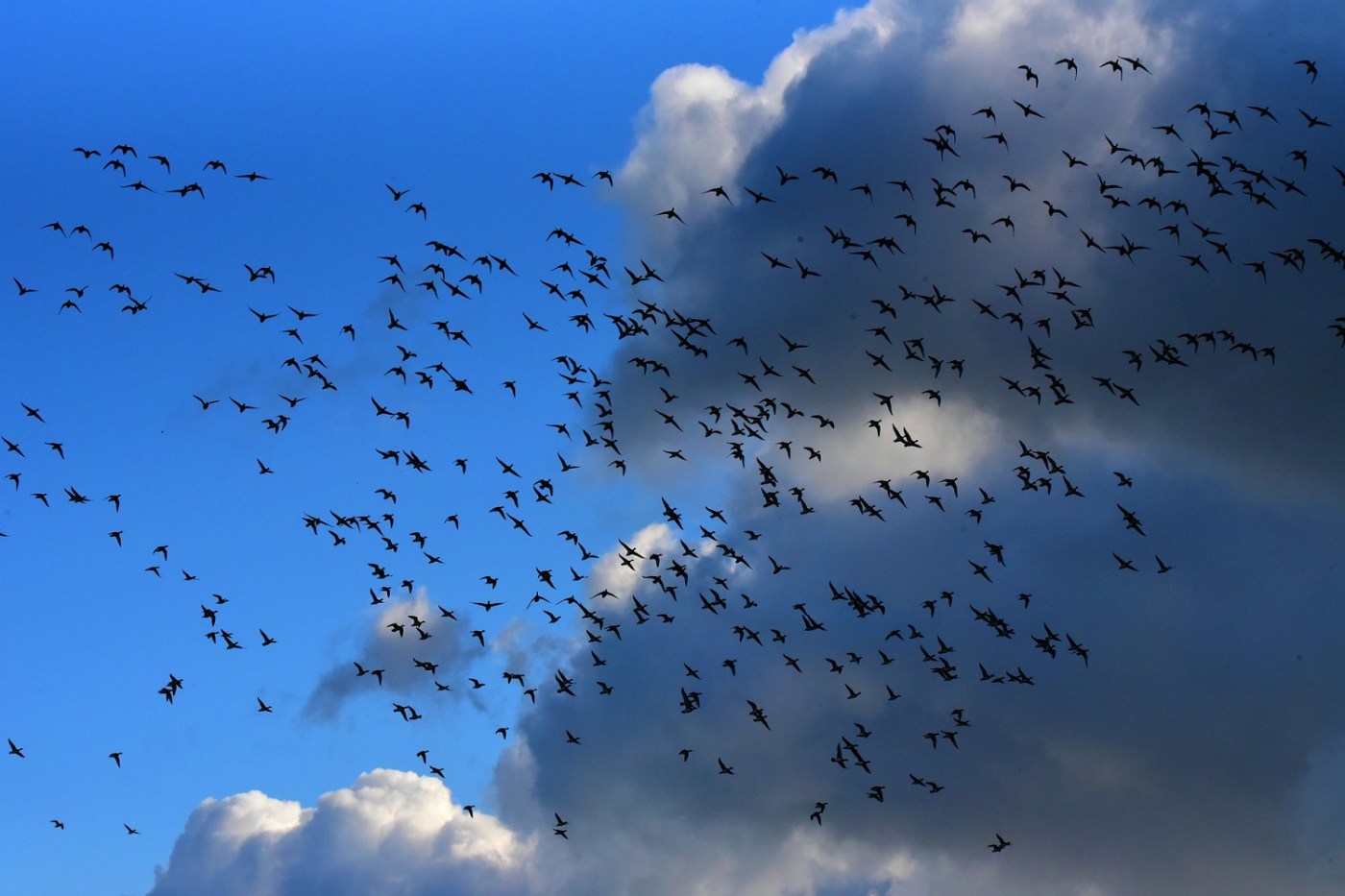
Migration changes
Analysis of records kept since 1964 has found that some species of European migratory birds are spending up to 60 days less each year in their sub-Saharan wintering grounds. Over the most recent 27-year period, migratory birds, including the whitethroats commonly seen in our reserve, were found to have increased their time in Europe by an average of 16 days. It has even been suggested that some species may stop flying south for the winter altogether.
As the number of birds that remain in Europe during the winter increases, there will be competition for resources, particularly for declining invertebrate food. The long-term effect of such competition on traditionally non-migratory species is difficult to calculate. And if fewer species over winter in sub-Saharan Africa there will be knock-on effects for some tropical ecosystems: insect control, seed dispersal and pollination might all suffer as a result.
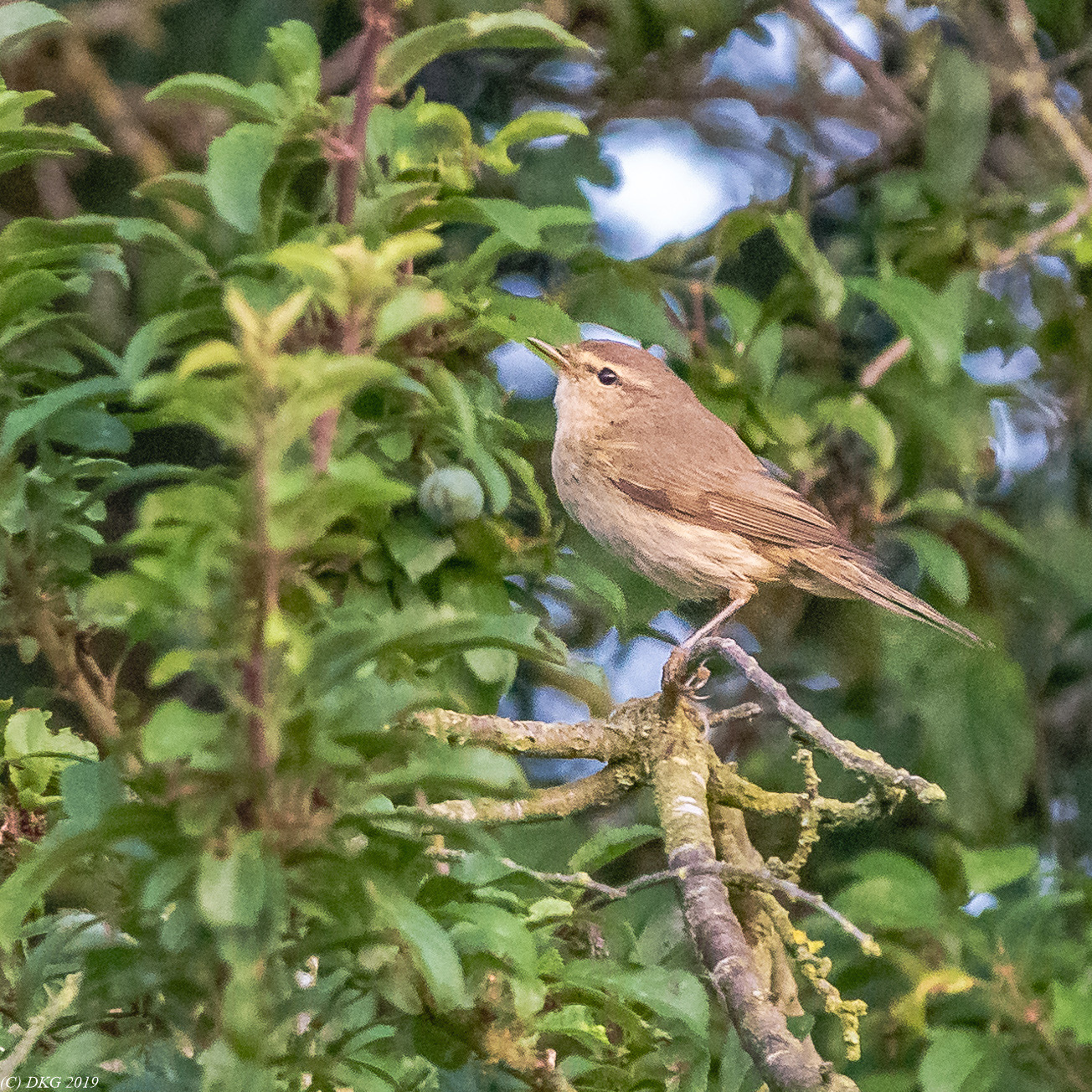
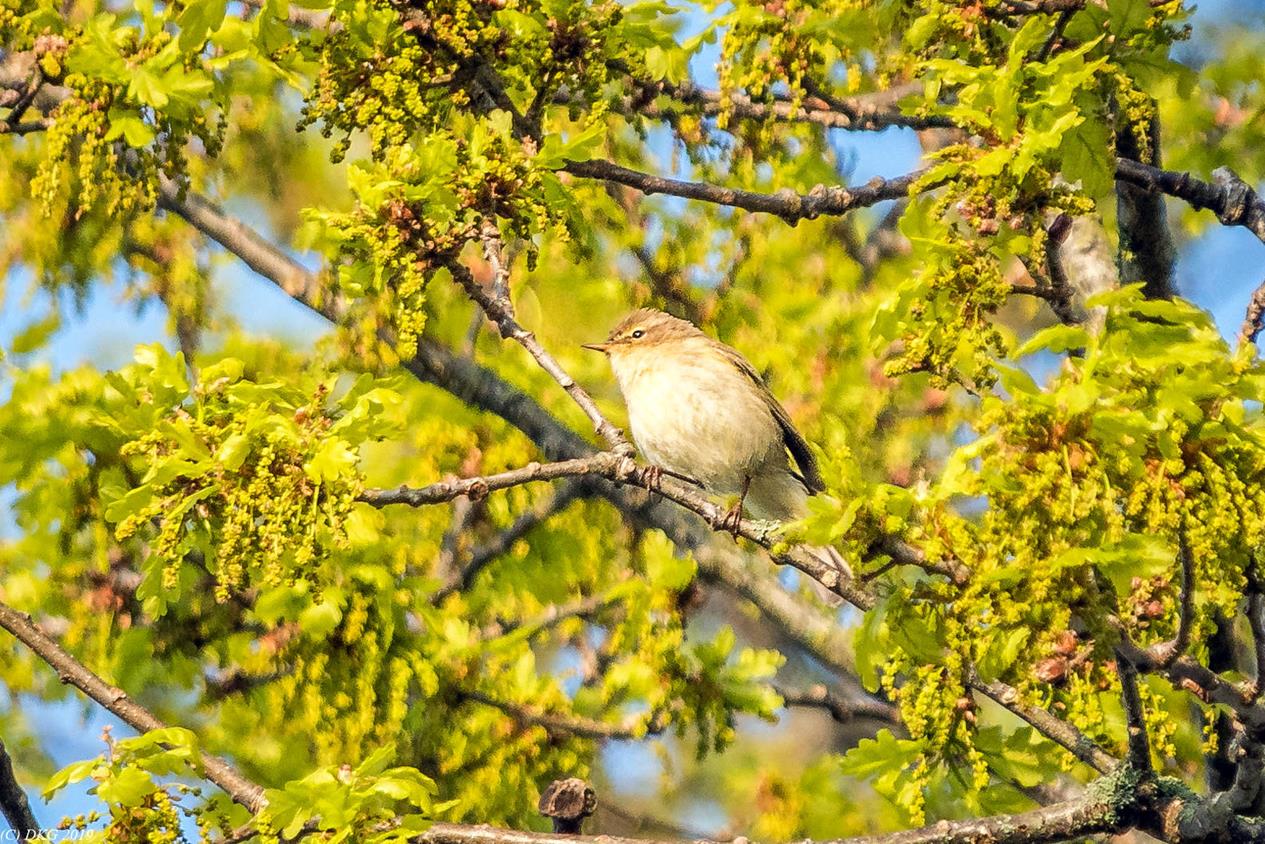
[Left] Willow warbler and [right] chiffchaff both photographed in the park by DKG
The onset of bird migration has always been thought of as triggered by the length of daylight hours. But this analysis suggests that is not so, that migratory birds are responding to a more complex interaction of factors involving fluctuating temperature, and availability of food and cover as well as the immutable length of autumnal days.
It’s hard to assess what the impact of these changes will be. Over the last 50 years, two of the reserve’s migrators have fared very differently: England’s population of willow warblers has fallen by almost 50% while chiffchaff numbers have risen by 130% in the same period. This may reflect the two species’ different winter destinations (sub-Saharan Africa versus Mediterranean Europe and northern Africa) but could also be the result other changing variables in their habitats as our climate warms.
The picture in Scotland seems to indicates that rising temperature is a factor: temperatures in Scotland are cooler than the UK average and there, willow warblers increased by 77% and chiffchaffs by 244%.

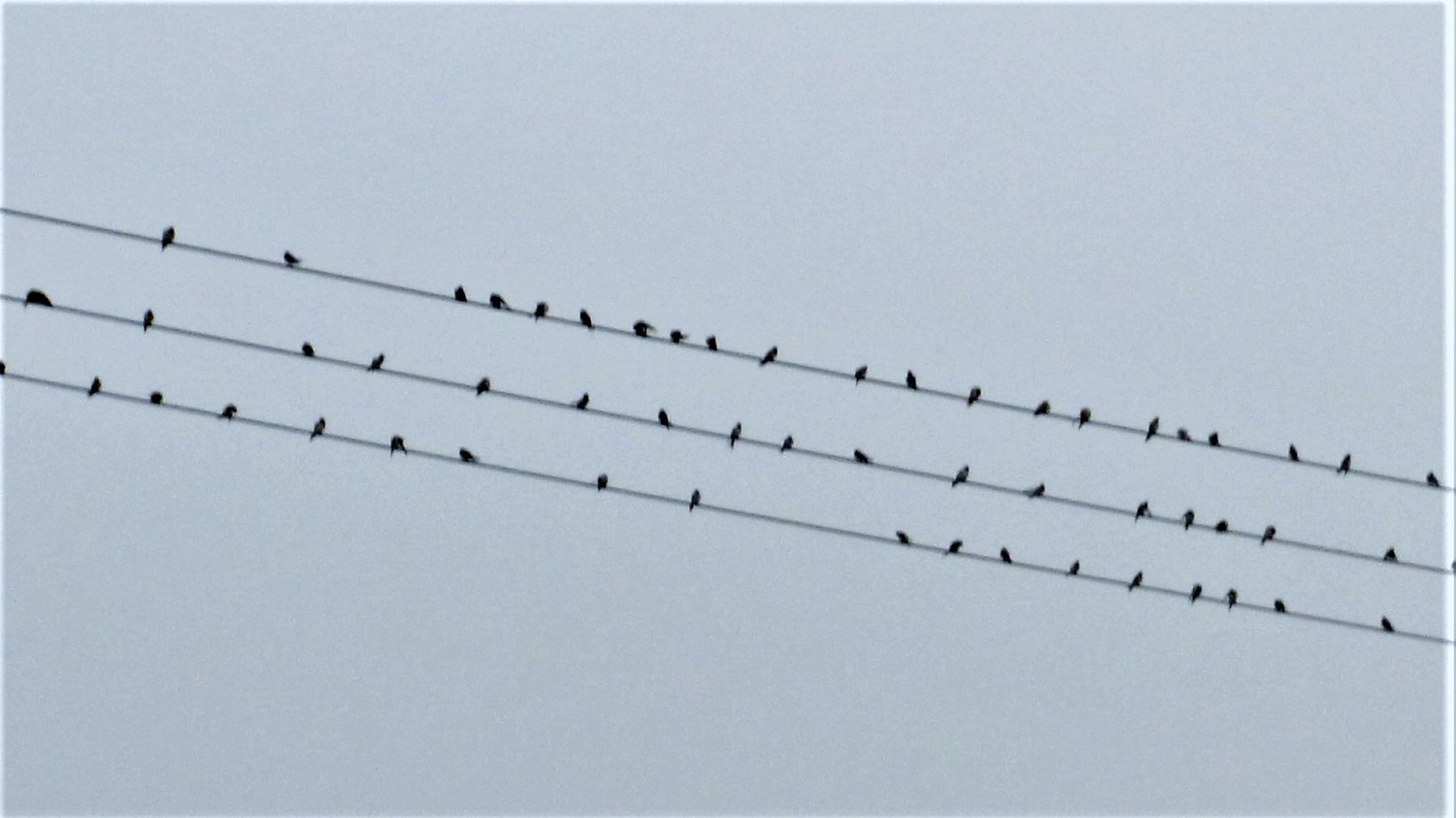

House martins, swallows and swifts, three of our best known migrators
As the climate emergency bites and we respond with panic-stricken legislation, we are inclined to forget that we share our damaged ecosystems with other species that have been, for decades, slowly and quietly responding to the changes we have brought about.


 Southwick Country Park Nature Reserve
Very good info!
Thank you hardytardy.