
The ground beneath our feet
We rattle on about the reserve’s biodiversity, its species-rich hayfields, the insect life buzzing through the hedges and our woods filled with birdsong but we pay scant attention to its most biodiverse habitat, the soil.
Recent research has shown that more than half of the Earth’s’s species live in the soil: that is an estimated 90% of the world’s fungi, 85% of its plants and more than 50% of its bacteria. While we have been focusing on the biodiversity of the colourful and exotic, rainforests and coral reefs, the most biodiverse habitat on the planet has been right there beneath our feet, all this time.
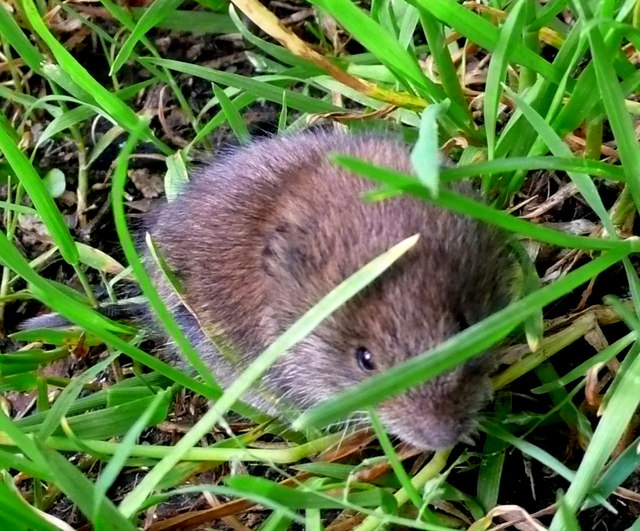
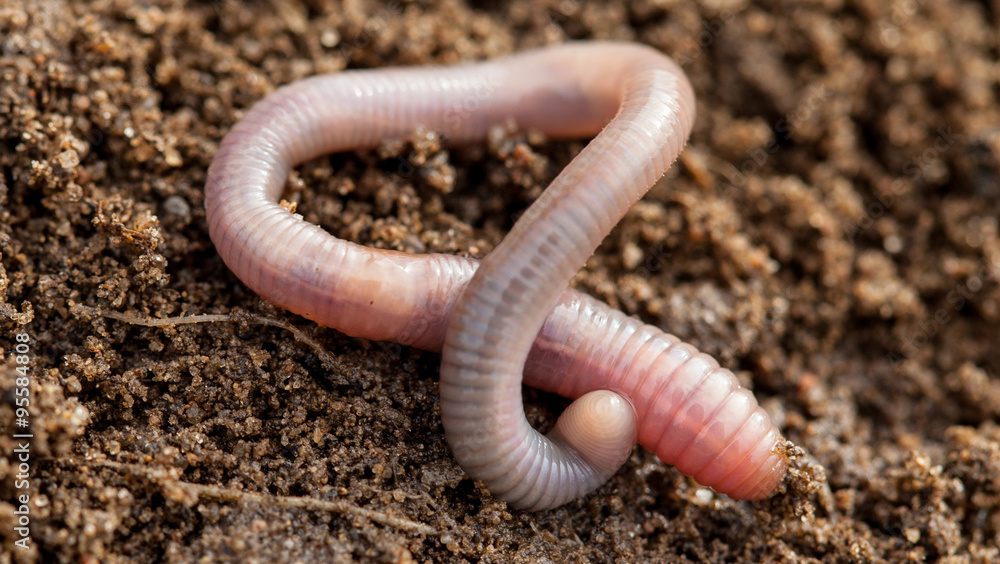

Megafauna
There are megafauna, animals such as earthworms and small vertebrates like moles and voles, mice and rabbits, which loosen, redistribute and aerate the soil’s structure, dig drainage channels and drag plant matter underground. Then there are mesofauna, nematodes, mites, springtails and tardigrades, the millions of creepy-crawlies that recycle decomposing organic matter and maintain the soil’s structure.
The microscopically small, viruses and bacteria, make up the soil’s microfauna. The UK Centre for Ecology and Hydrology has calculated that a single teaspoon of topsoil contains around 10,000 different species of microfauna made up of a billion individual microscopic cells. And the the whole thing is threaded with uncounted miles and miles and miles of fungal hyphae.


Microfauna
All these creatures play essential roles in the processes that keep the planet alive: the water and nutrient cycles, the decomposition and recycling of organic matter and greenhouse gases, and carbon storage. The Earth’s soils contain more than three times the amount of carbon there is in the atmosphere and four times the amount stored in all living plants and animals.
And, of course, soil, the very top layer of the Earth’s crust, is where 95% of our food is grown. The UN reports that 24 billion tonnes of fertile topsoil is lost every year. While that is a threat to our food security and a terrible indictment of intensive farming methods, it is also the return of a frightening amount of carbon to our atmosphere.
Look down and try to imagine all that life seething away below the surface, keeping the planet’s engines running. Let’s look after our soils a little better than we have been.
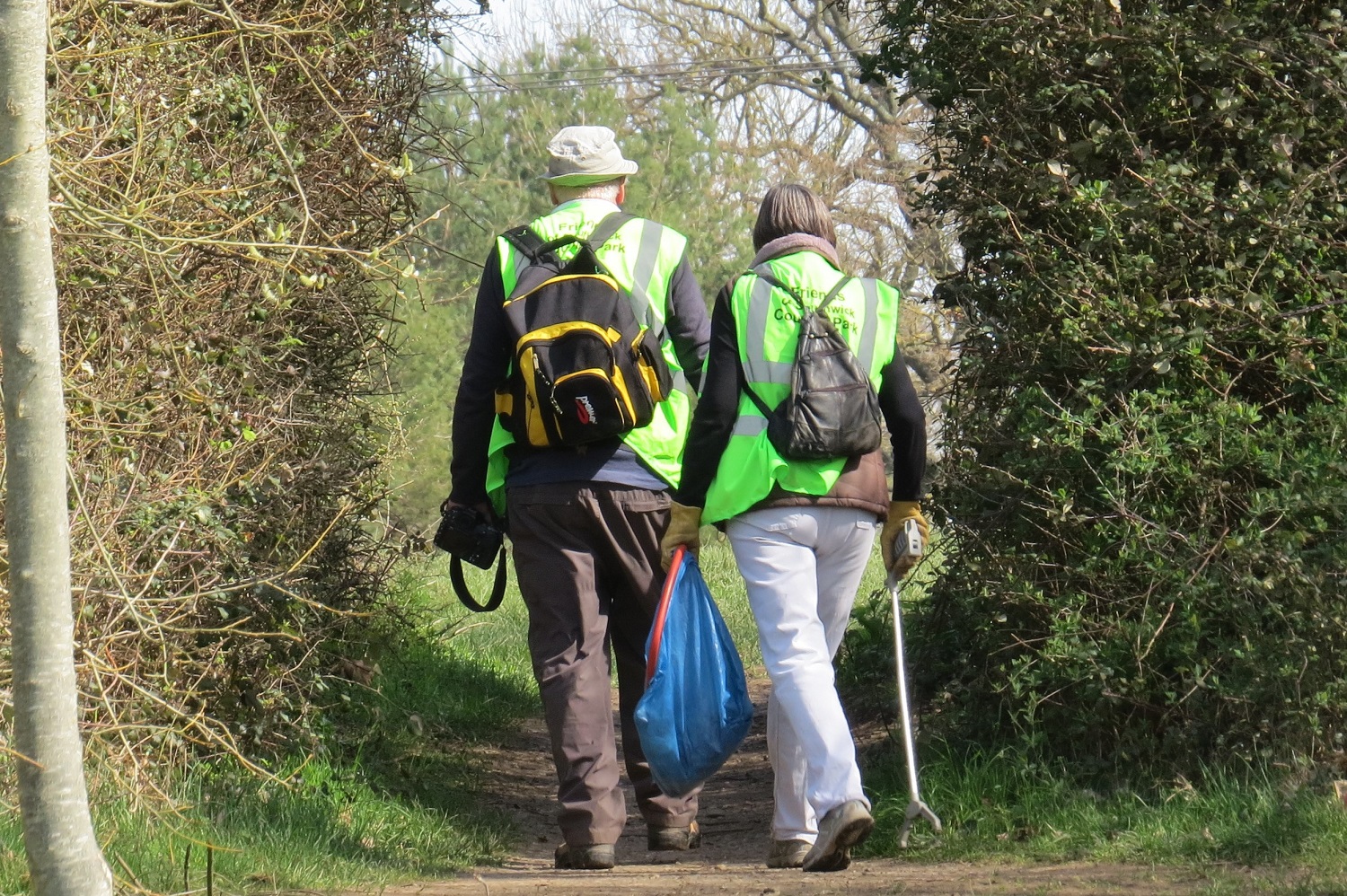


 Southwick Country Park Nature Reserve
Fascinating!
When I was a little girl (and that is a LONG time ago) I used to put my ear to the ground to listen to what I thought was the engine – now I know I was actually listening to all those creatures doing their bit to keep the planet running.