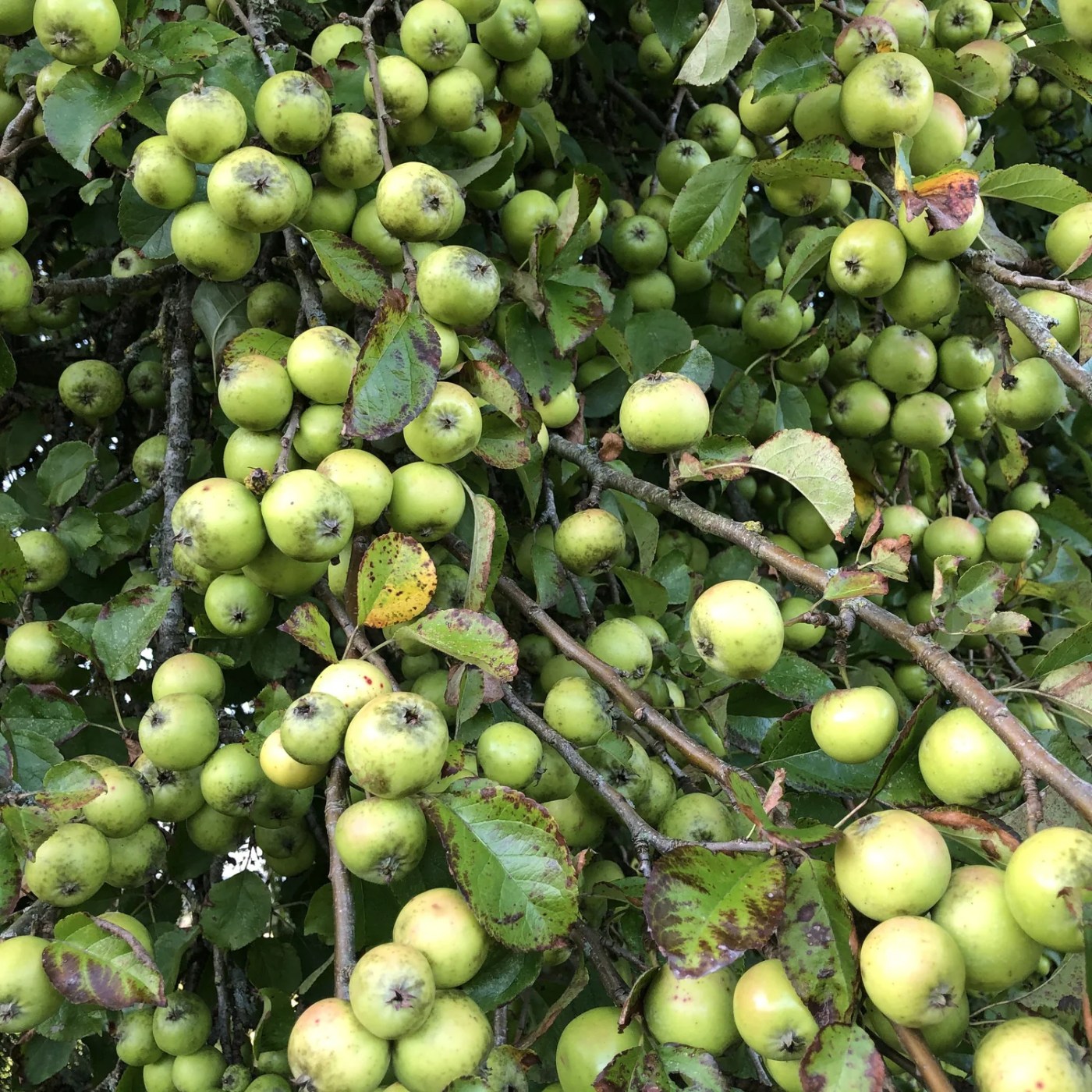
TEN FACTS: CRAB APPLES
ONE: Crab apples trees are an ancient symbol of fertility, associated with love and marriage.
TWO: Mature trees can be as much as ten metres tall and….
THREE: ….can live to up to a hundred years.

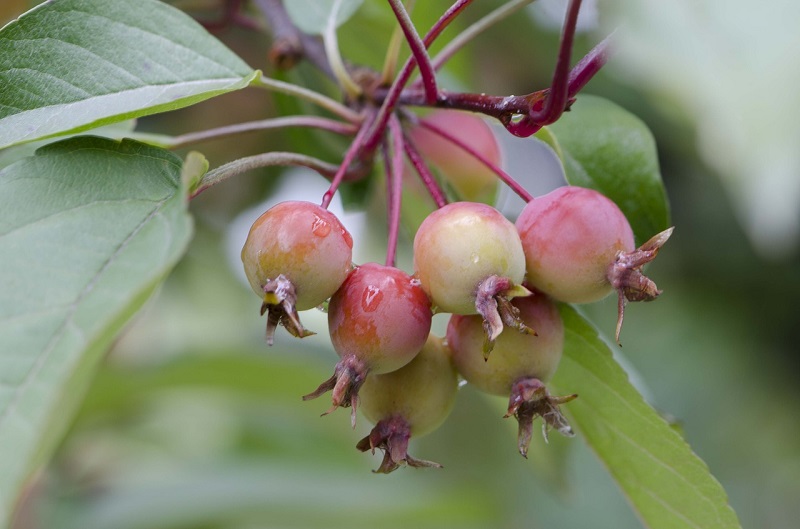
FOUR: The crab apple’s scientific name is Malus sylvestris.
FIVE: It belongs to the Rosaceae family, cousin to the dog roses in the reserve’s hedges, a fact reflected in their flower structures: five petals, five sepals and many stamens arranged in a spiral.
SIX: crab apples can vary enormously. Although they are the ancestors of our commercial apples, many crab apple trees in the wild are actually the seedling offspring of domestic apples that have reverted to a wild form.

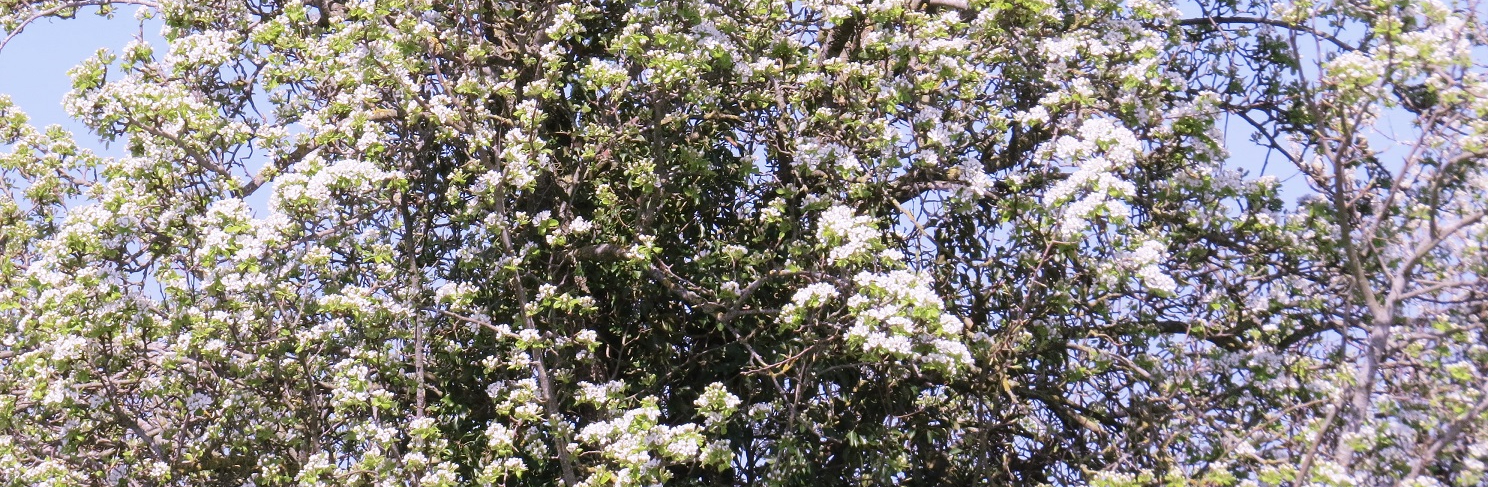
SEVEN: There are thousands of crab apple cultivars, designed and bred for modern gardens, with different flower colours and forms, different sized and coloured fruits that stay on the tree sometimes right through the winter.
EIGHT: A message from Ian:
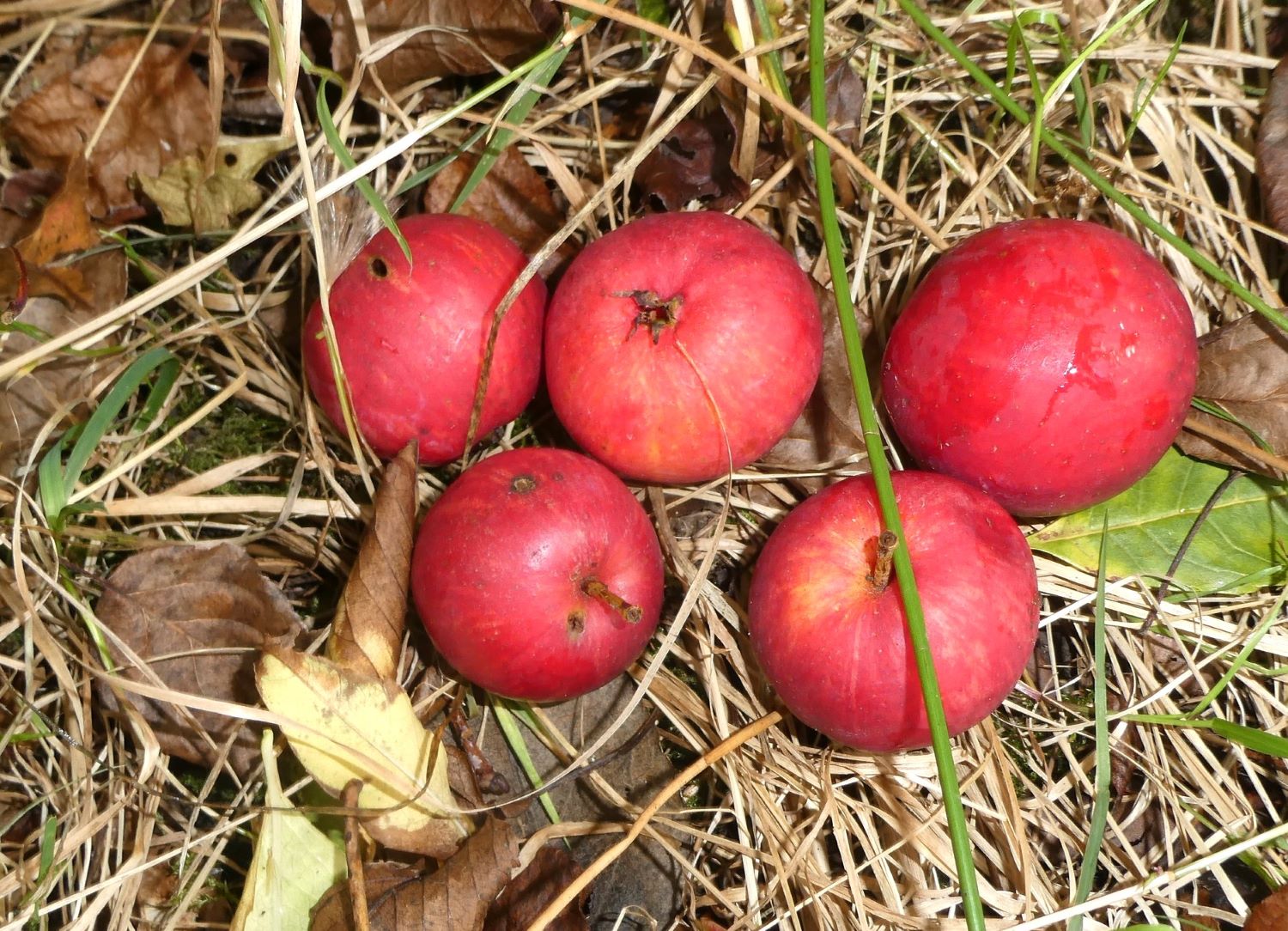
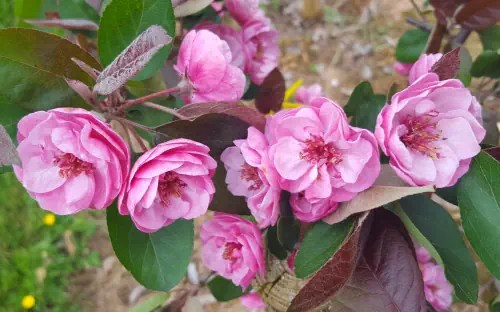
I found two Purple Crab Apple trees, Malus x purpurea (A.Barbier) Rehder, in the copse at the top of Kestrel Field. This is a garden hybrid, widely planted as a street tree and in parks, part of the initial pre-nature reserve planting by Wiltshire Council in the park. A prolific crop of red or purplish apples; I tried one and they are dry and very sour.
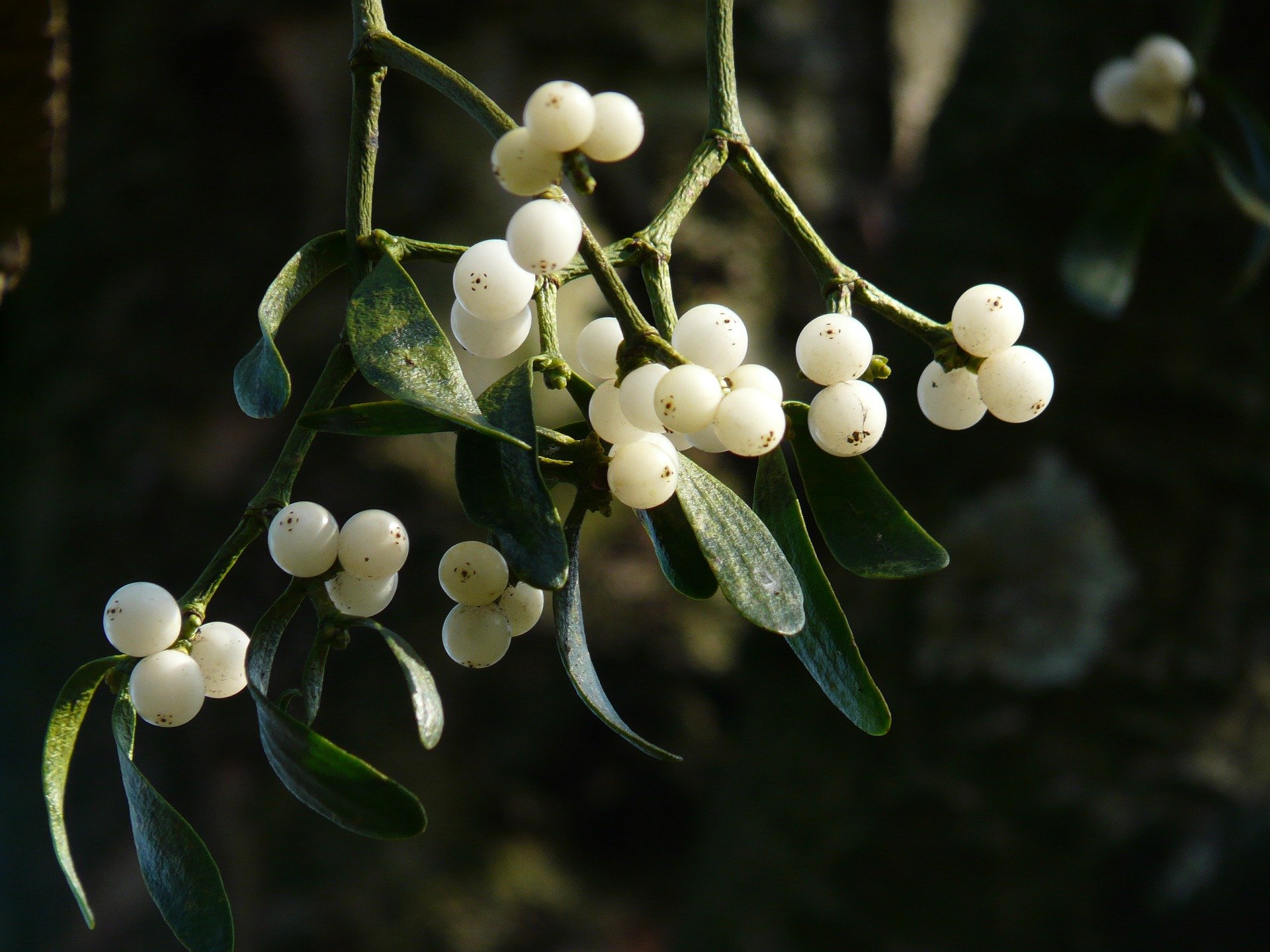
NINE: The crab apple is a common host to mistletoe, Viscum album.
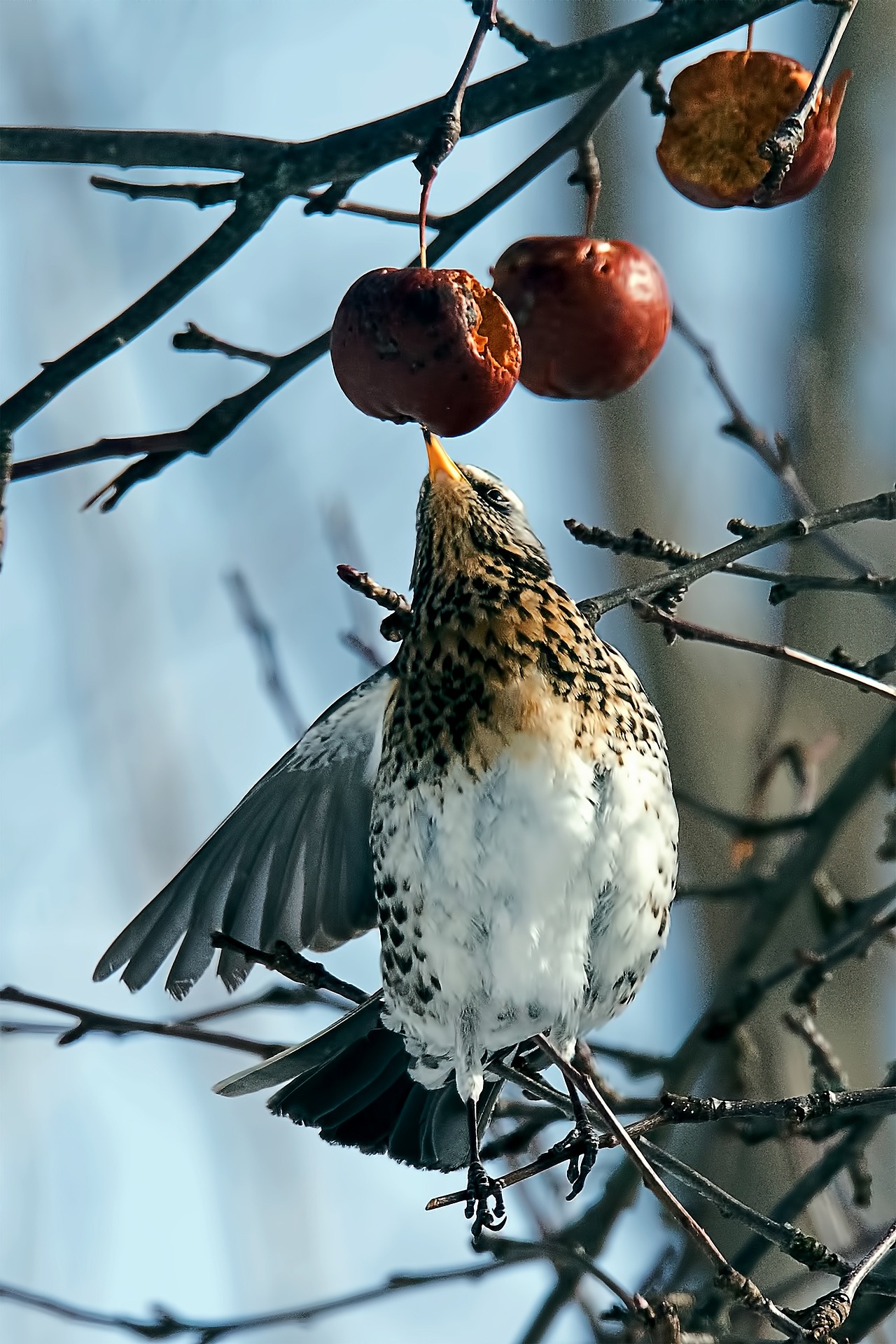
TEN: Crab apples are a valuable winter food-source for the reserve’s birds and small mammals. Our largest mammals eat them too: the resident badgers, as well as visiting foxes and roe deer will all eat fallen crab apples.


 Southwick Country Park Nature Reserve