
The clocks go back tonight; the nights, which have been getting longer since the autumnal equinox, will seem extra long and especially dark now just in time for Hallowe’en. We cosy up in front of the fire and scare each other with ghost stories, but out in the reserve, the ratio between daylight and dark triggers many natural processes.
For instance, the frequency at which some species of songbirds sing, depends on the length of daylight hours. In the spring, as daylight hours are increasing, the male bird produces more hormones, particularly androgens; as a result song frequency increases. During the autumn, when the hours of daylight are decreasing, the process is reversed, the bird’s androgen levels drop dramatically and singing frequency slowly decreases.
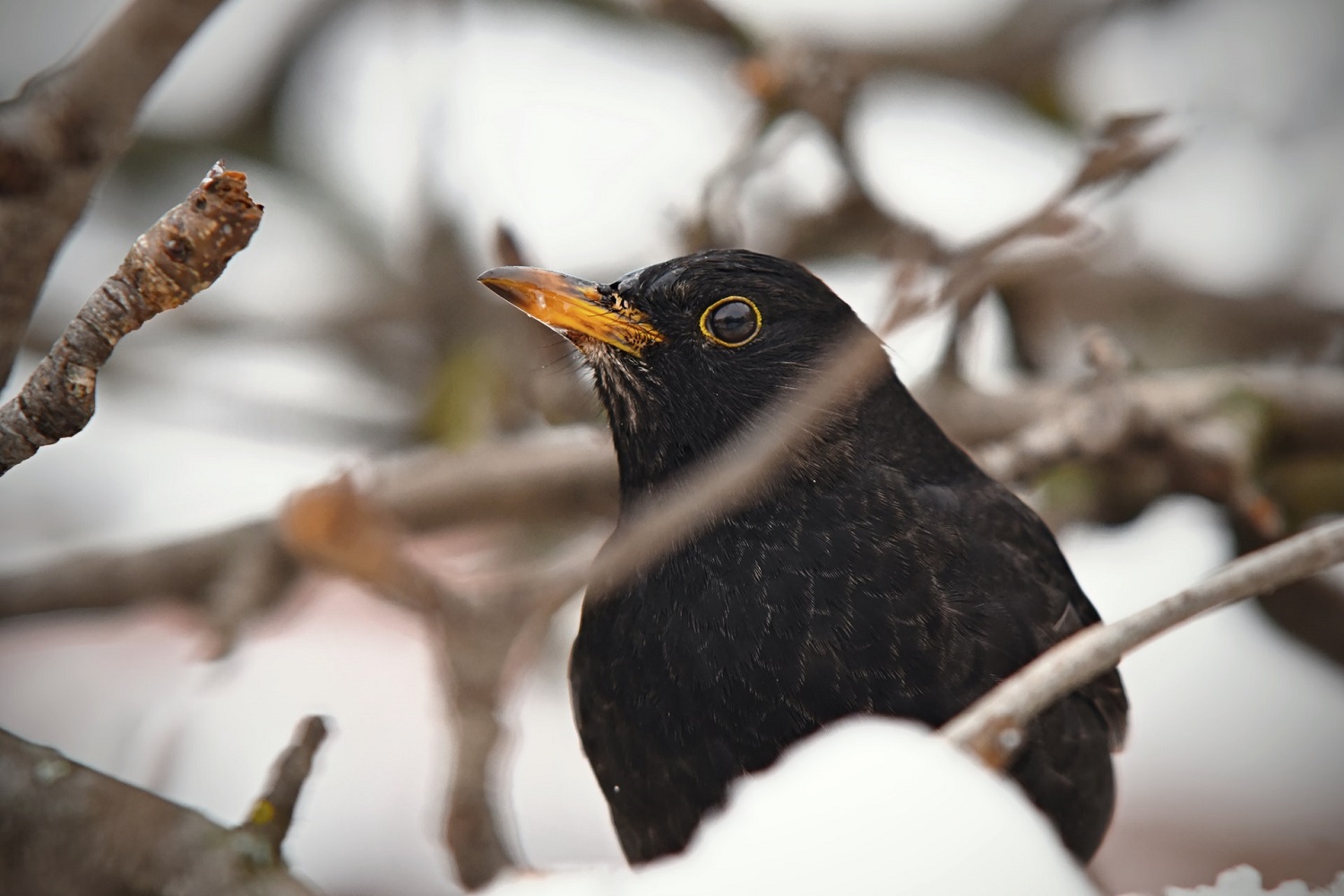

Two of the park’s songbirds: a blackbird and a song thrush.
Not only is the singing frequency of these species dependent on the amount of daylight, but the song repertoire is, too. In spring, when the daylight hours are increasing, birds sing a wider repertoire of more complex songs; in the autumn, as daylight hours shorten, there is a reduction in song repertoire and complexity.
This time of year, between the equinox and the winter solstice, it can feel as if the park has fallen asleep in the mud, under a blanket of fallen leaves. But the solstice this year is on Friday, December 22nd, the days will begin to lengthen, and sometime in January the blackbirds will begin to sing, signalling the year’s turn.





 Southwick Country Park Nature Reserve