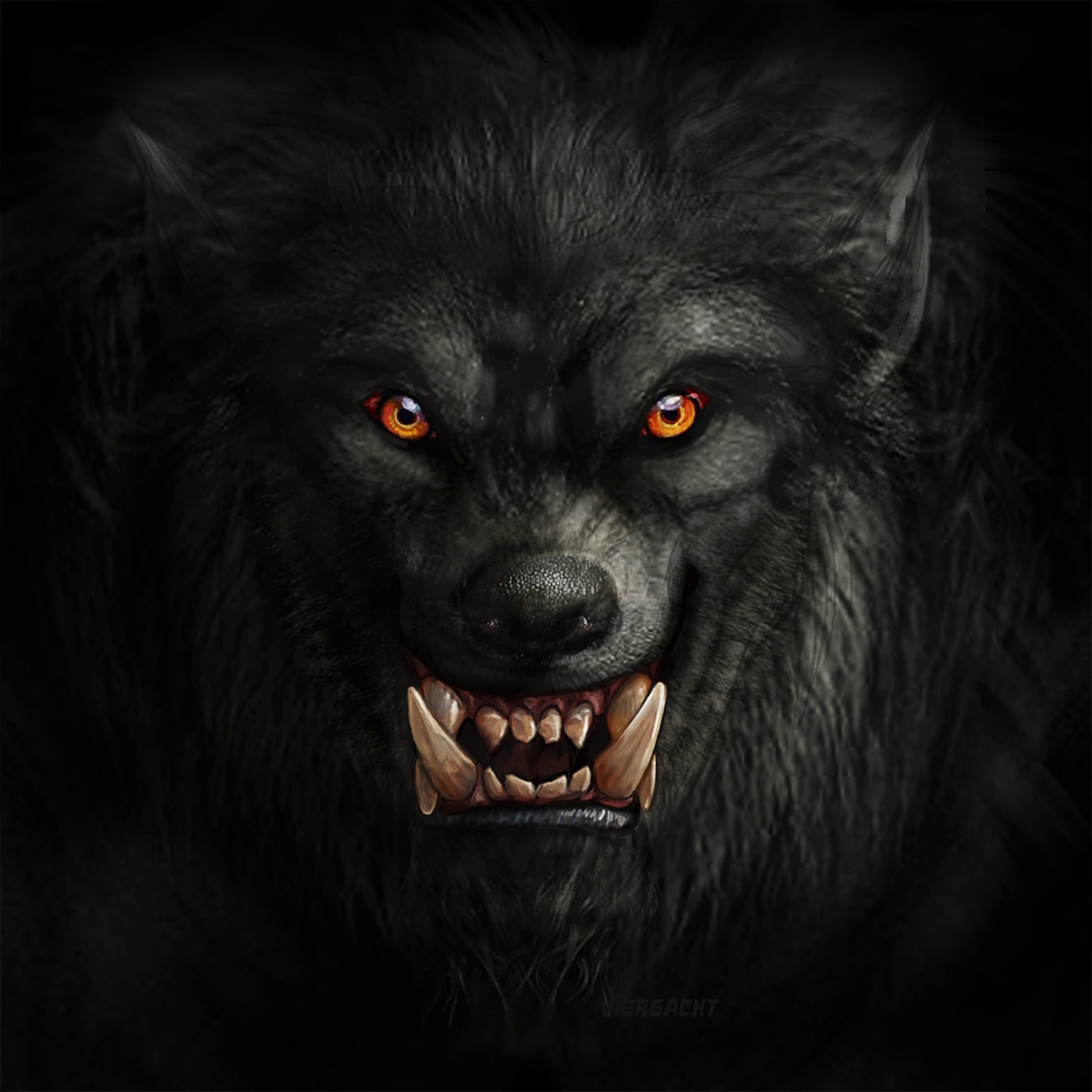
Fact file: Werewolf
Common name: Werewolf
Scientific name: Homo sapiens lycanthropus
Family: Canidae; order: Fabulae
Description: The appearance of a werewolf in its animal form is usually indistinguishable from ordinary wolves save for the fact that it has no tail, a trait it shares with witches that can take animal form. Some werewolves retain human eyes and voice.
In human form, a werewolf is indistinguishable from an ordinary human being except for certain tell-tale characteristics: their eyebrows meet in the middle, their fingernails are curved and there is, if you are brave enough to look, hair growing beneath their tongue.

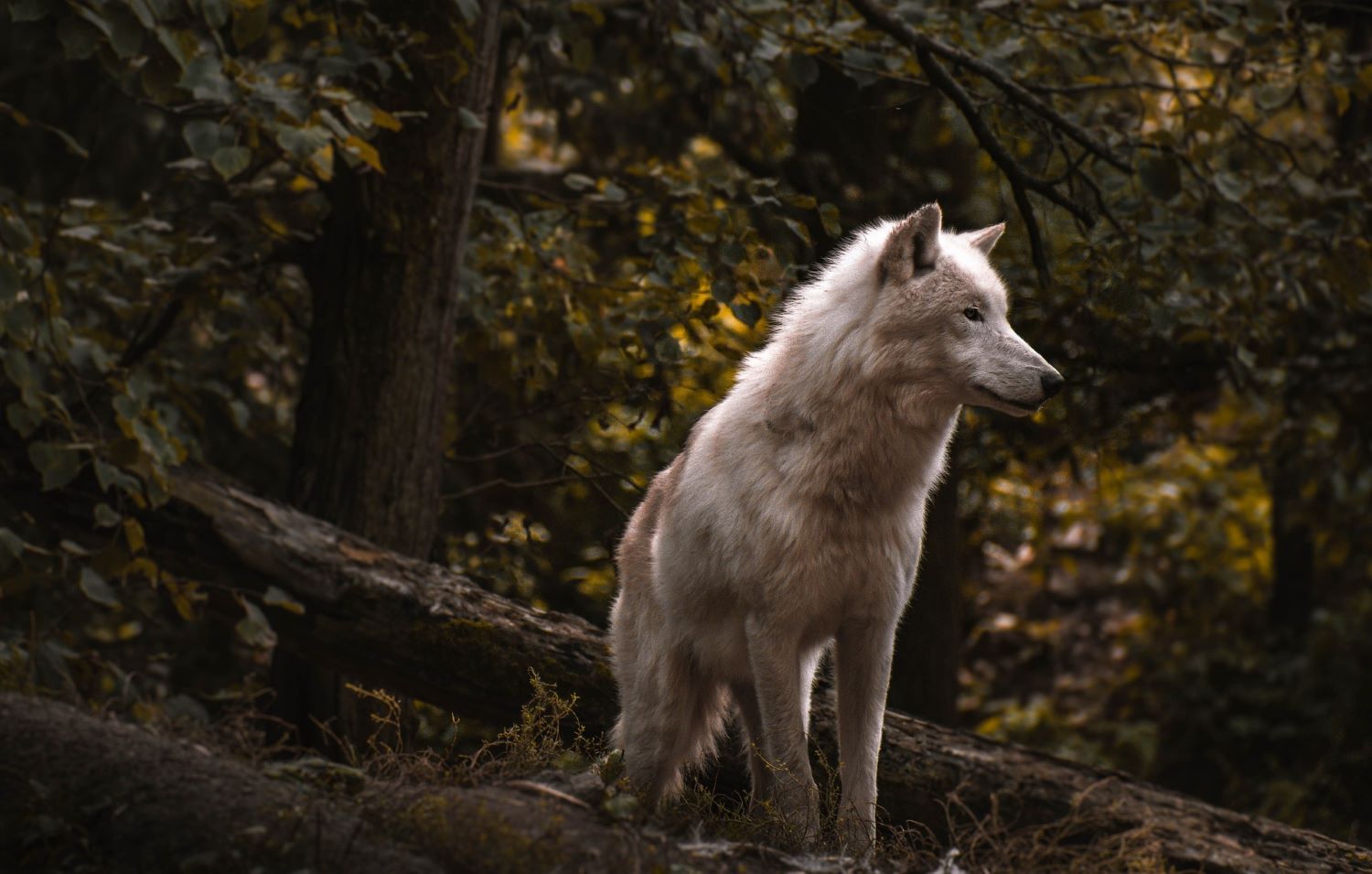
Habitat: Werewolves live quiet and orderly lives amongst us for most of their time, with a particular liking for school staff rooms. At the full moon, under the influence of their curse, they take to the woods and forests. Your best chance of spotting a werewolf in the reserve and living to tell the tale is after dark, at the full moon or on Hallowe’en, and fully armed. The internet recommends night vision goggles and a taser but most supernaturalists would prefer a silver crucifix and a pitchfork.
Origin: Werewolves originated in Transylvania and other mythical eastern European countries. They seem to have arrived in Britain during the Late Middle Ages and the early modern period but in other parts of the world human to wolf transformations have been written about for over 3,000 years.
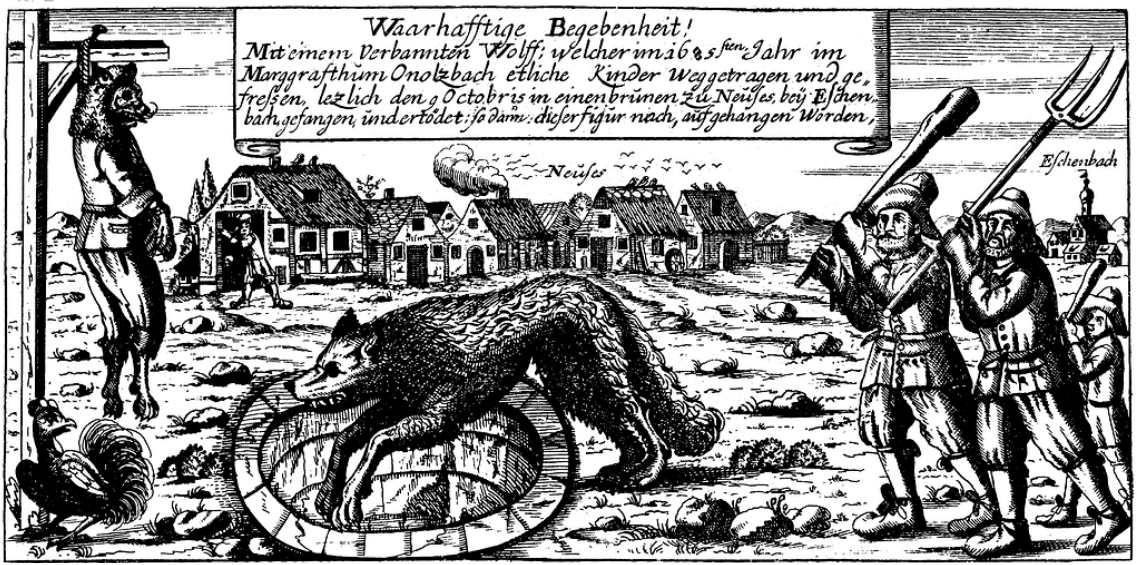
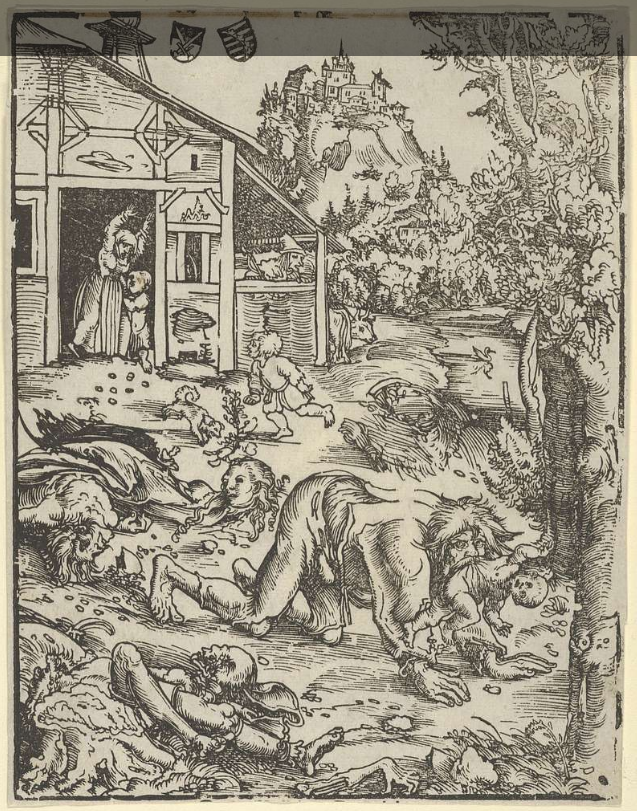
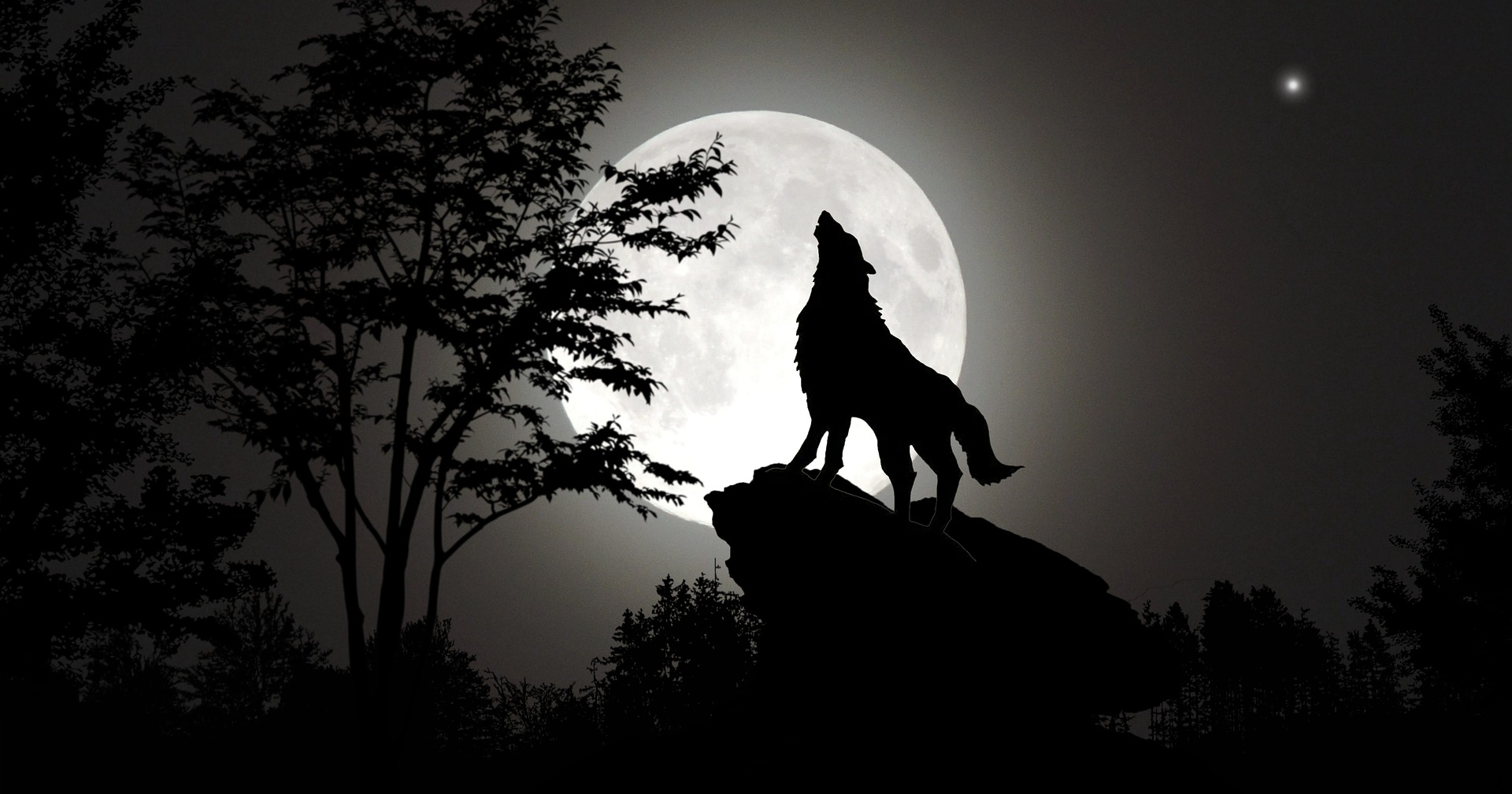
Conservation status: The conservation status of the werewolf is Least Concern due to its wide range, its tolerance for modern farming methods, the decreasing use of pitchforks and the increasing scarcity of silver bullets.
DYK: There is a very rare medical condition called werewolf syndrome, also called hypertrichosis, that causes sufferers to grow hair all over their body, including their faces. There are only 50 known cases in the world today. It is possible that people suffering from hypertrichosis, driven out of mediaeval villages and into the woods, could have been the origin of the European werewolf myths.




 Southwick Country Park Nature Reserve
Scary!
I want to be a supernaturalist when I grow up.
It’s actually a very interesting subject, more psychology than biology but no less interesting for that. But you do have to be careful when you type “werewolf” into Google.