
Badger Timetable
What are our badgers doing as November, Wiltshire’s wettest month, begins with a named storm?


After October’s shorter days stimulated a second peak of mating activity, our badgers are now feasting in order to put on fat reserves for the winter. They eat nuts, seeds and acorns as well as crops like wheat and sweetcorn and, when they can find them, the late root vegetables left in your allotment.
It has been estimated that 80% of a badger’s diet is earthworms but they are also known to eat small animals including mice, rats, rabbits, frogs, toads, and hedgehogs, and will take advantage of any animal carcasses and carrion they come across.


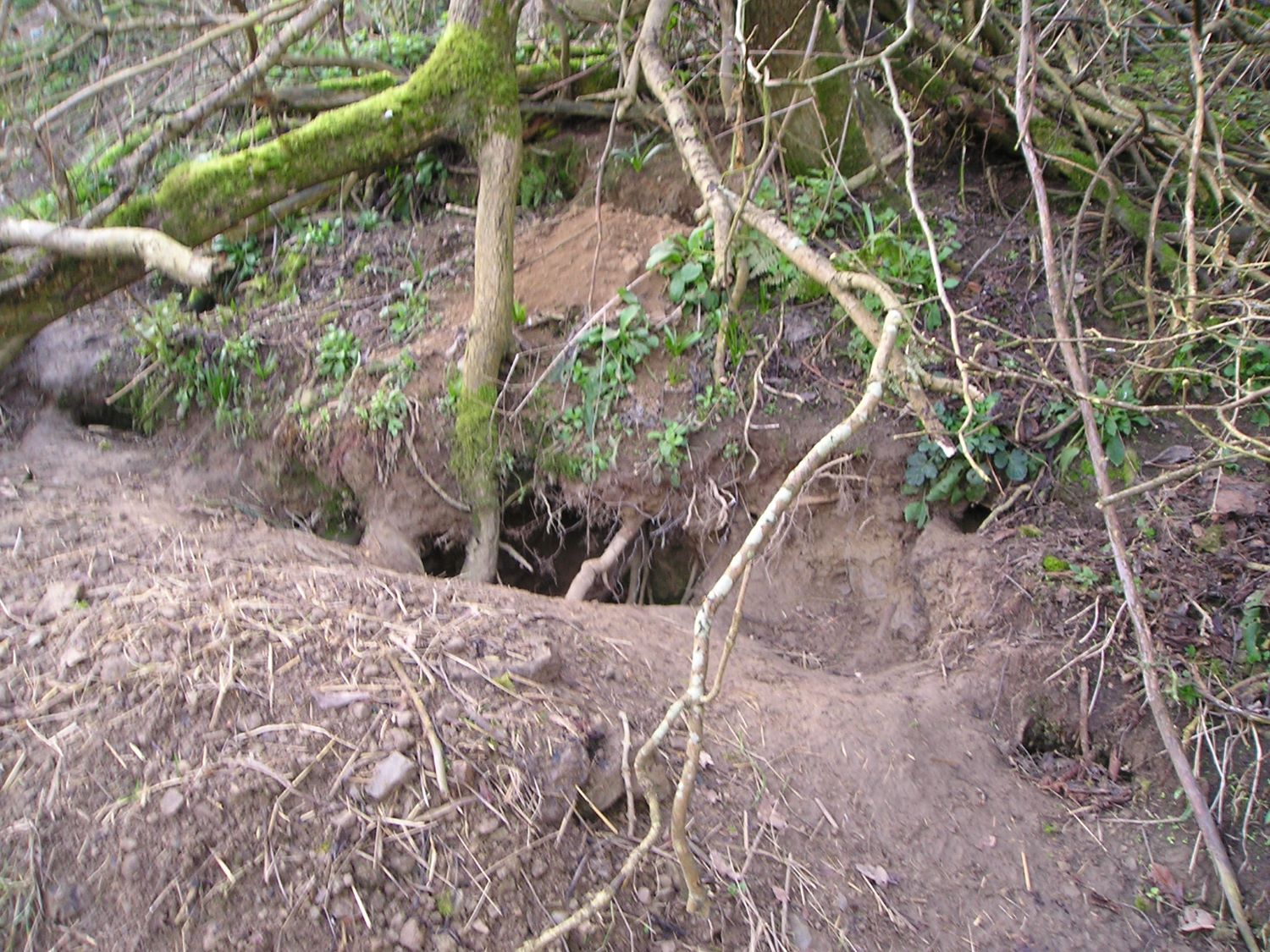
Now, as the temperature falls, they are preparing their setts for winter by cleaning out tunnels and bringing in dried grass and leaves for fresh bedding. They are less active, spending more nights underground, especially in wet weather. Fewer of their tunnel entrances are in use and many become covered and blocked with leaves, disguising the sett at a time when the surrounding vegetation dies back.
Badgers don’t hibernate, but they spend far more time in their setts so we see them less in the winter. They do emerge to forage in mild weather and might well visit your garden looking for fallen fruit or earthworms. Make them welcome.
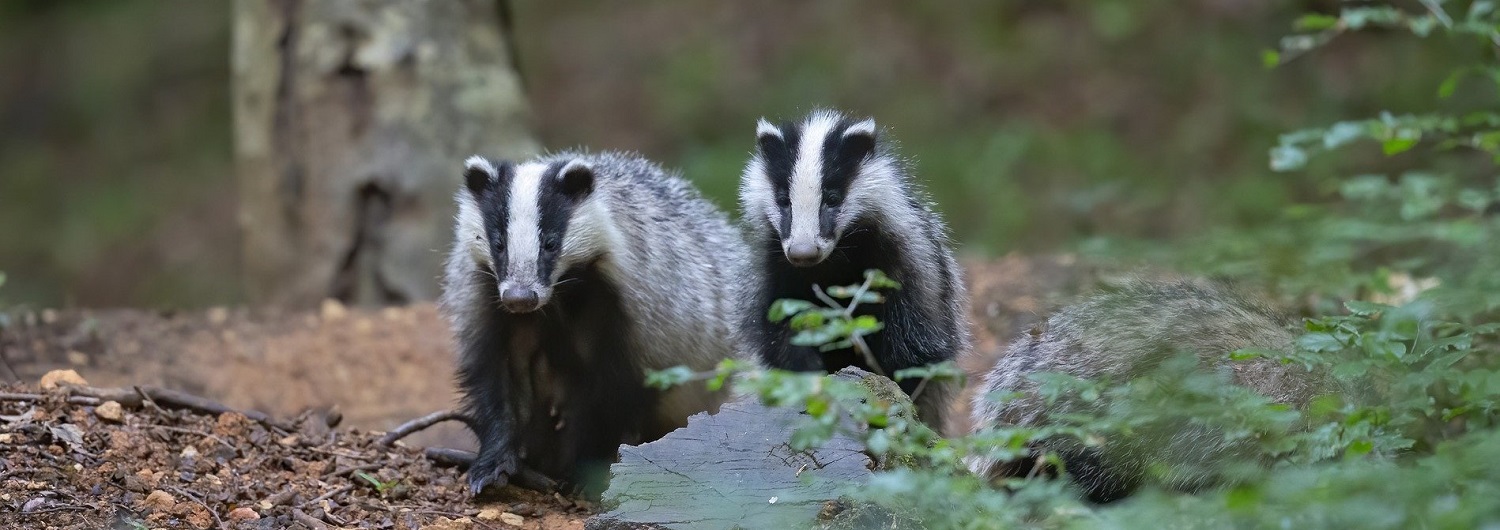
The Wildlife Trusts say that regularly feeding badgers will make them unnecessarily dependent on us but putting out extra food for them occasionally will help them through the winter. The Trusts recommend wet cat or dog food, or specialist badger food, with some fruits, such as apples, plums or pears, and unsalted nuts.

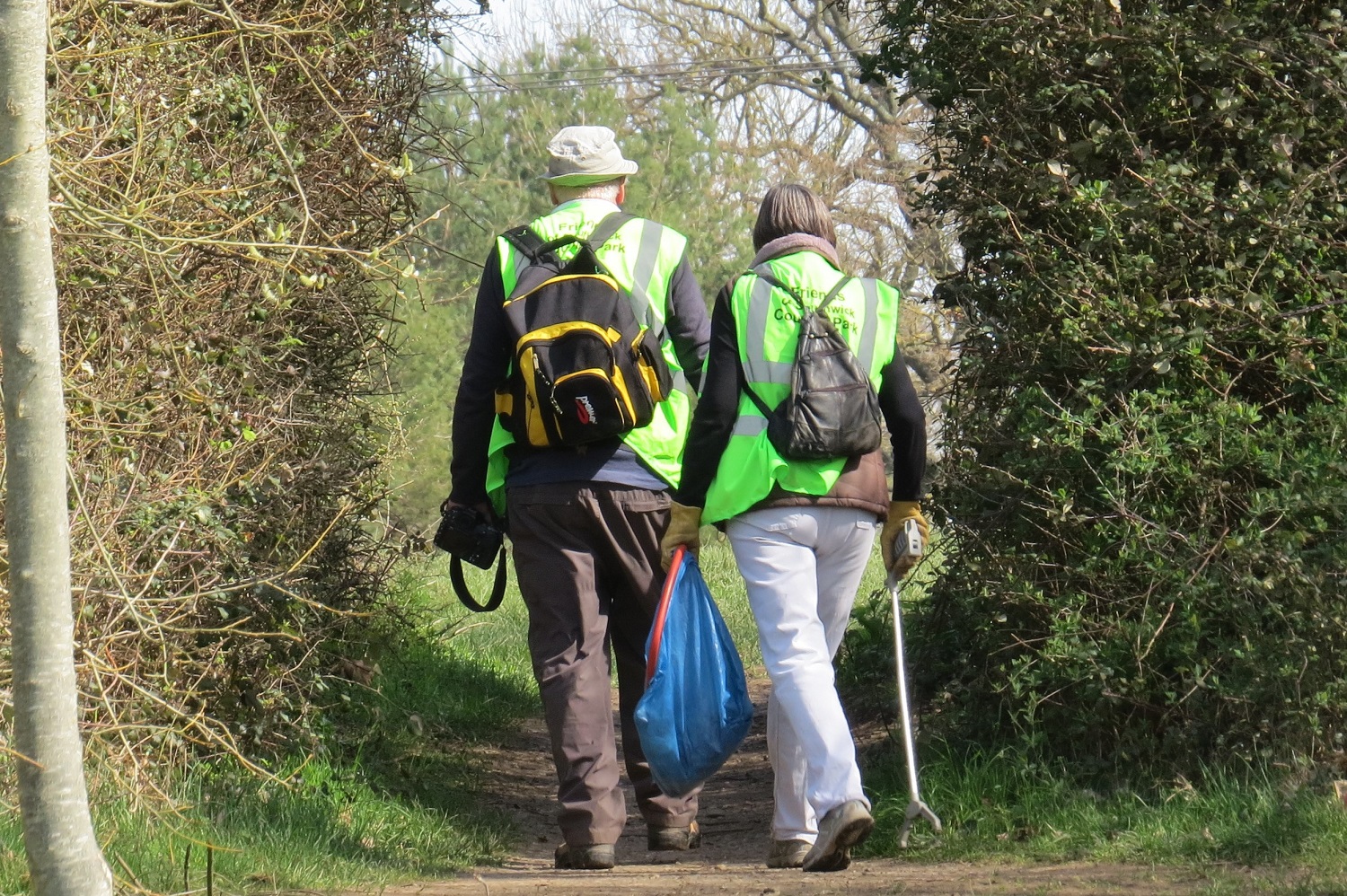


 Southwick Country Park Nature Reserve
Some good advice and useful information. Our garden in Blind Lane was sometimes visited by a badger from the farmland behind us but sadly we haven’t seen one for a few years. It’s good we have the Nature Reserve to protect and nurture our wildlife, Thankyou. Barbara Johnson.