
Beak length in great tits
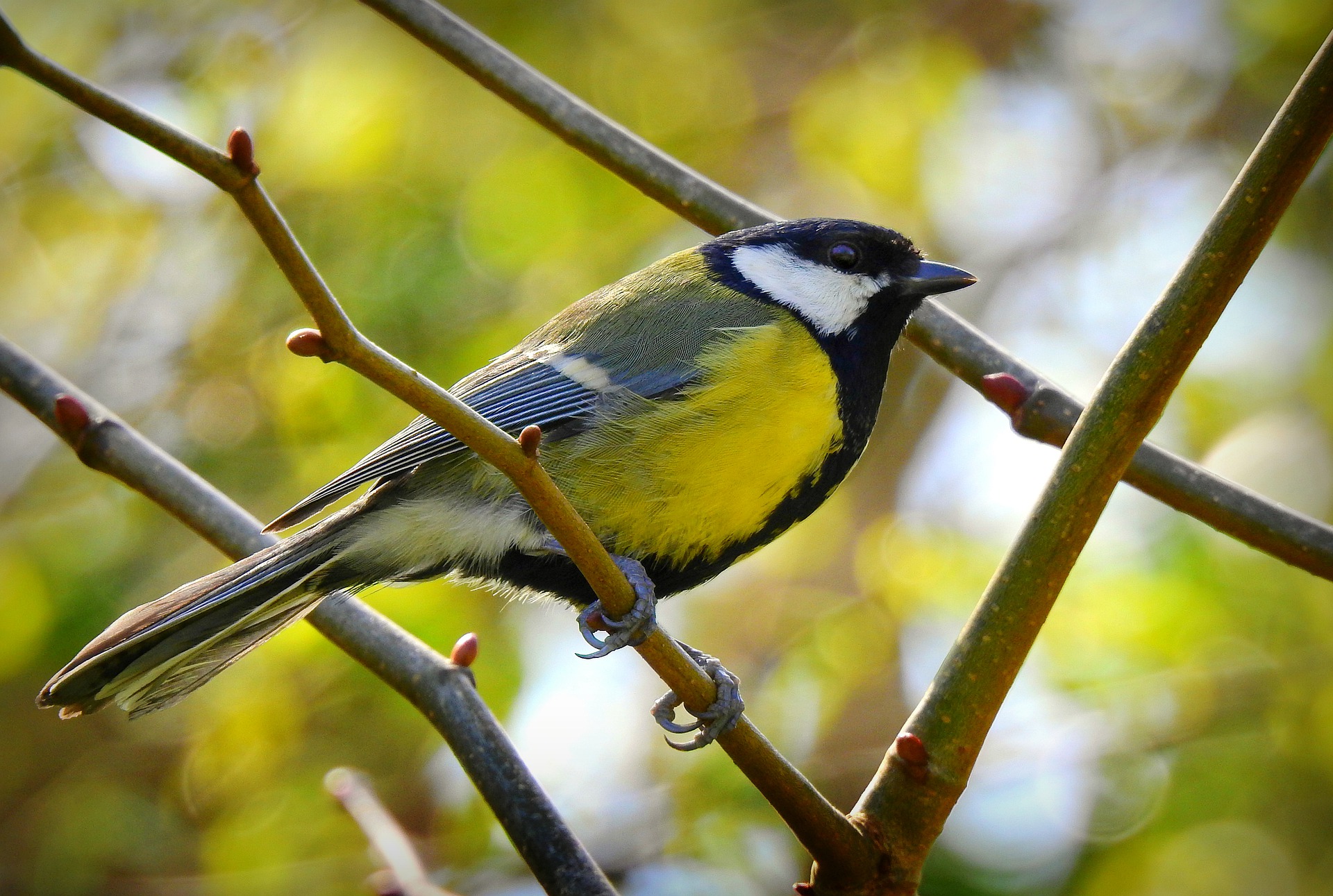
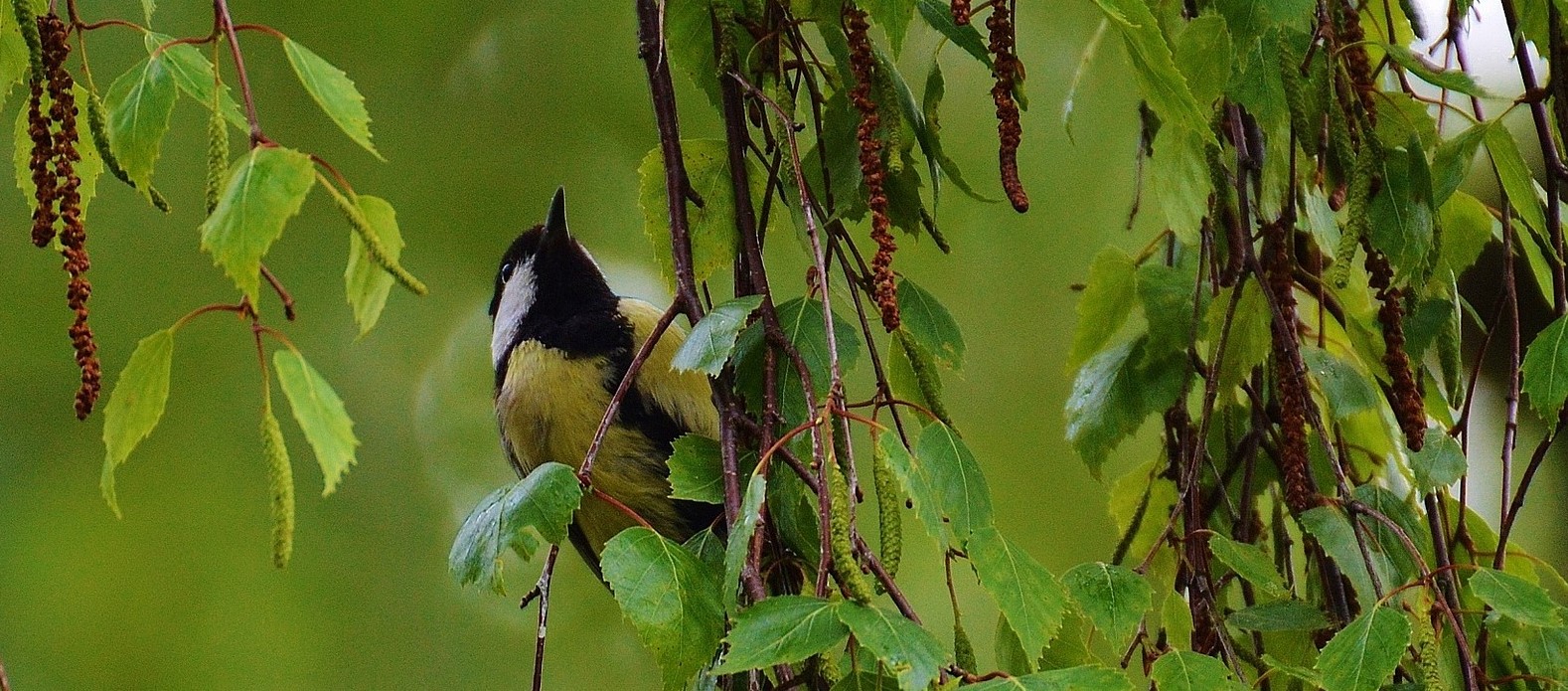
Apparently, great tits in the UK have longer beaks than Dutch great tits: data analysis has shown a difference of 0.3mm. What’s going on?
The conclusion drawn by scientists from the University of Oxford’s Department of Zoology working in collaboration with the Netherlands Institute of Ecology is that this is a genetic difference. Studying historical data and the DNA of thousands of birds in the UK and the Netherlands, they found that this difference in beak length has evolved very recently.
Evolution is a response to changing environment. To understand why two geographically close populations of a species can evolve measurable differences over a short period of time, we have to look at recently developed significant differences in their separate environments.
We know that the size and shape of birds’ beaks evolve in response to their feeding environment: for instance, probe-shaped bills for surviving on mudflats, and nut-cracker devices for getting seeds out of pine cones. So how is the environment in which British great tits feed so different to that in which their dutch counterparts feed just a few miles across the North Sea?
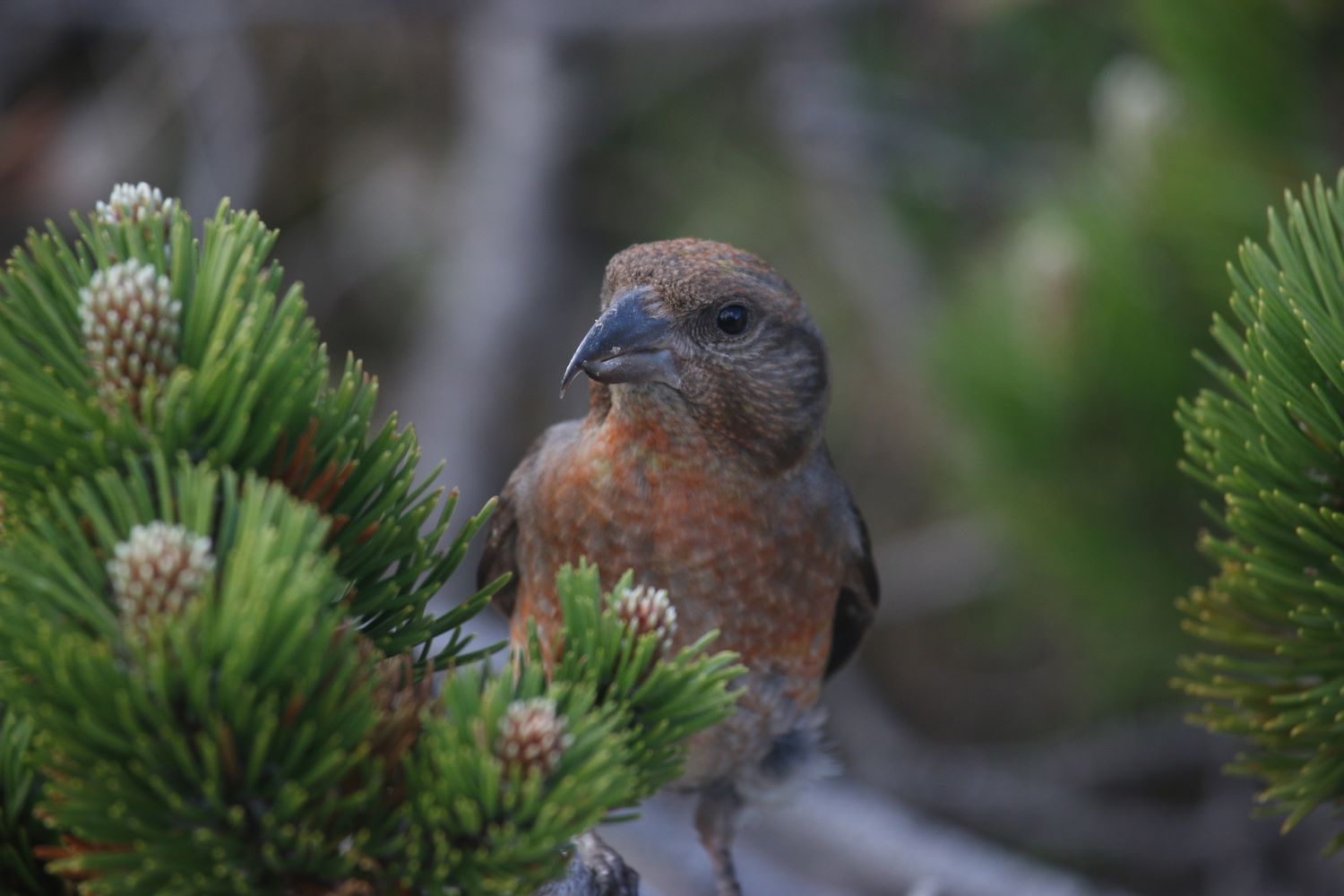
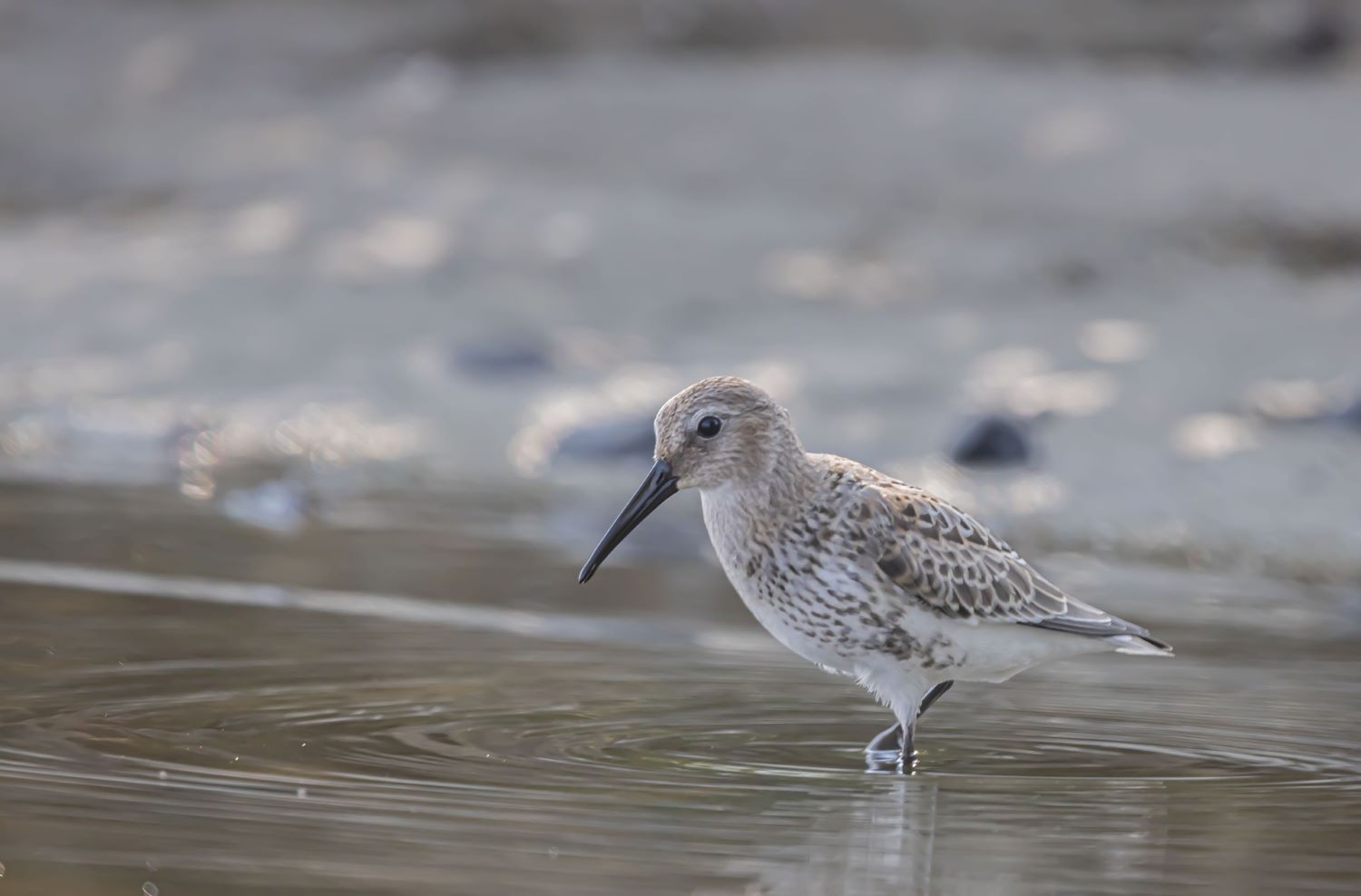
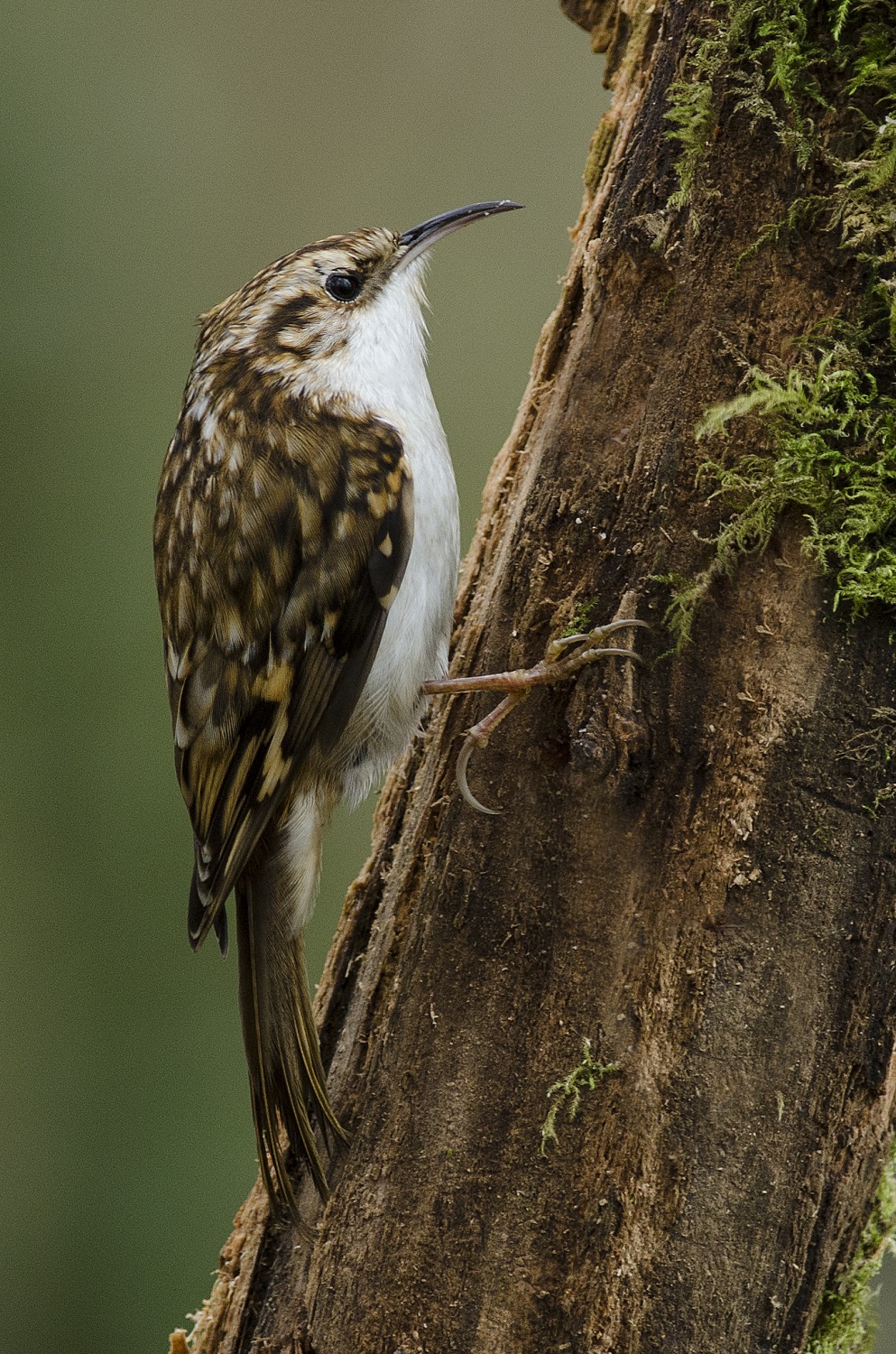
A crossbill’s beak is designed for removing seeds from cones, a tree creeper’s for probing cracks in the bark of a tree, and a sandpiper’s for finding marine invertebrates in the sand.
One suggestion is that in the UK we feed our garden birds much more than people do in mainland Europe and that this is now such a factor in the birds’ environment that British great tits are evolving to meet its demands.
Most feeders are designed so that visiting birds have to reach through a mesh or through holes to access supplementary food. A longer beak might make for much more successful feeding in certain circumstances, resulting in a significantly healthier bird with an increased chance of breeding. The offspring of that long-beaked and healthy bird, will be more likely than the general population to have long beaks and to share their parent’s success at garden feeders and raising nestlings.

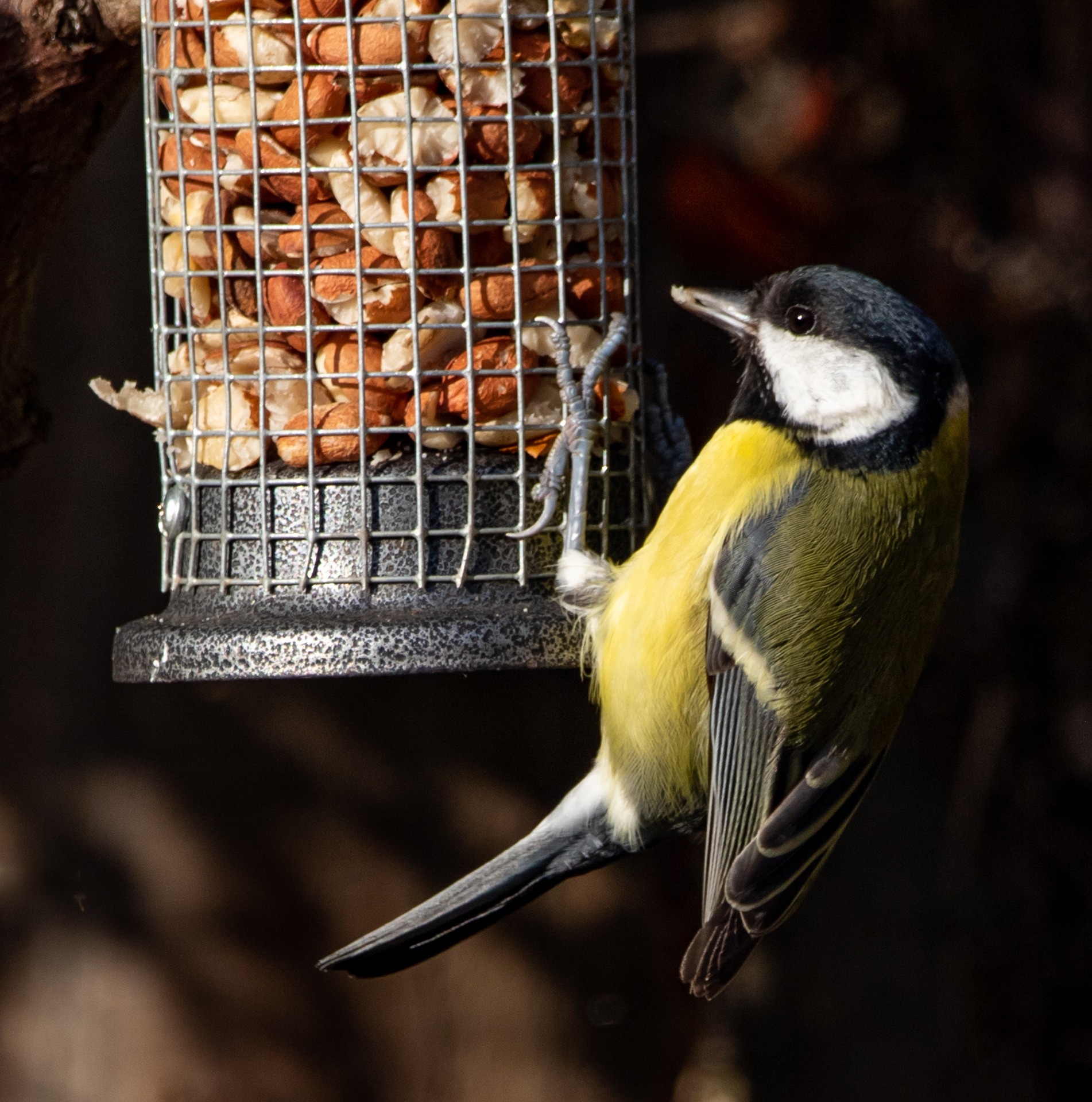
Science tries very hard to be impartial, so we don’t, at the moment, have to decide if this is a good or a bad thing. What it is, though, is an indicator of how fundamentally we are changing the environment we share with our wildlife.




 Southwick Country Park Nature Reserve