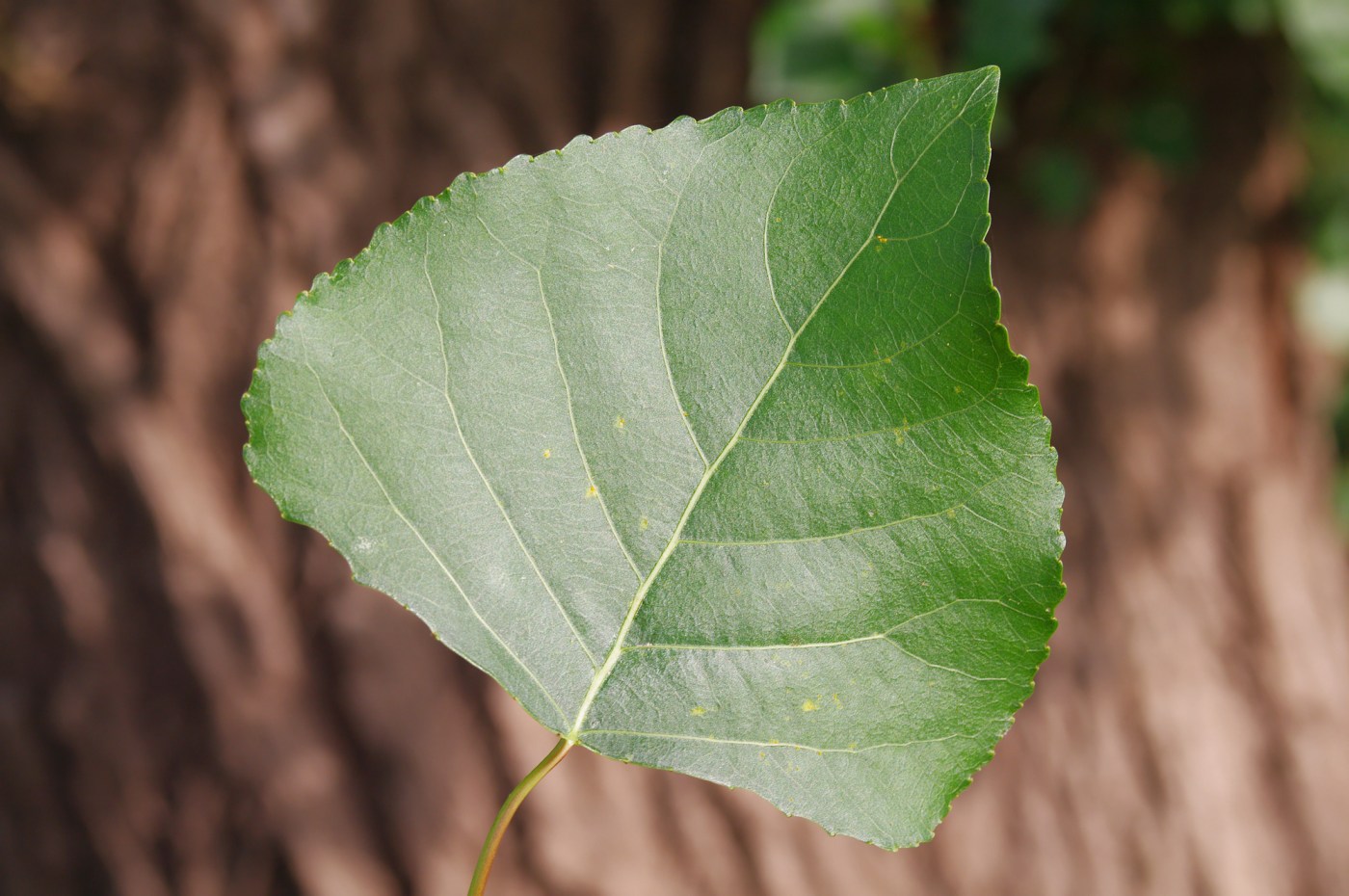
In the reserve we have two different kinds of poplar tree: Populus nigra, the black poplar and its cultivar, Populus nigra var. Italica, the Lombardy poplar.
The true black poplar, a British native, has become an elegant rarity while the tall, narrow Lombardy poplar, developed in northern Italy during the 17th century and used frequently in the UK as a fast growing windbreak, has become much more common.
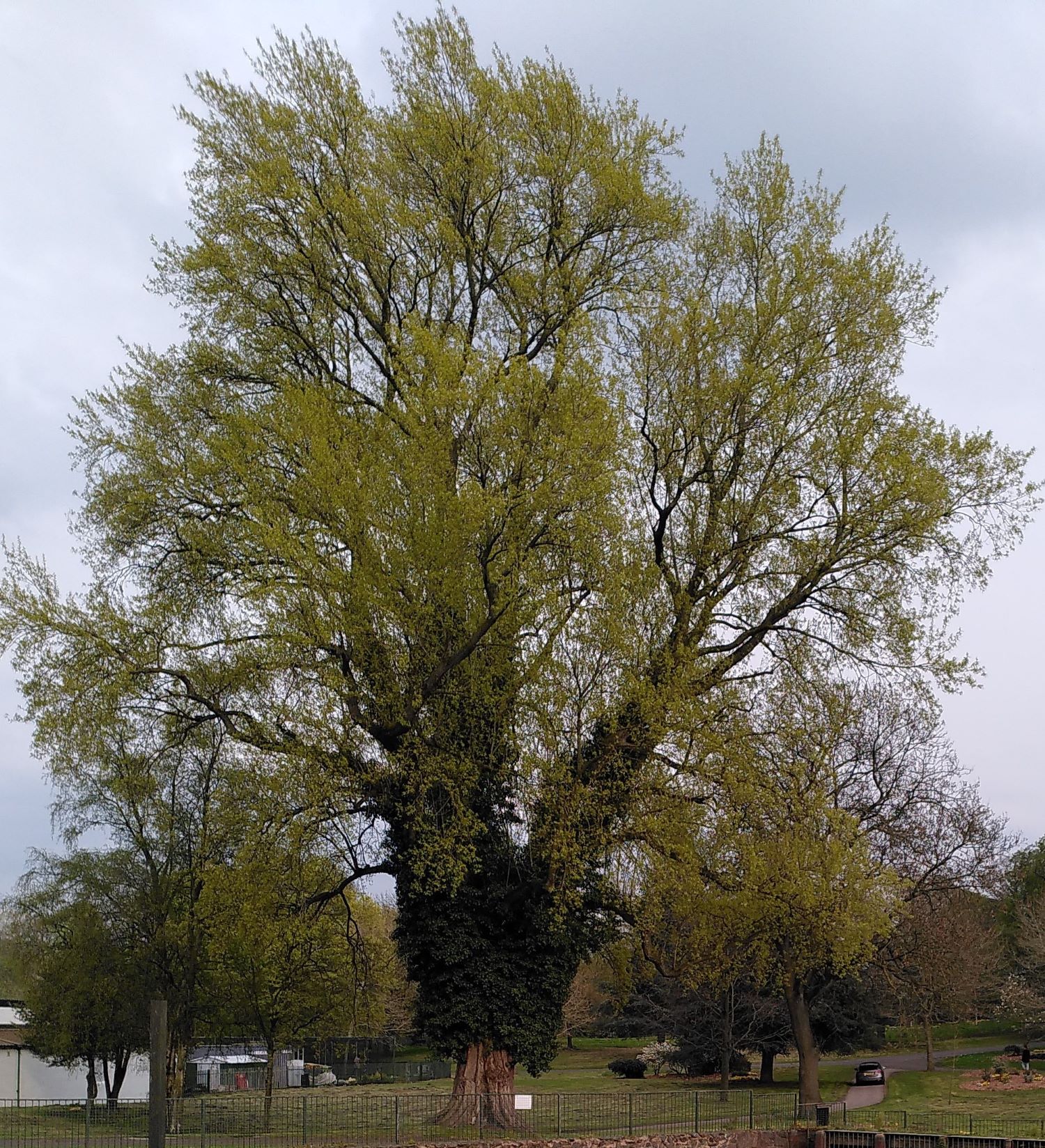
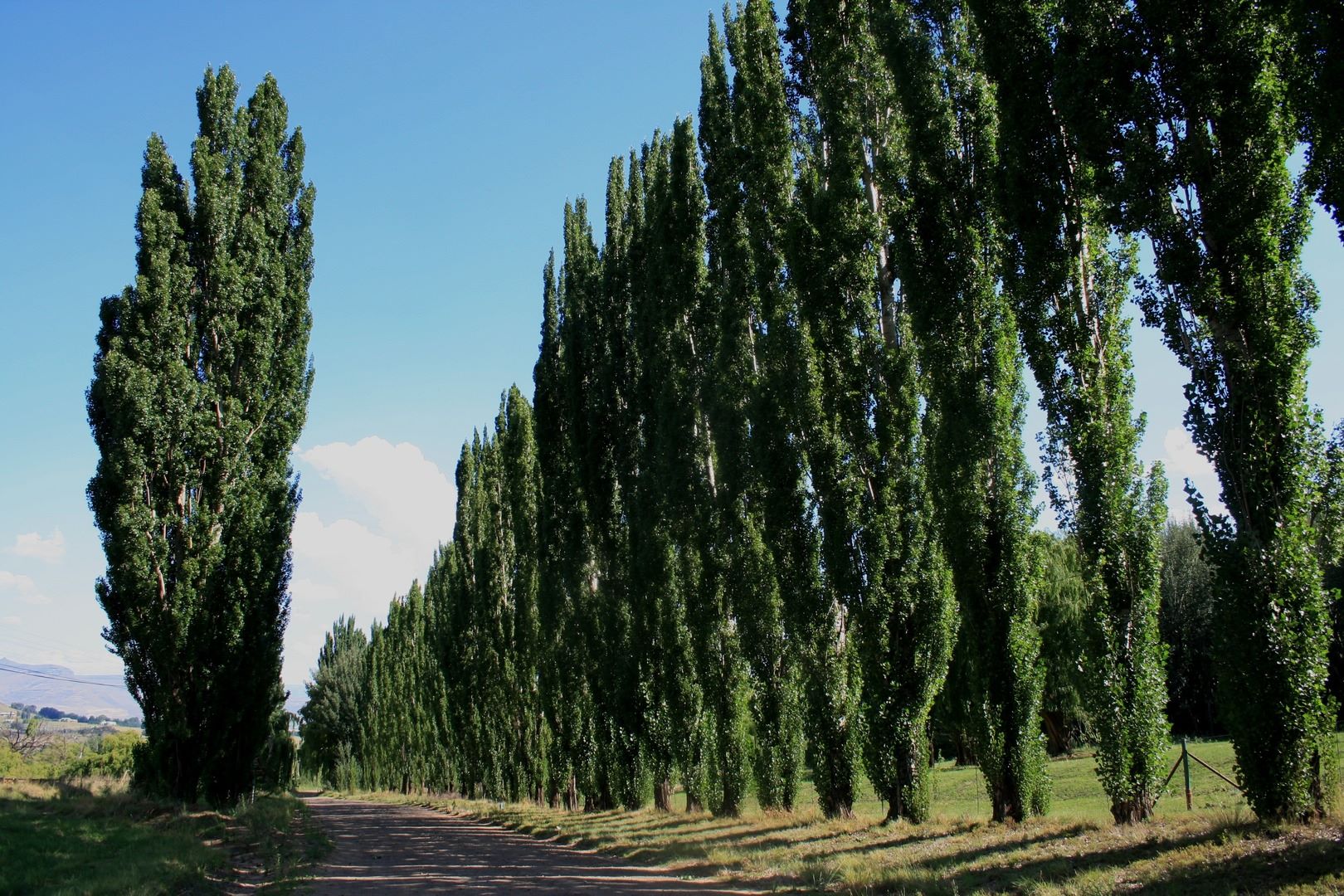
The Lombardy poplar, though, is adapted to the aridity of the Mediterranean region and here, in the UK’s humidity and rain, it is prone to fungal infection. While black poplar can live for more than two centuries, the Lombardy cultivar rarely lives beyond 30 years. How come a long-lived, damp-loving native species like the black poplar, is being out-performed by a short-lived cultivar designed specifically for the Mediterranean region?
Human activity is the answer: our impact on the black poplar’s environment in the UK has been almost entirely negative. We have drained so much of our natural wetland for agricultural use that the wild black poplar, a wetland specialist, is gradually disappearing from our landscape.
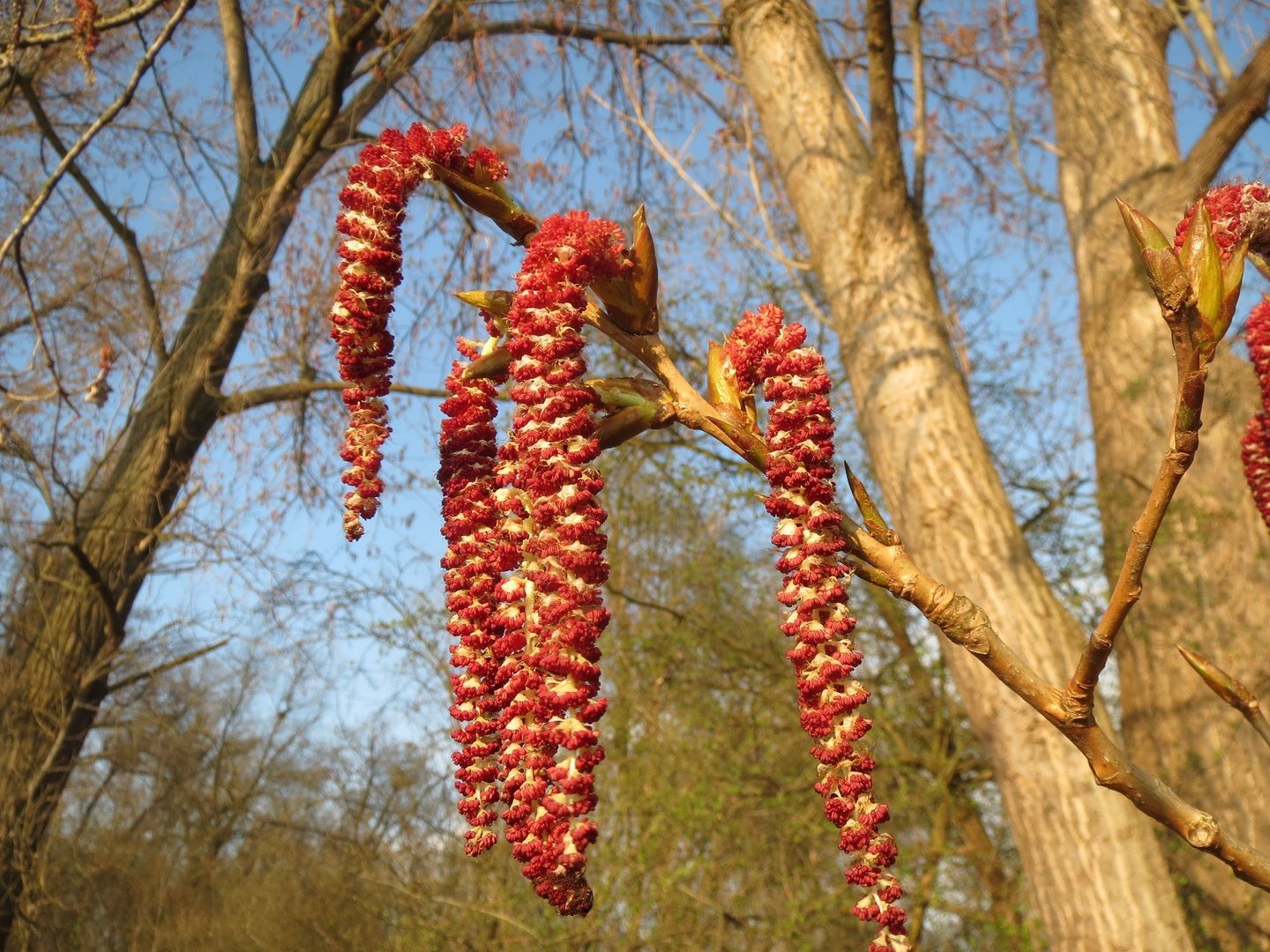
Availability of habitat is not the only problem, though: like most species of Populus, black poplar is dioecious, which means that the wind-pollinated male and female flowers are found on separate trees and successful reproduction requires male and female trees to be close to each other. As we drain our wetland and the overall population density of black poplars falls, the likelihood of such proximal pairings of male and female trees falls even faster and the possibility that fertilised seed will drop into the sort of rich wet soil where it will best germinate falls fastest of all.


Lombardy poplars, on the other hand, were imported into the UK to suit our purposes. In the mid 20th century, farmers grubbed out hedges to make larger fields to accommodate larger agricultural machinery. Windbreaks became necessary to prevent the winter winds scouring the topsoil out of the fields. The Lombardy is easily cultivated (all the trees are male clones, grown from cuttings) and very fast growing: it seemed to be the perfect answer and they have proliferated.
A recent Woodland Trust survey estimated there are only 7,000 true black poplars left in England, Wales and Ireland, of which only 600 are female. We don’t know if our black poplar is a wild native or if it is the result of cross fertilisation with one of the many cultivated varieties produced over the years for our gardens – but we can hope.





 Southwick Country Park Nature Reserve
How do we find out if the park’s tree/s is/are one of the 7000? DNA analysis?
I am not sure. Hopefully, our Tree Officer will see your question and be able to tell you. If not, I’ll email him and ask.