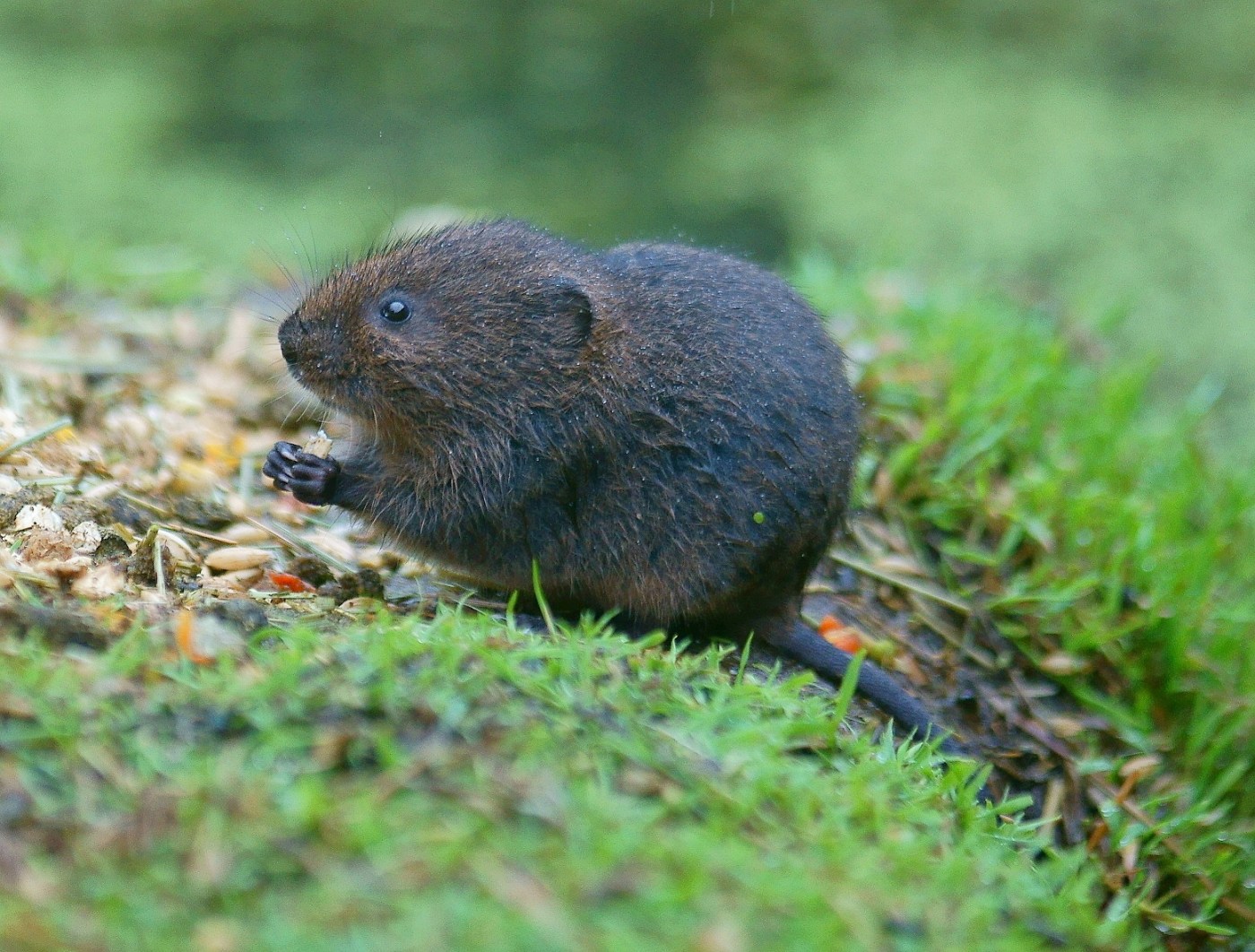
Ecosystem engineers are creatures that create, significantly alter and maintain (or destroy) a habitat and in doing so change the availability of resources for other species. Our water voles are busy engineering the banks of Lambrok Stream and its tributary. How do they do this?
Firstly, water voles (Arvicola amphibius) are grazers. They alter the environment in exactly the same way that other grazers do: just like zebra or American bison, but on a tiny scale, they shorten the turf creating lawns where new species of plant can find a footing. Their droppings add nutrients to the soil so that the new plants thrive. Over the years, water voles can dramatically change the plant community along their waterway.
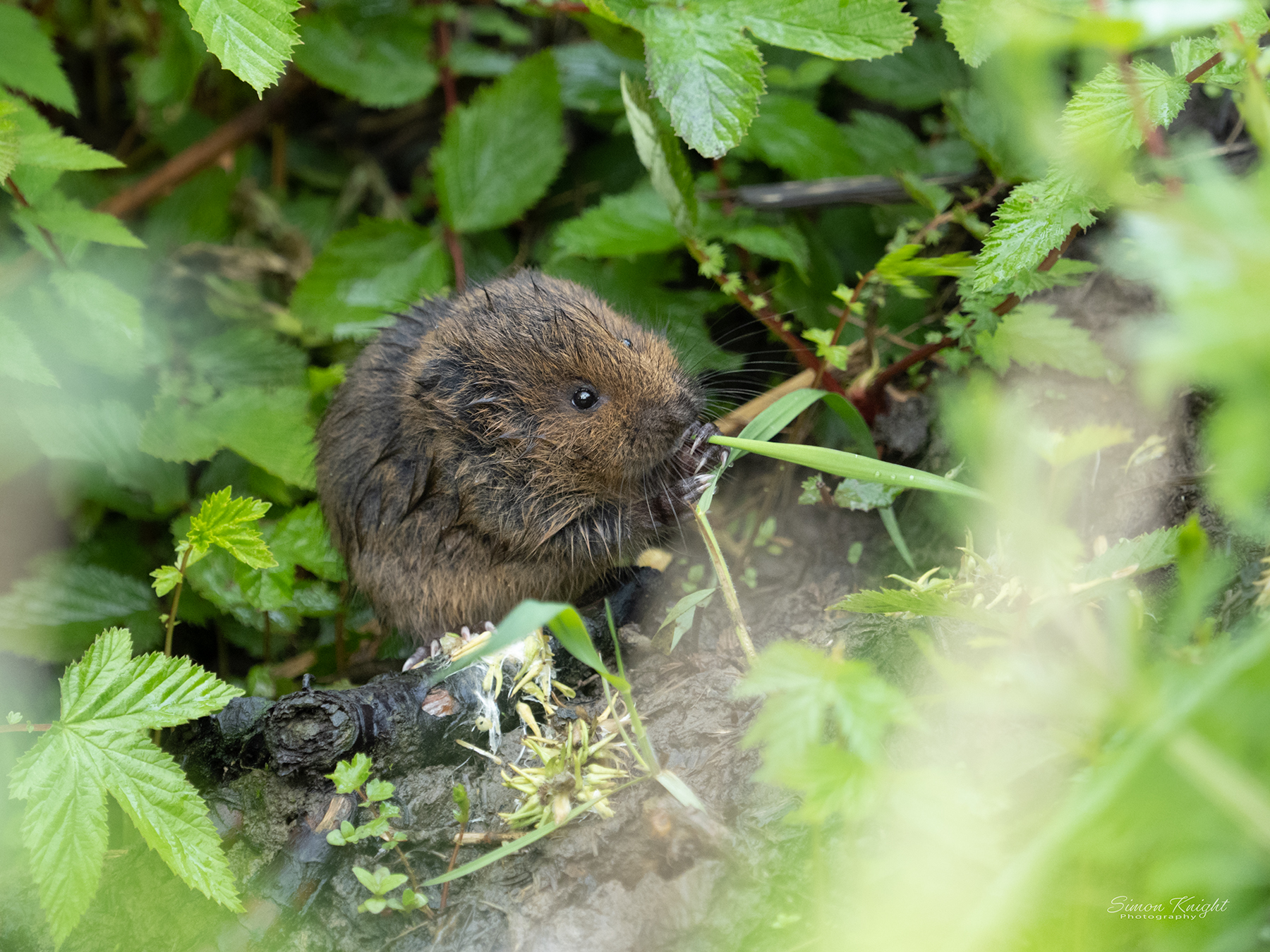

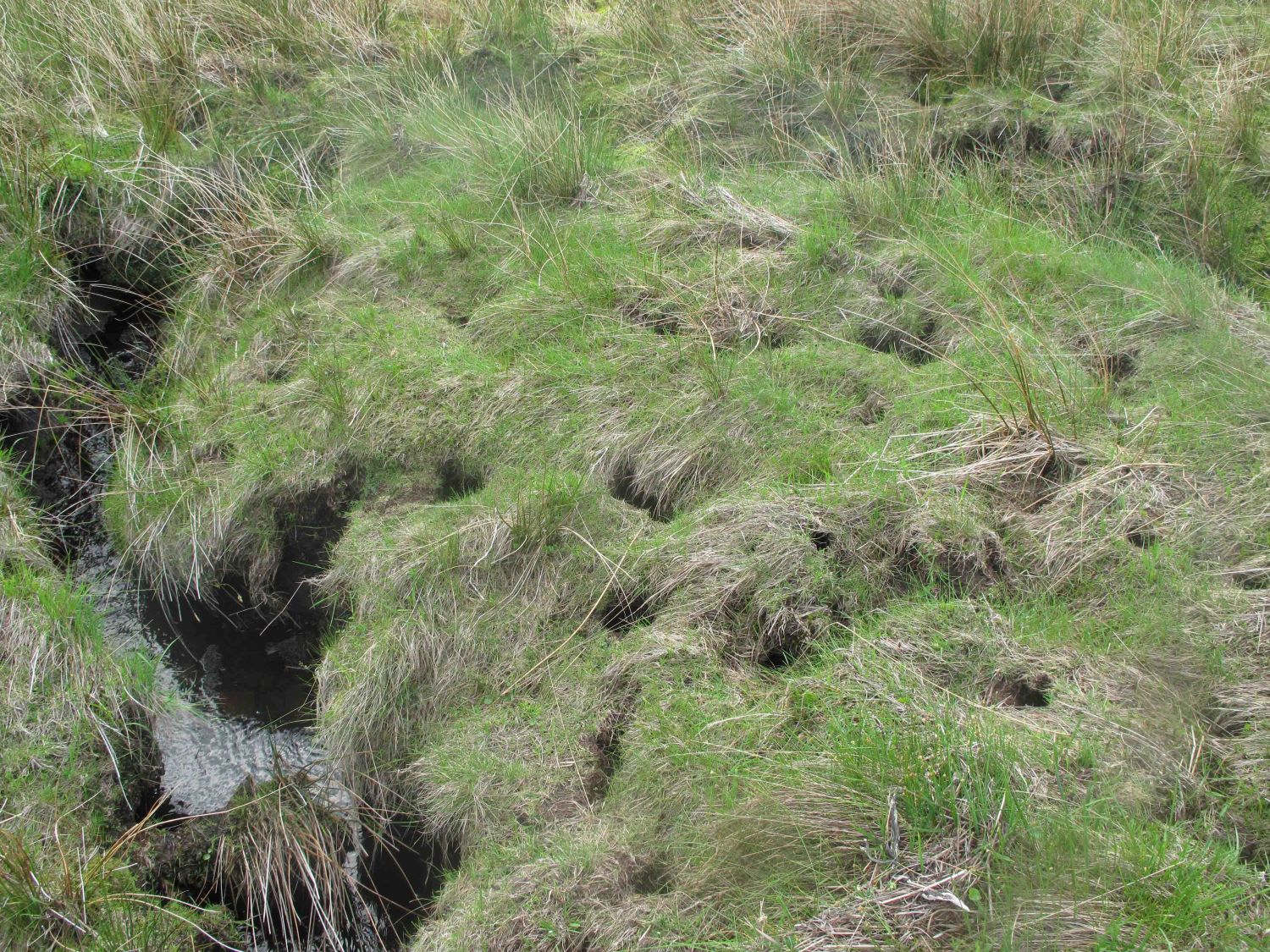
Secondly, they dig. Water voles make extensive systems of tunnels and dens in and under the banks of a stream. The tunnels drain the thriving plant community at the top of the bank and the excavated soil redistributes nutrients, seeds and invertebrate species.
The tunnels, even while the voles are resident, are used as hiding places and shelters by small mammals, amphibians and reptiles. The plant communities above attract invertebrates and, in turn, the things that hunt invertebrates arrive. The stream bank flourishes.

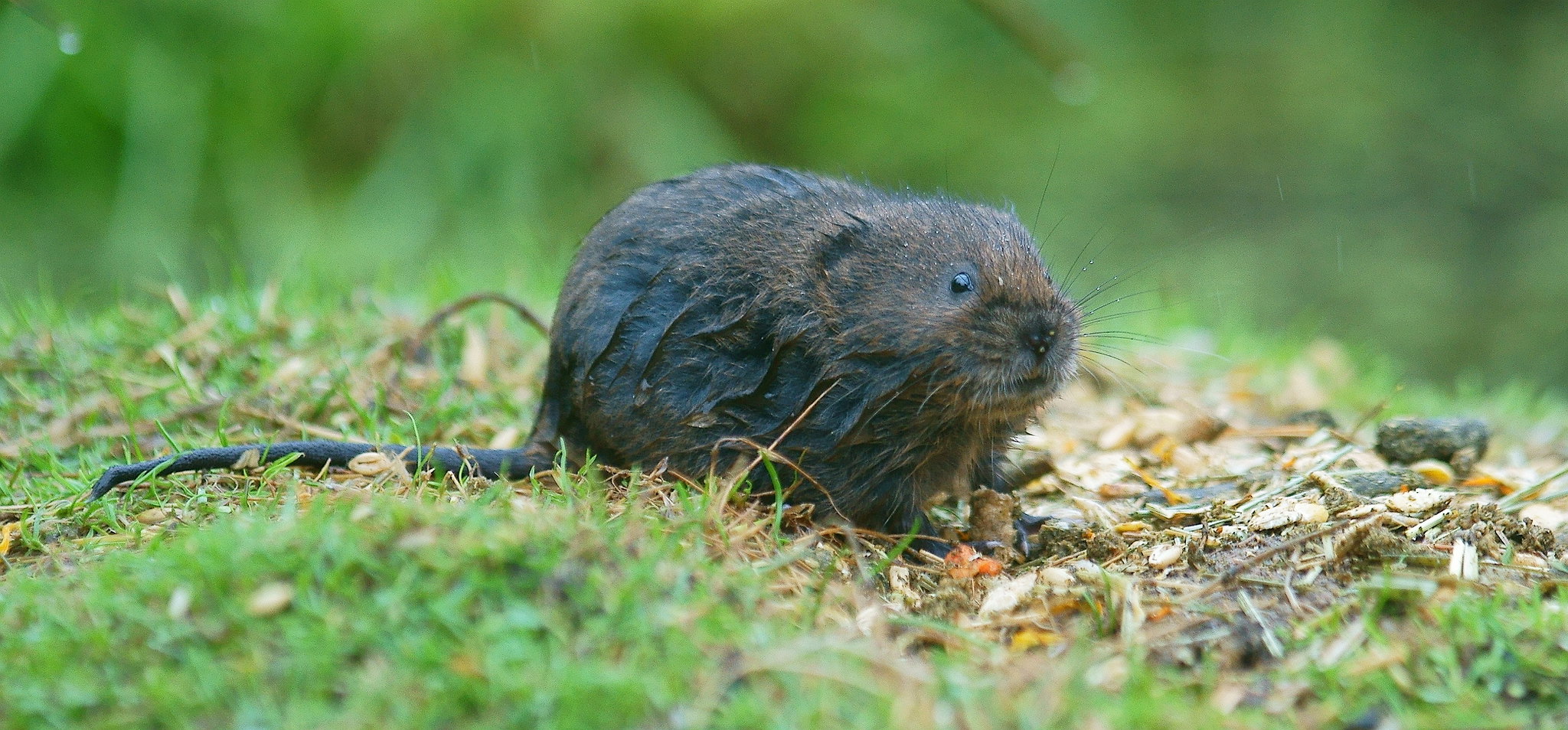
Ecosystem engineering can take years to establish but unravels far, far faster when the engineer is removed.
In the 1970s activists released thousands of farmed American mink into the wild, where they spread rapidly. Mink are carnivores and ferocious hunters and, for a while, water voles became their main prey species. In the decade between 1985 and 1995, water vole populations fell by 90%, primarily because of the introduction of this alien predator, and our stream banks lost an important contributor to their biodiversity,
Water voles, while still a rarity, are slowly reclaiming and reshaping the territory they lost to the mink. We don’t get many second chances these days, so let’s look after them this time.


 Southwick Country Park Nature Reserve
Stay alive and well, water voles!!