
At this time of year, writing about the reserve’s inhabitants, we use the words overwinter, hibernation, and diapause a lot. It’s easy to assume that they are interchangeable terms but that is not so: let’s take a closer look.
Overwinter means just that: getting through the winter. Some species migrate to warmer places, some adapt their behaviour or their physiology, some just go to sleep. We Homo sapiens do all three: some of us overwinter on the shores of the Mediterranean, some of us brave the cold, put on a woolly sweater and ask for extra pudding, and apparently we are all inclined to sleep more in winter.



True hibernation is a much more specific term. It is the reduction of metabolic activity in an animal and is always associated with low body temperature. It usually occurs in the winter and its purpose is to stretch out for as long as possible the store of energy the hibernator built up during the summer. In hibernation, for instance, a hedgehog becomes immobile, its body cools to 10°C, its heart beats only 20 times in a minute and respiration is reduced to just a single breath every few minutes. The only other British animals that truly hibernate are hazel dormice and all our bats.


Diapause is a dormant stage during which a creature’s development is suspended completely. Insects (and other invertebrates) can enter diapause at any of the four stage of their lives, not just in winter, but also when conditions such as drought or a sudden drop in temperature would make survival difficult. Most find shelter first and some will secrete a hard shell or case in which to sit out whatever is happening outside. Diapause can last for many months or even years and its end is triggered by an environmental change that indicates that it is safe to emerge.

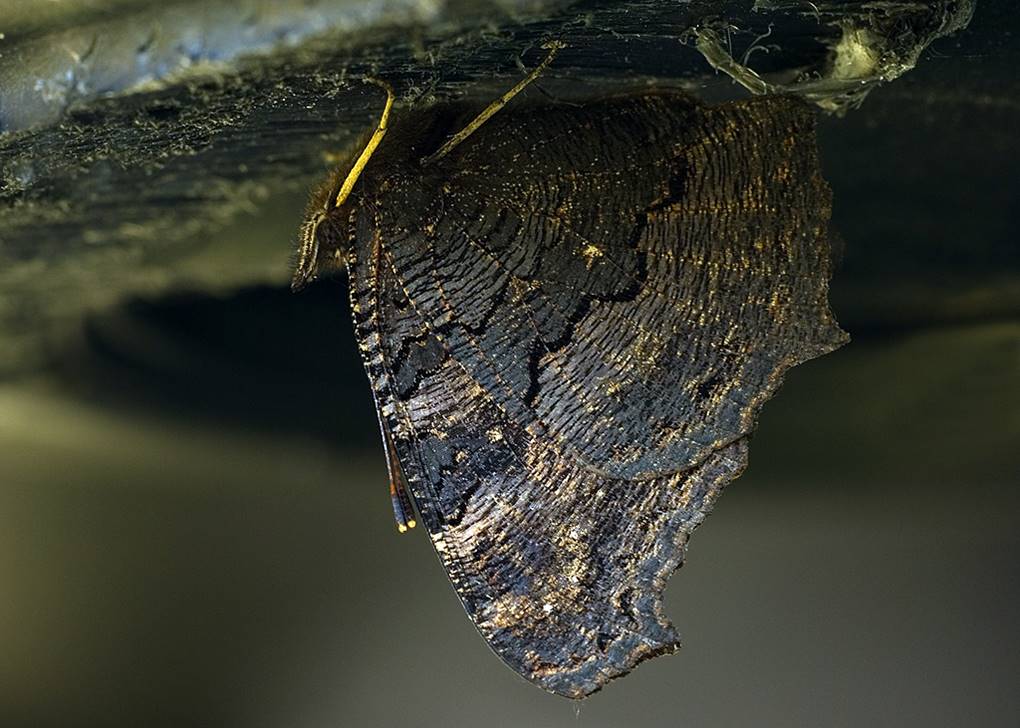
Diapause is often misnamed as hibernation. For instance, we know we have said in the past that peacock butterflies hibernate in the adult stage but, accurately speaking, the peacock adult enters diapause.
In future we are going to use these terms as correctly as we can. It is important, in these difficult times, that we are informed and that we have the right words to talk about the dangers our wildlife faces.



 Southwick Country Park Nature Reserve
Thank you for making those words so clearly understood!
Our pleasure; we can’t talk about the trouble our wildlife is in if we don’t know the words.
How true.