
Every winter we get reports of people leaving food, presumably for our wildlife, somewhere in the reserve. Please, don’t do this.
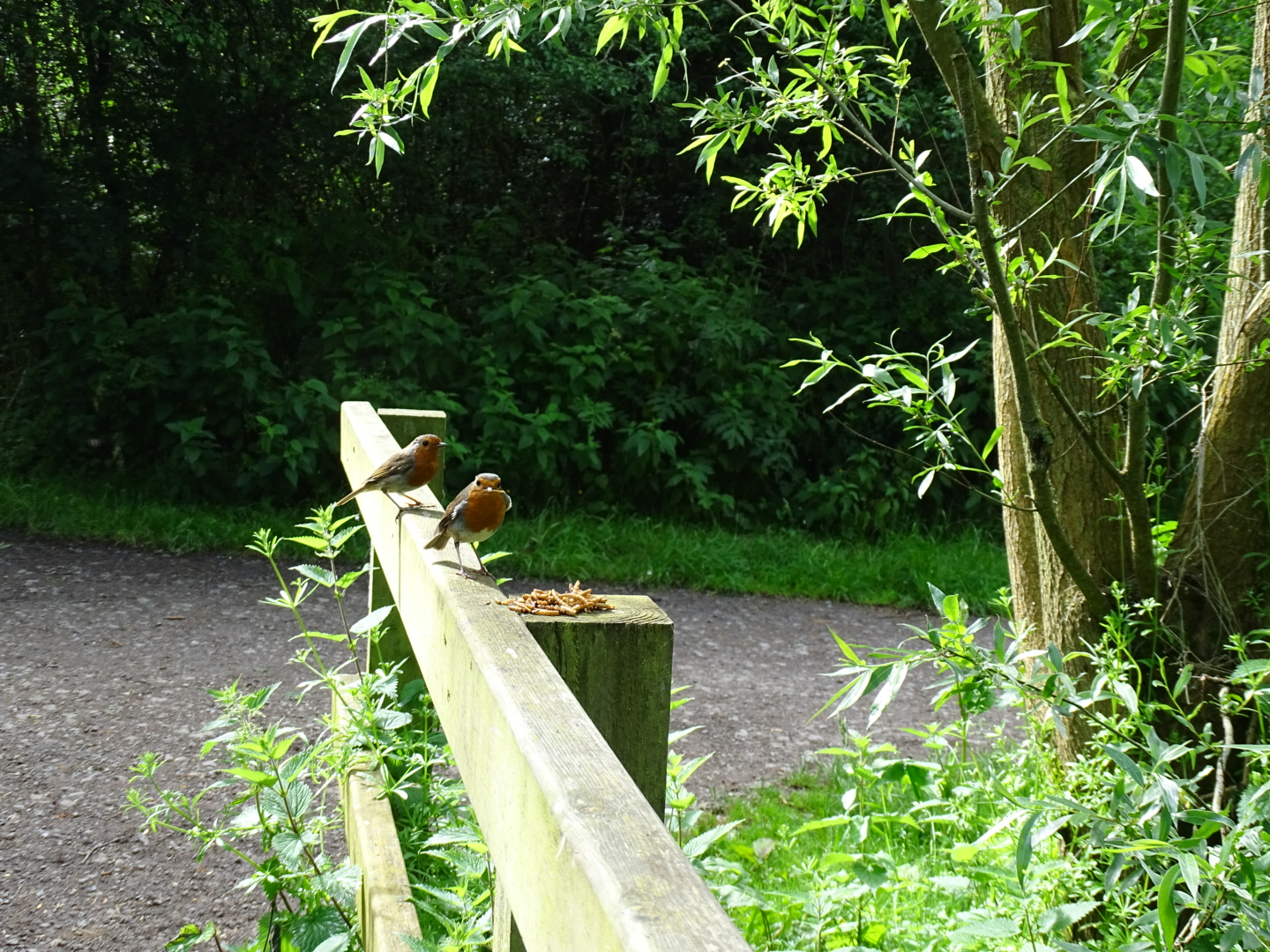
We know that some visitors bring grain to feed the birds at the picnic place. This is fine. This is an important opportunity for small children, the less mobile or the photographically inclined to get close to wildlife. We have robins that specialise in posing for portraits at the picnic place in exchange for a handful of mealworms.


We are talking about the forest of bird feeders that somebody hung in one of the copses a couple of winters ago, the masses of grain that was scattered under the trees alongside the central path last time there was snow on the ground or the trays of waste food laid out on the ground between the stream and the car park just before Christmas.
Firstly, such interventions rarely reach the wildlife they are intended for: the bird feeders in the copse fed only the grey squirrels, an introduced predatory species, that raids birds’ nests in the spring, taking and eating eggs and nestlings. We doubt that the intention of the person who put the feeders in the copse was to reduce our songbird populations.

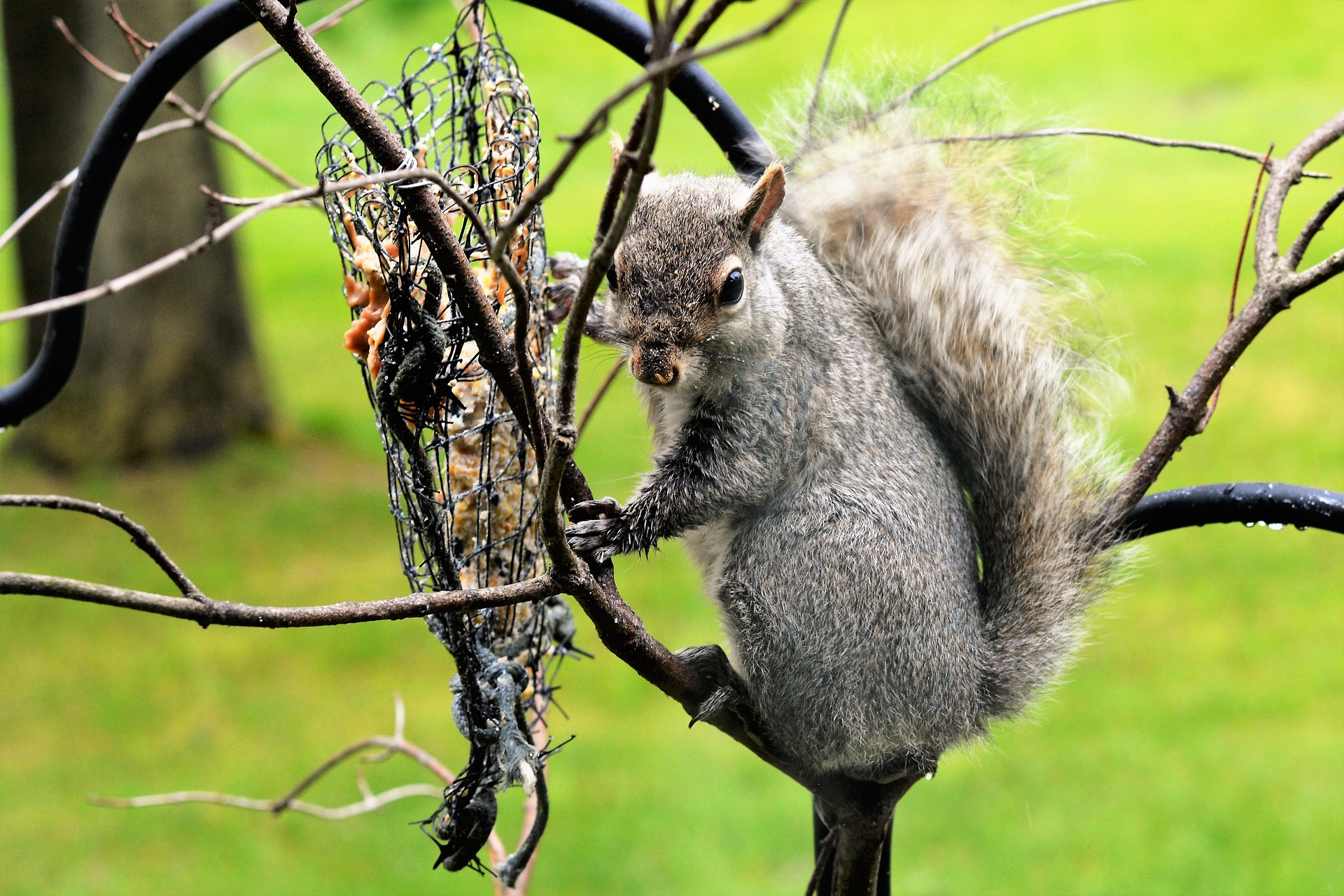
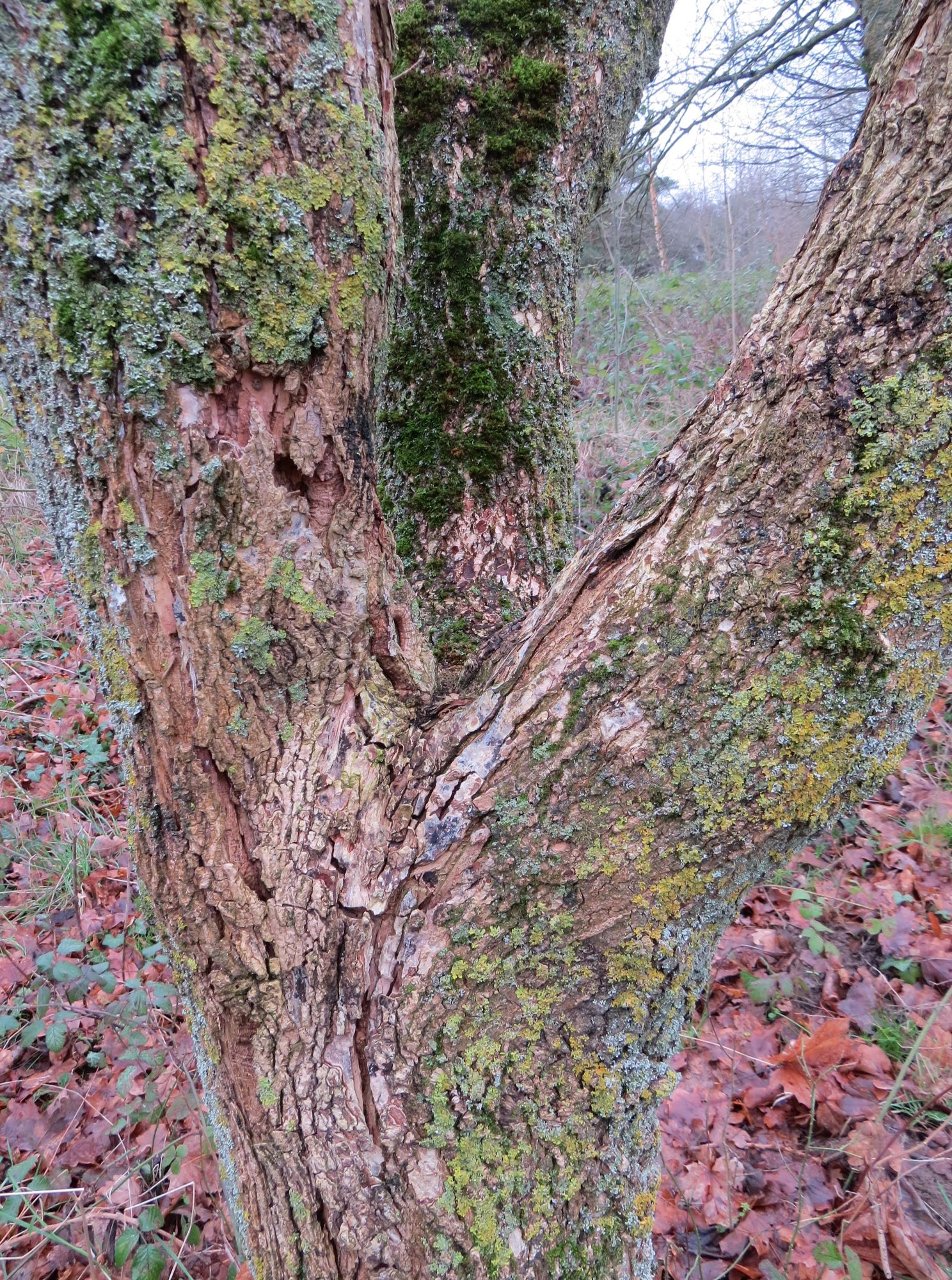
There was little evidence that any birds at all had come to the feeders, while the paths the squirrels had used through the trees to reach them were very well worn indeed. Grain scattered on the ground or food left out in trays will go to brown rats, magpies, foxes and greedy dogs.
Secondly, we have worked hard to balance the reserve’s ecosystem. We don’t want to attract more creatures of any kind than it can support: too many rats and suddenly ground nesting birds are in trouble, too many squirrels and our trees suffer long term damage, too many magpies and our songbirds’ nests are under attack. If we look after the whole system, its constituent parts will find their own balance.


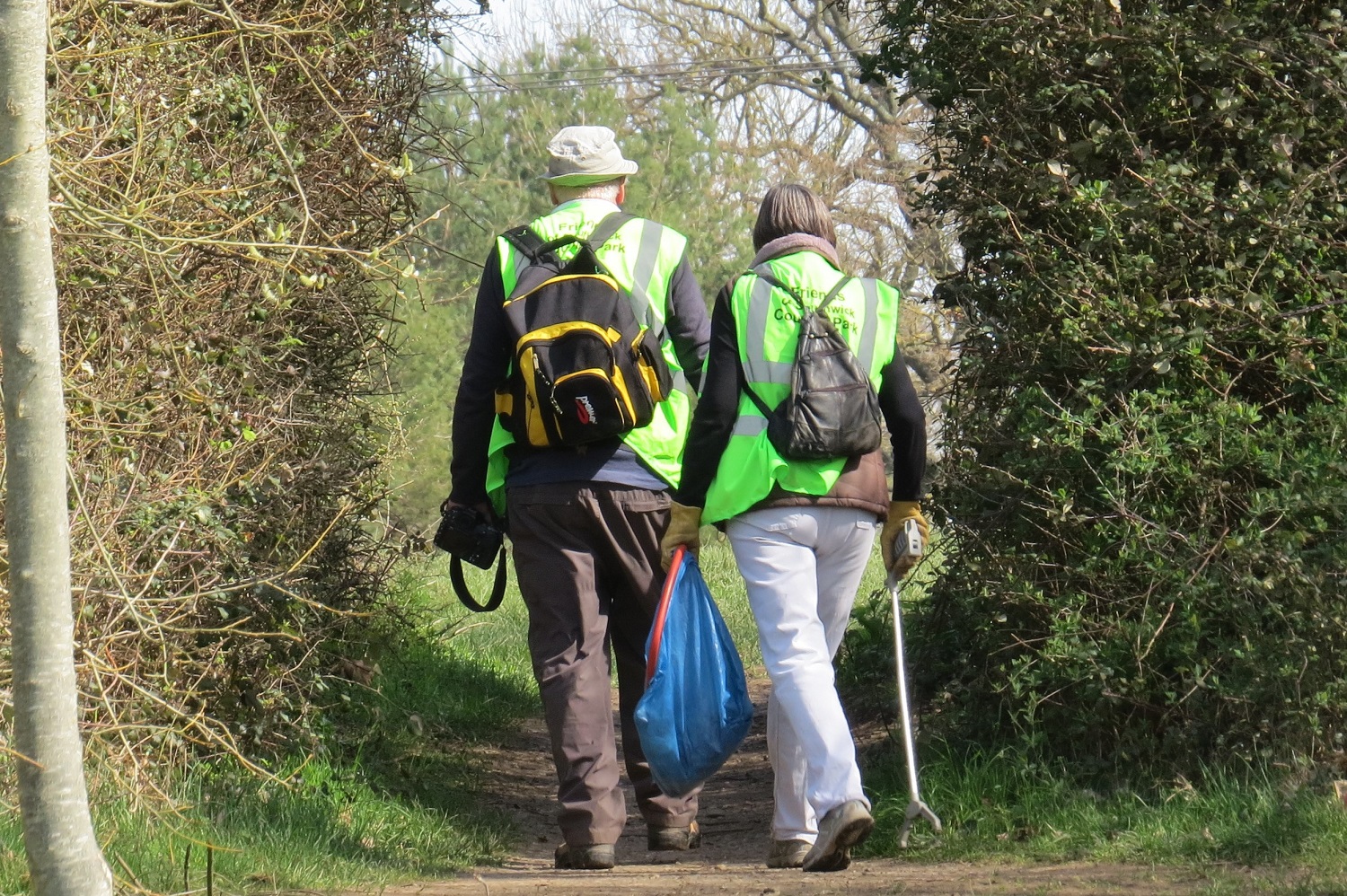
We understand the impulse to help, especially at a time when so much of our wildlife is under threat, but the indiscriminate scattering of food in a nature reserve is not the right way to go about it. Instead, consider volunteering: come and join us on any Wednesday morning at half past nine, in the main car park, and help us to manage the reserve’s whole ecosystem. We are the ones wearing hi-viz vests with Friends of Southwick Country Park written on the back. You will be welcomed.



 Southwick Country Park Nature Reserve
Yes feeding wildlife is a fine babance. We put out food at dusk for hedgehogs, bur it encouraged rats that are now difficult to deter. They climb trees to reach bird feeders and can jump from above to get food from the bird table. I’ve even seen them chasing blackbirds on the ground. We don’t want to poison them as they may be eaten by owls and birds of prey and they are too clever to enter a humain trap. We just try to manage them as best we can! – Barbara Johnson
We need to be aware that we may not be feeding the species that we think we are feeding, that in fact we may be feeding a species that does not need our help and that may well be a danger to the species that do need help.
Another point to remember is the plastic trays left behind end up in the stream and float further along the water course and potentially out to sea!
Yes. The whole enterprise is doomed: overfed rats, litter and plastic pollution.