
Did you know that some robins migrate?
No, neither did we. Apparently some 5% of UK robins migrate south in the winter to southern Europe, a few as far as Spain. More females migrate than males because, it is believed, a male robin’s fierce year-round instinct to defend its territory keeps it at home. Migratory robins leave in the autumn and return early in the spring, sometimes as early as January, to reclaim breeding territories and nesting sites.
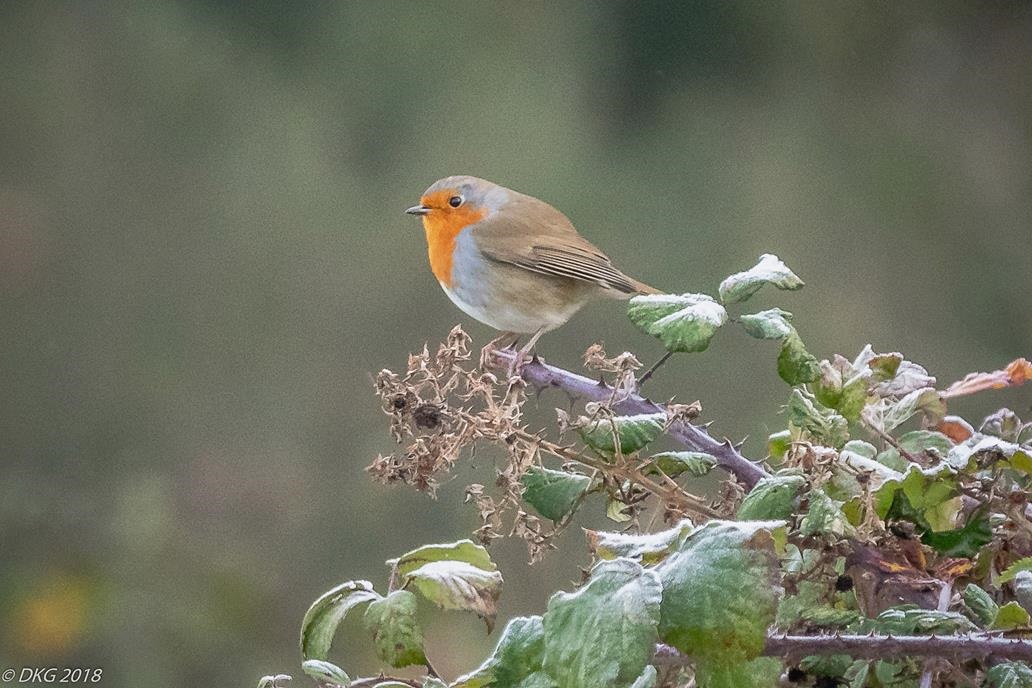

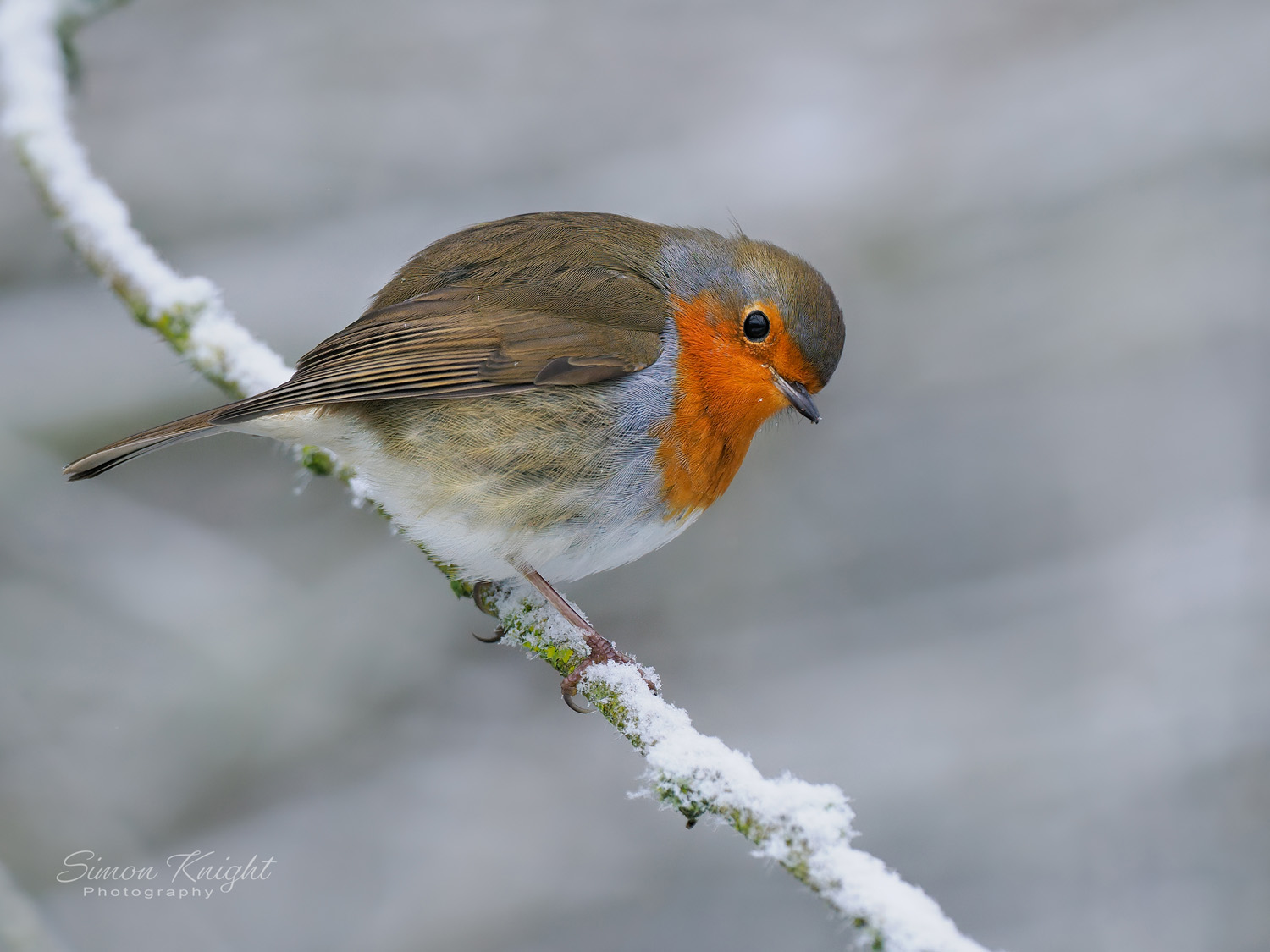
But Britain is the winter destination for robins migrating from northern Europe, particularly Russia and the Scandinavian countries. The BTO’s (British Trust for Ornithology’s) records show that these winter visitors increase our robin population overall by 4.7%. Some very rough maths (our excuse is that bird populations are notoriously difficult to estimate) brings us to the conclusion that very nearly twice as many robins come here in the winter as leave and go elsewhere.
The average, home-bred, UK robin rarely travels more than five kilometres from the area where it was hatched and raised and those that do migrate, don’t go far, either. These are not epic journeys half way round the planet; robins aren’t built for long-distance flying. Just a little more than a couple of hundred kilometres south along the mild Atlantic coast of Europe will be enough to find frost-free ground to forage in. And when they come home, they come straight back to their old territory.


These are cold-hardy little birds that aren’t all that bothered by falling temperatures so nobody seem to be sure why this small percentage of British robins, largely female, undertakes the dangers of migration.
The migration of robins from northern Europe to Britain seems to be driven by food availability: invertebrates, their primary source of food, are much harder to find when the ground freezes or is covered with snow, as it is for so much of the mainland European winter. We know that the very British hobby of bird-feeding has already become a significant factor in the evolution of the migration patterns of some species of birds, so we must also consider the possibility that some of our visiting winter robins are here because we provide extra food.
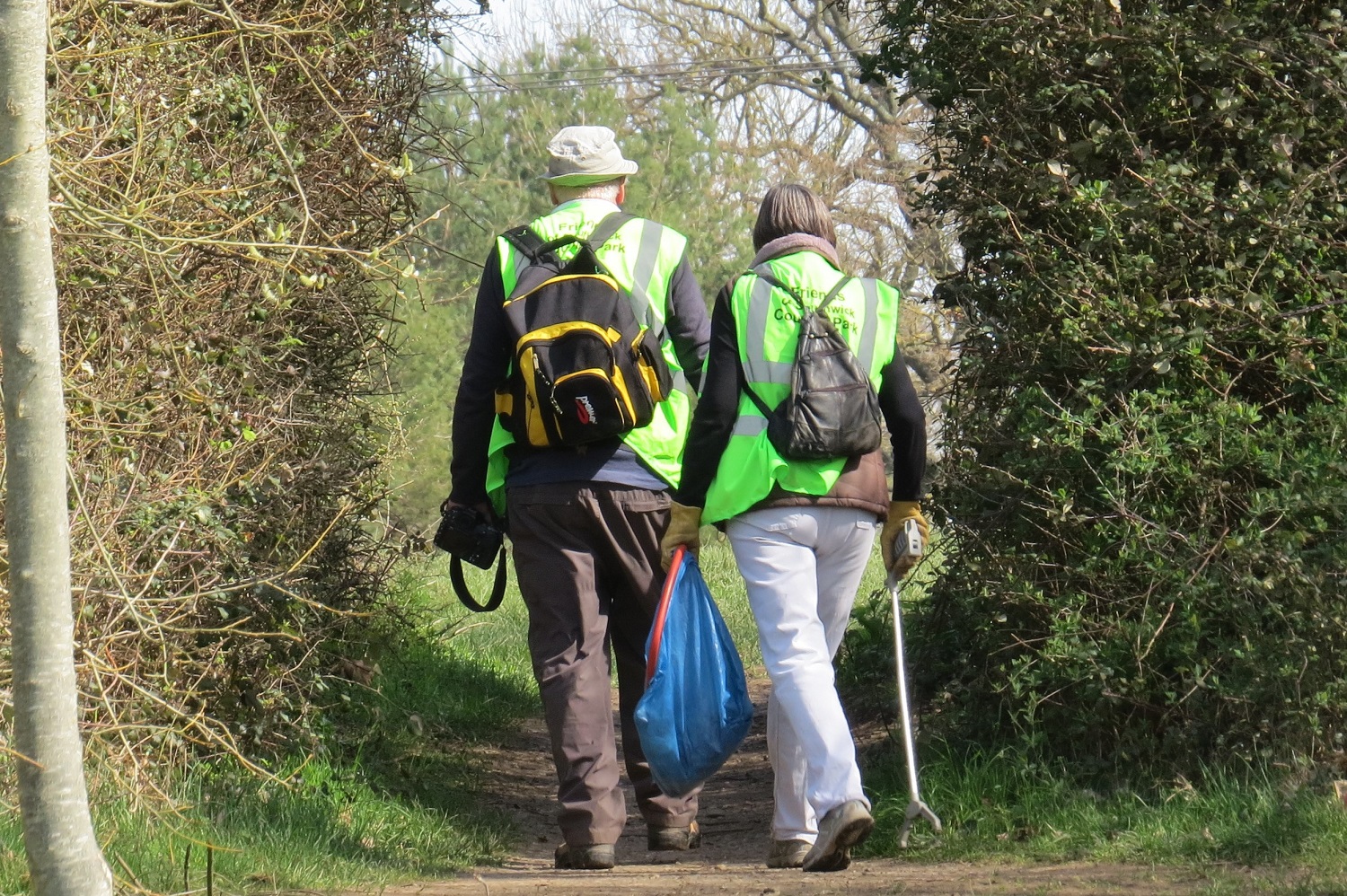


 Southwick Country Park Nature Reserve