Fatal attraction?
Researchers from London’s Imperial College believe they have discovered why moths and other flying insects seem to be so fatally attracted to light.
In the past it has been suggested that moths use the moon to navigate and mistake artificial lights for moonlight, but this latest theory holds that moths actually turn away from the light. Apparently, night flying insects have evolved to tilt their backs towards the brightest part of the night, which for millions of years has always been the sky. It’s how they distinguish between up and down in the dark and keep their flight paths level.


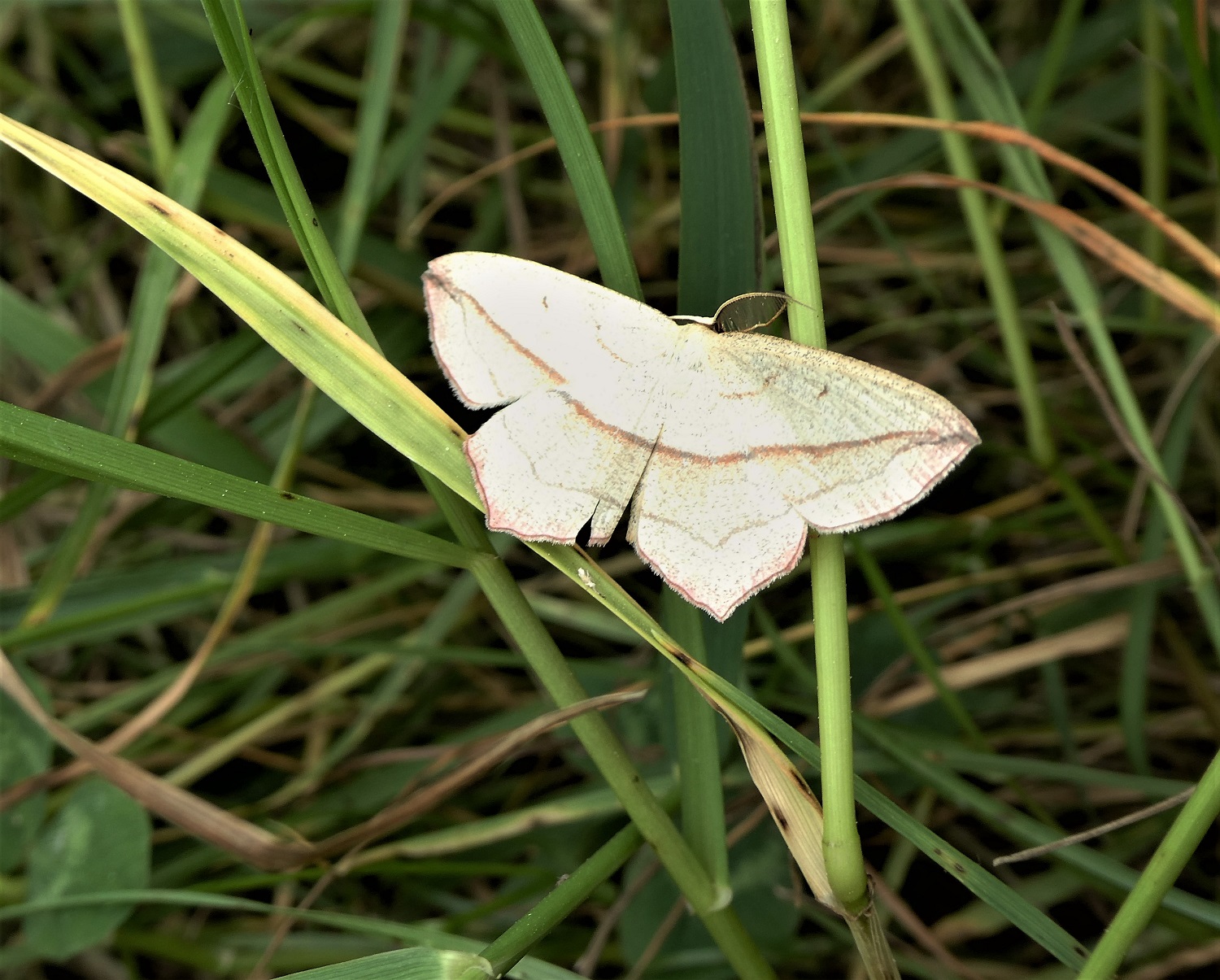
A moth turning its back to a street lamp, though, will fly in endless chaotic circles around the light source until either the lamp is turned off or the moth falls prey to a hunting bat or crash lands. So it appears that moths are not so much attracted to a light as they are trapped by it as they fly past, going about their nightly business.
We know that urban lighting is a contributing factor in the decline of our flying invertebrate populations but, bar turning off the lights, we haven’t known what to do about it. This research suggests that we might be able to design street lighting that doesn’t act like a moth trap. Are there wavelengths that will light our own way around our urban landscapes but that the moths will be able to ignore? Will a less directional, more diffused light trap fewer flying insects?
Over hundreds millions of years, flying insects have evolved behaviours that have enabled them to survive in almost every environment on the planet. We, Homo sapiens, monkey newcomers not even half a million years old, are now changing those environments so rapidly that evolution can’t keep up. Let’s turn our ingenuity to undoing some of the damage we have done.
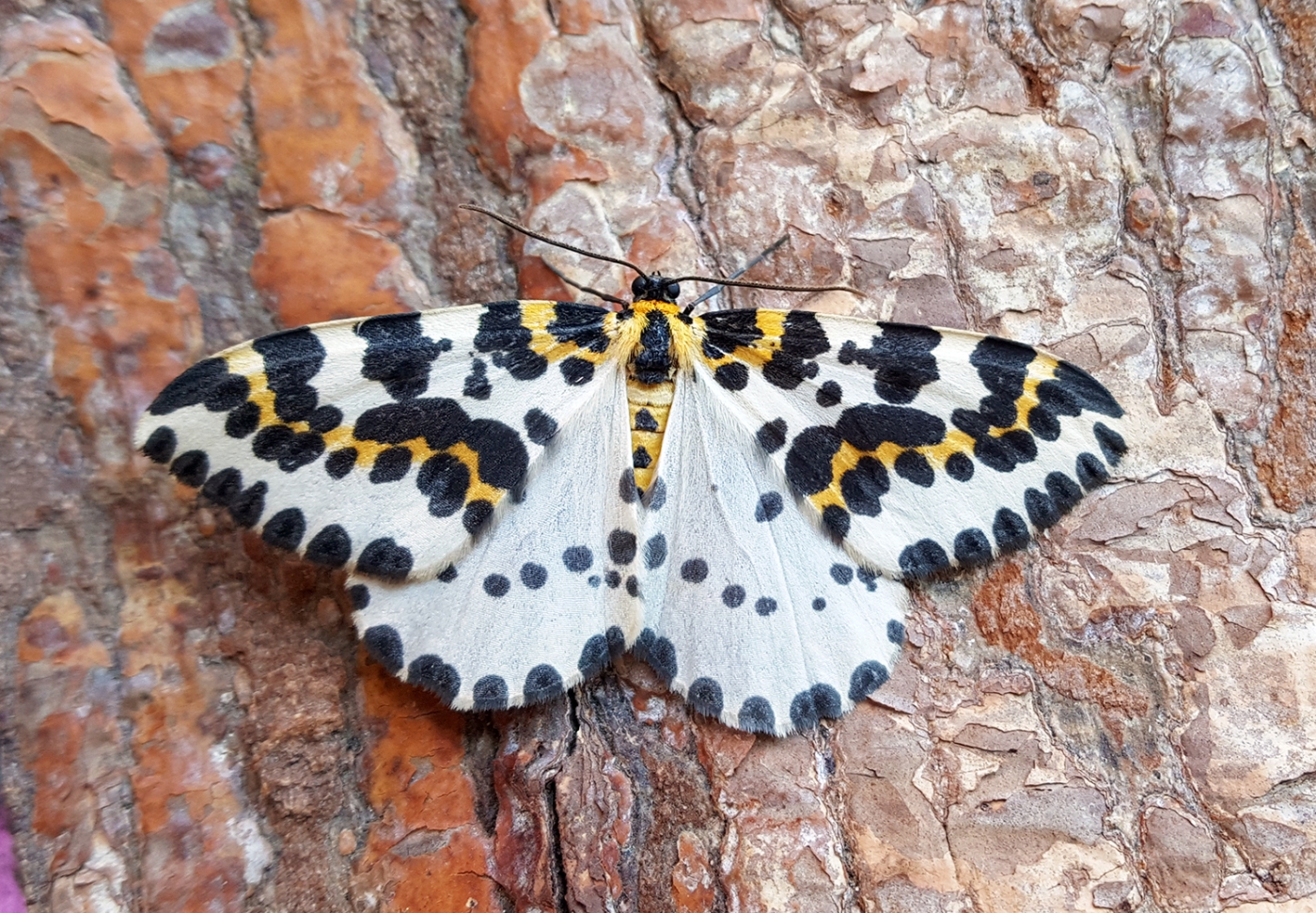
Header image: Magpie moth by Ben Sale (CC BY 2.0) via Wikimedia Commons





 Southwick Country Park Nature Reserve