Sensory pollution
We already know how damaging light pollution can be and we know that noise pollution impacts birdsong and is linked to whale strandings – but what about other sensory pollutants? A study conducted at the University of Washington in Seattle has concluded that air pollution is making it more difficult for some insects to detect the fragrances of flowers, important mediators in the relationship between plants and pollinators, insects and food sources.
When vehicle emissions react with the atmosphere, ozone and nitrate radicals are created; these are chemicals that react with, and degrade, the compounds responsible for a flower’s fragrance, and alter the way it smells. Working specifically with evening primroses and hawkmoth species, the researchers found that the moths visited flowers with perfume altered by pollutants 70% less frequently than they visited the flowers that released their natural, unaltered scent.


As a result, the moths are less likely to find appropriate food sources in a healthy environment and the flowers are less likely to be pollinated. While is difficult to quantify the possible effects upon hawkmoth populations, the researchers, using mathematical models, have calculated a 28% reduction in seed production by the evening primroses in the polluted atmosphere.
Yet another reason to reduce the use of carbon based fuels.
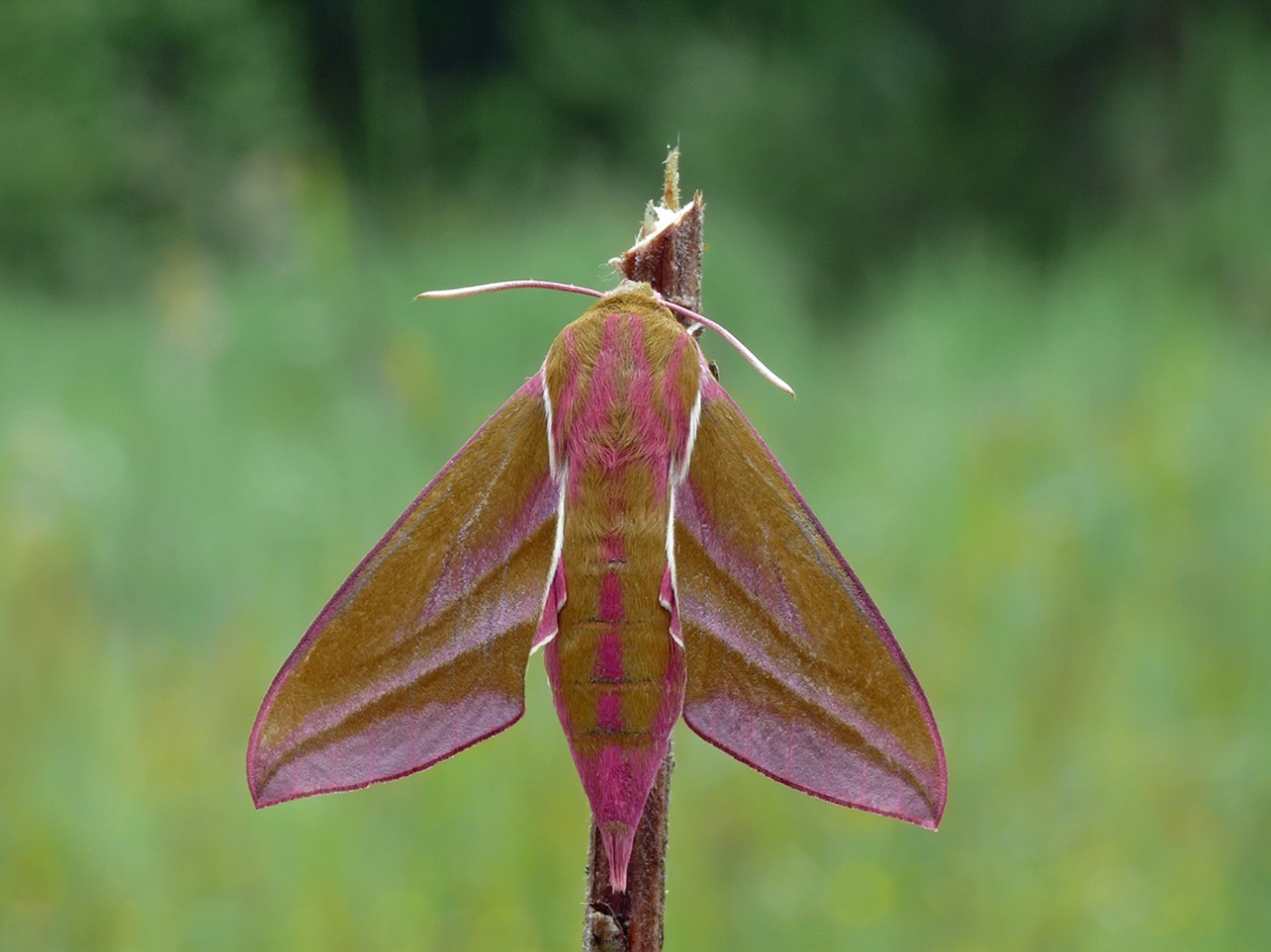
Header image: elephant hawk moth © Darius Baužys (CC BY-SA 2.0 DEED) flickr.com




 Southwick Country Park Nature Reserve
Wonderful post 🌹
👌👌👌
Does this apply to day flying moths? Is it only night flyers that are attracted to a flower’s scent?
Google suggests that day flying moths are attracted to visual stimuli as well as to olfactory ones. But plants and their pollinators have evolved complex interrelationships over millions of years – it’s difficult to even ask the right questions, never mind find the right answers.