
Common pipistrelle
Our common pipistrelles (Pipistrellus pipistrellus) are out of hibernation
The best time to see them is about 20 minutes after sunset, while there is still some daylight. They hunt flying insects along the edges of our woodland, over the ponds and along the course of Lambrok Stream, its newly established backwaters, and its tributary.
Common pipistrelles are tiny, weighing around 5gm (about a quarter of the weight of an average house mouse) with a wingspan somewhere between 20cm and 23cm. Their flight is very fast and seemingly erratic, often quite low to the ground and rarely higher than 10m above it. We are much more used to the flight of birds, and the dodge-ball, aerial acrobatics of bats in the half light can be difficult to follow.
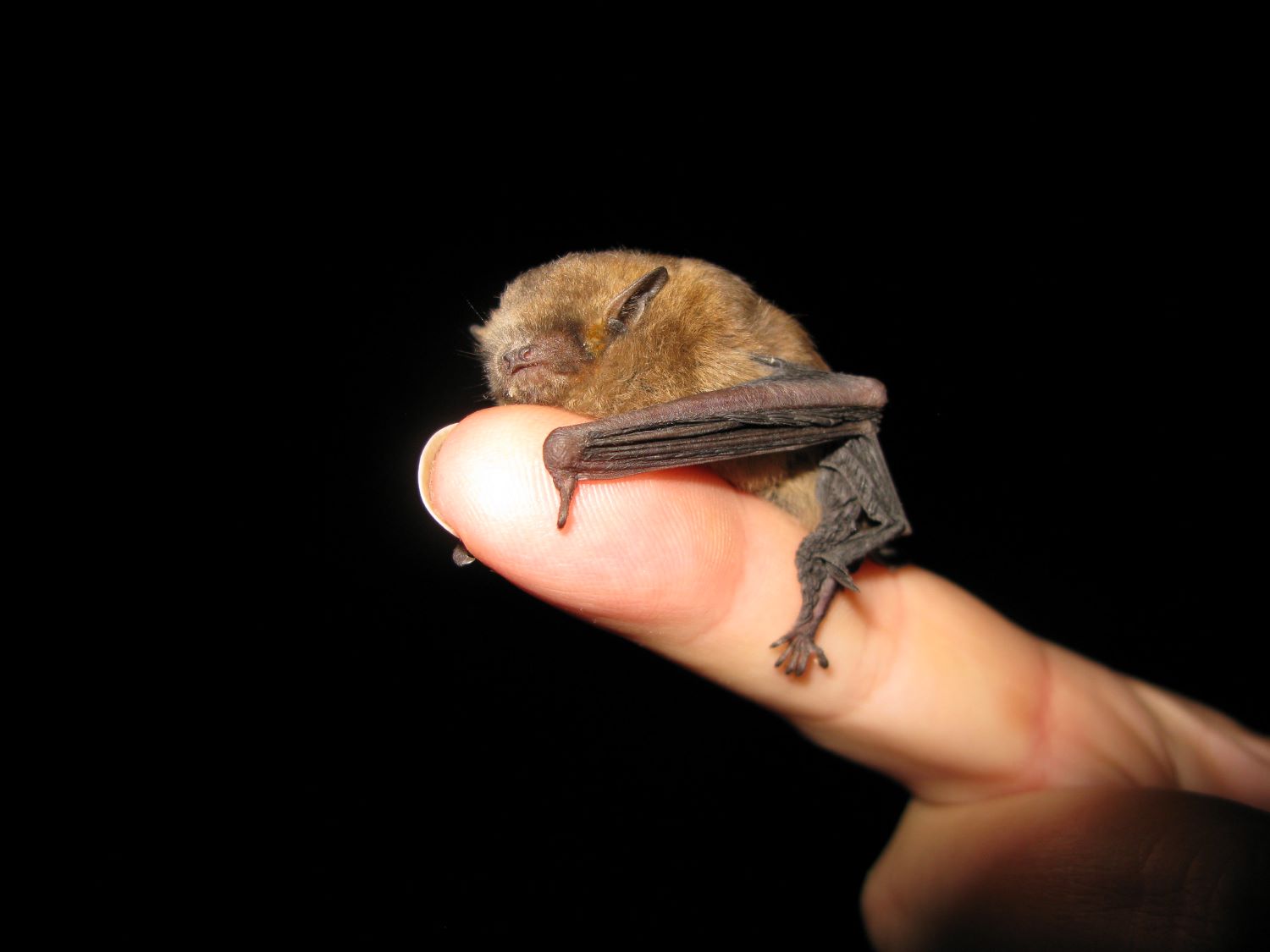

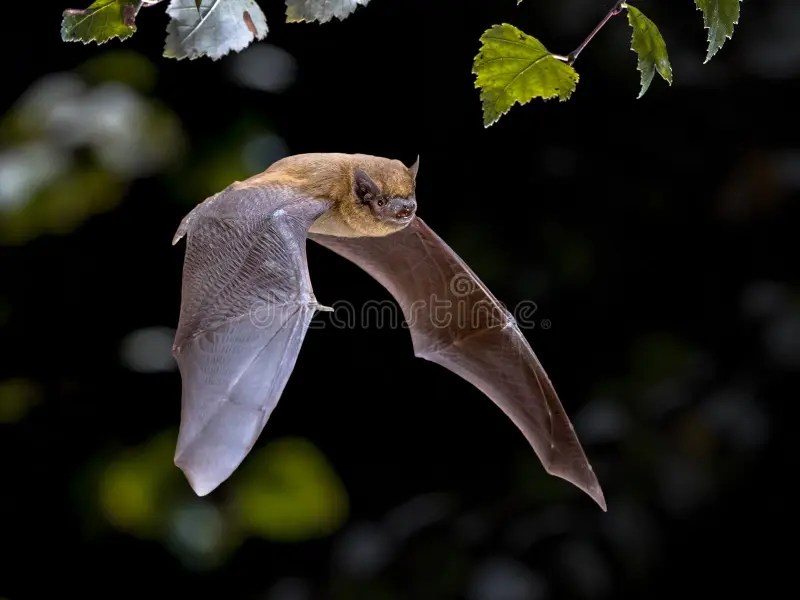
Common pipistrelle populations have more than halved since 1970, largely due to human activity. We have sealed our buildings against the elements, thereby blocking the cracks and cervices that pipistrelles use to enter hibernation roosts in our roofs, and we have cut down woodland where they make summer roosts.
We have drained wetland, reducing their foraging habitat, our ongoing and persistent use of insecticides has reduced their food supply by more than 60%, and light pollution disrupts their ancestral flight patterns and affects the behaviour of their prey. And on top of all that, we insist that our cats do no ecological harm while the bat experts tell us that cat attacks are are one of the most common causes of bat casualties

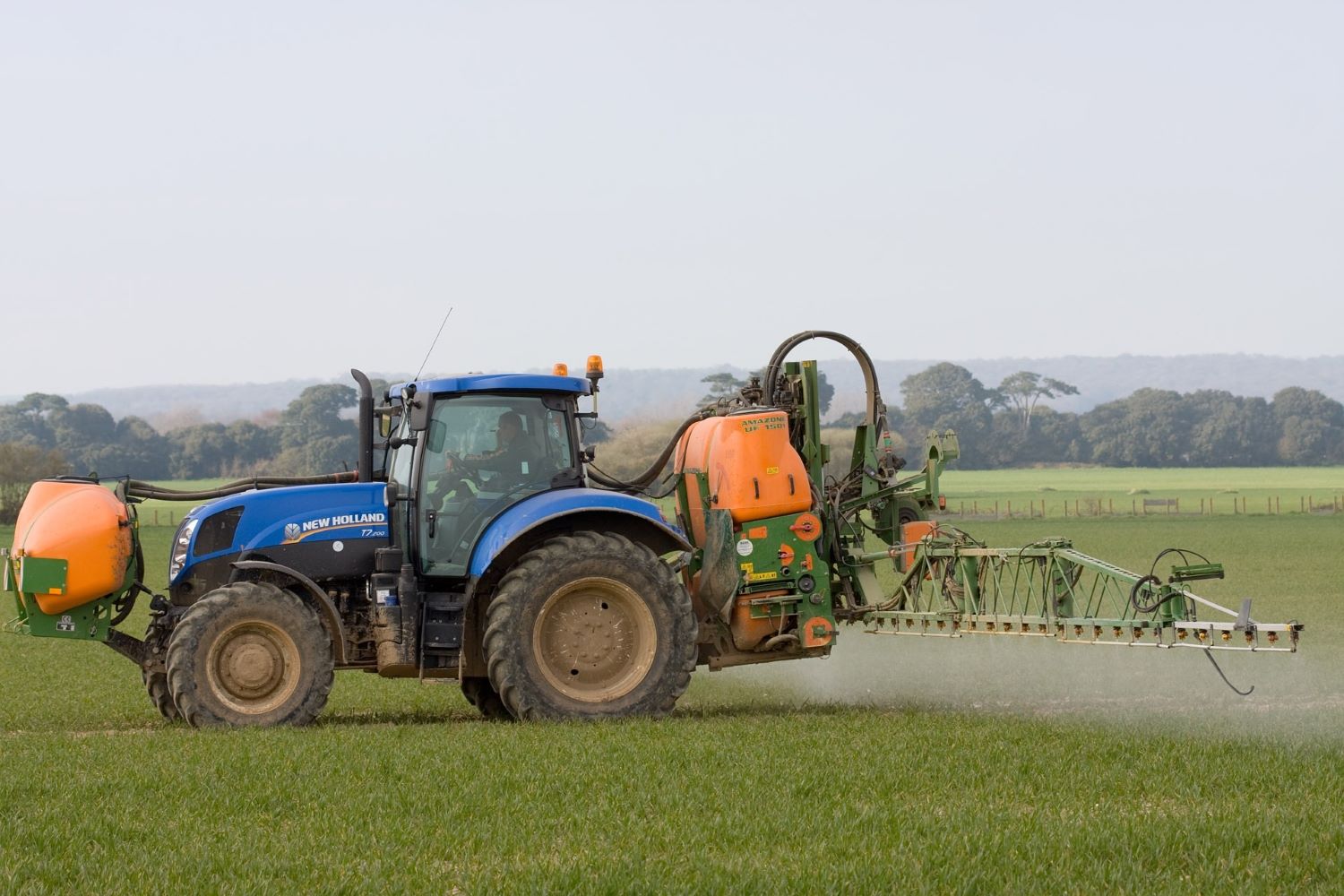

What can we do? We can put up bat boxes under the eaves of our houses and we can resist the urge to seal up our homes against all wildlife. We can put in a garden pond to attract flying insects, turn off our outside lights, close our curtains at night, and complain to the council about the expensive ubiquity of street lighting. We can defend mature trees and wetland from developers, complain over and over to everybody about the excessive use of insecticides, and keep our cats indoors after nightfall.
For the sake of these tiny bats, newly emerged from hibernation and scouring our reserve for a good meal, let’s turn up the activism.
Conservation status: IUCN classification – GB: Least concern.

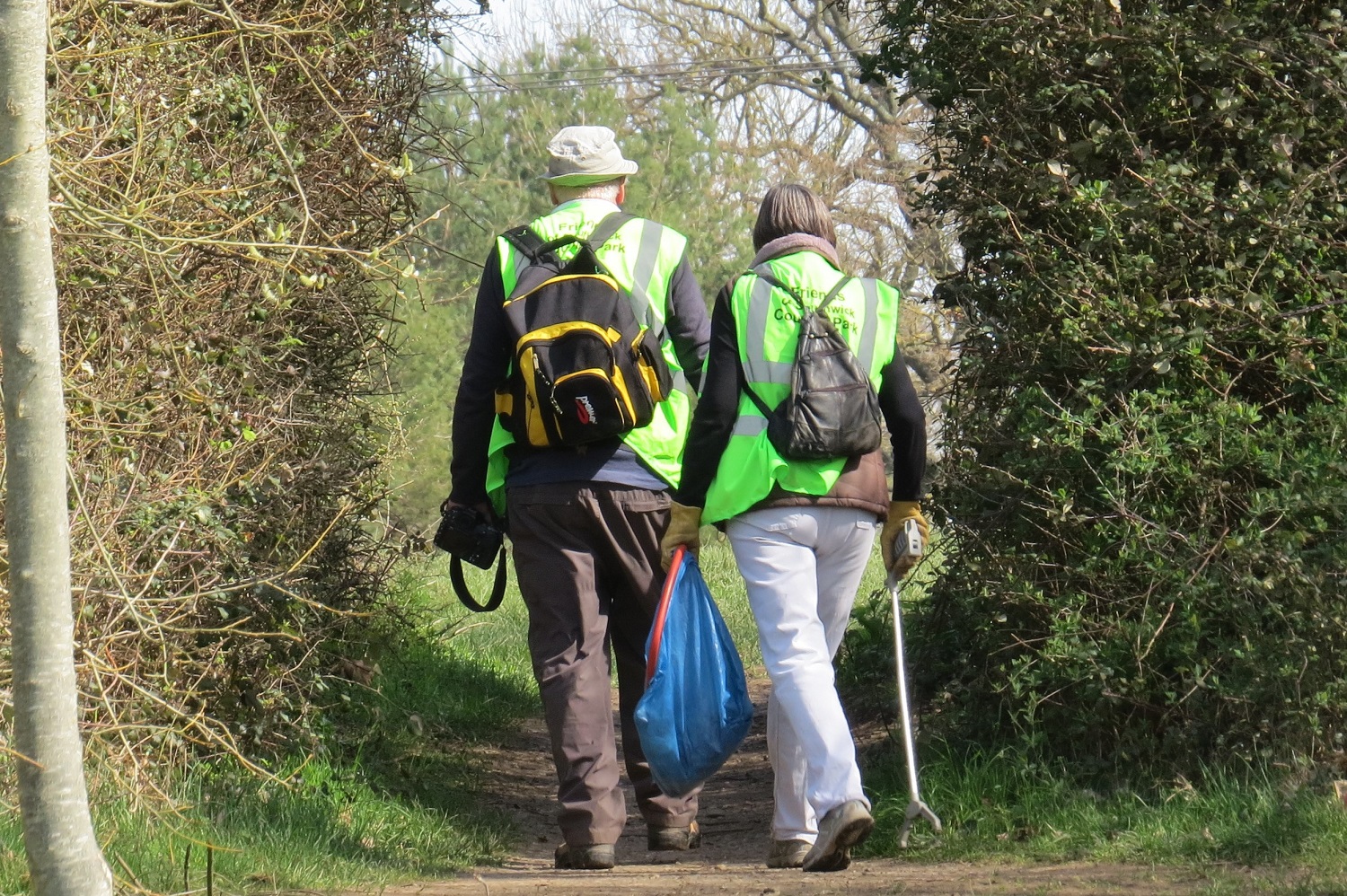


 Southwick Country Park Nature Reserve