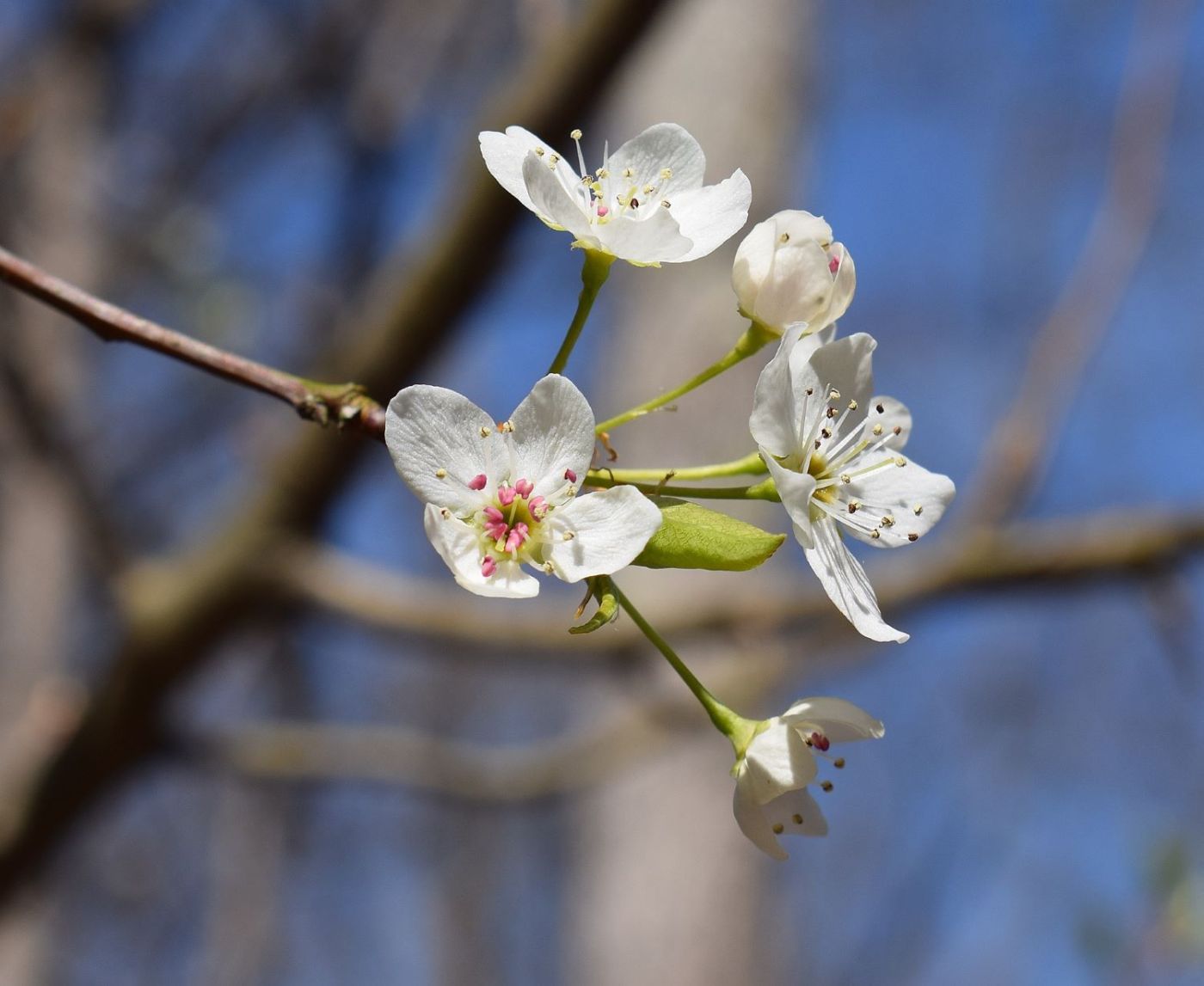
by Ian Bushell
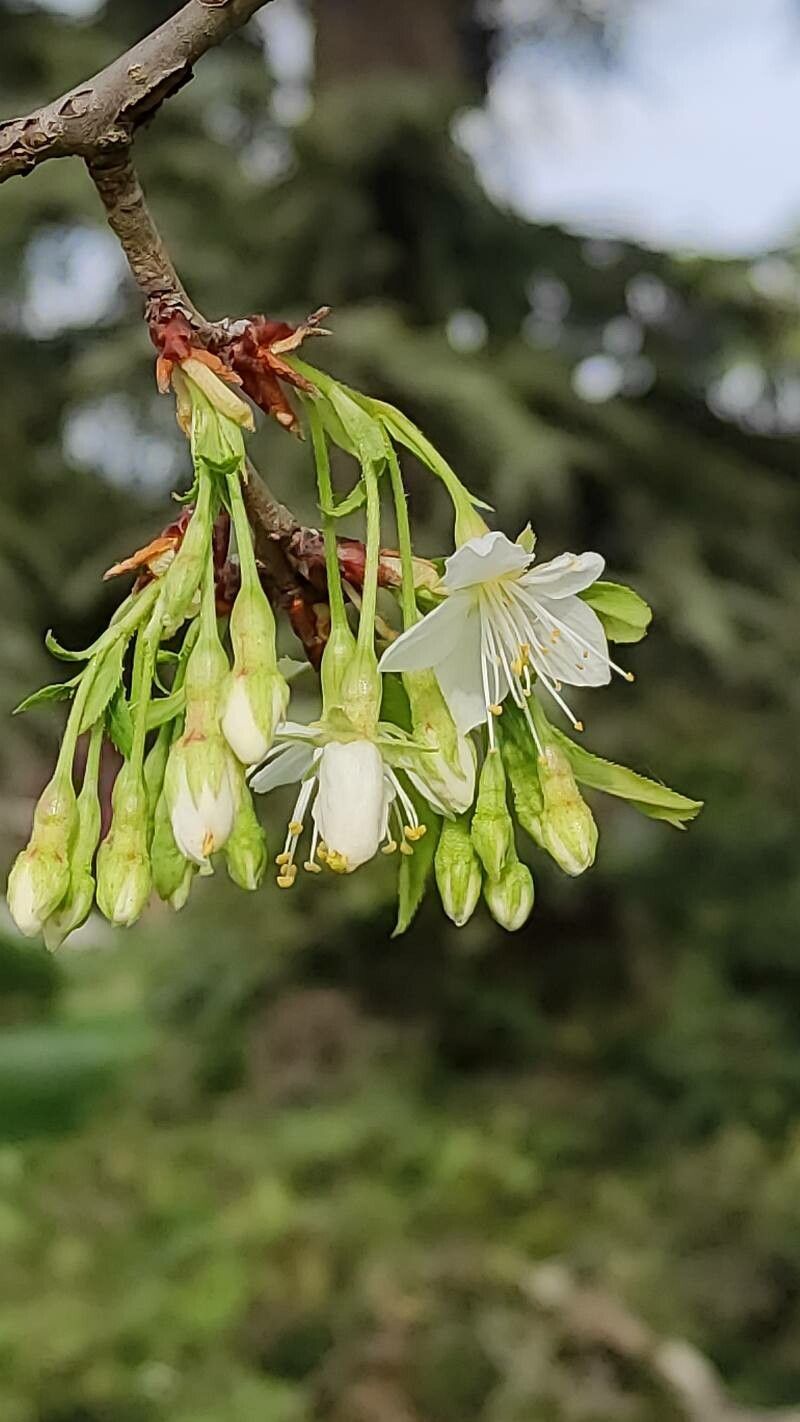
We think we have identified THREE species of cherry trees in the reserve.
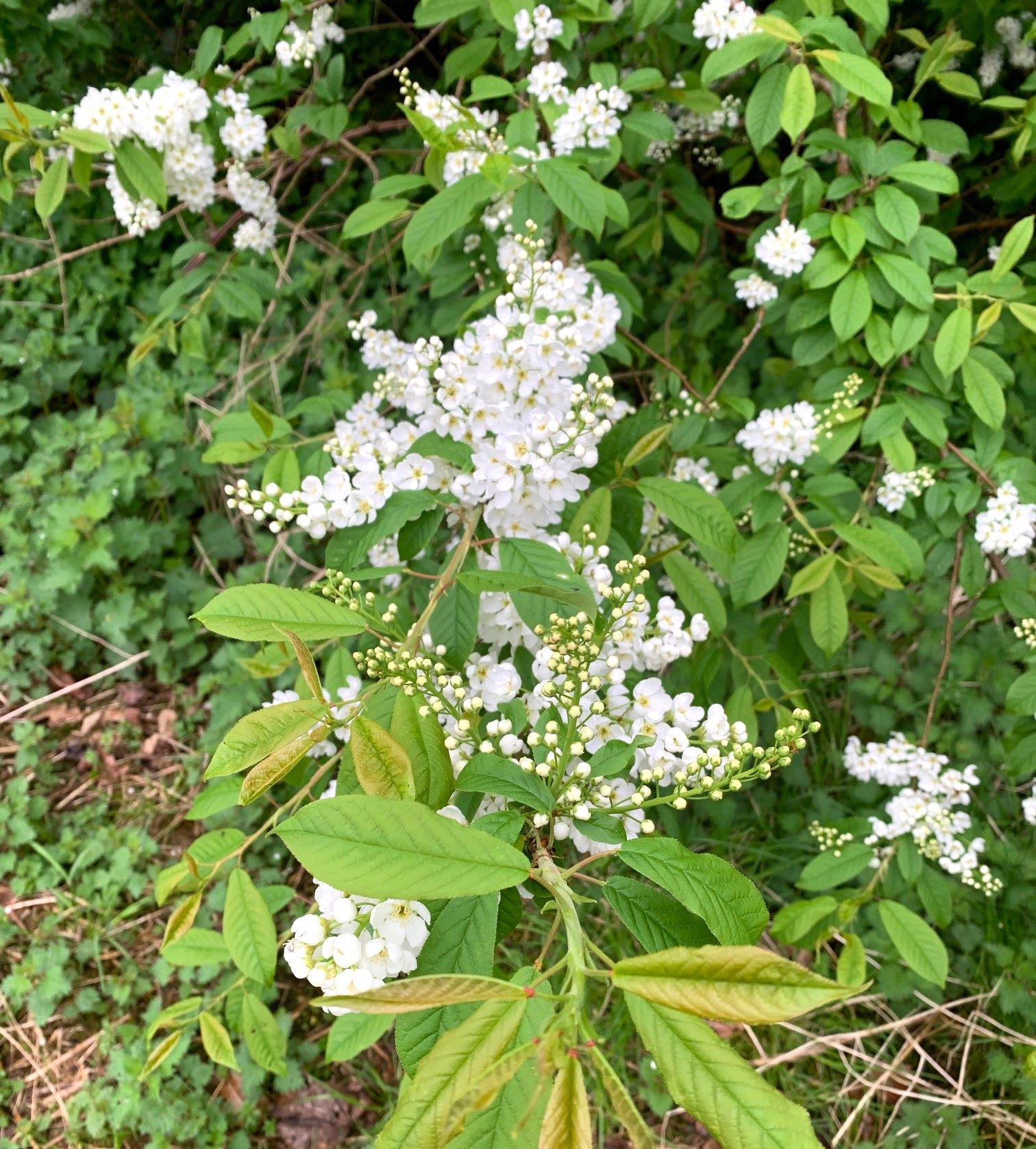
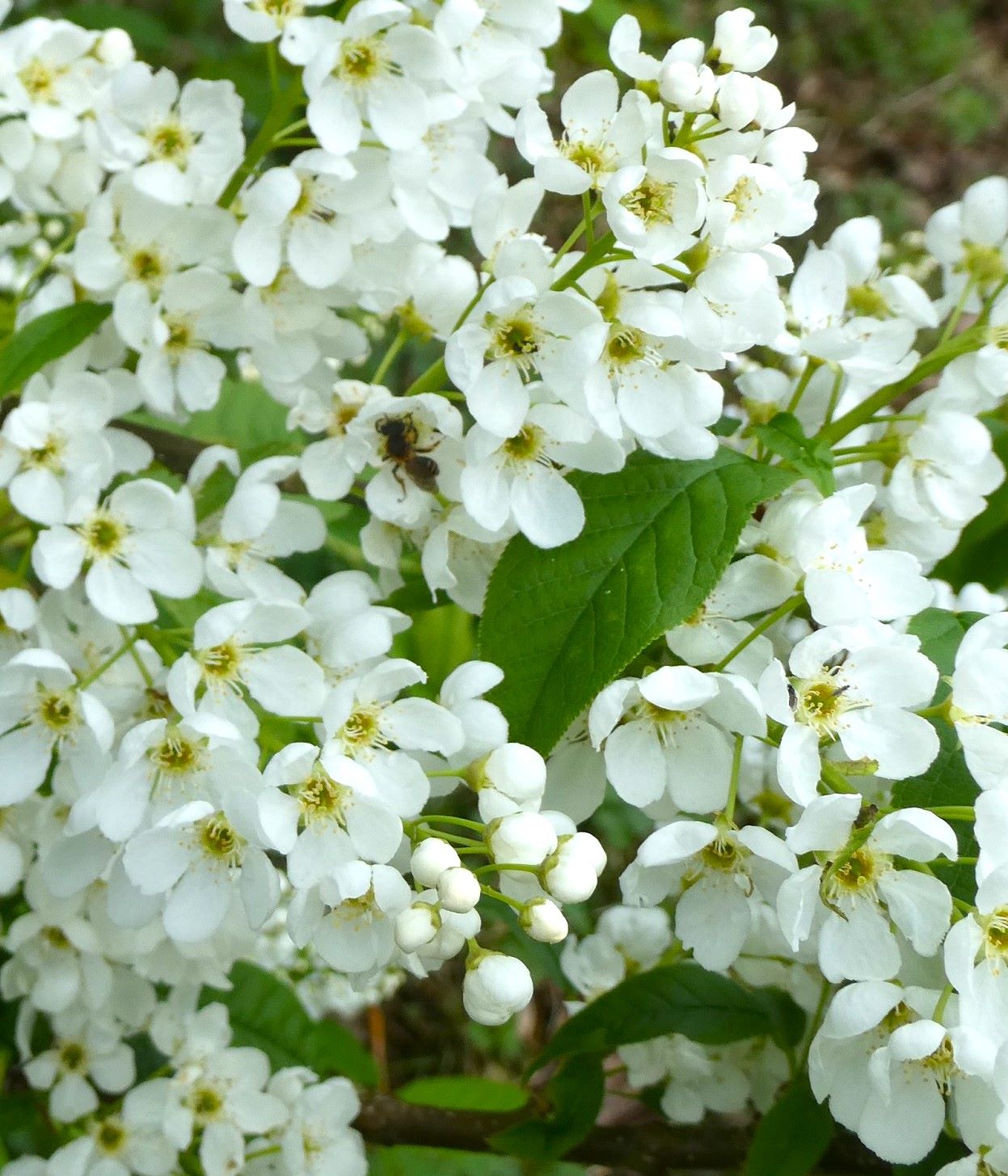
ONE: a bird cherry (Prunus padus) at the bottom of the Arboretum, on the other side of the service road. It’s looking very good at the moment, lots of new growth and a mass of flowers. I expect, if we look carefully, we would find another one somewhere in the reserve. Bird cherry is a native, common in northern and Eastern England, and Wales but much rarer here in the the southwest. It likes wet woodland which make is ideal for the reserve
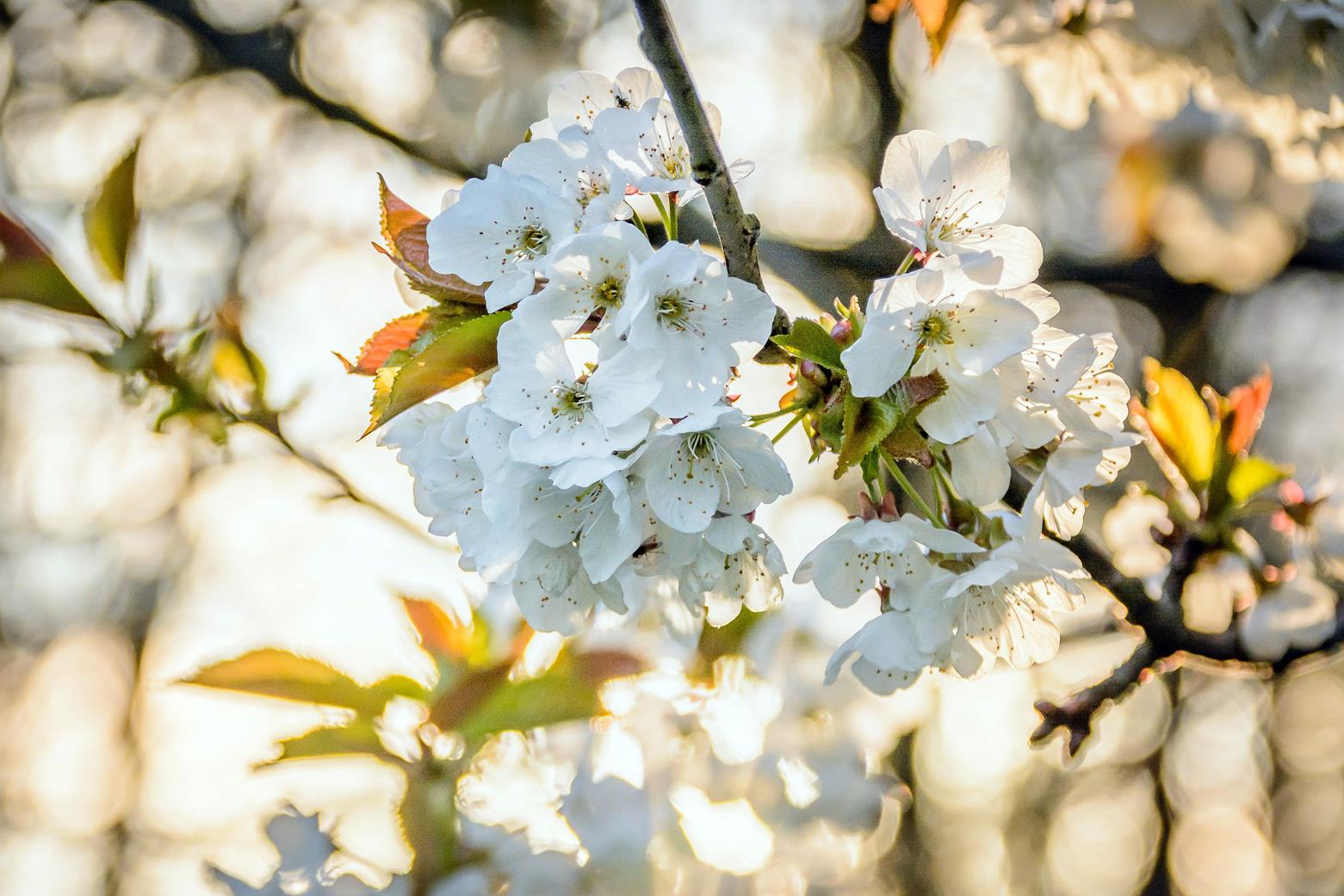
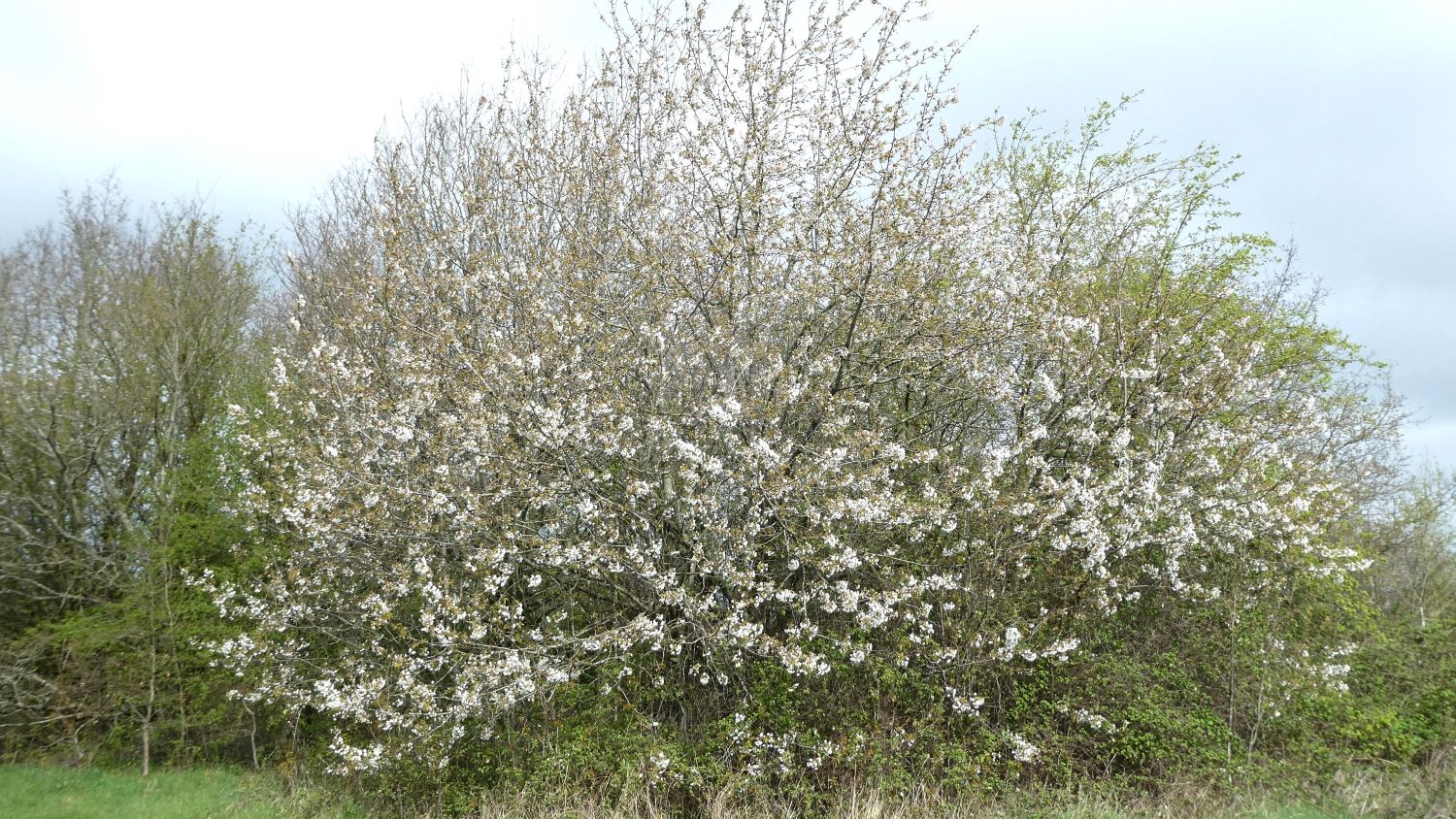
TWO: lots of wild Cherry (Prunus avium), another native, growing all over the reserve. There is usually at least one in most of our copses. Wild cherry is an important food plant for our wildlife: the blossoms are early food sources for invertebrates while all kinds of birds, mice, our badgers and foxes will the come for the fruit.
This magnificent tree below is in the field next to the allotments.
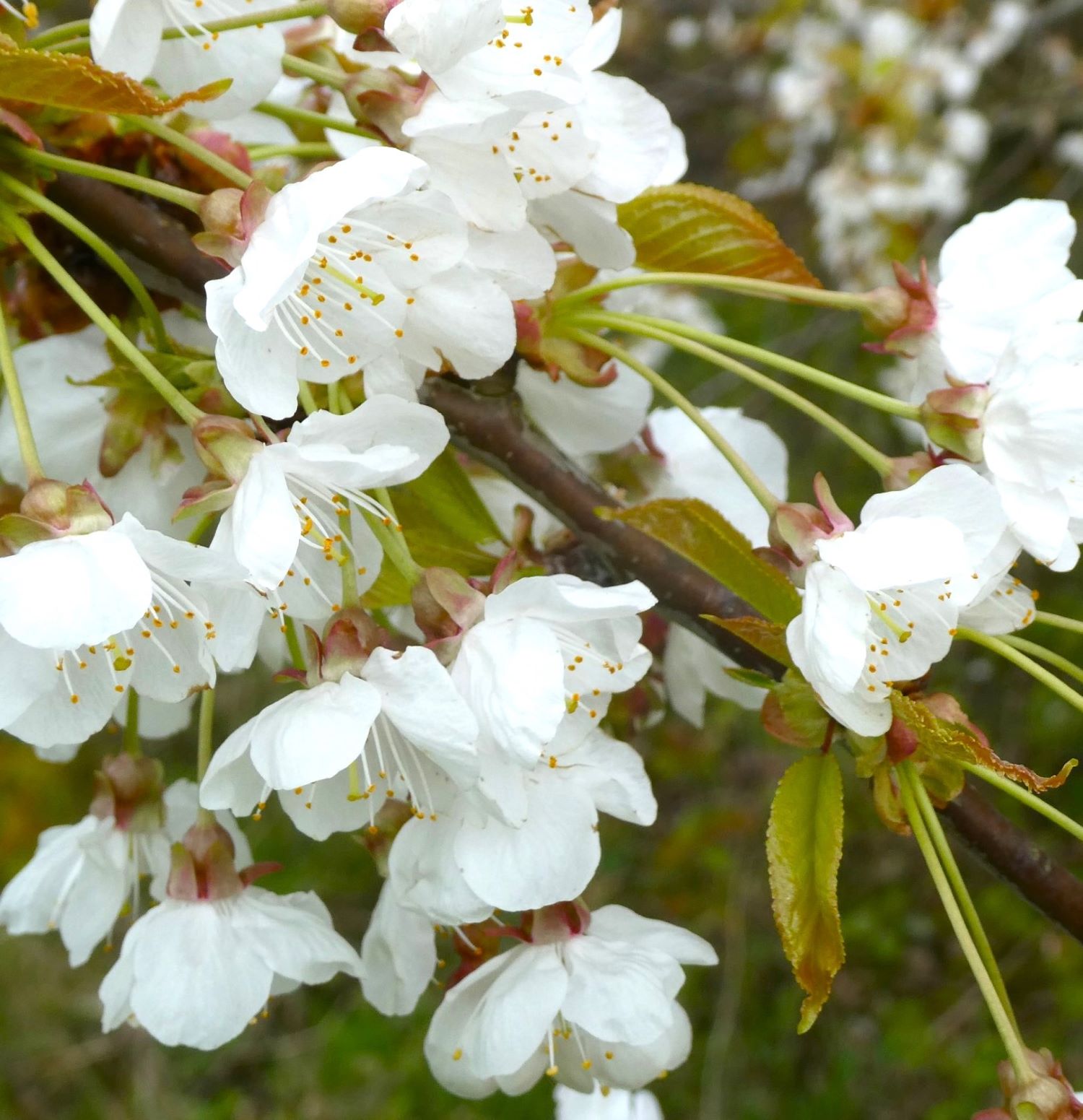
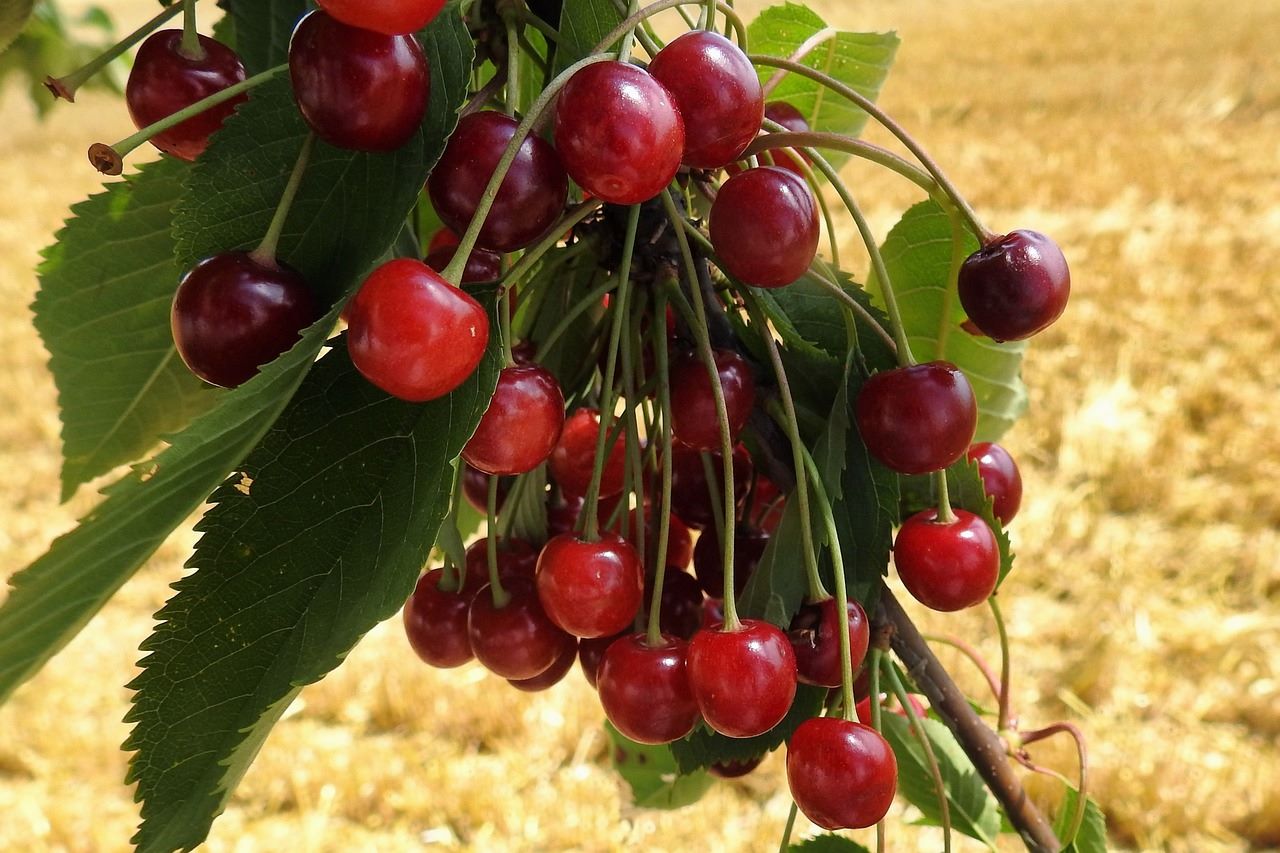
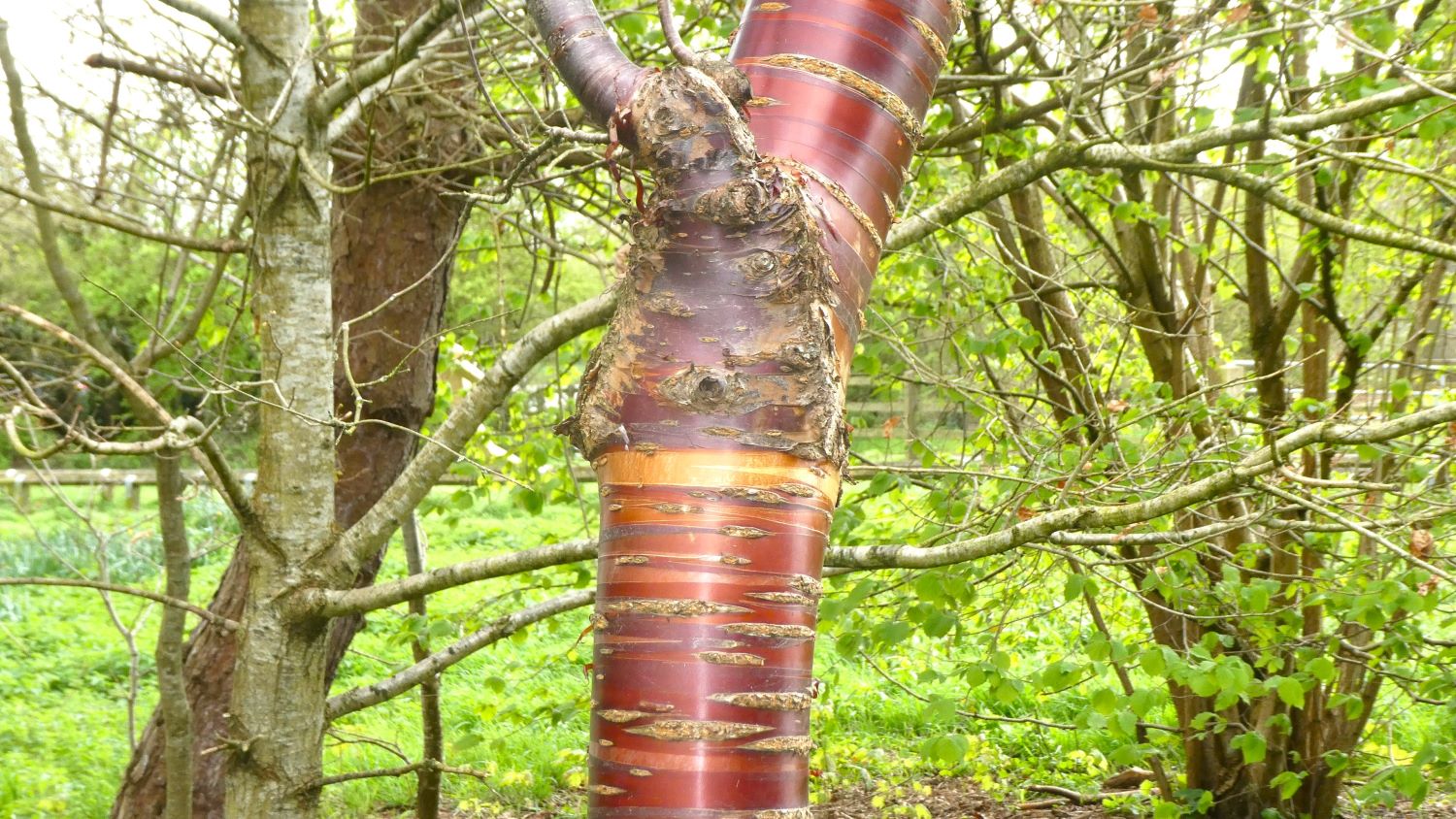
THREE: a single Tibetan cherry (Prunus serrula), obviously not a native, in the loop behind the Entrance Oak, where the service road cuts across. The bark on this tree is really stunning but it is only just coming into flower. It is native to China and was introduced into Britain in 1908 as a garden exotica.


 Southwick Country Park Nature Reserve
We have cherry trees in the garden that are flowering now with lots of white single flowers. Later they have cherries that the bird eat. can you tell me what type of cherry it is please. Barbara Johnson.
I expect they are wild cherries, Prunus avium, but if you send us pictures of a tree and its flowers and leaves, we’ll have a go at positively identifying them. If the birds leave you any cherries in the summer, they make gorgeous jam.
friendsofscp@outlook.com