War with the invader
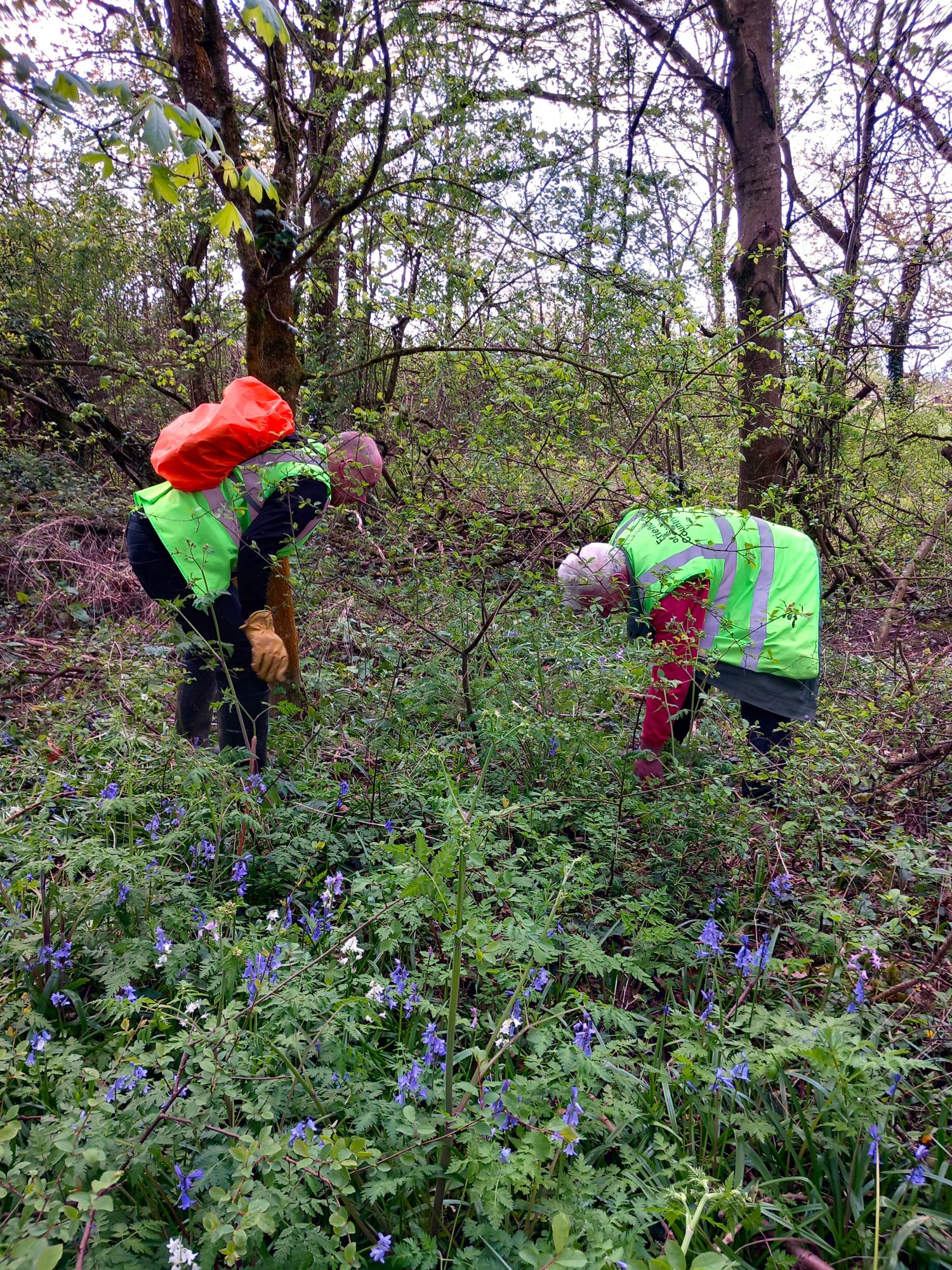
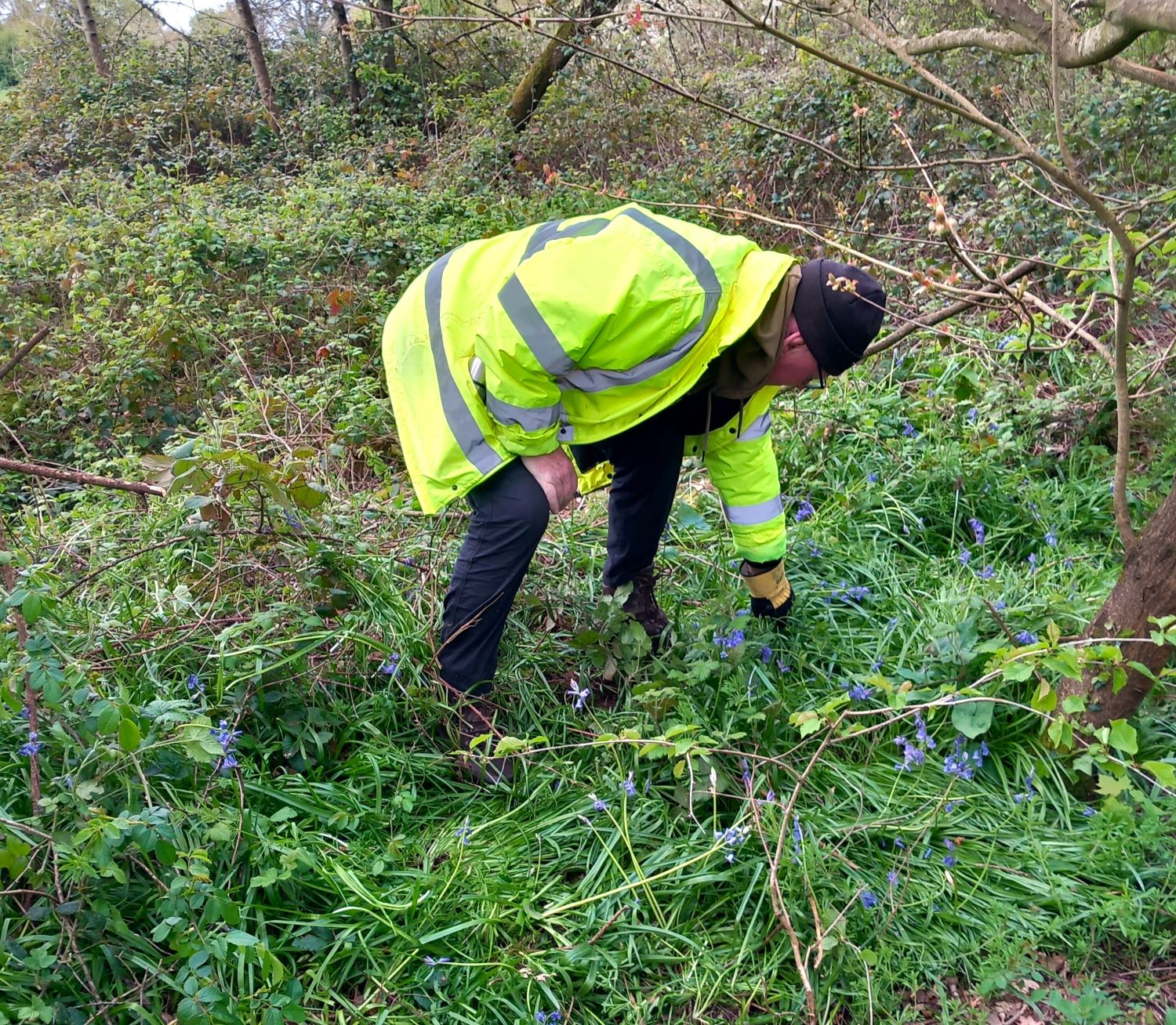
Every year, the Friends take to the reserve’s bluebell copses to hunt down and pull up Spanish squill, an invasive alien that is threatening the future of our native bluebells.
Native bluebells (Hyacinthoides non-scripta) are dark blue and fragrant, with flowers on just one side of the stem producing that characteristic droop; the stem and the leaves are slim and flexible. Spanish squill flowers (Hyacinthoides hispanica) are lighter in colour, often striped, and can be white or pink as well as blue. The whole plant is more upright; the stem and leaves more robust.

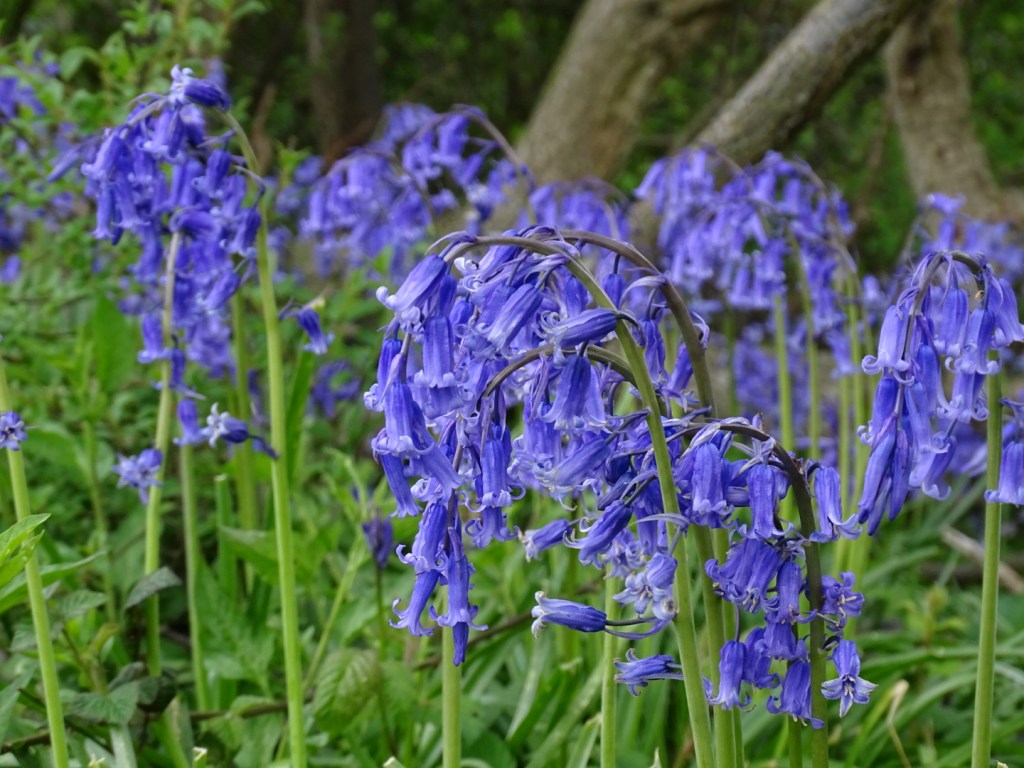
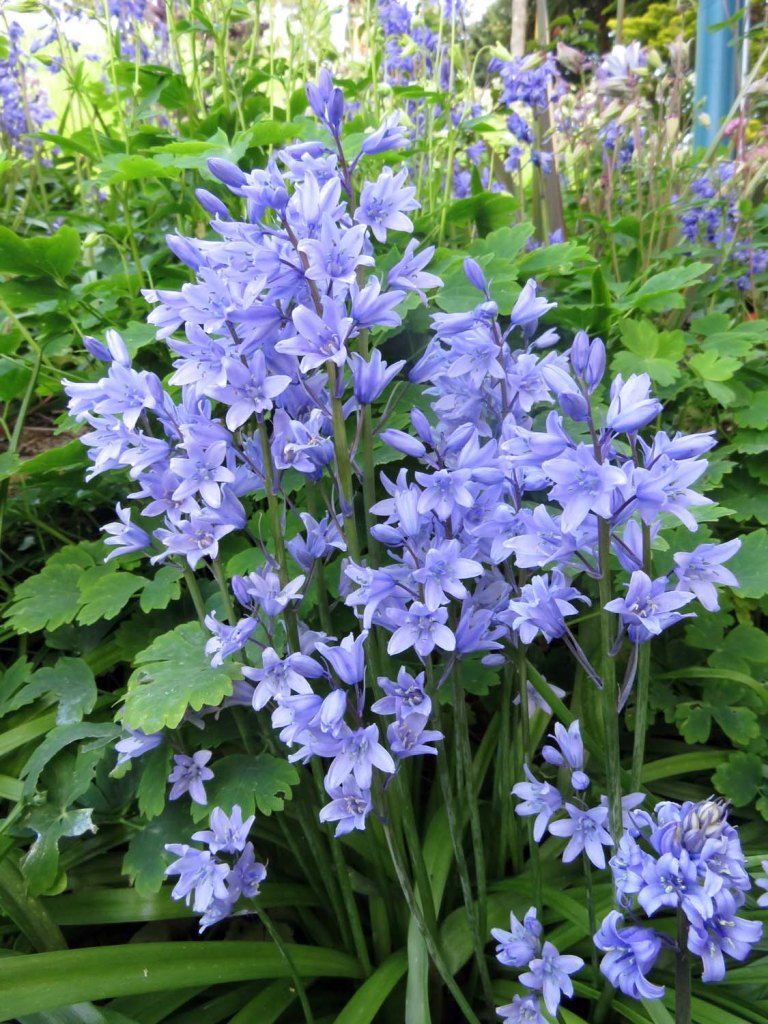

Above: native bluebells and below: Spanish squill. The Woodland Trust has estimated that one in every six of our bluebell woods has been invaded by Spanish squill and the resulting hybrids are out-competing the bluebells.
The two species are genetically so similar that they cross pollinate, producing a hybrid. Hybrids are usually weaker, less successful than the parent-species, and infertile – but not in this case. The Hyacinthoides hybrid is tough, adaptable and very fertile; it produces more seed than either bluebell or squill and that seed germinates more easily and in a much wider range of conditions.
Therefore, to keep our bluebells pristine, the flowers of Spanish squill and any hybrids have to be removed before they can either produce seed or cross fertilise with native bluebells. So far, this back-breaking work has kept our copses relatively free of both squill and the hybrid. Well done the Friends!

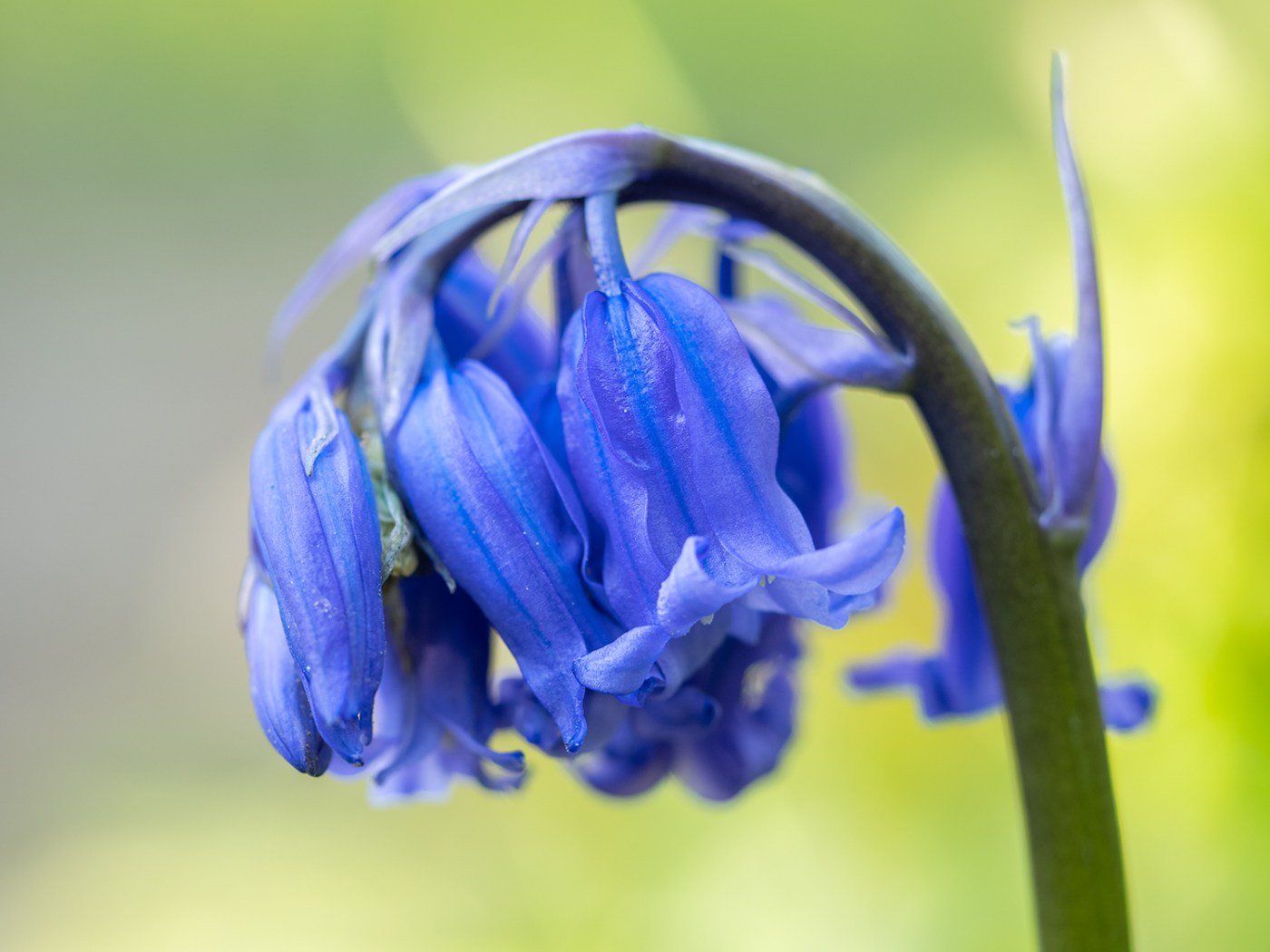
Header image: Bluebell © Simon Knight


 Southwick Country Park Nature Reserve