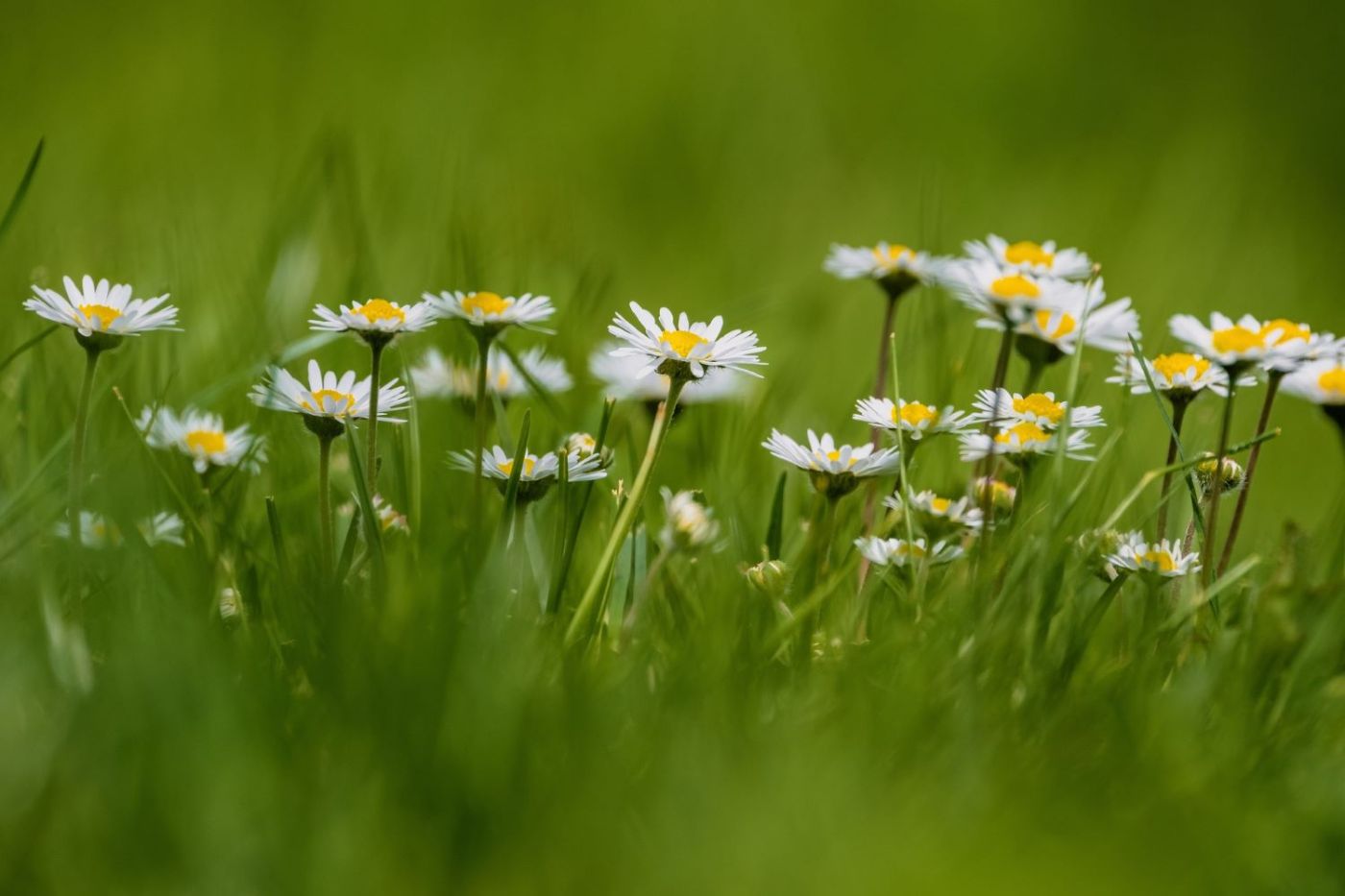
Daisy, Daisy…..
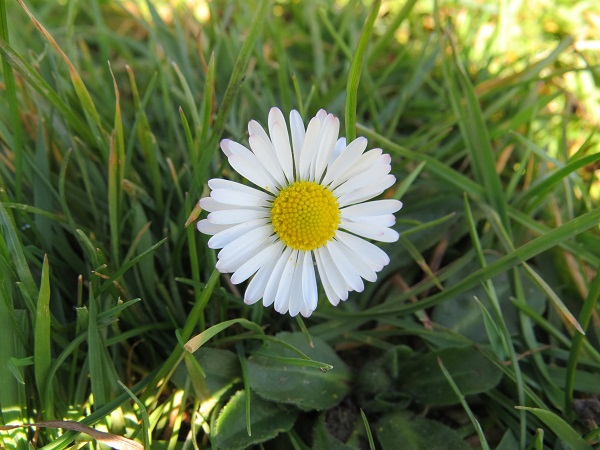
ONE: commonly called just daisy, its scientific name is Bellis perennis, which means everlasting flower.
TWO: the common name daisy is thought to be derived from day’s eye because the whole flower-head closes up at night and opens in the morning.
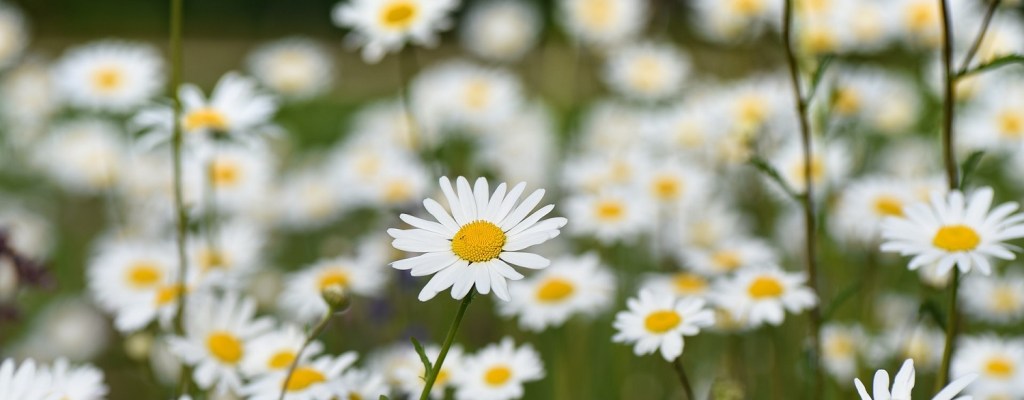
THREE: like all daisies, it belongs to the family of Asteraceae, which is one of the largest families of plants in the world.
FOUR: they are native to the close cropped grasslands of western, central and northern Europe, but they have become naturalised throughout most of the world. The only place where they don’t grow is Antarctica.
FIVE: daisies have a composite flower head made up of fifteen to thirty white ray flowers surrounding a centre of bright yellow disk flowers.
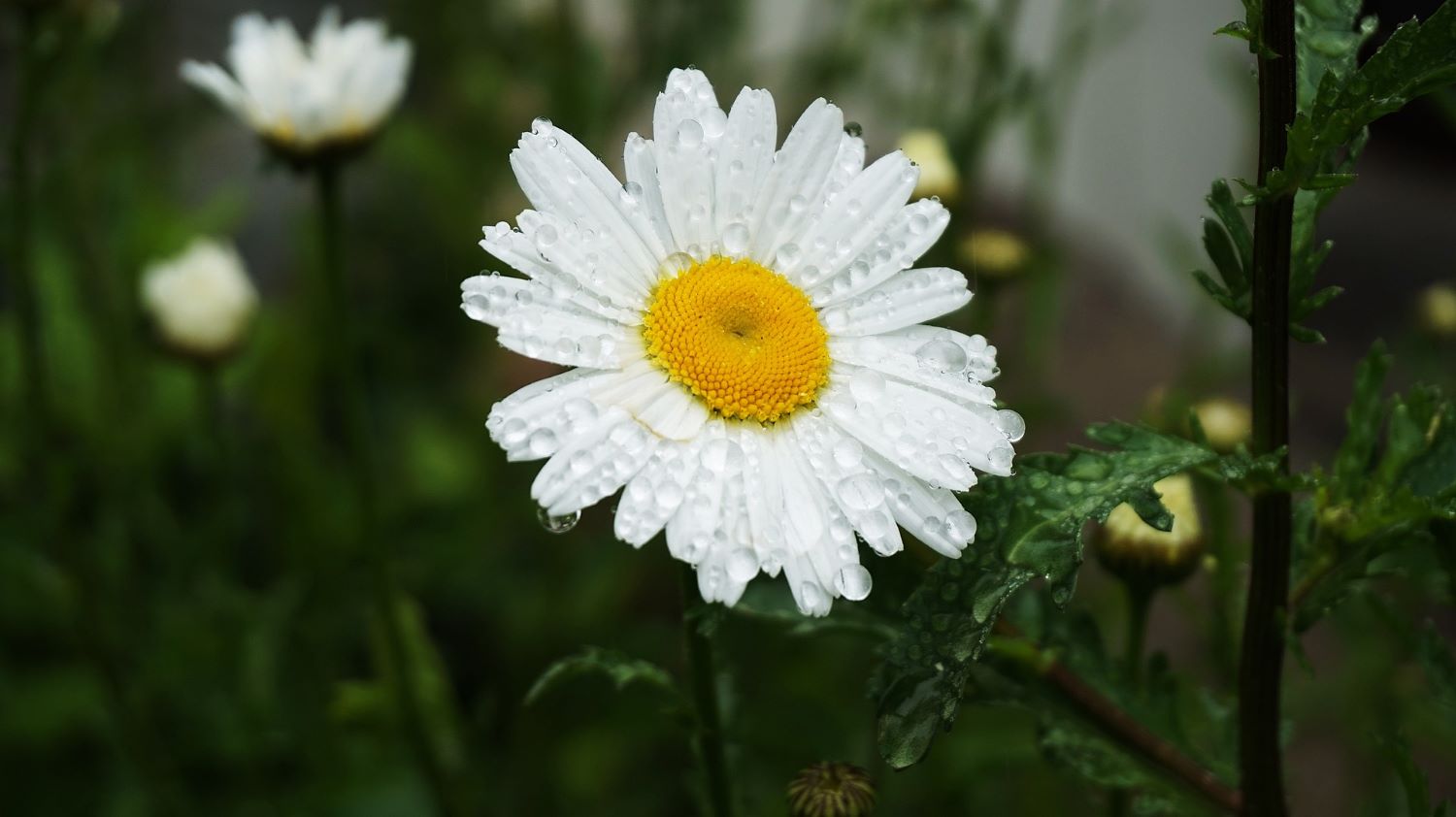
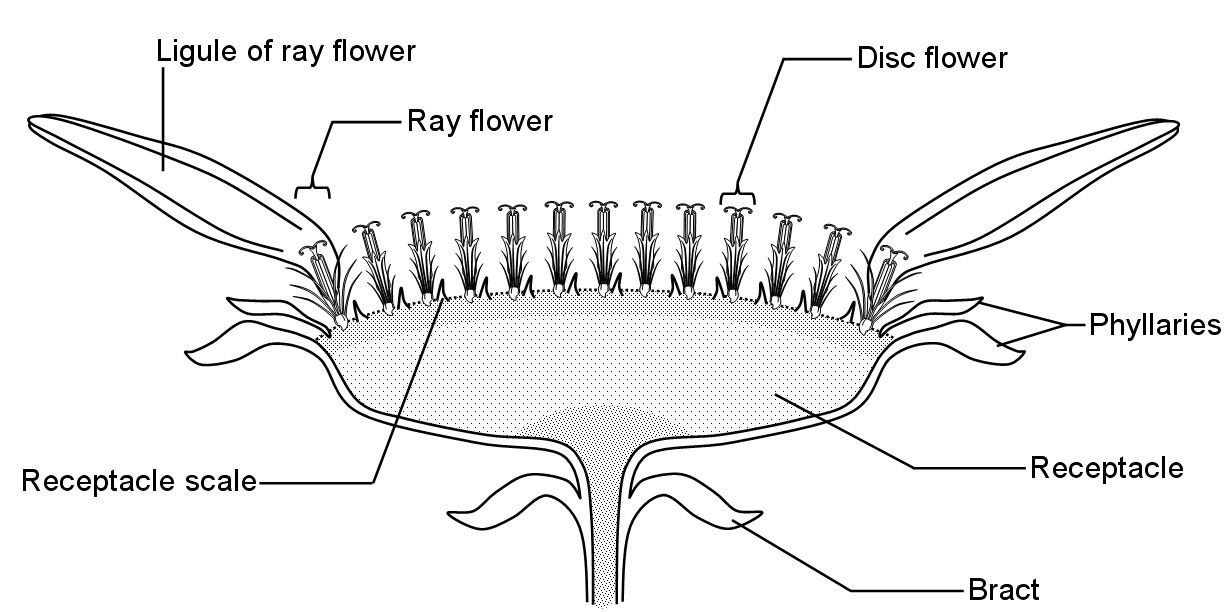
SIX: they are heliotropic, which means that the flowers follow the position of the sun in the sky, just like their much taller cousins, the sunflowers
SEVEN: daisy flower buds and petals, and its young leaves are edible, probably best eaten raw in salads.
EIGHT: the daisy is the national flower of the Netherlands.
NINE: in traditional medicine, daisies are thought to slow bleeding, relieve indigestion and ease coughs.
TEN: Daisy is used as a girls’ name; it originated as a nickname for people named Margaret, after the French name for the oxeye daisy, marguerite.
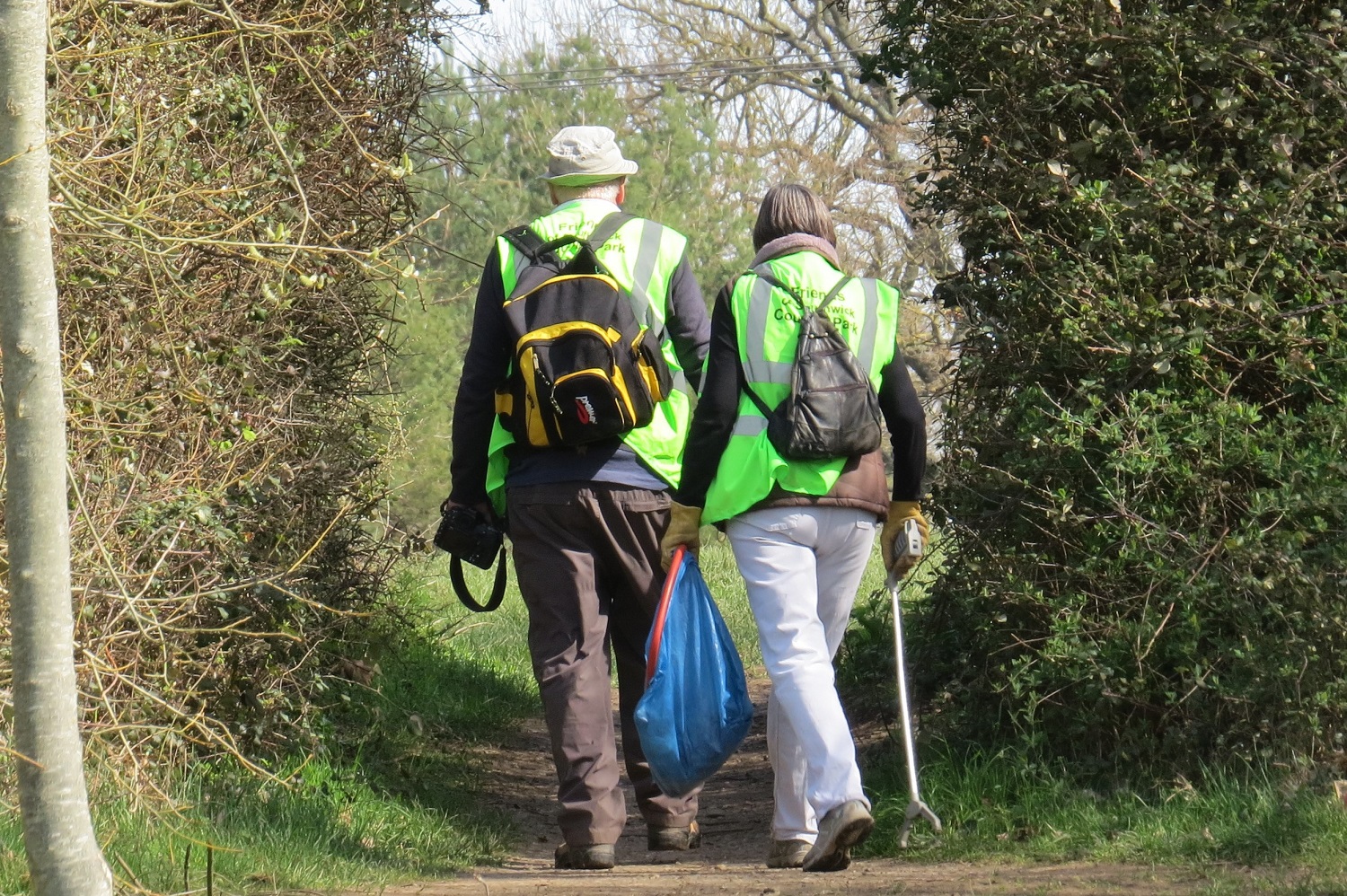


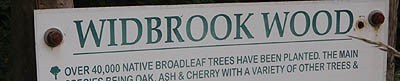
 Southwick Country Park Nature Reserve
Good post.I subscribed. Have a happy day🍀☘️✨⭐️