
Hedgehog Awareness Week: part 3
No matter what it says on the tin, any chemical treatment that kills slugs or snails will, in some way or another, be bad for hedgehogs and, in our opinion, should be avoided.
Metaldehyde, which used to be the active ingredient in most commercially available slug pellets, was finally banned in 2022 – so you are probably committing a crime if you have continued to use the same old pack of slug pellets that has spent years on a shelf at the back of your garden shed.
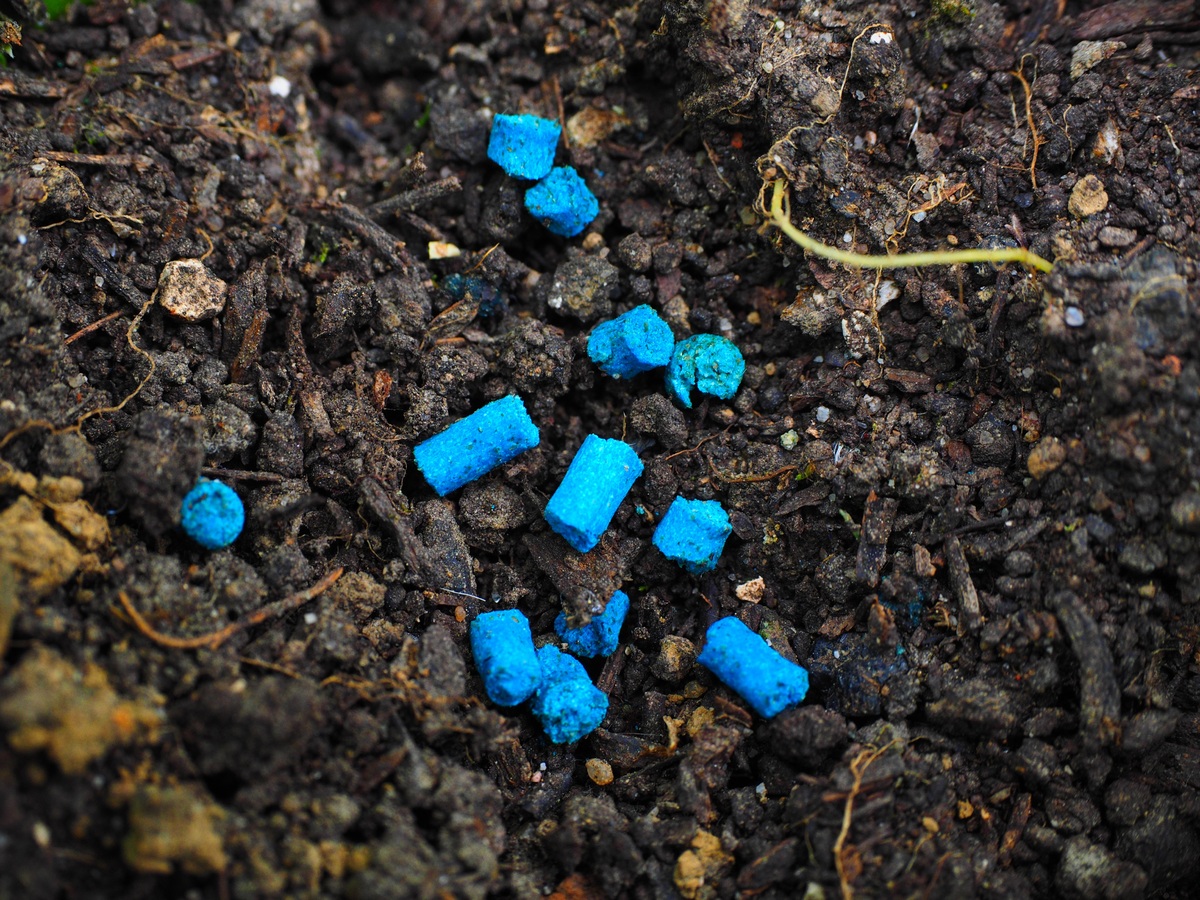
Nowadays the poison in your slug pellets is most likely to be ferric phosphate and the packet will call it organic – but remember that some of our most deadly poisons, belladonna and ricin for starters, are organic, which just means relating to, or derived from living organisms.
Ferric phosphate, which is considered harmless to mammals and in the USA (but not in the EU) can be used as a food additive, is not the only ingredient in slug pellets. It is mixed with a chelate, EDTA, a chemical which makes the iron (the active principle in ferric phosphate) more soluble in water so that can it be taken up into the body of the snail or slug easily.
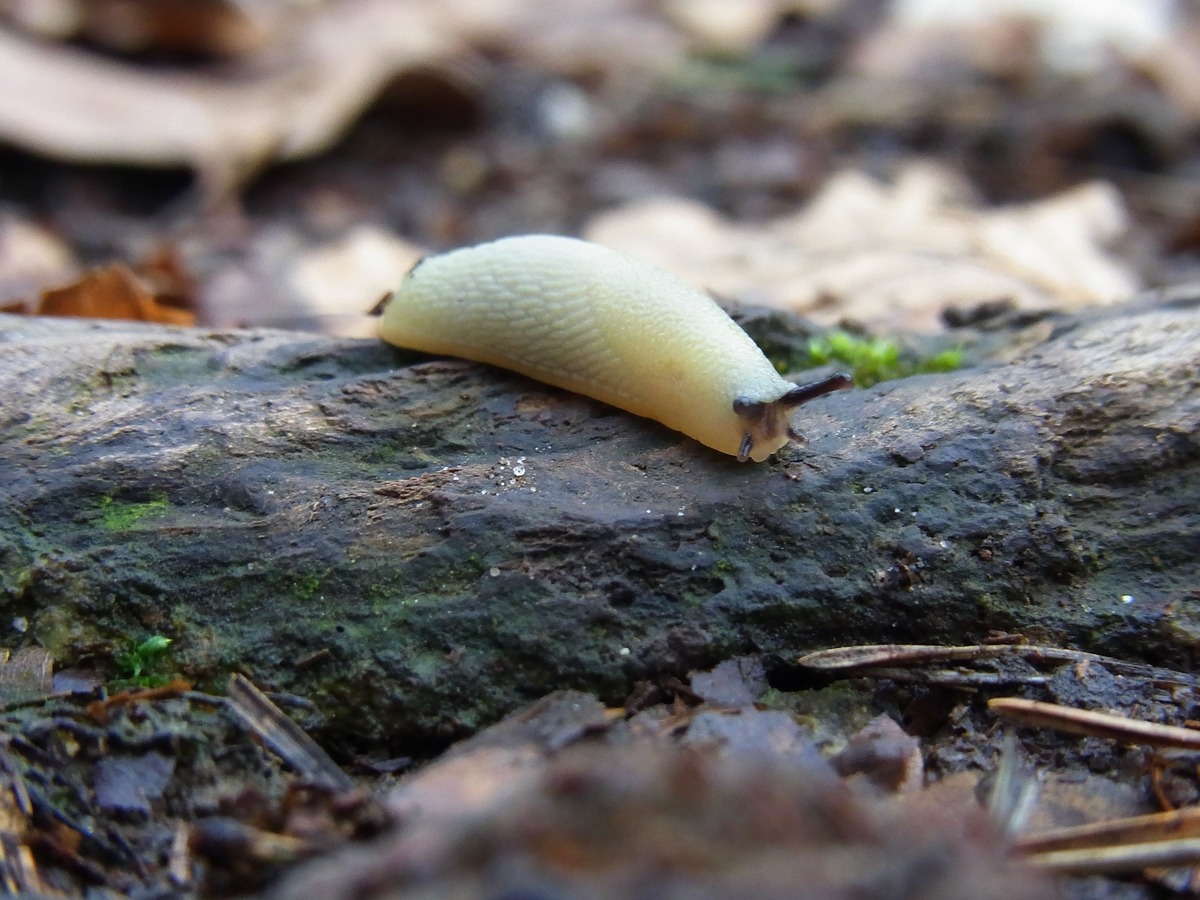
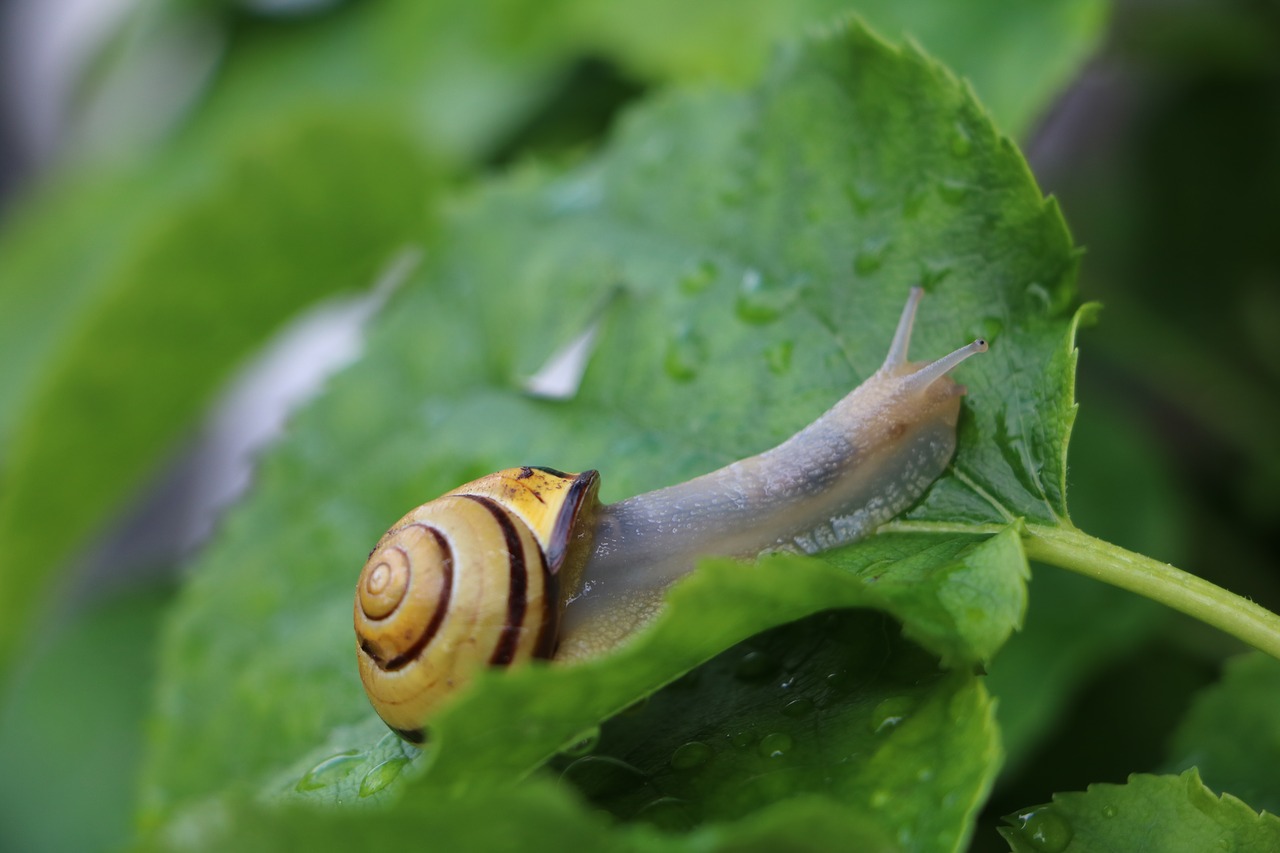
There has been very little research into the effects of EDTA on mammals but it is known to be an anticoagulant and to lead to chromosomal damage, neither of which can be good for hedgehogs. Wikipedia says it can cause reproductive and developmental effects, which is even worse for an endangered species suffering from population decline.
A study published in the NIH National Library of Medicine recommends that EDTA should not be released into natural water at all; earthworm numbers are reduced in areas where it is known to have been used and it persists in groundwater for a long time before it breaks down. Earthworms, as well as slugs and snails, are a major food source for hedgehogs.
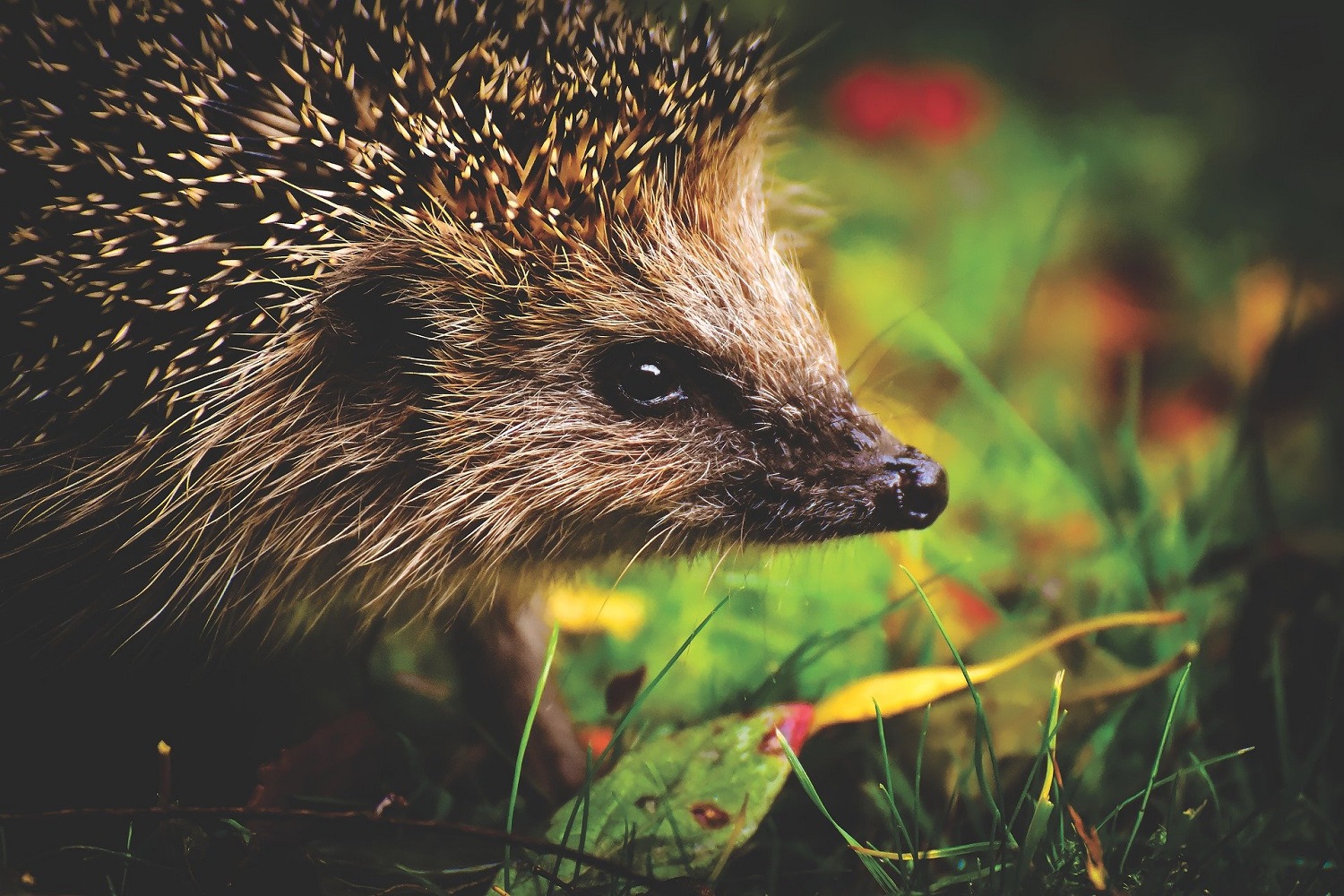

The ferric phosphate in these increasingly worrying pellets will be mixed with a tasty bait, usually some kind of cereal. Unfortunately, anything tasty enough to attract slugs and snails is also going to attract hedgehogs, woodmice, brown rats and any number of birds, and even though it might say on the tin harmless to wildlife, further down it will say keep away from children and pets. Let’s keep it away from our garden wildlife, too.
Finally, if we are so worried about hedgehog numbers, why are we trying to eliminate their most important foodstuffs? This does seem to be exceptionally misguided: we are putting so much effort into making our gardens into safe places for urban hedgehogs but all the while devoting time and money to wiping out the very things they eat.
Header image: carving on the Wildlife Wheel at the bottom of Sheep Field



 Southwick Country Park Nature Reserve
I don’t use slug pellets as I deliberately avoid plants that SLUGS EAT! Also I only grow roses that are resistant to disease so I don’t need to spray them with harmful chemicals. Barbara Johnson.
Brilliant! I cultivate leopard slugs that live on composting vegetable matter and eat other slugs. They are very identifiable and happy to live in my compost bin – but don’t trust them around coriander.
I recently found several leopard slugs in my compost bin, some were huge! Barbara Johnson
Look after them carefully, I feed mine kitchen scraps.
And people go out and buy special hedgehog food after they killed the slugs!! Crazy