
…about nettles for Be Nice To Nettles Week
ONE: the scientific name of our common nettle is Urtica dioica.
TWO: Urtica derives from a Latin word meaning ‘sting’ and dioica comes from the same Greek root as dioecious, which describes a species that has male and female flowers on separate plants.


THREE: here are pictures of male and female nettle flowers growing on separate plants
FOUR: common nettles belong to the Urticaceae family: 2625 known species divided into 53 genera according to Kew Gardens.
FIVE: Urtica dioicia is divided into six subspecies, five of which have stinging hairs called trichomes on their leaves and stems. If touched, the tip snaps off the hair and it injects histamine and formic acid into whatever touched it, causing a painful sting. This is what gives the species its common names: stinging nettle, burn-nettle, burn-weed, burn-hazel and stinger.
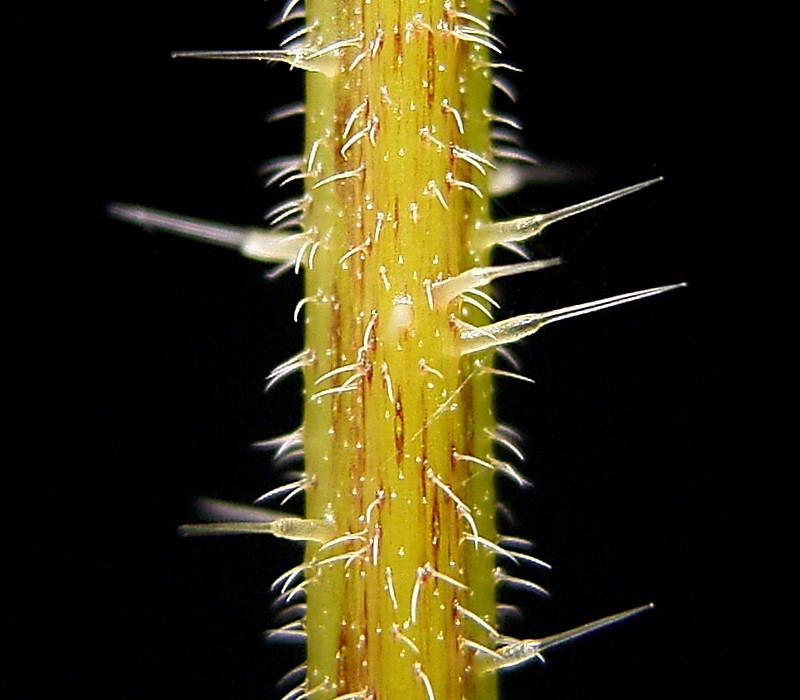

SIX: common nettles are originally native to Europe, temperate Asia and parts of North Africa but have travelled world wide and, nowadays, are found pretty much everywhere.
SEVEN: its preference for damp, fertile and disturbed ground makes it a good coloniser of places enriched by human activities, such as agriculture and development. In particular, it likes our gardens and places we have abandoned
EIGHT: nettle stems are very fibrous and a linen-like fibre can be extracted from them by retting.
NINE: historically, nettles have been used to make fabric for clothing for almost 3,000 years. Ancient nettle textiles from the Bronze Age have been found in Denmark.
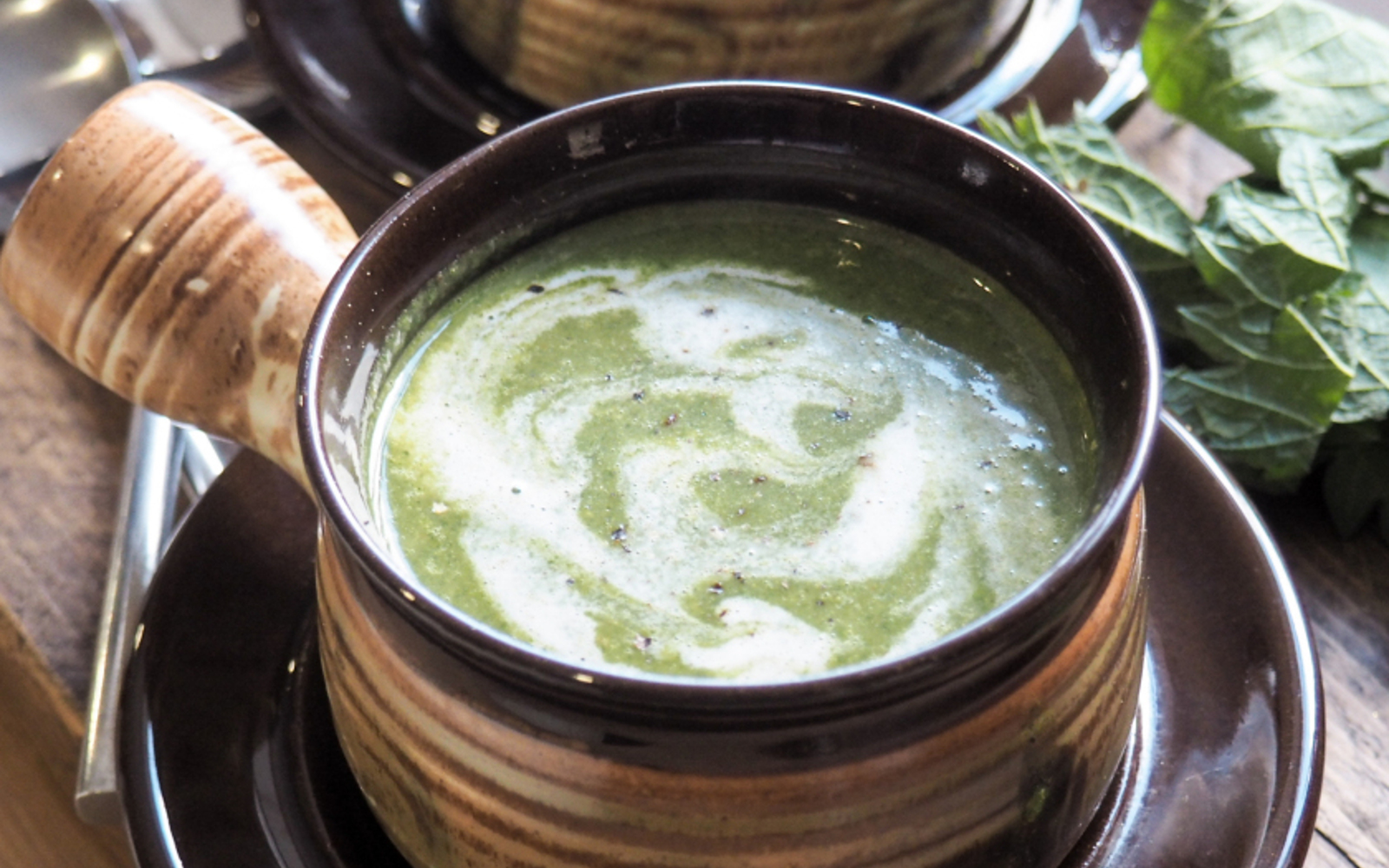
TEN: here is a recipe for nettle soup.






 Southwick Country Park Nature Reserve
I have lots of nettles at the bottom of the garden and am given them a wide berth for now in the hope butterflies may lay eggs on them! When will it be okay to pull them up! Barbara Johnson.
Peacock caterpillars have all pupated by the middle of July but small tortoiseshells raise two broods and their caterpillars haven’t finished with your nettles until August. Butterfly Conservation have little charts to show the length of the different life stages.
Thank you, nettles have rather taken over the Lambrok river bank behind Blind Lane. I’m leaving a variety of wild flowers but as yet have seen no bees, should they be around by now? Barbara Johnson.