
Anthropogenic evolution is evolutionary change in a species caused by alterations that we, Homo sapiens, make to the environment.
It should have been obvious, as soon as we understood exactly how much we have changed the global environment, that evolution would have taken that into account already. But it is really only in recent years that scientists have studied human-mediated evolutionary changes: anthropogenic evolution has been identified everywhere in species ranging from whales to insects.

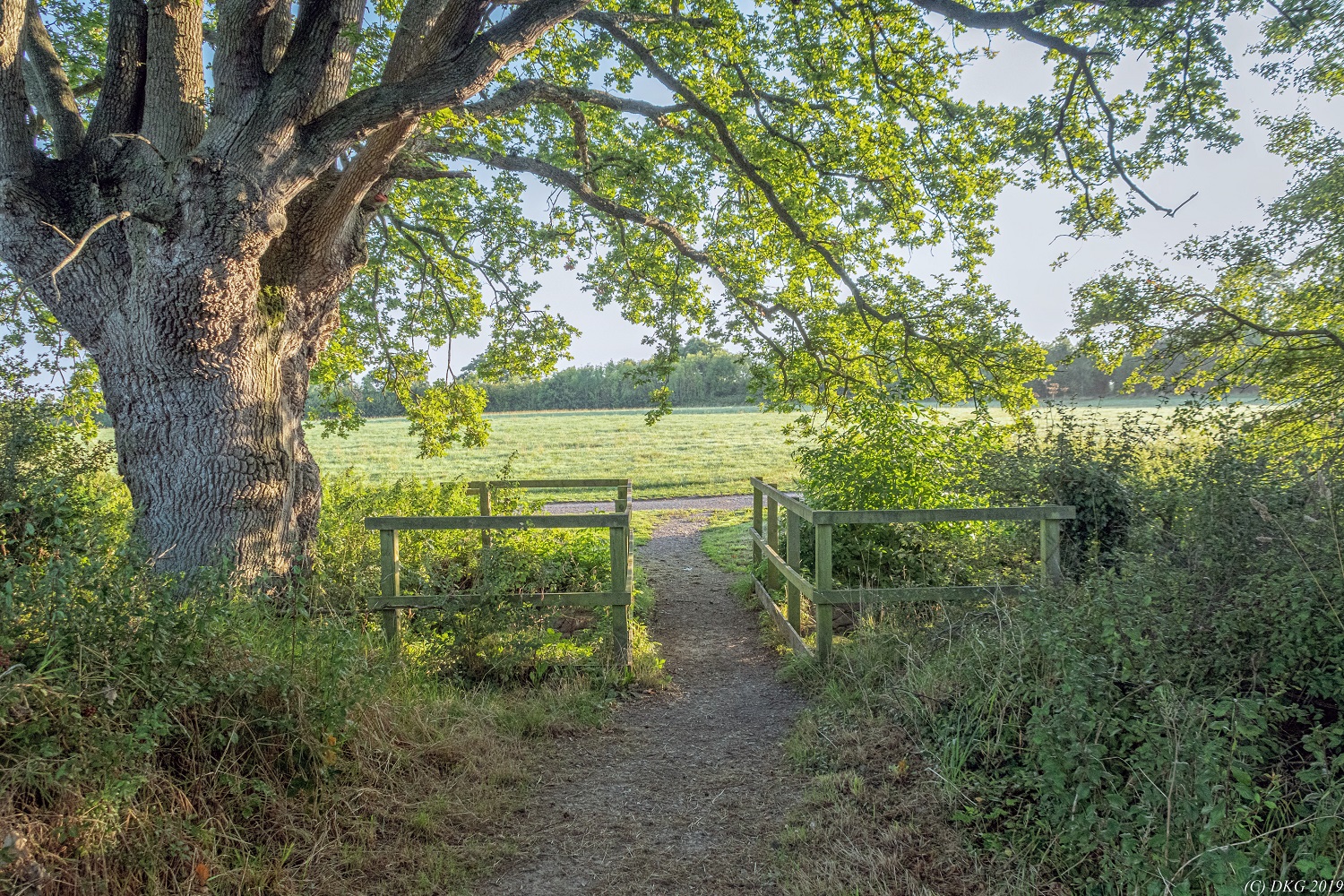
We are not just shaping the environment that our wild creatures live in, and we are not just influencing their behaviour: they are evolving physical traits to meet the demands our environment puts on them.
For instance, in the 1920s our foxes moved out of the countryside into town. Now, a century since the move, urban foxes have evolved significant physical and behavioural differences when compared to their their rural cousins.
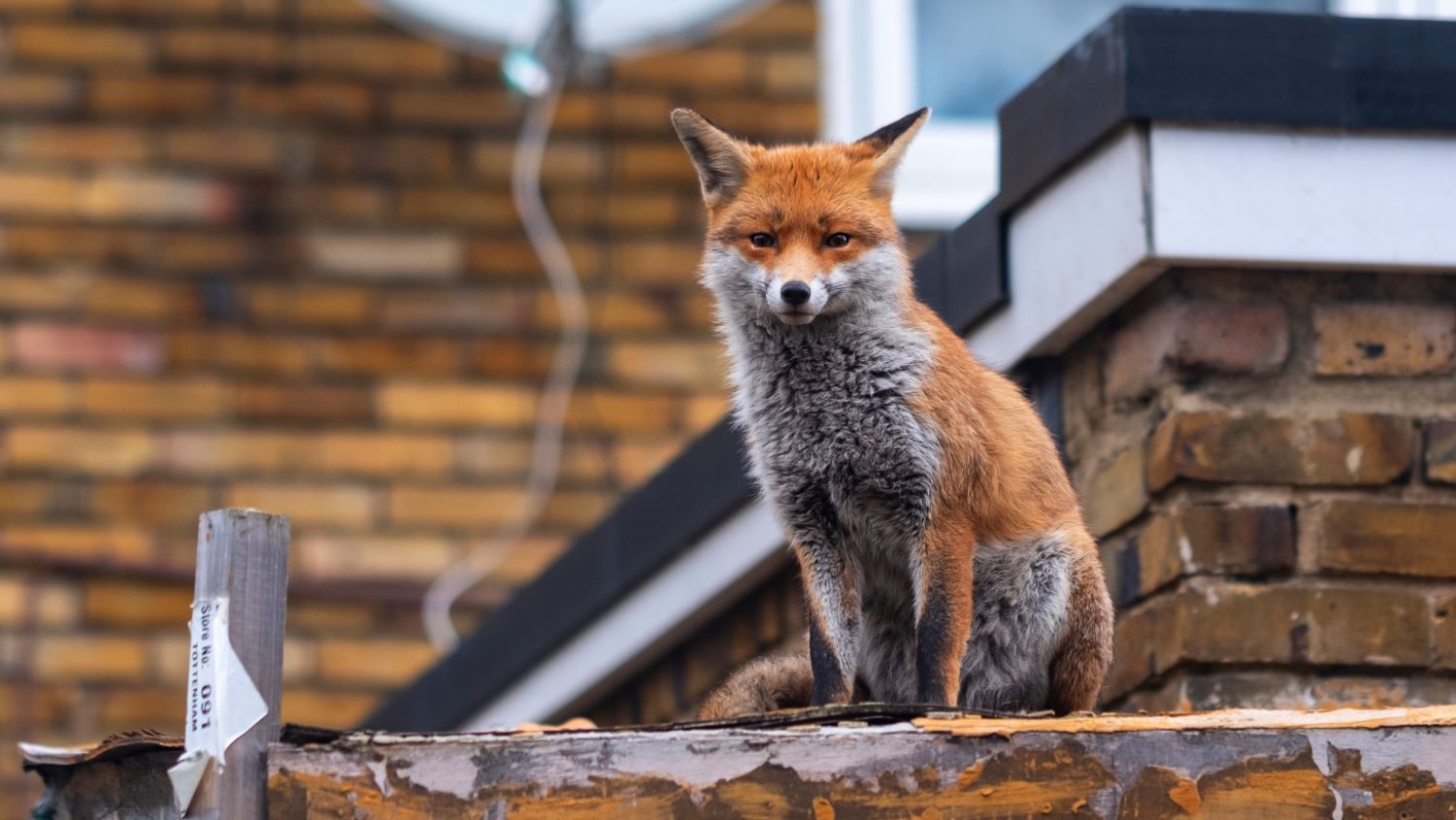
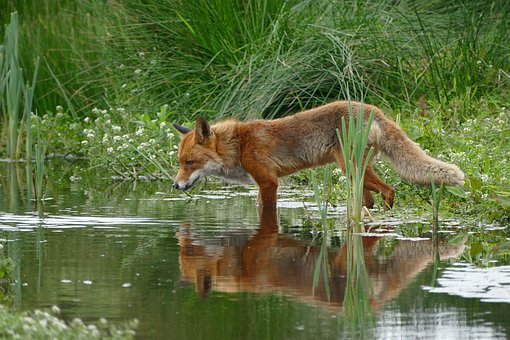
Urban foxes have evolved smaller heads and subsequently smaller brains, and differently shaped faces with shorter, wider snouts than rural foxes. The change in the shape of the snout is believed to be an adaptation to the environment in which urban foxes hunt for and find food. Urban foxes are not as clever as rural foxes, perhaps because they don’t have to work so hard to find food, but they are bolder and more confident, particularly in their dealings with humans

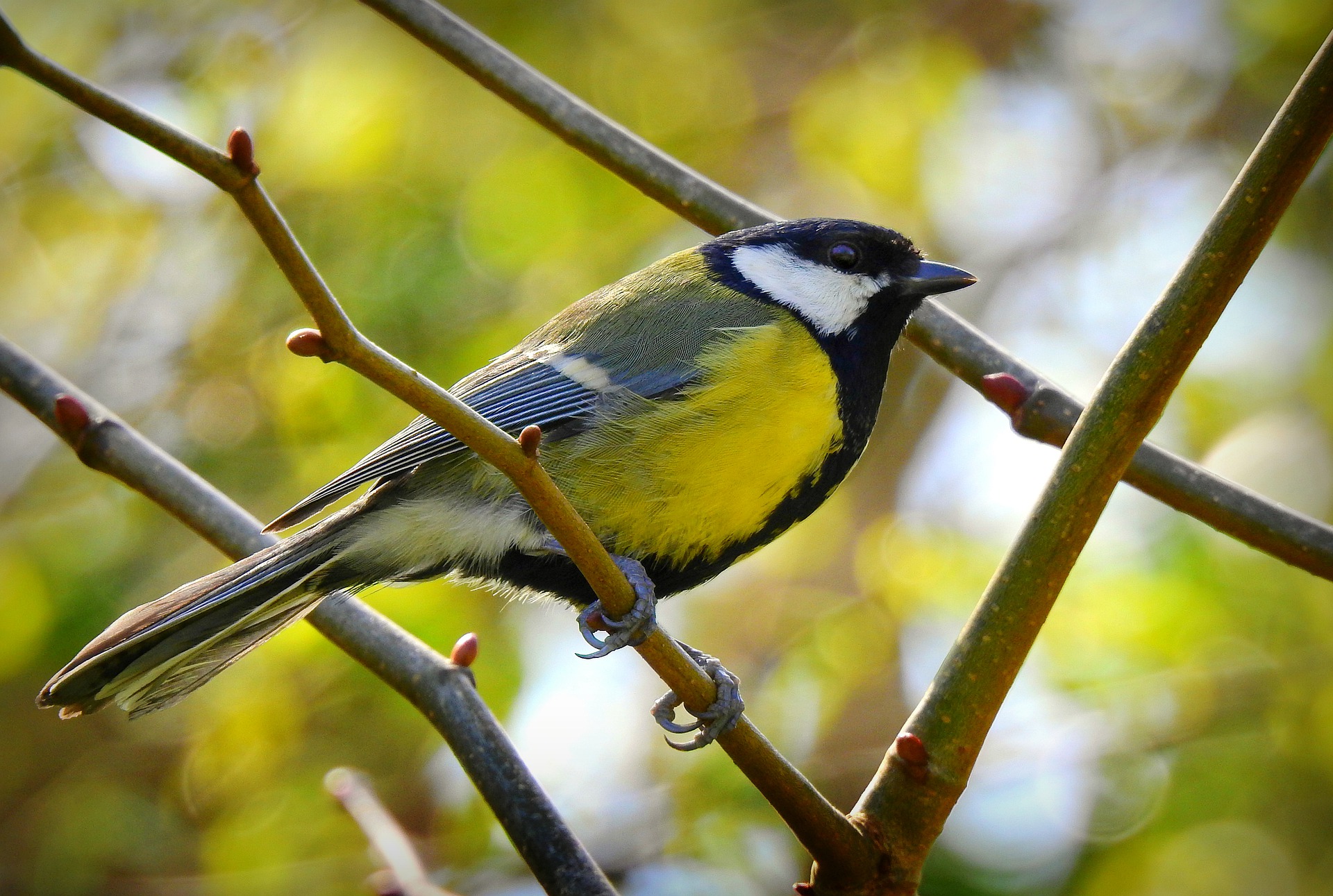
Our national bird-feeding hobby is affecting the evolution of some of the UK’s birds. Research has shown that our great tits have measurably longer beaks than Dutch great tits. Of course, a long beak is going to be an evolutionary advantage in an environment where a great tit’s survival, and therefore its capacity to pass on its genes to a new generation, can depend on its ability to reach the last few sunflower seeds in a bird feeder.
We, all of us, are entering a new phase of dangerously rapid environmental change and we all will need to adapt as quickly as we can. But – it looks as though many of the creatures we share our planet with are well ahead of us in the survival stakes.



 Southwick Country Park Nature Reserve