
Incomplete metamorphosis
We are too inclined to think of butterflies if anybody says anything about metamorphosis: eggs under a green leaf, caterpillars, chrysalises, and the beautiful adult wings unfolding in the sunlight. But all insects metamorphose and in many different ways.
The four-stage butterfly model is called complete metamorphosis but there is a three stage version as well which we call incomplete metamorphosis. The stages are egg, nymph, and adult. In evolutionary terms, incomplete metamorphosis came first: the nymph is not a combination of larval and pupal stages; the larval and pupal stages are a division of the nymph.
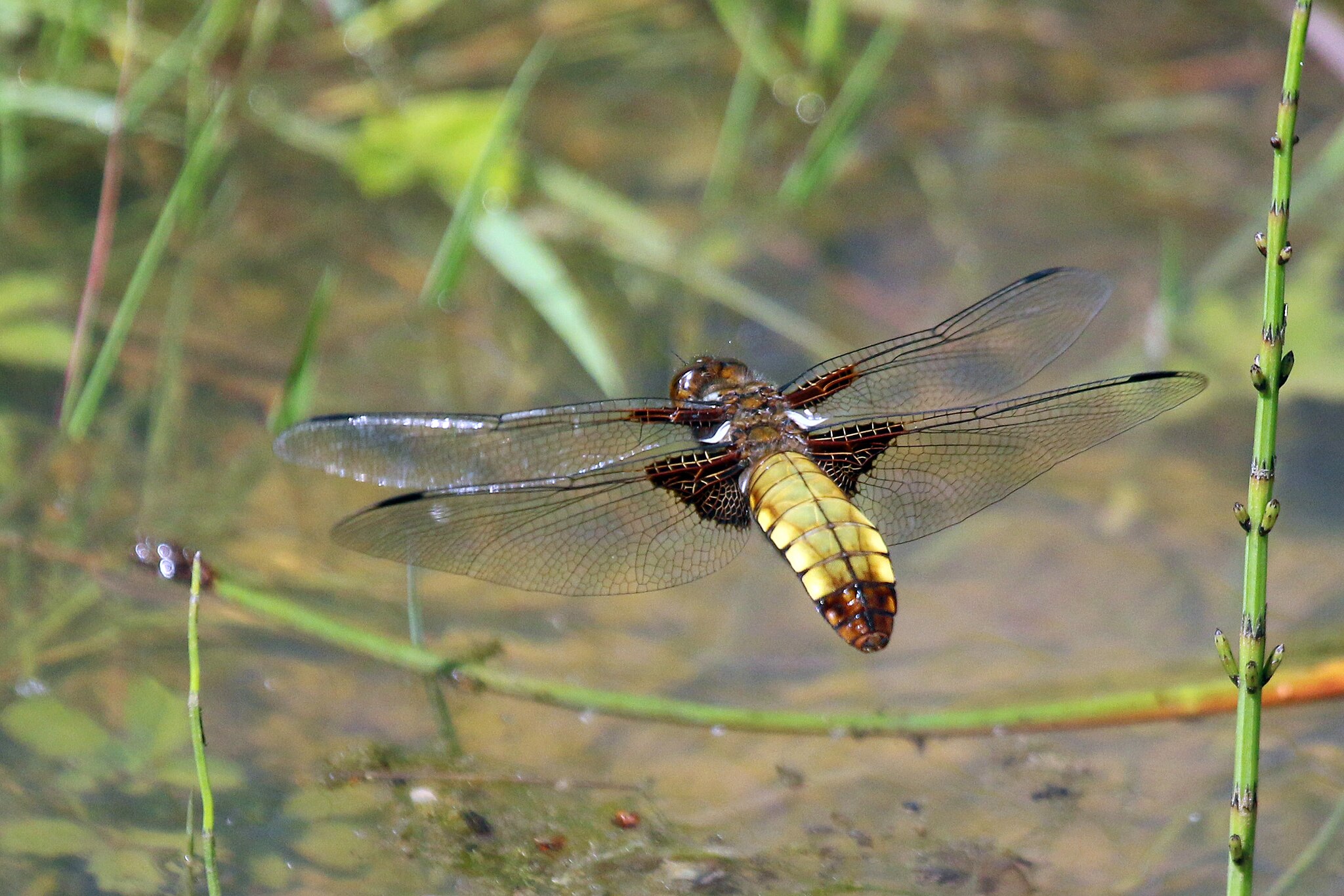
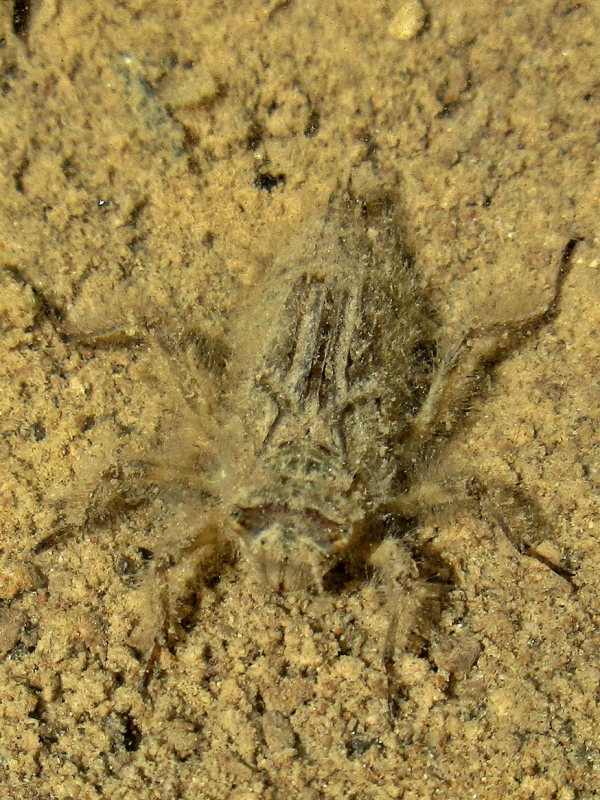
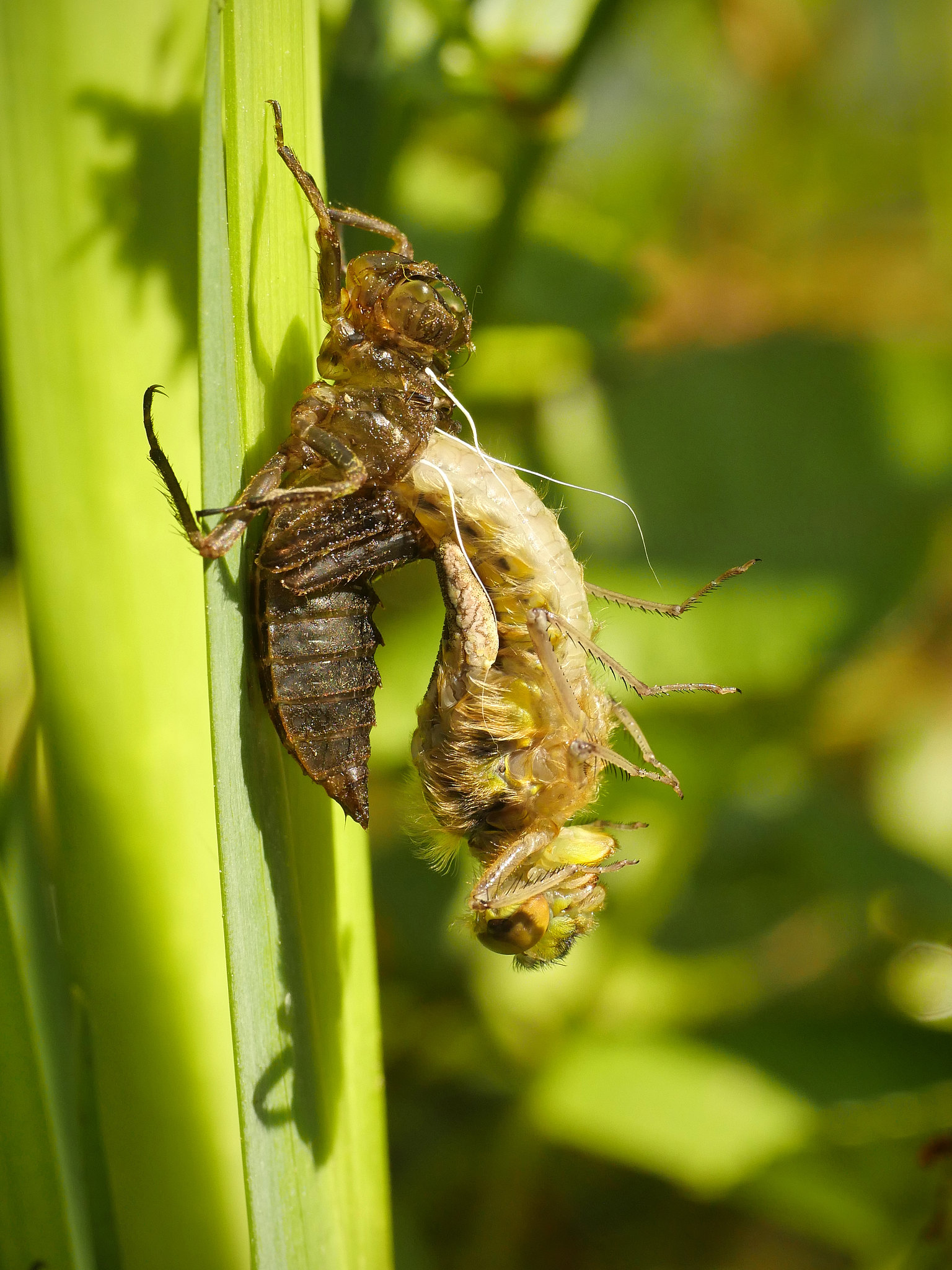
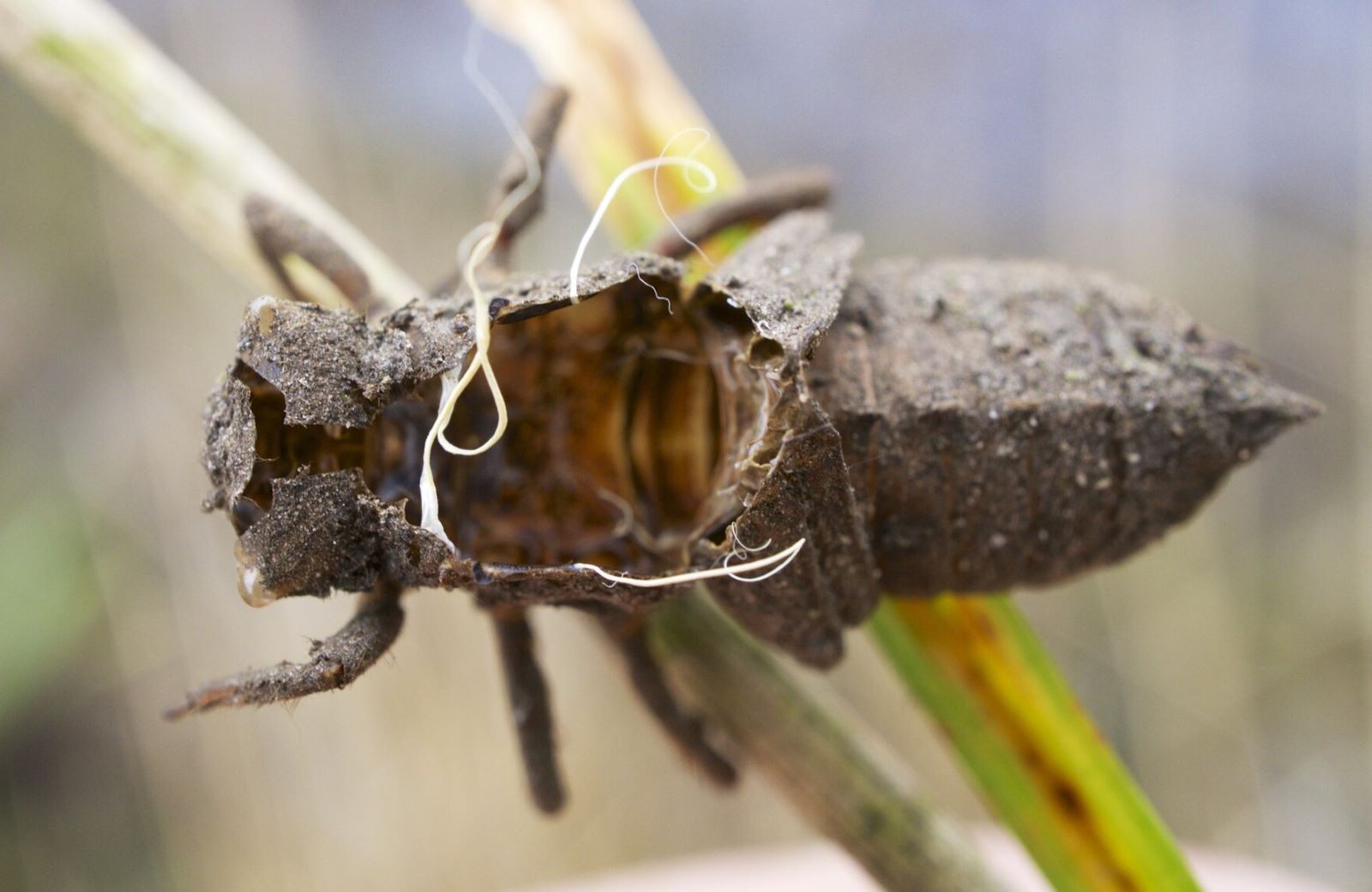
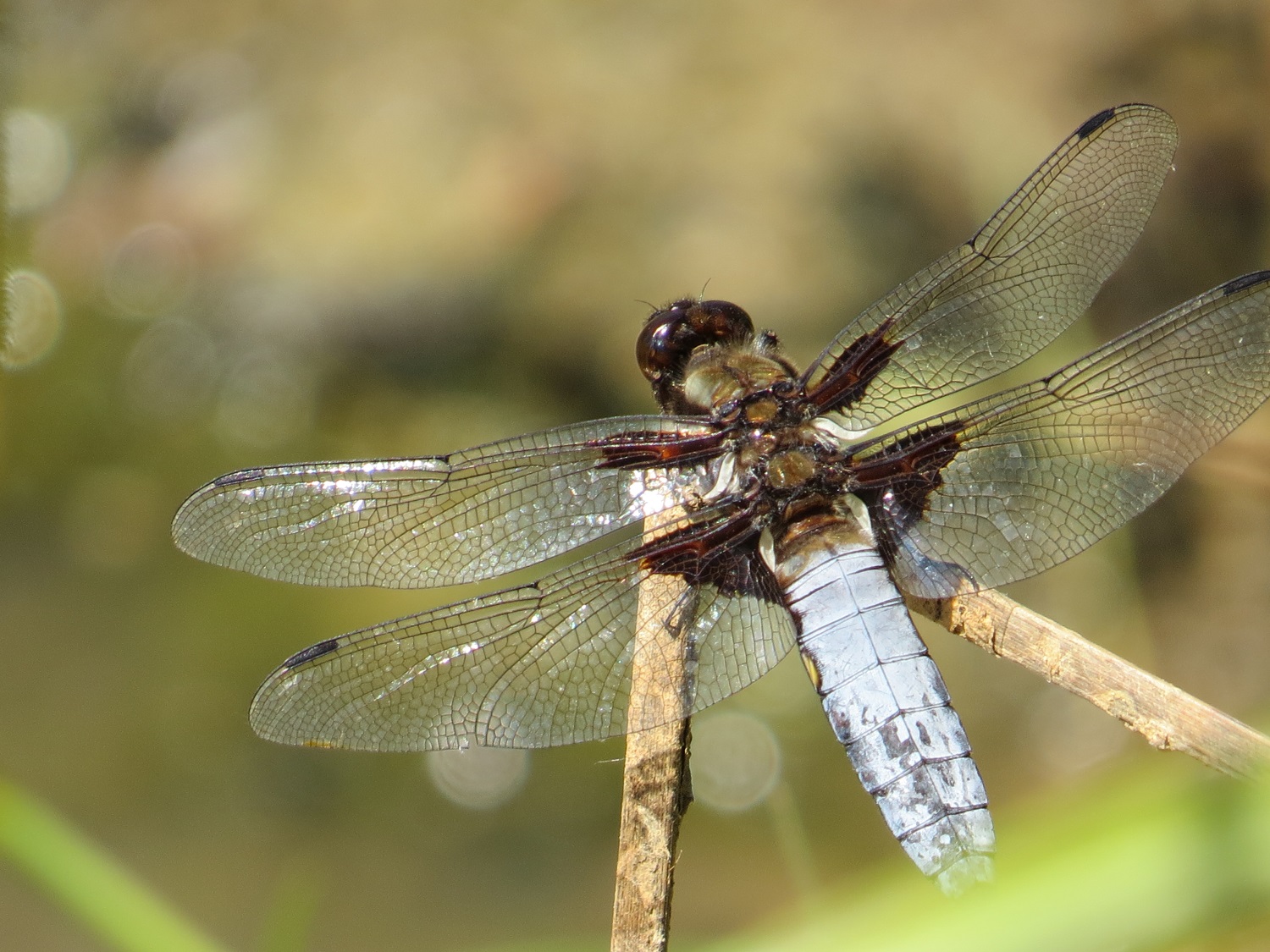
The reserve’s dragonflies undergo incomplete metamorphosis. The big pond at the bottom of Kestrel Field belongs to our broad bodied chasers (Libellula depressa). The bright blue males stake out territories around the edge of the pond and fight aerial battles with interlopers and trespassers. The successful male mates with the golden yellow female and supervises her while she deposits her eggs one by one into his territorial waters, dipping her tail into the water each time.
It is only a matter of days before the eggs hatch into a first instar nymph, a miniature, wingless, hairy, underwater version of the adult. The nymph is the species’ growth stage: a voracious aquatic predator that might spend as much as three years stalking prey on the bottom of the pond.
Just like the larval stage in complete metamorphosis, the nymph has to moult its exoskeleton to accommodate its growth. With each moult, it develops more and more adult features. When it is fully grown, it leaves the water and climbs into the vegetation around the pond. The now fully developed adult dragonfly inside expands its thorax and splits the nymphal shell. Slowly, over two or three hours, the adult emerges into the light and spreads its wings.




 Southwick Country Park Nature Reserve