
Flying ants
The swarms of flying ants that interrupt Wimbledon every year are usually Lasius niger, the black garden ant.
A black garden ants’ nest is, for the majority of its time, entirely female. But when the nest has reached the right size and level of preparedness, the queen begins to lay eggs that will develop into males and virgin queens, both winged. But this new sexually mature generation all share the same mother, they are too closely related to breed. They have to leave their home nest to find and mate with counterparts from other nests.

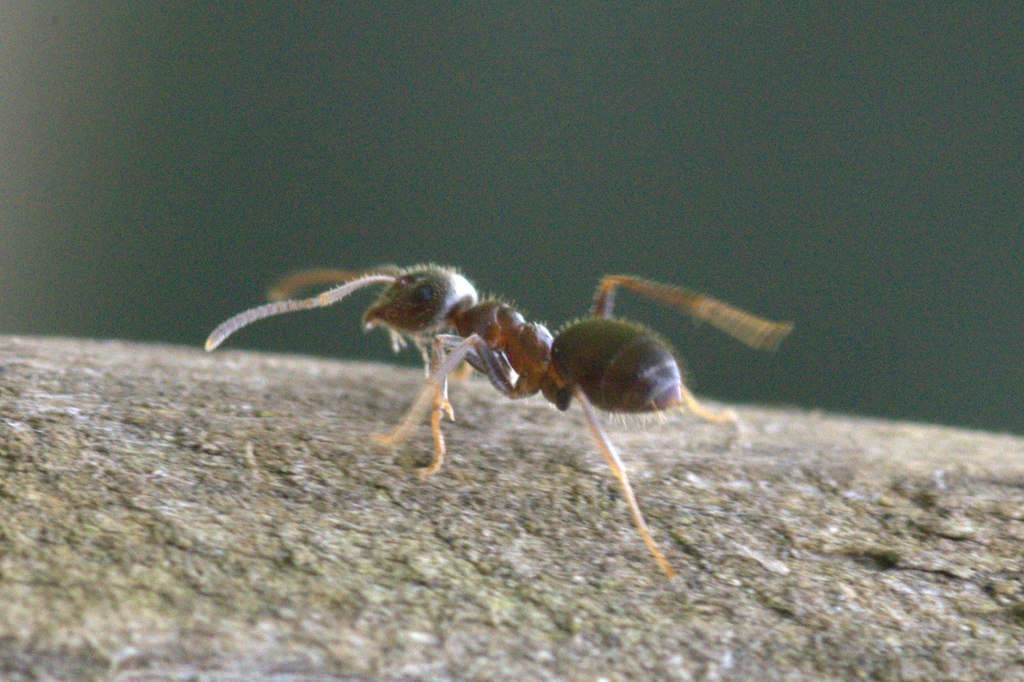
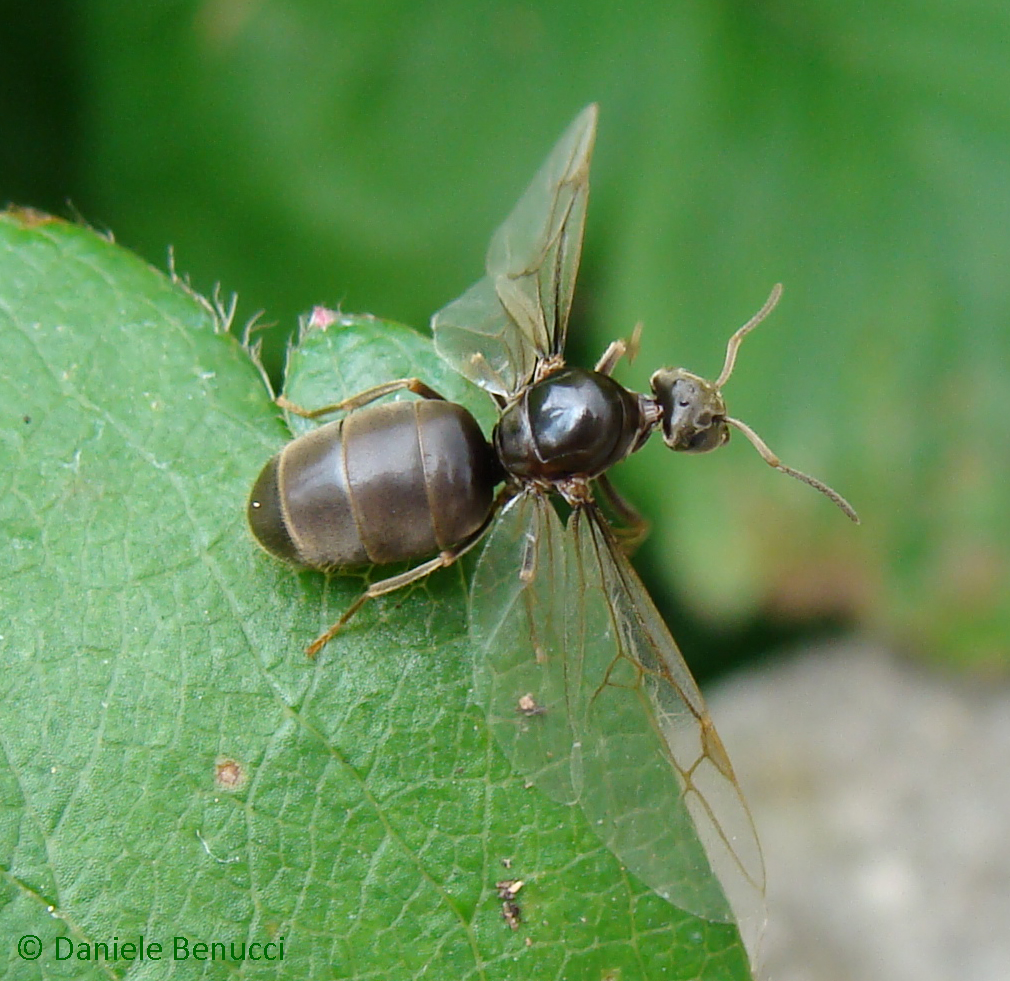
So, on a warm, humid and still day, the new queens and the males from all the nests in an area will take to the air in swarms that can be so large they show up on radar and have even been spotted by NASA’s weather satellites. As the winged ants emerge from the ground, they scatter in all directions to maximise the chance of mating between different colonies and thereby reduce the chance of inbreeding.
During her flight, a successful queen will have mated with many males and stored enough of their sperm to fertilise all the eggs she will lay in the rest of her life, which could last as long as fifteen years. The males, on the other hand, die very shortly after mating: their only purpose was to carry the colony’s DNA away and mix it with that of a queen from an unelated colony
When she has mated, the queen looks for a suitable place to establish a nest. It’s hard to tell what she is looking for, but when she has found it, she chews off her wings and disappears underground. She excavates a chamber in which she lays the new nest’s first few eggs and rears her first brood of daughters into adult workers.





 Southwick Country Park Nature Reserve
How do they all know to come out at the same time
It’s triggered by local weather. A certain temperature and humidity and a certain (very low) windspeed in an area, and most of the black ant nests in that area will swarm. There are citizen science observations that indicate that there are flying ants SOMEWHERE in the UK almost every day in July and August – so its not a Flying Ant Day as some people believe, it’s more like a Flying Ant Season.
Do all species do this?
Not all, no. This post is about black garden ants and while most species of ant do have a similar winged sexually mature stage, there are more than 15,000 species all told and lots of different breeding behaviours. If you want to be really confused, here is a link:
https://www.antwiki.org/wiki/Caste_Terminology
your right. I am very confused
fascinating! We have not yet seen any flying ants but many ants have been emerging from the lawn and from between patio slabs. We don’t use ant killer and have been rewarded by visits in recent days from a juvenile green woodpecker!!
How beautiful! If you get photographs of your juvenile green woodpecker, please send them in – we would love to see them.
Yes I will if I can! Barbara Johnson