…about honeydew
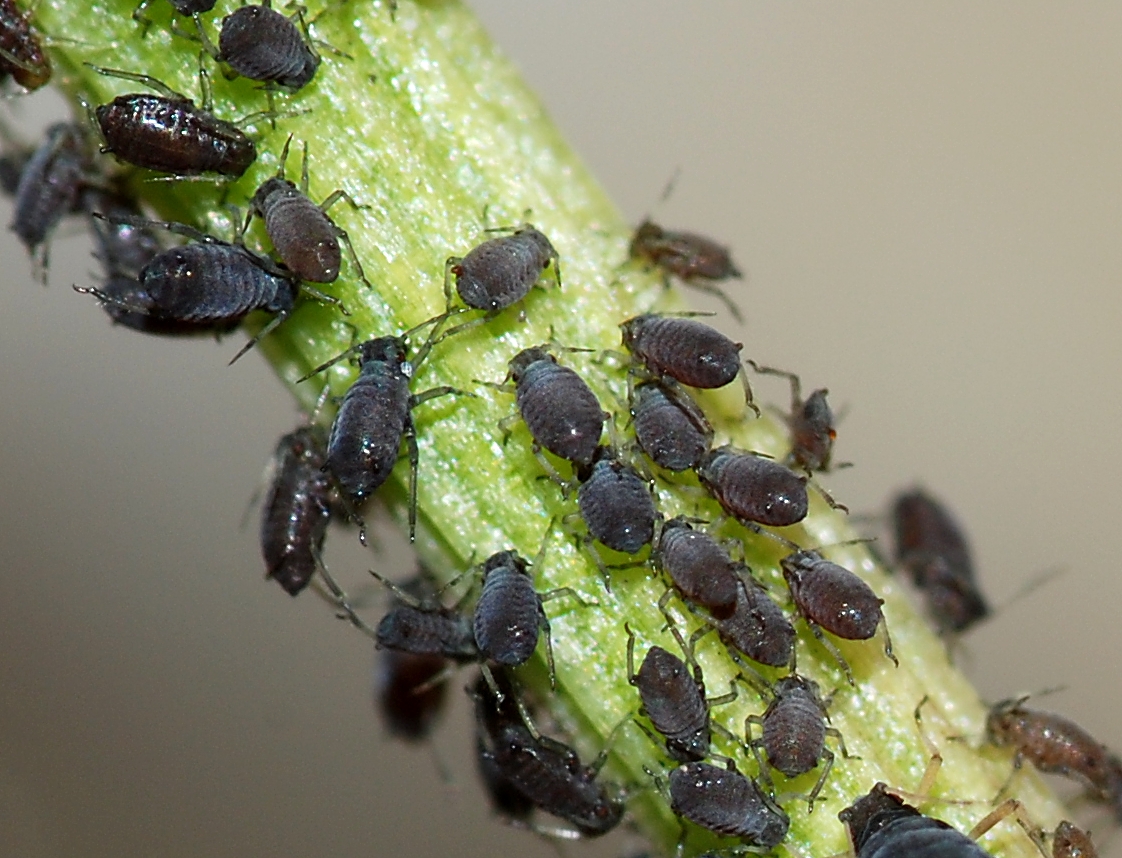
ONE: honeydew is the sugary excreta of some insects. It is produced by sap-suckers such as aphids, scale insects and true bugs but also by the larval stages of some wasps and lepidoptera.
TWO: plant sap is very dilute, and an aphid has to process large amounts to extract the nutrients it needs. The sap in a stem is under pressure, being pushed upwards towards the top of the plant, and when an aphid inserts its tube-like mouth parts into the stem, the pressure forces the sap through its gut and out of its anus. Yes: in most cases honeydew is insect poop.


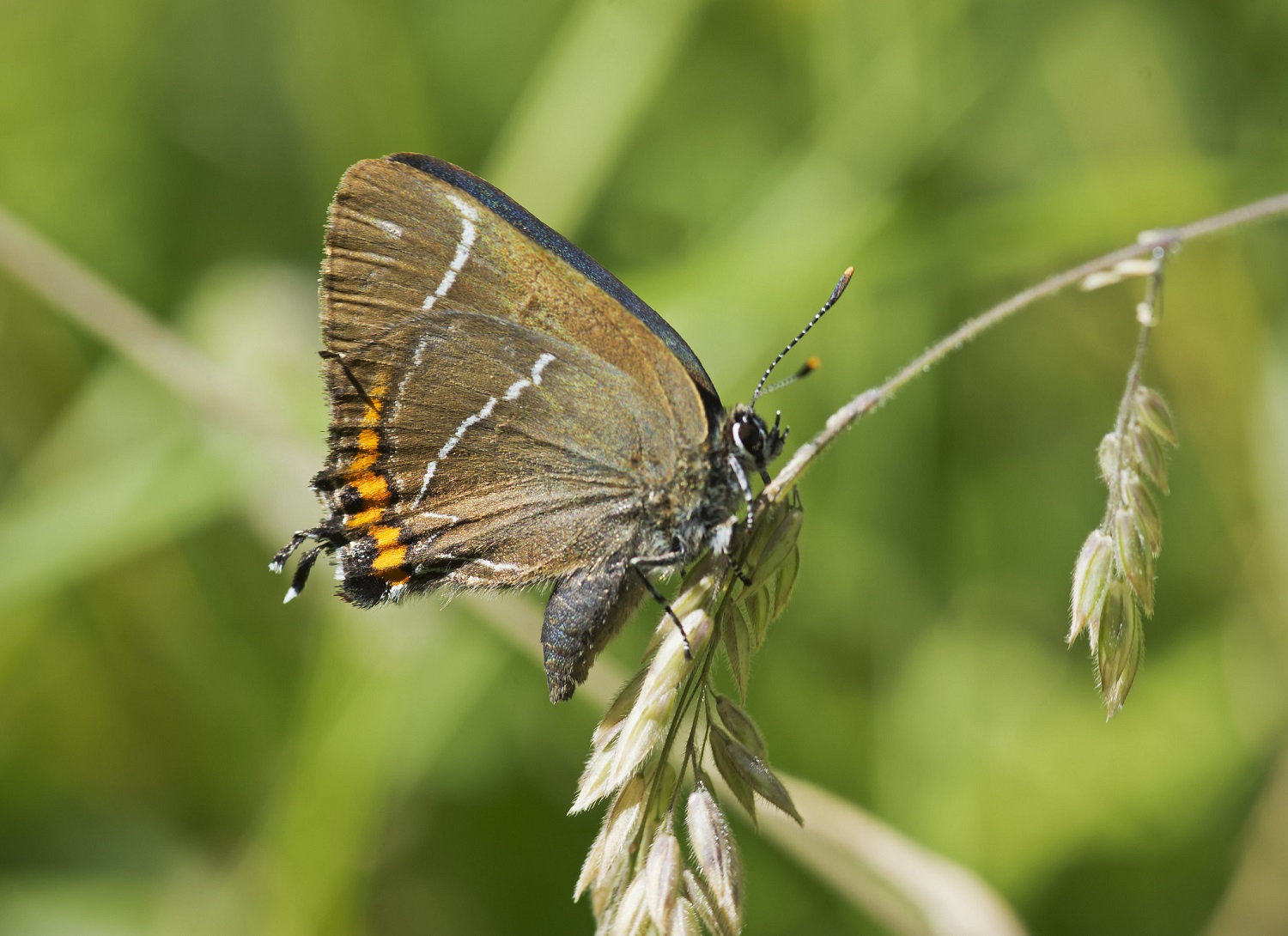
THREE: our rare and rarely seen white letter hairstreak butterfly feeds almost exclusively on honeydew in the tops of the elm trees in the hedge between Sleepers and Cornfield.
FOUR: in hard times, honey bees will feed on honeydew and process it in the same way that they process nectar. The result, honeydew honey, sometimes called forest honey, is highly prized, highly priced and considered by some to have almost magical curative properties.
FIVE: ants farm aphids for their honeydew. Sometimes, the ants will protect the aphids from bad weather and from natural enemies by biting through leaf veins so that the leaves curl round into bivouacs.
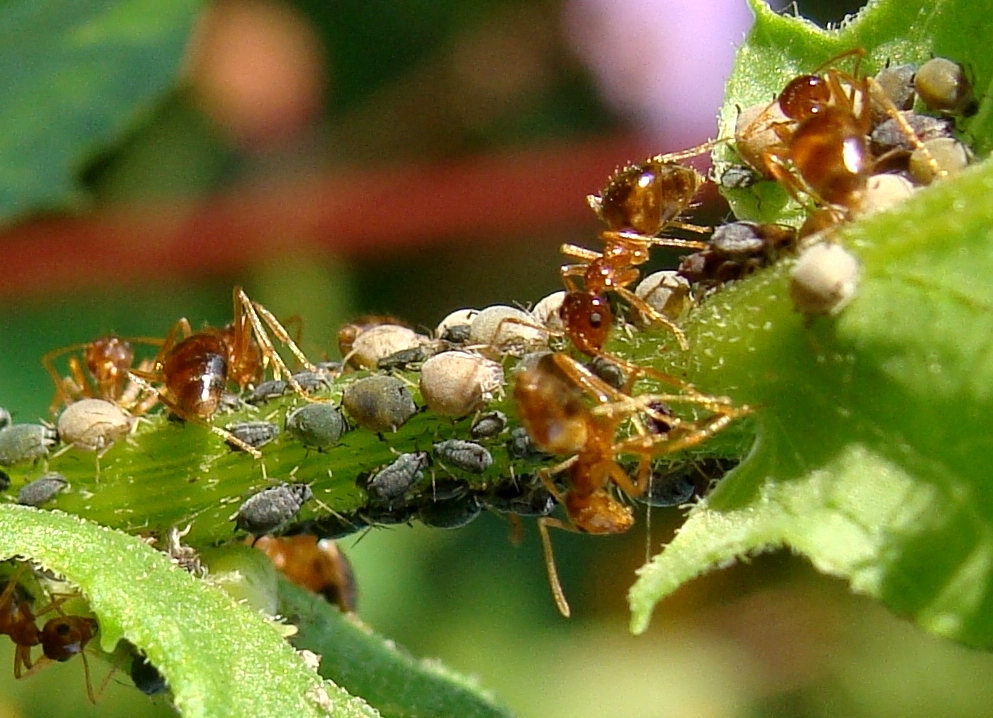

SIX: the farmer-ant tickles the aphids with its antennae. The aphid exudes a drop of honeydew into a basket-like ring of bristles around its tail end and the ant drinks it down into its crop. Inside the nest, it will regurgitate the honeydew to feed fellow workers.
SEVEN: collecting honeydew is one of the simplest ways for insects that live underground to access the products of photosynthesis, the beginning of most of our planet’s food chains.
EIGHT: the caterpillar of the large blue butterfly (Phengaris arion) which spends much of its larval stage and all of its pupal stage in an ants’ nest, secretes honeydew to keep the ants happy while it feasts on their eggs and larvae.

NINE: common wasp larvae, which are wholly carnivorous, produce honeydew for the adults that feed them. When the nest’s queen stops producing eggs at the end of the summer, and there are no more larvae, the workers hunt replacement sugar around our picnic tables.
TEN: the crystallized honeydew of certain scale insects that feed on tamarisk trees in desert habitats dries rapidly in the low humidity and crystallises into a sticky white solid that falls to the ground under the trees. Some authorities believe this may be what the Bible calls ‘manna from Heaven’.


 Southwick Country Park Nature Reserve