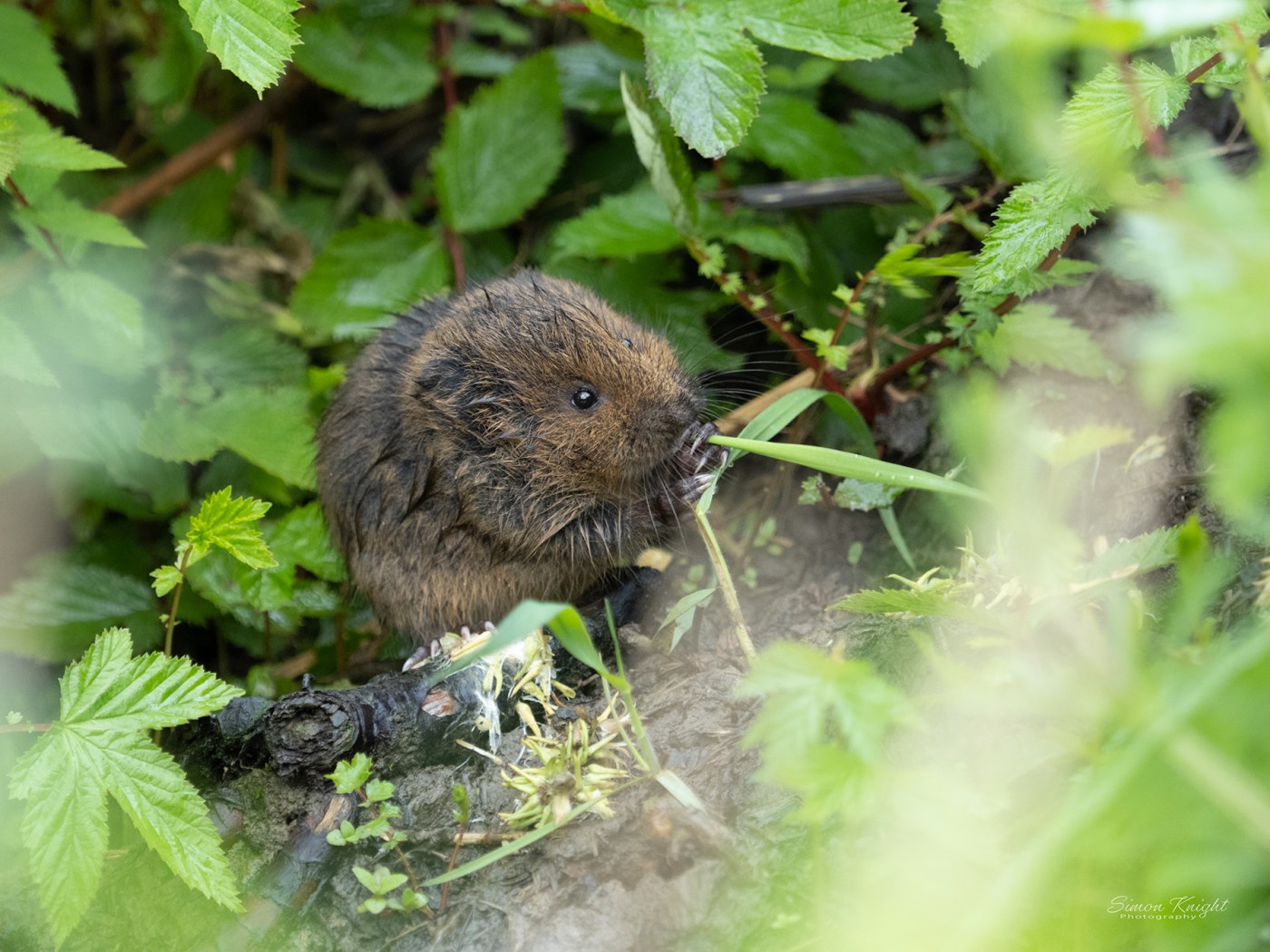
…about water voles
ONE: water voles (Arvicola amphibius) are semi aquatic rodents, the largest of the UK’s three species of vole.
TWO: the reserve’s water voles have thick glossy brown coats but other populations can be black. They have a blunt muzzle with small eyes and their ears are rounded and almost hidden in the dense fur. A water vole’s body-length can be anywhere between 12- 20 cm and its furry tail is about half that length.

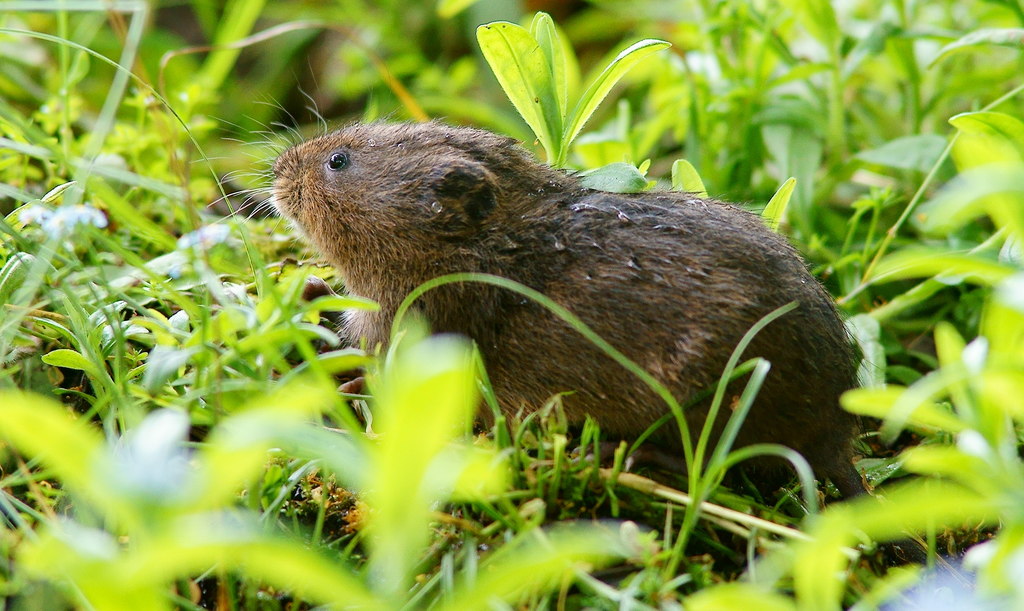
THREE: water voles eat reeds, grasses, rushes, sedges, water plants and wetland plants in the spring and summer, and roots, rhizomes, bulbs and bark in the autumn and winter.
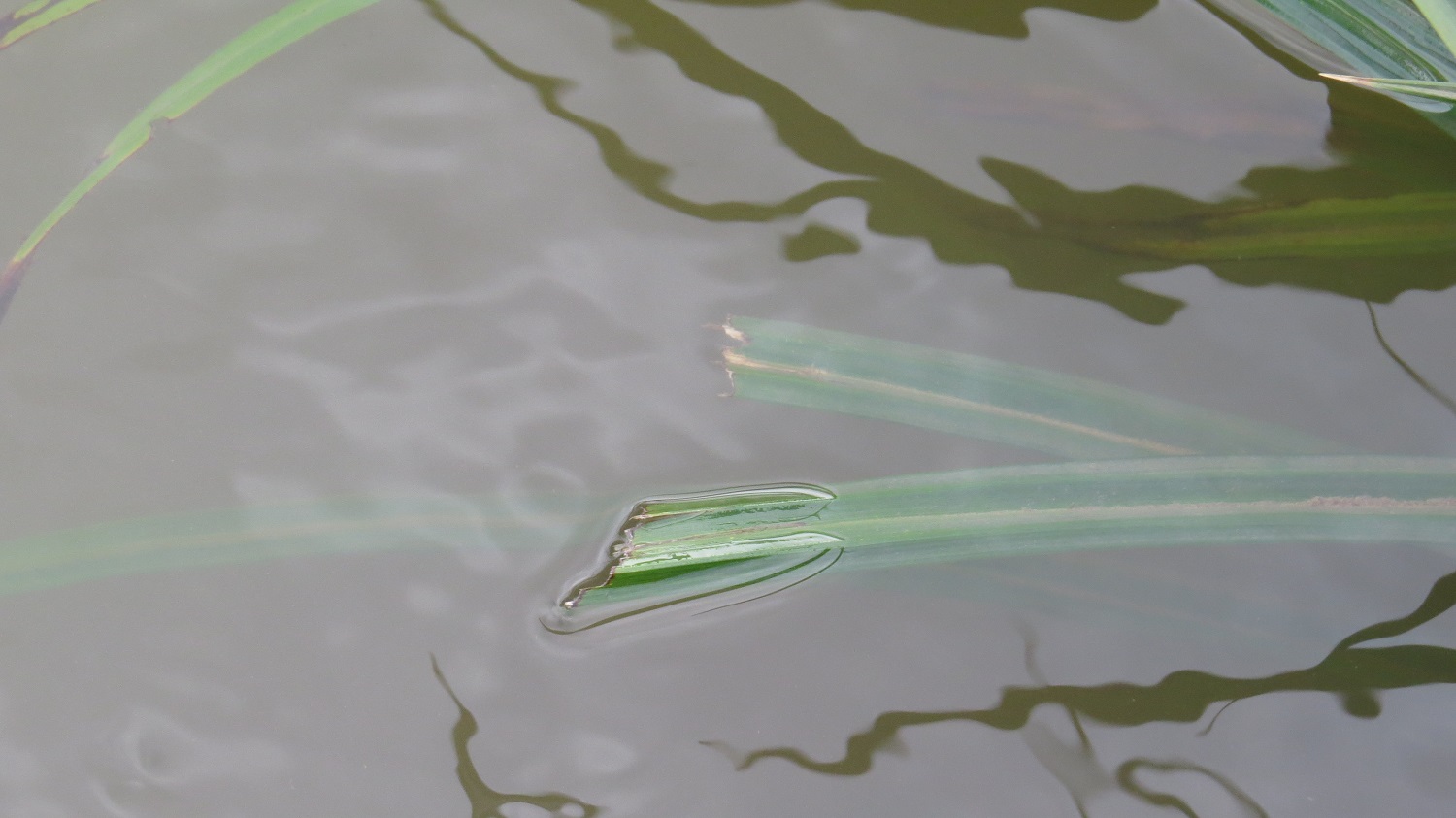
FOUR: they sit on their hind feet to feed on grass stalks held in their front paws; the stalk is harvested with a characteristic 45° angled cut. If you disturbed a water vole while it is feeding it dives into the water with a distinctive ‘plop’ sound.
FIVE: they live in colonies strung out along the banks of a watercourse. Rivers, ditches, streams, lakes, ponds, canals, as well as marshland will all do, as long as they have grassy banks in which to dig their burrows.


SIX: the water vole breeding season begins in March and continues until October. During the season a female can produce up to five litters, each of anything up to eight pups. The pups leave their mother after just a month and those born before the summer may well breed that autumn.
SEVEN: a breeding female has a territory that stretches along 30-150m of river bank and she defends it fiercely. She marks its boundaries and her burrows with latrines. Male water voles have larger territories (60-300m) that overlap those of a number of females.
EIGHT: Ratty from The Wind in the Willows was a water vole.

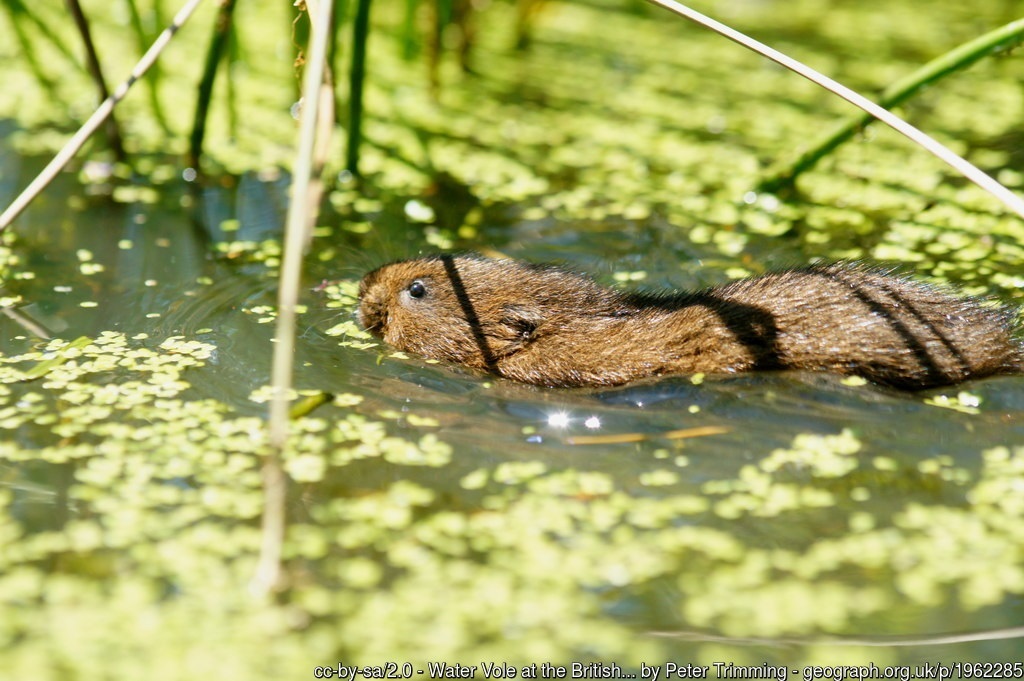
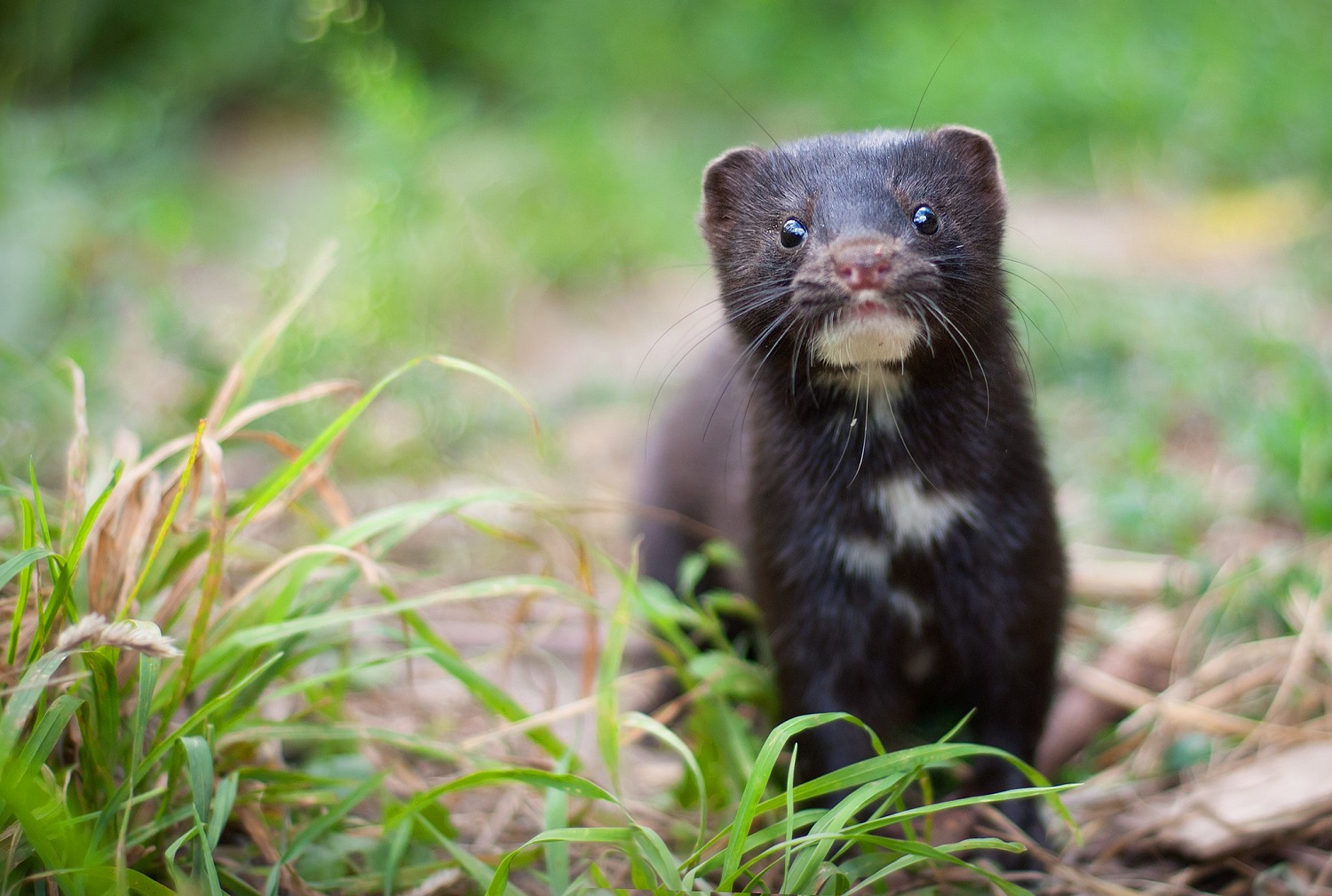
NINE: a water vole’s life is short: few survive their second winter.
TEN: during the 20th century, water vole numbers fell further and faster than those of any other wild mammal in the UK. During the 1940s and 1950s, agricultural development caused significant habitat loss but it was during the 1980s and 1990s, when an alien escapee, the American mink, spread through our waterways, that the decline was at its worse. In the last decade of the 20th century the water vole population fell by almost 90%.
The header image was taken in the reserve by wildlife photographer Simon Knight



 Southwick Country Park Nature Reserve