
The clouded yellow (Colias croceus) is an infrequent visitor to the reserve, seen only twice in the last decade.
It is a migrant species, arriving here from North Africa or Southern Europe in early summer. The numbers that arrive in Britain are very variable; sometimes very few, but occasionally a crowd, a throng, an absolute multitude. In 1947, long remembered by lepidopterists as a ‘clouded yellow year’, an estimated 36,000 butterflies crossed the channel to southern England.


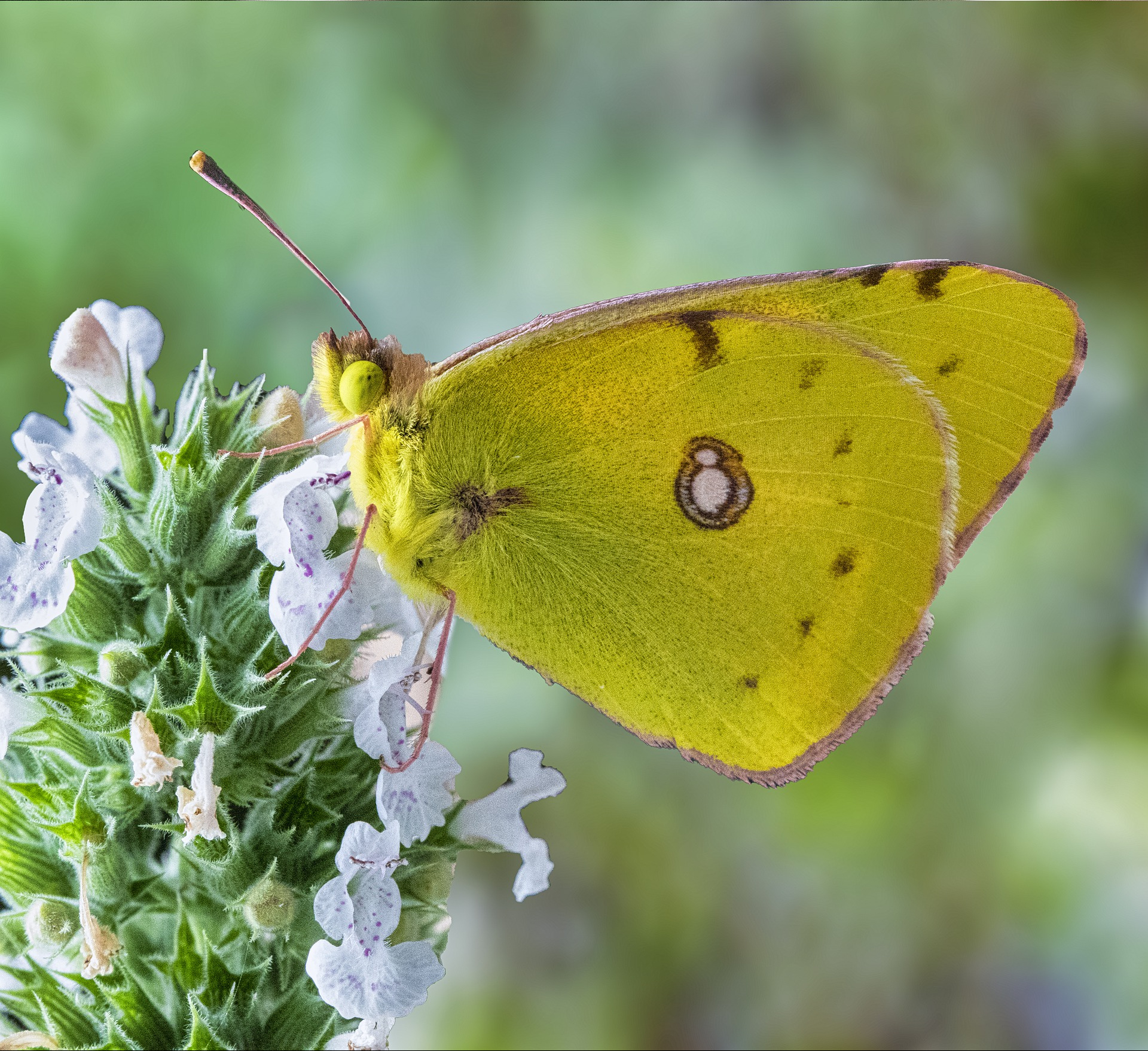
Clouded yellows breed here in the UK very successfully, raising as many as three broods every summer. Their larvae feed on common leguminous plants, clovers and trefoils, widespread British natives that are also used by farmers in improved grassland.
In the past it was believed that no stage of the clouded yellow’s life cycle, egg, larva or imago, could survive our winter weather but recently, as winters warm, clouded yellow larvae have been recorded overwintering at coastal sites in the south of England. The resulting adults appear as early as March in some years whereas the immigrant population usually arrives in May. If there is any upside at all to global warming, it might be that the beautiful clouded yellow becomes an endemic species, here all the year round.
Header image: Clouded yellow by Charles J Sharp (CC BY-SA 4.0) via Wikimedia Commons

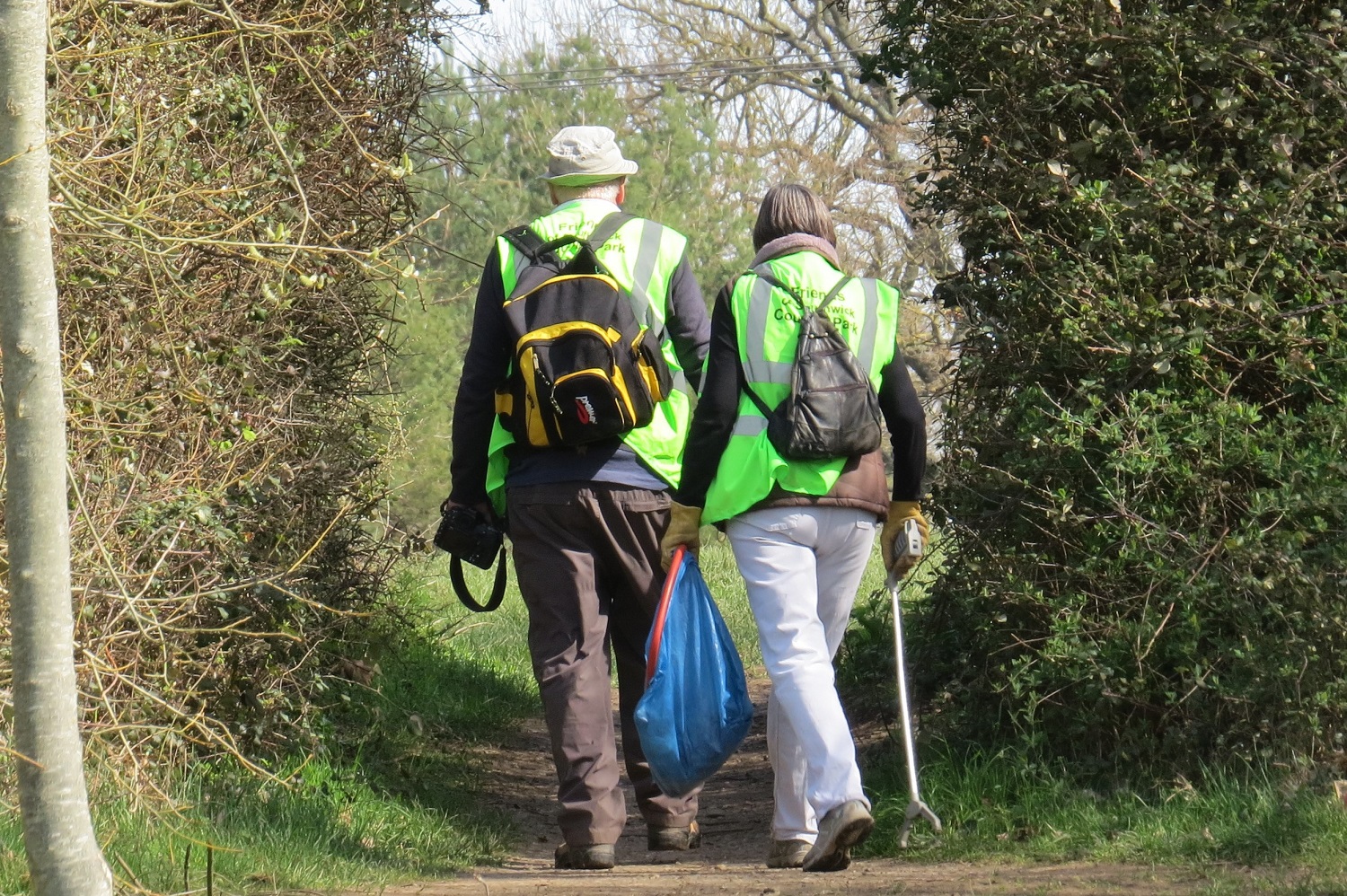


 Southwick Country Park Nature Reserve