
Rosebay willowherb
The rosebay willowherb (Chamaenerion angustifolium) in the reserve is in flower and well worth a look.
This is a pioneer plant, among the first to colonise new ground. In America it is called fireweed because it is the first plant to take advantage of the space newly created by a forest fire. Fire sterilises the soil and breaks up its structure, turning it into an ideal seed bed for willow herb’s tiny wind-dispersed seeds.
Here in the UK, it used to be uncommon but it flourished for years on Second World War bombsites, gaining a foothold that it has never really lost. In the reserve, it chooses the edge of woodland and the disturbed ground alongside footpaths.
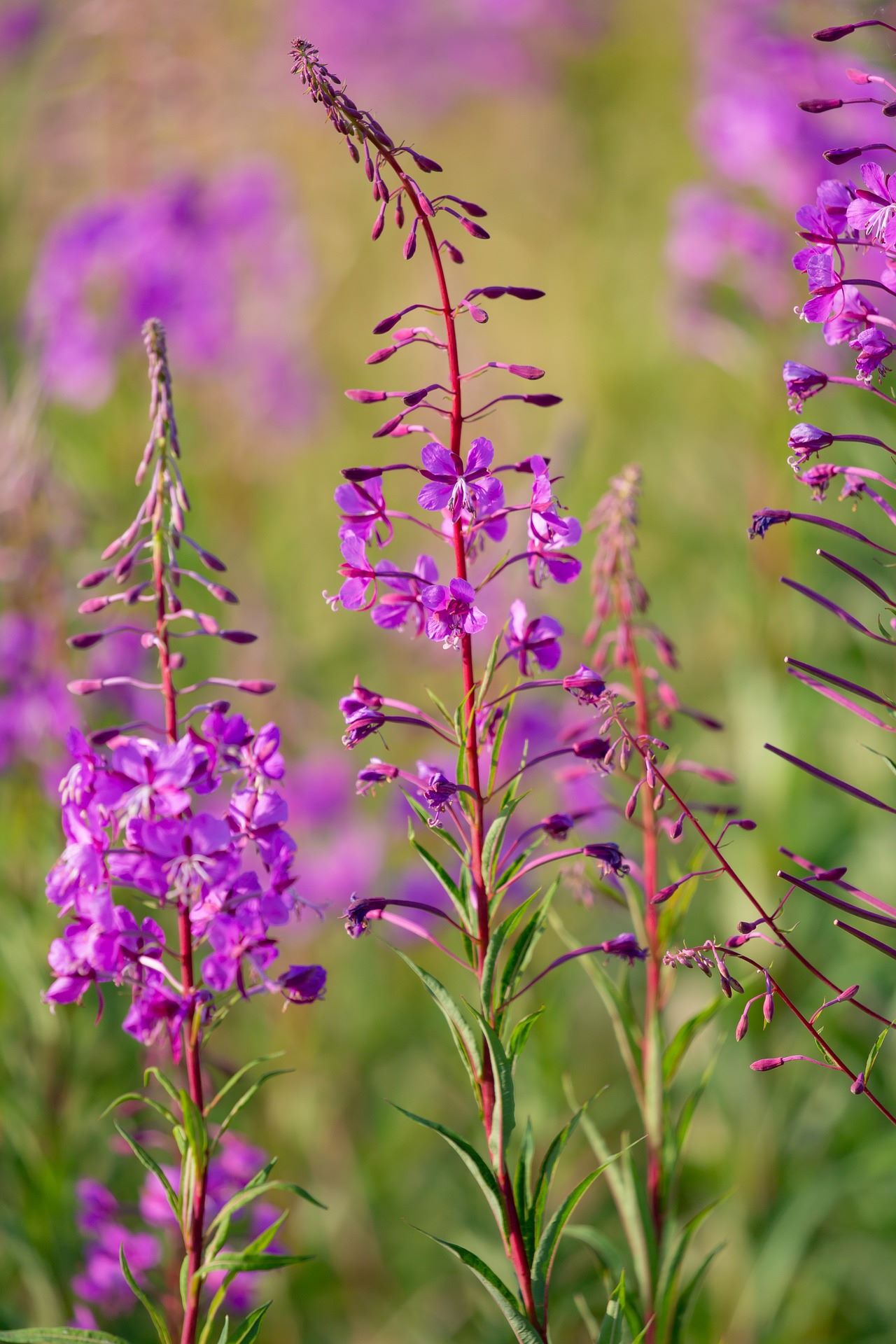
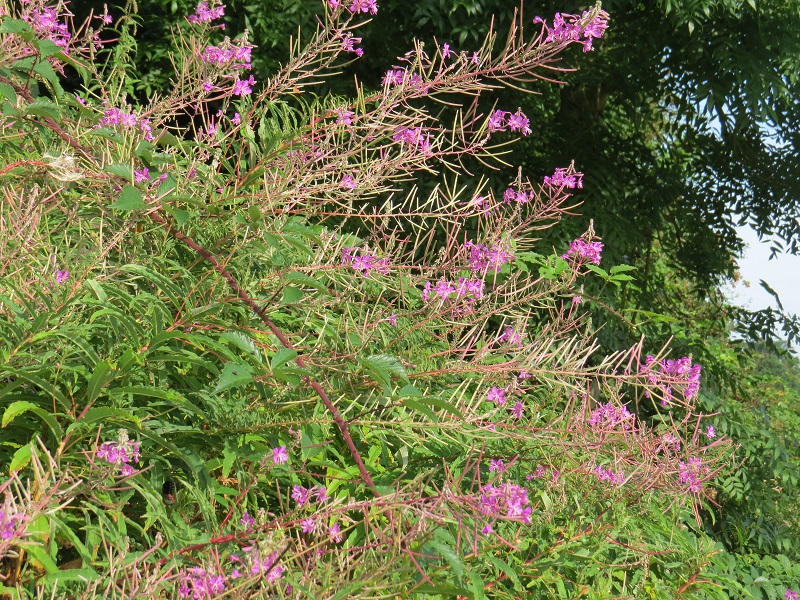
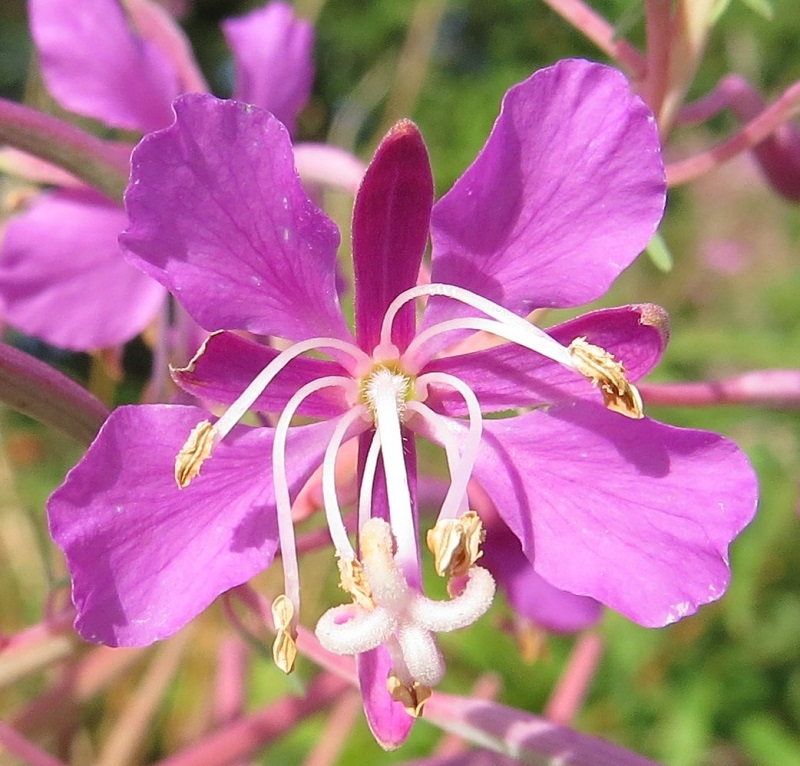
Rosebay willow herb flowers form a spike called a raceme; each flower on the raceme will result in a long seed pod, and each pod will contain 300-400 seeds. A raceme will produce thousands of seeds, and a single plant can produce as many as 60,000 seeds.
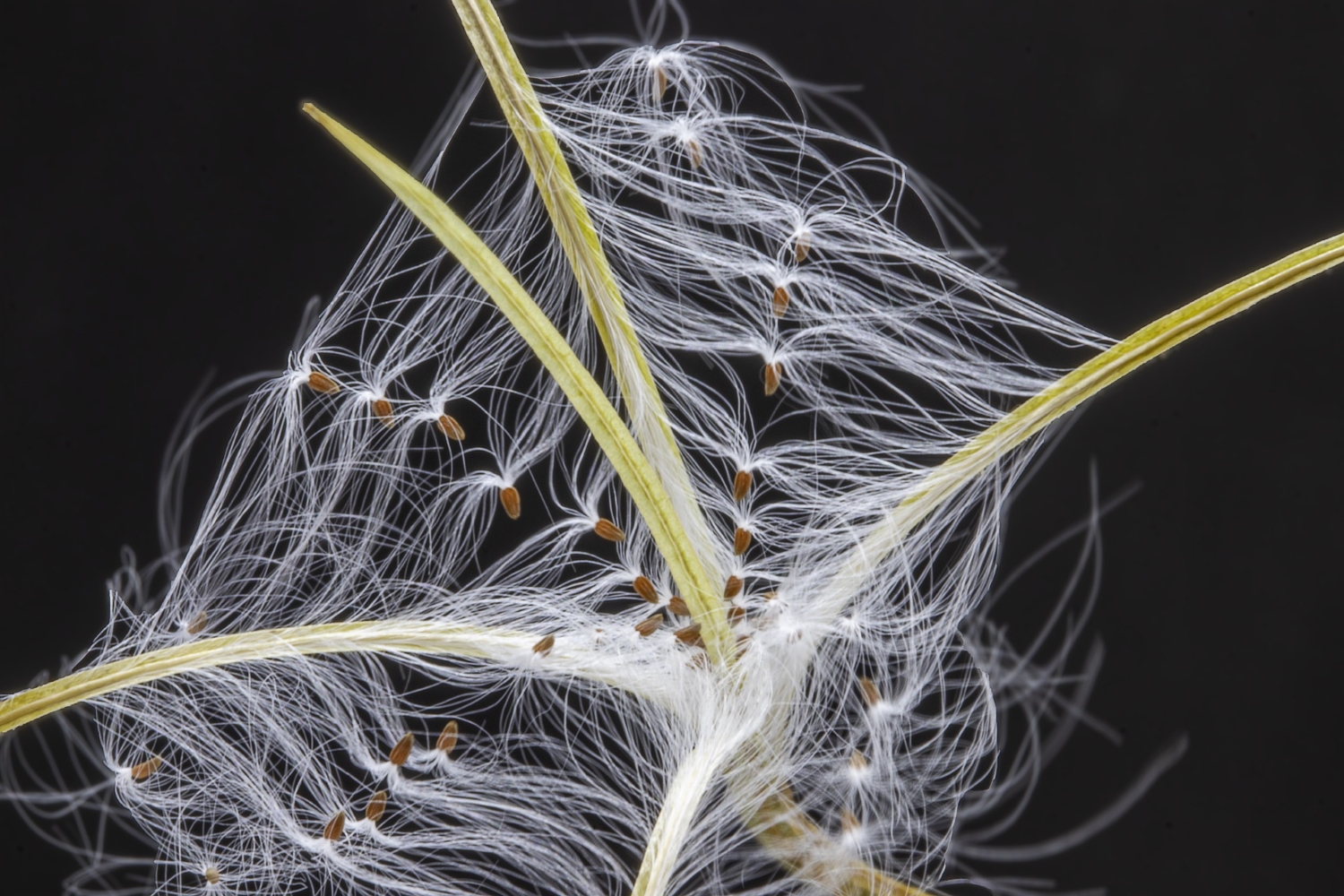


The pods dry when the seeds are fully formed and they open gradually, peeling back to expose the seeds to the wind. Not all the seeds blow away and the basket-like structure that the open seed pods form is a convenient landing place for foraging seed eaters.
Header image by Ian Bushell (SCPLNR Aug 24)


 Southwick Country Park Nature Reserve
I grew up just after the war in East London in surroundings that had suffered from considerable bombing. Each summer large areas were covered in a sea of pnk rosebay willow herb. On the way home from school (built in the ruins of a bombed T B isolation hospital) I would collect flowers for my Mum. Barbara Johnson.
I, too, remember bomb sites covered with willow herb.
When I was a child, growing up on a farm, our rick yard burned down to the ground one windy morning, and the following summer the yard grew willow herb ten feet tall.