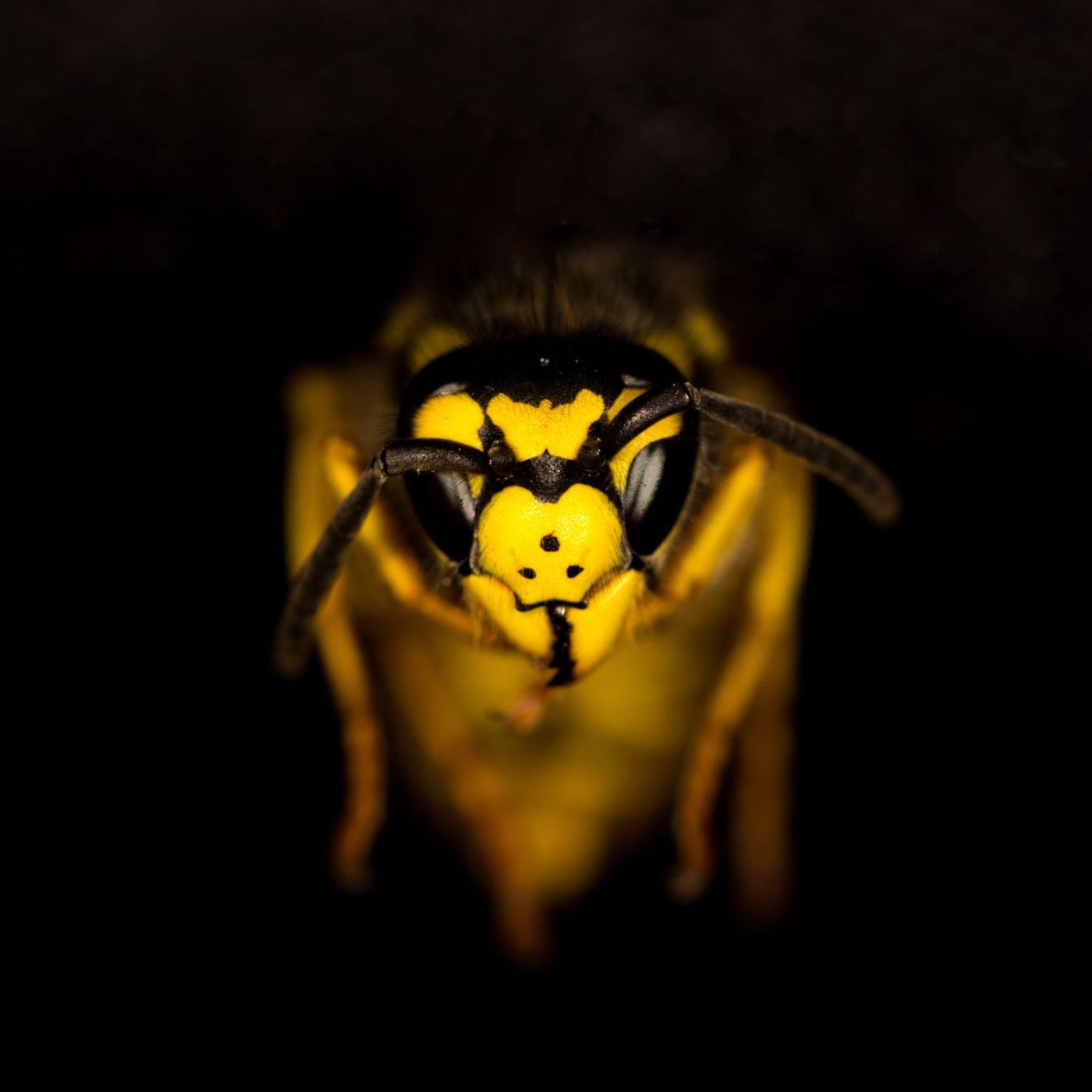
In the world of invertebrates, black and yellow signals danger. It says to predators: I am poisonous or I will bite you.
It appears that black and yellow is an attention grabbing contrast no matter if you have compound vision, no colour vision at all, or see the world through a part of the spectrum that isn’t visible to humans. Black and yellow seems to be a heads-up to invertebrates and the species that prey on them.
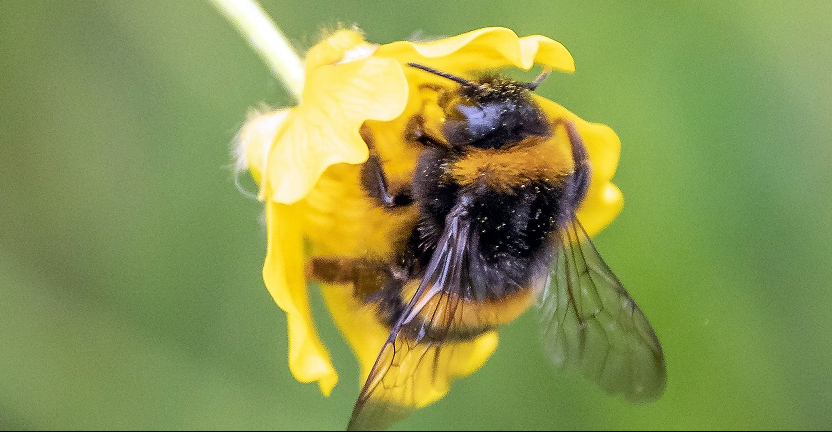

It is an anti-predator adaptation, a warning signal that has become associated with the cost that a certain prey item might inflict on a predator. The possibility of a painful bite or a stomach ache are good reasons to pause before attacking black and yellow prey. The danger signal is actually beneficial for both the prey and the predator, since it helps both avoid harm: a double evolutionary pressure.

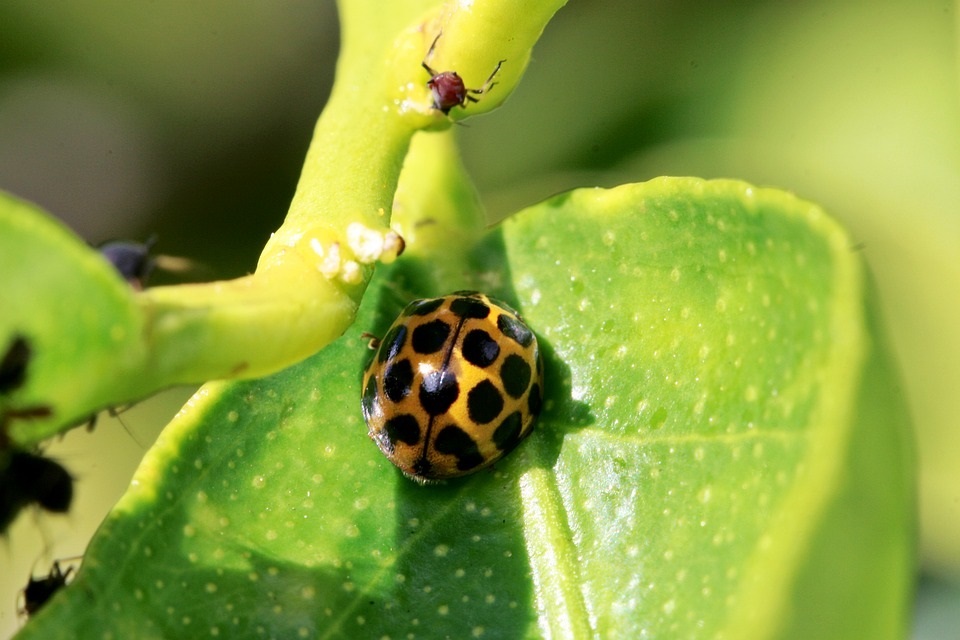
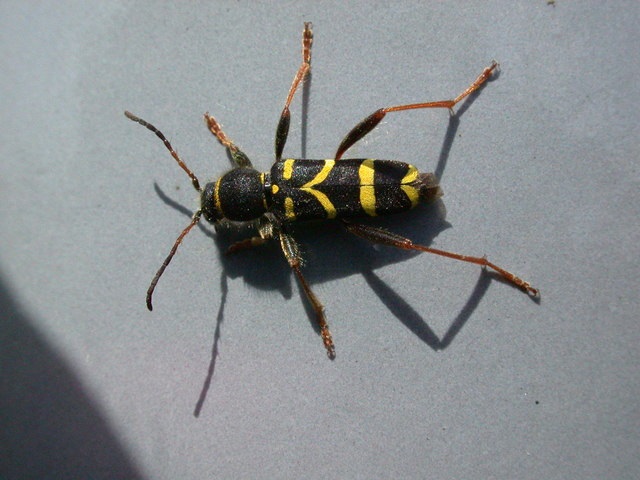
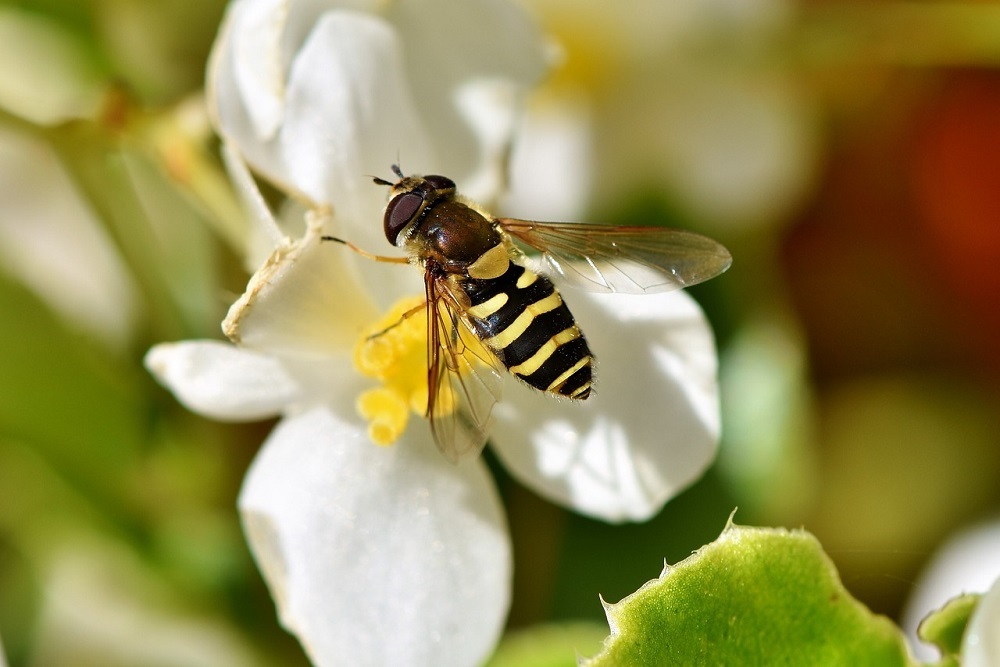
There is a third category of invertebrates that wear black and yellow. They are not biters and stingers or nasty tasting and poisonous; they are mimics. Predators have learned to approach black and yellow prey with caution; some species have taken advantage of this, and wear the danger signals when they are, in fact, harmless.
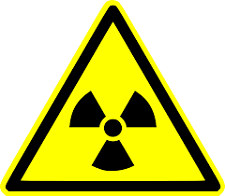
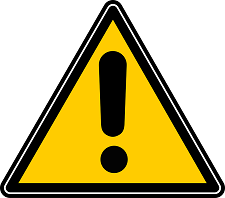
If you asked a child what colour signals danger, it would probably choose red. But humans, who share 60% of their DNA with invertebrates and often respond to instincts that are a lot older than their species, use black and yellow to warn of the really serious dangers.


Header image: wasp (CC0) pxfuel.com
For more black and yellow, click on the picture below:





 Southwick Country Park Nature Reserve