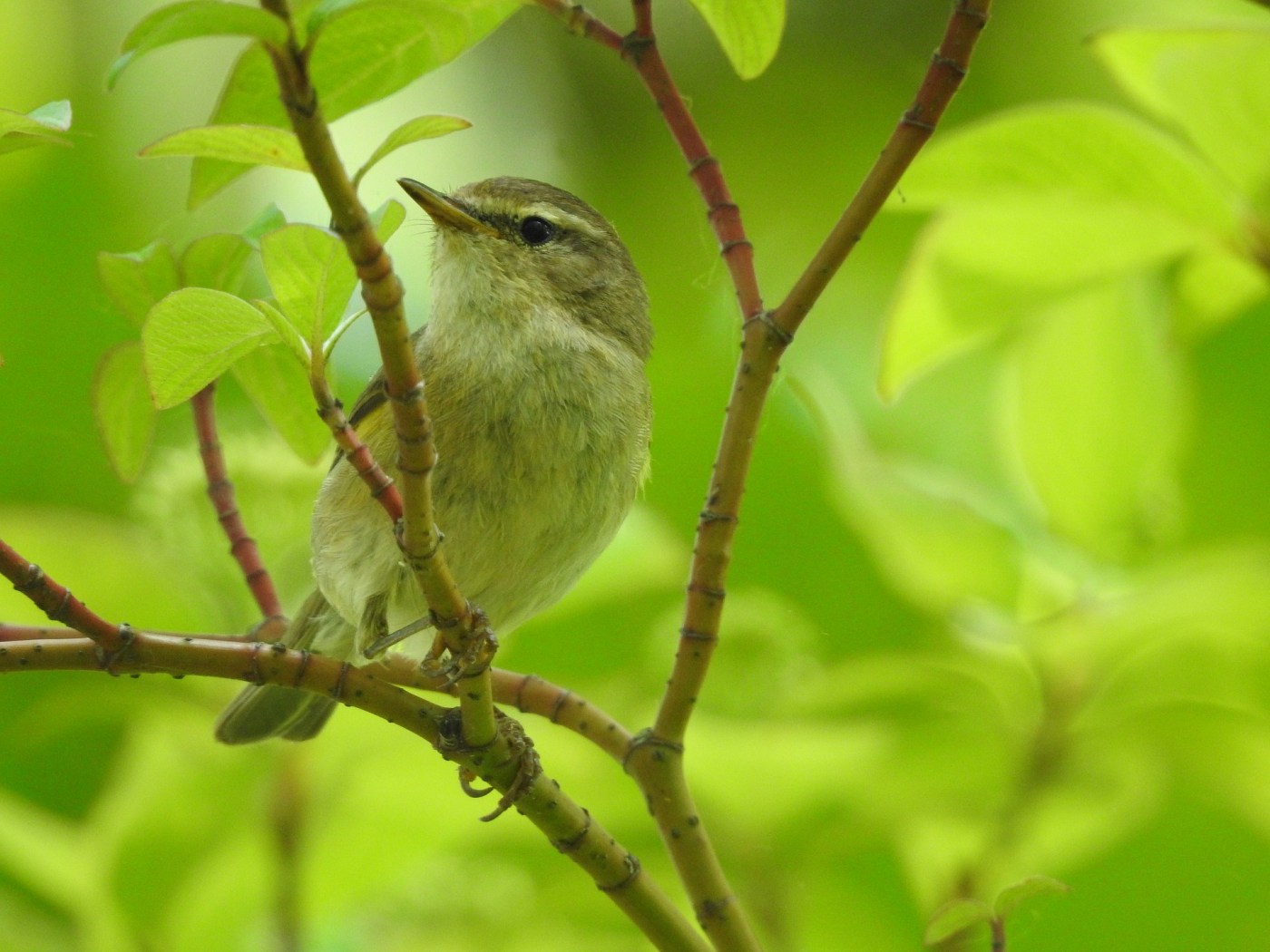
At this time of year, we are inclined to think of our migratory birds as leaving the reserve’s cold, damp fields and woods to fly south and spend their winter somewhere warmer. But, for some of the birds on our species list, Southwick is the somewhere warmer. The autumn migration is swap-over time.
Migratory species that have spent their breeding season here, leave and go south to the Mediterranean and to Africa, while birds that have bred in the far north of Europe come here to escape the rigours of the continental winter.
Picking our way through the reserve’s bird list, we counted sixty seven species altogether, fifteen of which are migratory. This is just about right: the BTO says that worldwide approximately 20% of bird species make significant migrations. As autumn settles in, eleven of our fifteen migrators are leaving or have already left, while four are on their way here.
Let’s look at the leavers first.
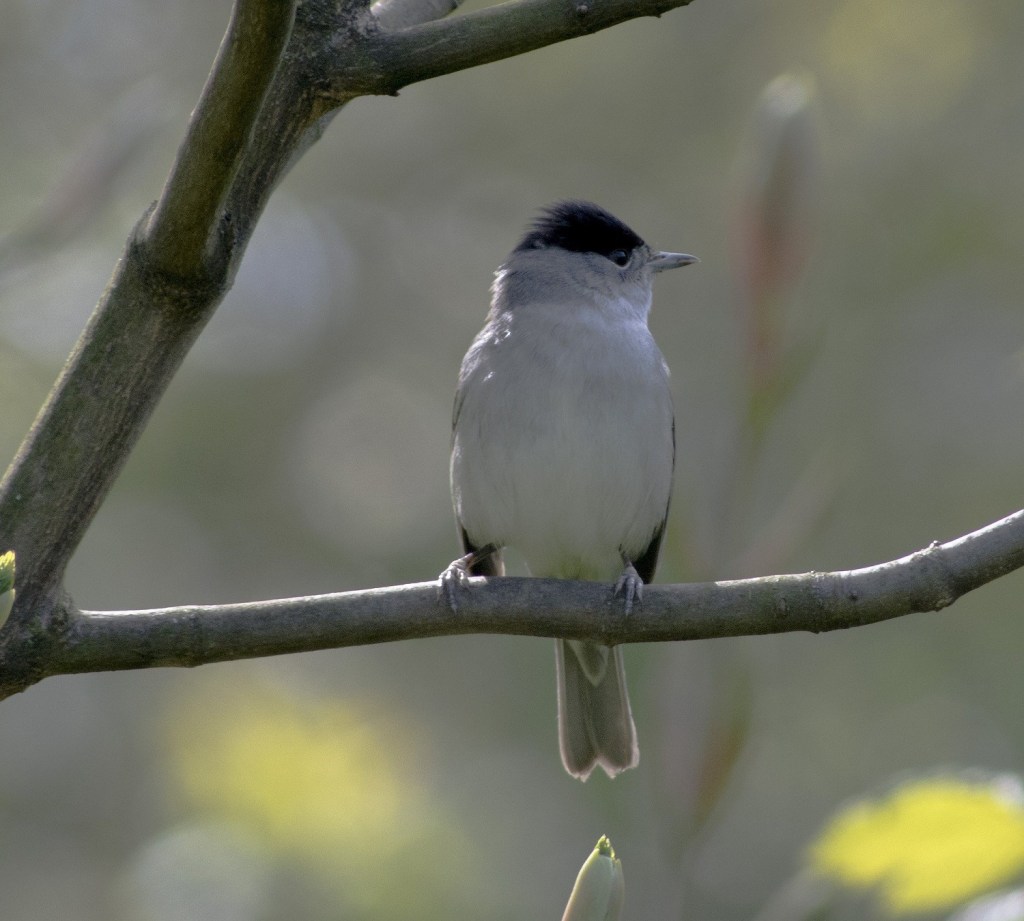

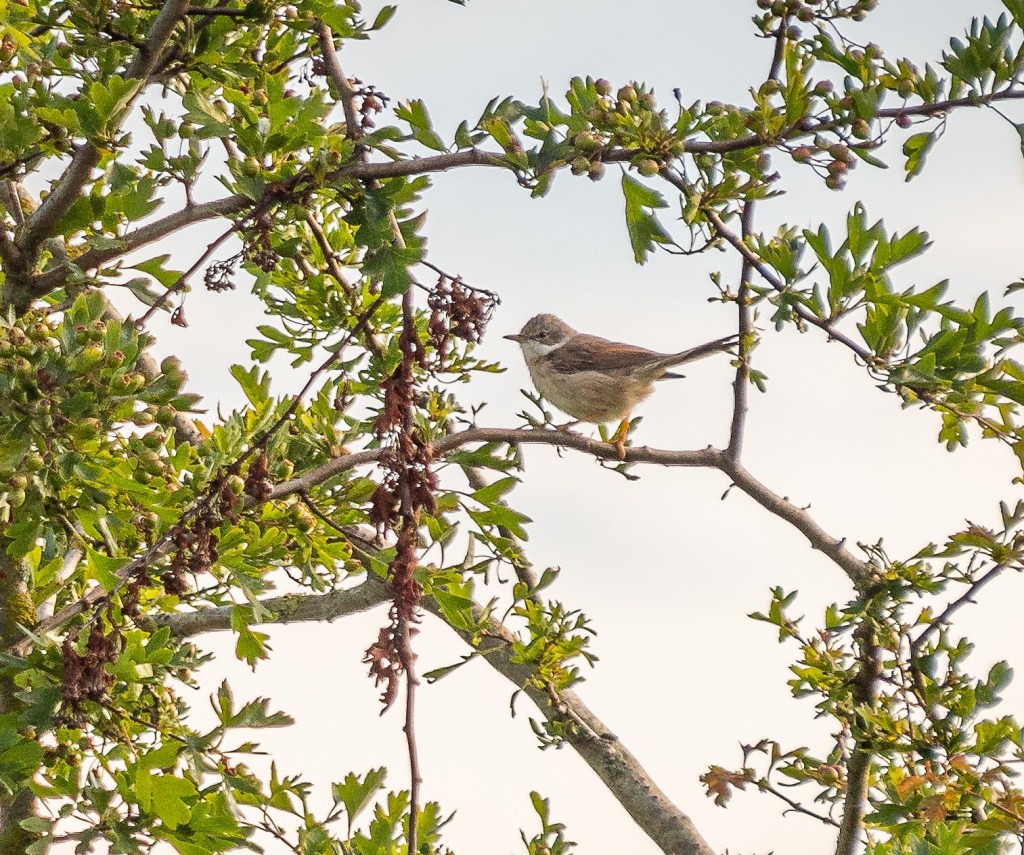
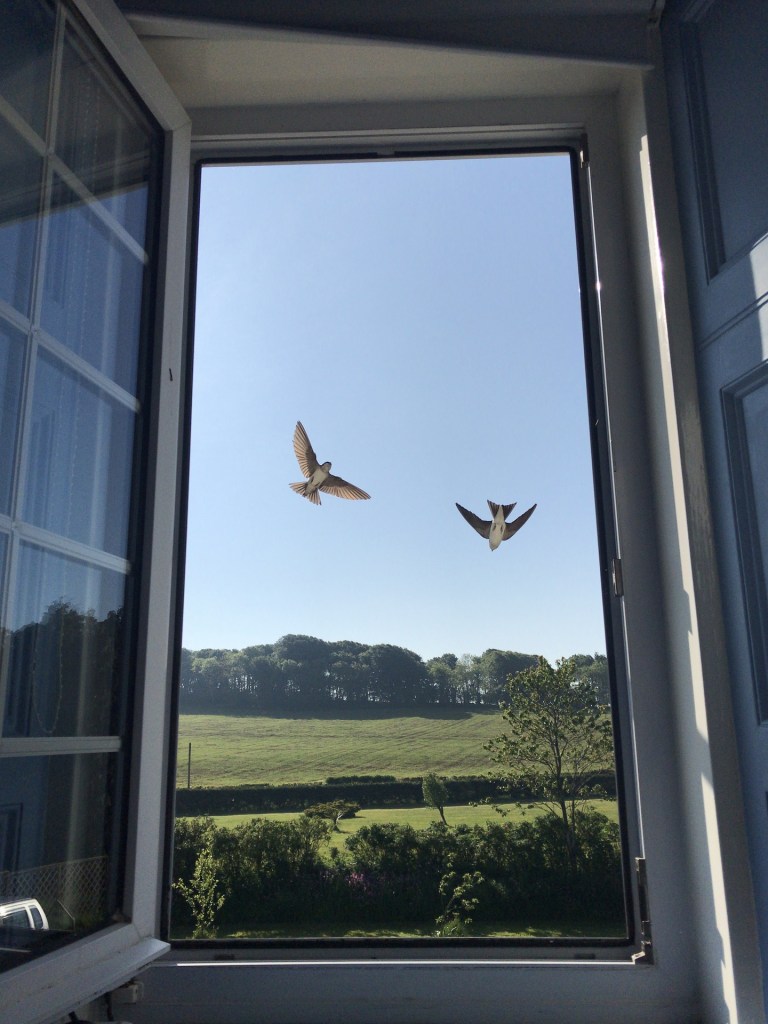

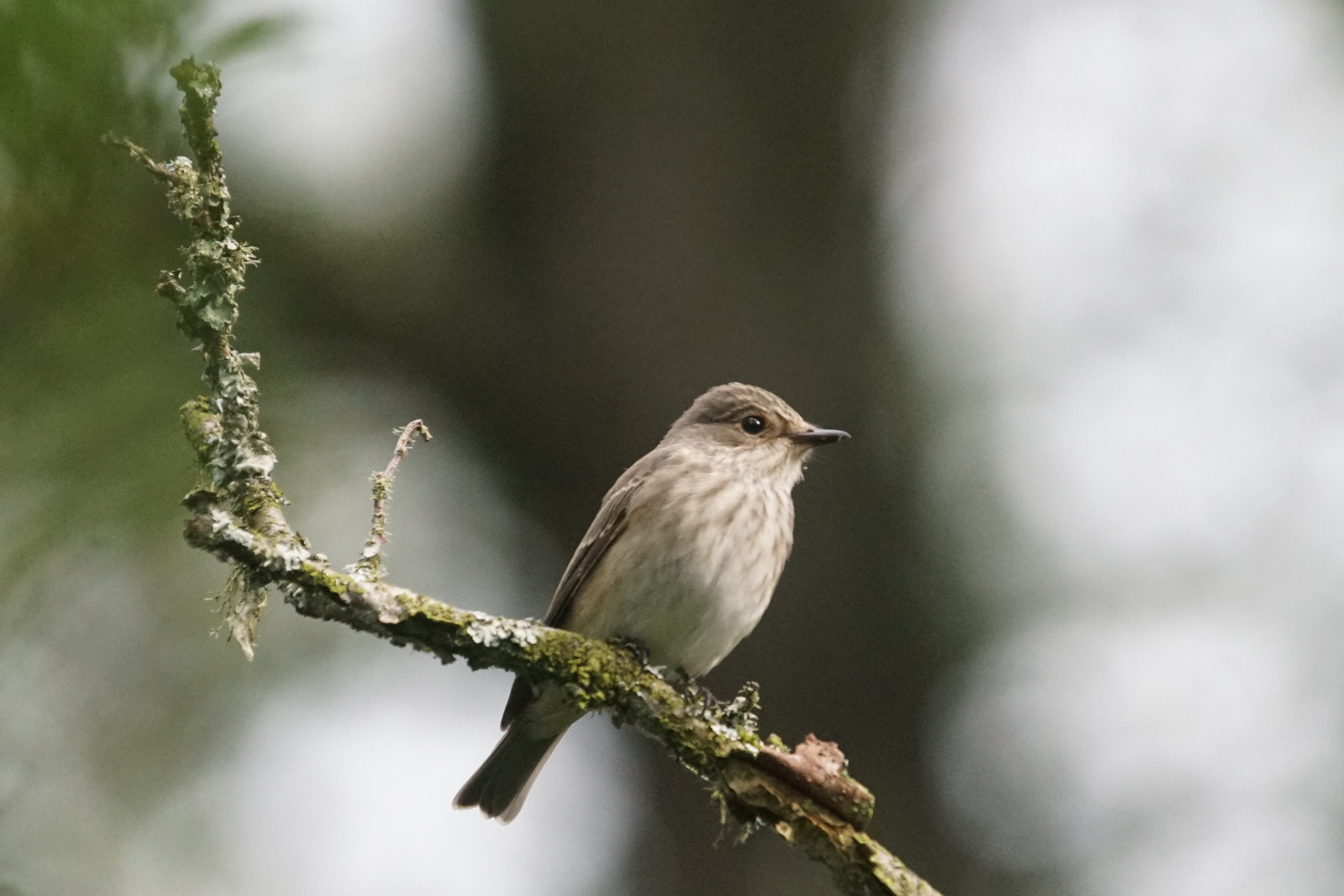
Eleven outgoing species: blackcap, chiffchaff, common whitethroat, house martin, meadow pipit, spotted flycatcher (picturedabove). Header image: willow warbler; not pictured: cuckoo, swift, swallow, lesser whitethroat.
These are, almost without exception, insectivorous species. They come here to the reserve to breed because our mild, damp, summers provide the perfect environment in which insects and other invertebrates flourish, sometimes in enormous numbers. The long daylight hours make for extended feeding times for parent birds and their vulnerable, hungry nestlings. In a good year, many pairs will have raised multiple broods.
When the nestlings have fledged, and the adults have finished their moult, they will all turn south as the summer ends. The trigger seems to be day length rather than the falling, late season, insect populations; the behaviour is intrinsic, different for each species, and written into the individual birds’ DNA.
Here are the incomers.

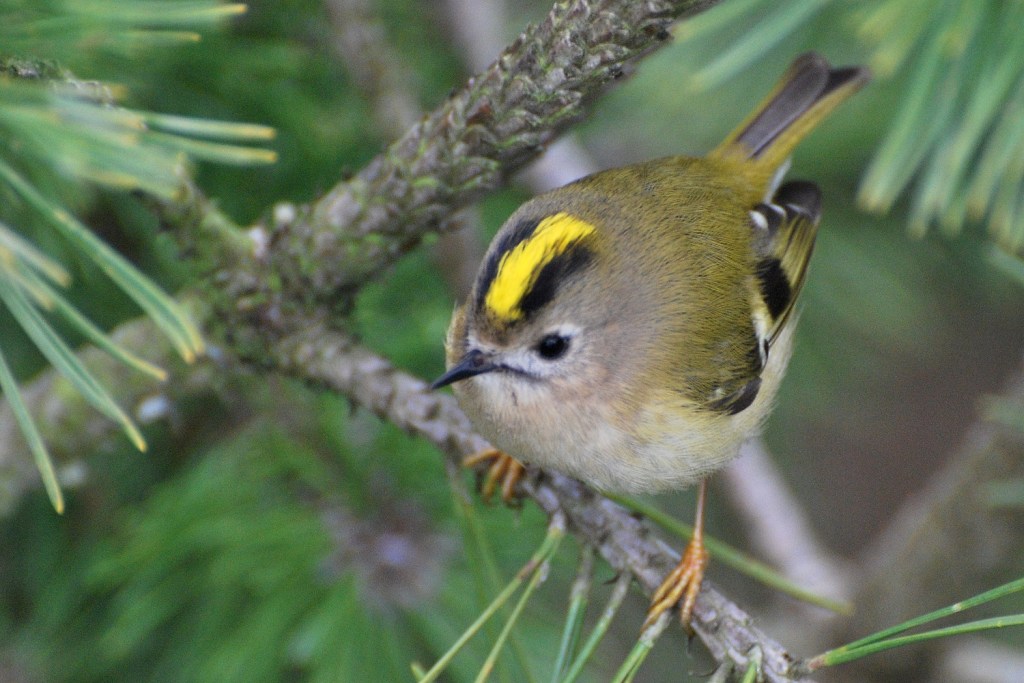

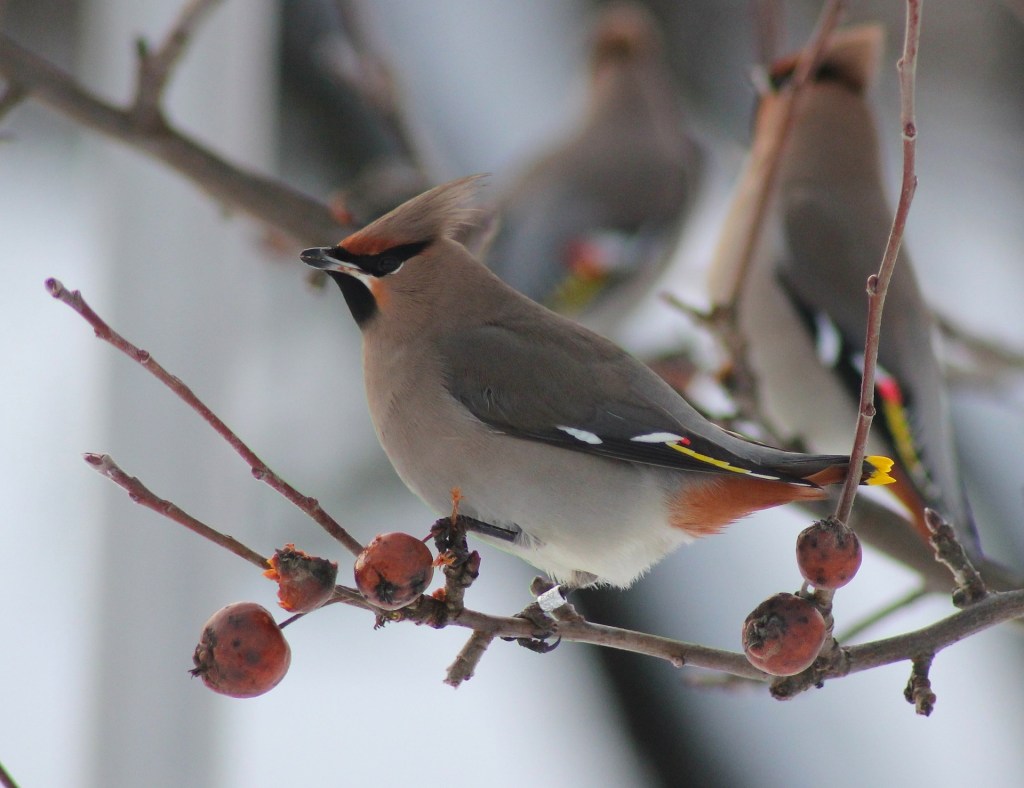
Four incoming species: field fare, goldcrest. redwing, waxwing.
There are fewer incomers than outgoers at this time of year; fewer species and fewer individuals. As a result the bird numbers in the reserve drop during the winter.
These four species are not here to breed, they are not returning to well known nesting sites; they have come for food and shelter. Their numbers will depend on the conditions they have left and the journey they have undertaken: why risk the channel crossing if there is enough food in Belgium and the weather there is still mild?
Most years we see flocks of fieldfares and redwings in the reserve, transients that come to feed and don’t stay long. Goldcrests, the UK’s smallest birds, sneak in alone; they are hard to spot and even harder to track so we don’t really know how many come or how long they stay. But waxwings are a real rarity. Last year, as a result of conditions in continental Europe, many more waxwings than usual visited the UK and sightings were reported in and around the reserve.
Bring your binoculars next time you visit the reserve and check out the coming and going.


 Southwick Country Park Nature Reserve